
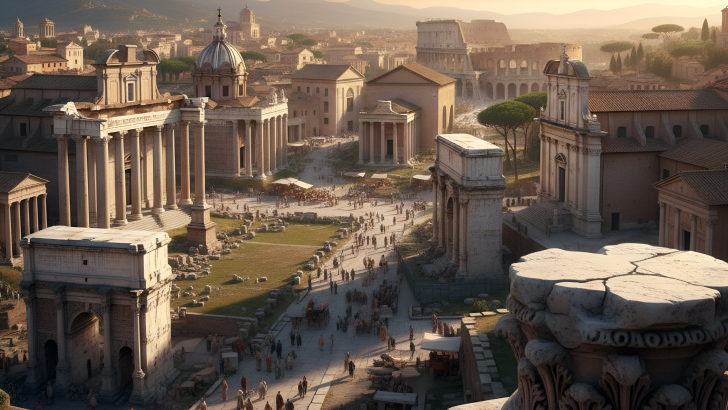
From its legendary founding to the vast empire that spanned continents, Rome shaped law, architecture, language, and culture in ways that still affect the modern world.
The Romans were masters of engineering, politics, and military strategy, and their society included both grandeur and brutality.
While movies and stories often focus on emperors, gladiators, and battles, the real Rome was a complex society with traditions, inventions, and daily practices that reveal its brilliance.
Exploring these facts allows us to see beyond myths and understand the civilization that laid the foundation for much of Western culture.
Here are ten fascinating facts about Ancient Rome that highlight its achievements, quirks, and lasting impact on the world.
1. Rome Was Founded on Legends

The story of Rome’s founding involves the twin brothers Romulus and Remus, who were said to have been raised by a she-wolf.
According to legend, Romulus later killed Remus and became the first king of Rome in 753 BCE.
While historians debate the accuracy of this tale, archaeological evidence confirms that Rome developed from settlements on the Palatine Hill during the eighth century BCE.
The legend reflects Roman values of courage, ambition, and destiny. This blend of myth and history shows how the Romans used stories to shape identity and culture.
Even today, Romulus and Remus remain symbols of the city’s beginnings and resilience.
2. The Roman Republic Came Before the Empire
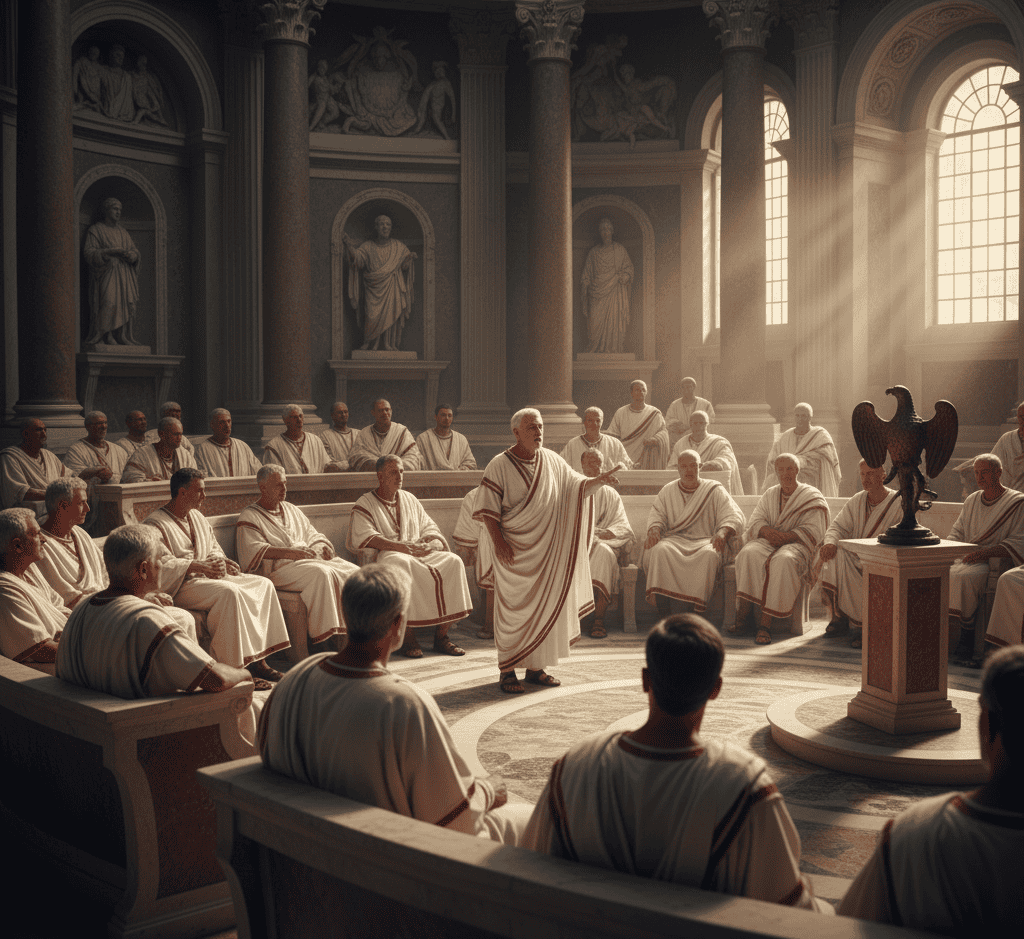
Before becoming an empire, Rome was a republic. Established around 509 BCE, the Roman Republic was governed by elected officials and a complex system of checks and balances.
Power rested with the Senate, magistrates, and assemblies, representing different social classes.
Citizens could vote, though the influence of wealthy elites was significant. The Republic allowed Rome to expand gradually and develop strong institutions.
The transition from Republic to Empire occurred in the first century BCE, after years of civil wars and power struggles.
Understanding the Republic highlights Rome’s early political innovation and the tension between democracy and authority.
3. Romans Were Expert Engineers

Romans were master builders whose innovations still influence construction today. They developed durable roads, aqueducts, and bridges that connected cities across the empire.
Concrete was one of their most important inventions, allowing them to create structures like the Colosseum and Pantheon that have lasted millennia.
Roman engineers also perfected arches and domes, distributing weight efficiently and enabling monumental architecture.
These achievements were not only practical but symbolic, showcasing Rome’s power and sophistication.
Roman engineering demonstrates how technical skill can shape civilization and leave a lasting legacy.
4. The Roman Army Was Highly Organized

The Roman army was a cornerstone of Rome’s success. Soldiers, known as legionaries, were well-trained, disciplined, and equipped with standardized weapons and armor.
Legions were flexible units that could march long distances, build fortifications, and fight effectively in different terrains.
Military strategy, strict training, and logistics allowed Rome to conquer vast territories and maintain control over them.
The army also played a social role, offering land and citizenship to veterans. This system strengthened loyalty to Rome and integrated conquered peoples into the empire.
5. Gladiators Were Popular but Often Slaves

Gladiators were fighters who entertained Roman crowds by battling in arenas like the Colosseum. While some were volunteers seeking fame, most were slaves or prisoners trained to fight.
Gladiatorial games were public spectacles, reflecting Roman values of bravery, skill, and endurance.
They also served political purposes, as emperors used games to gain favor and distract citizens from social issues.
Despite their harsh lives, successful gladiators could gain freedom and wealth. These contests reveal both the cruelty and fascination of Roman culture with spectacle and competition.
6. Romans Had Complex Legal Systems

Roman law was one of Rome’s most enduring contributions. Laws covered property, contracts, family, and crime, and they provided a foundation for governance across the empire.
The Twelve Tables, created in the fifth century BCE, were an early codification of laws accessible to citizens.
Later legal thinkers refined rules, creating concepts like contracts, citizenship rights, and legal representation.
Many modern legal systems, especially in Europe, are based on Roman law. Understanding these laws shows how Rome balanced social order with the rights of individuals.
7. Roman Society Had Distinct Classes

Ancient Rome was highly hierarchical. Patricians, the wealthy elite, held most political power, while plebeians made up the majority of free citizens. Slaves, often prisoners of war, had few rights.
Family, patronage, and social networks were central to daily life. Marriage, inheritance, and political alliances reinforced social hierarchies.
Despite class divisions, upward mobility was possible, especially for freed slaves or successful plebeians.
This structure helped Rome maintain order, organize resources, and expand influence, but it also created tension and occasional social upheaval.
8. Romans Were Innovative in Architecture
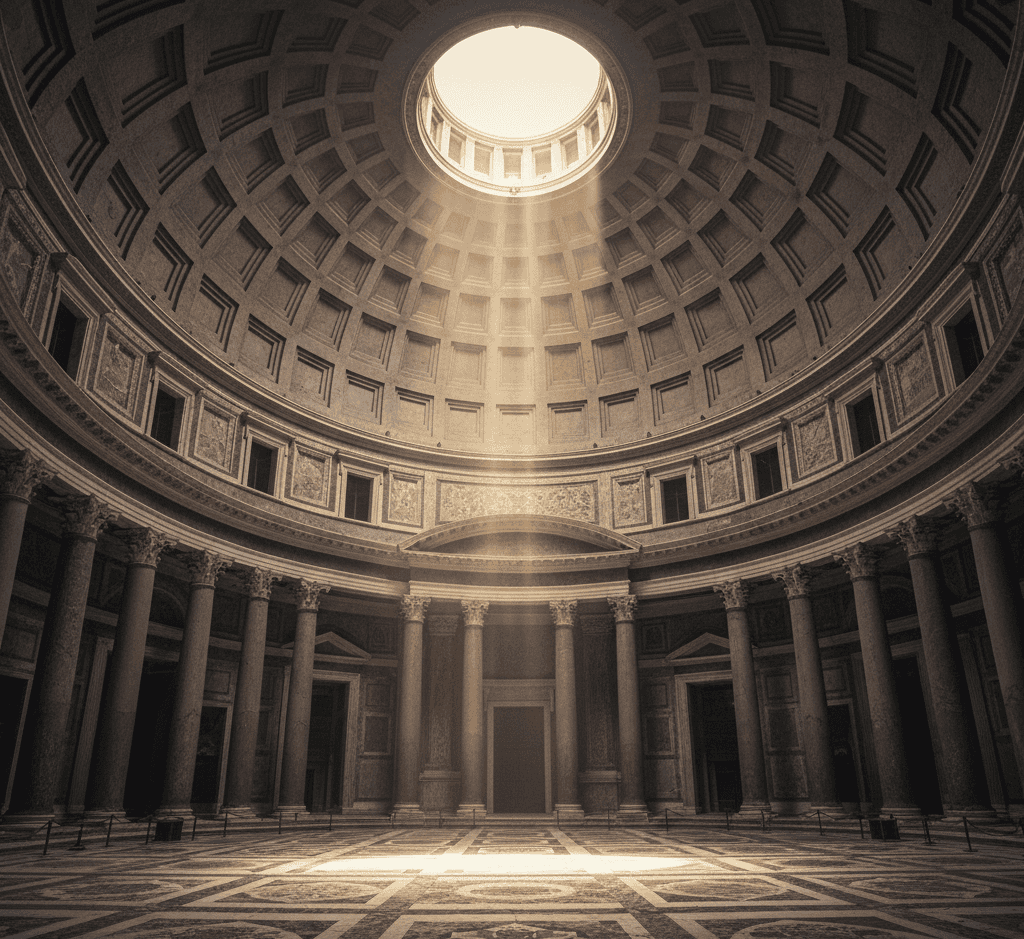
Roman architecture was both practical and symbolic. Buildings like the Pantheon, with its massive dome and oculus, reflected advanced engineering and artistic vision.
Temples, baths, theaters, and amphitheaters served religious, social, and recreational purposes.
Decorative elements, columns, and statues communicated power and cultural values.
These architectural innovations influenced countless civilizations. Rome proved that architecture could combine function, beauty, and political messaging in ways that endure for centuries.
9. Daily Life Included Sophisticated Amenities

Despite popular images of ancient hardship, Romans enjoyed many comforts. Wealthy citizens had central heating, running water, public baths, and elaborate dining practices.
Urban planning included streets, forums, markets, and sanitation systems that made large cities livable.
Even ordinary citizens benefited from public fountains, baths, and entertainment.
These amenities demonstrate Rome’s commitment to urban development, public welfare, and quality of life, setting a standard for future cities.
10. Latin Language and Roman Culture Still Influence the World
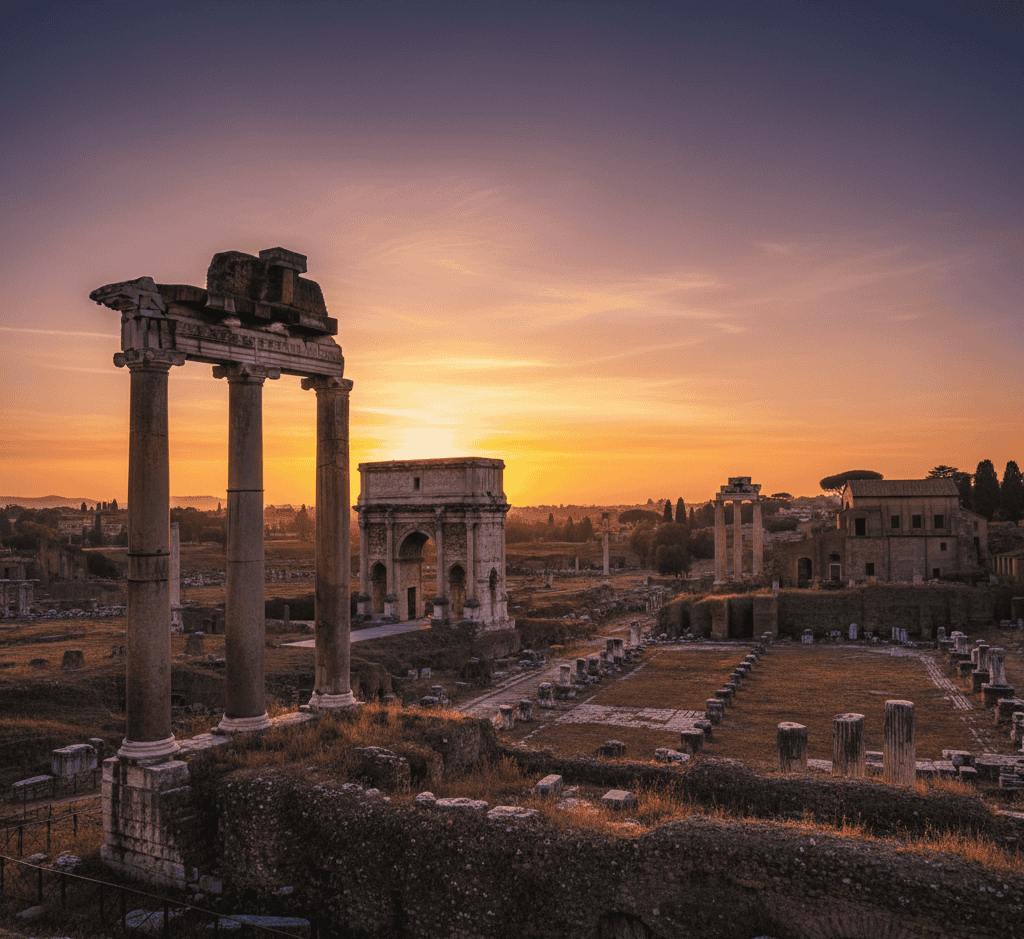
The legacy of Ancient Rome is not only in ruins and artifacts but also in language and culture.
Latin, the language of Rome, became the foundation of the Romance languages and influenced legal, scientific, and religious vocabulary.
Roman ideas about government, citizenship, engineering, and art continue to shape modern societies.
Festivals, architecture, literature, and political systems all carry echoes of Roman civilization.
Understanding Rome helps us appreciate how human innovation, culture, and governance can leave a lasting impact for thousands of years. The civilization may be ancient, but its influence remains alive today.

Siempre sentí una fuerte conexión con lo Divino desde mi nacimiento. Como autora y mentora, mi misión es ayudar a los demás a encontrar el amor, la felicidad y la fuerza interior en los momentos más oscuros.