
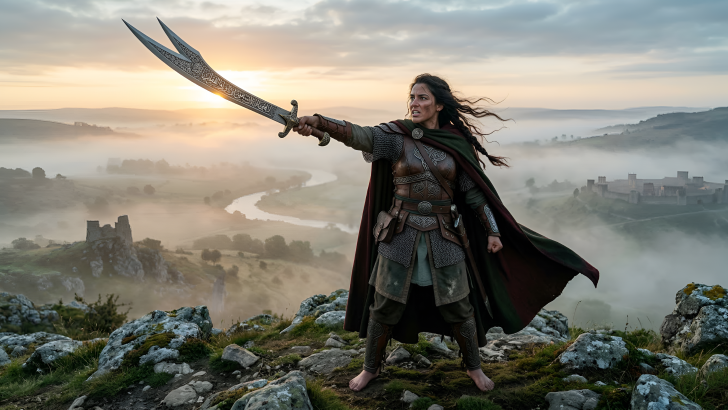
Swords have always captured the imagination of humans. Across history and mythology, these weapons were more than tools of war—they symbolized power, honor, and destiny.
Some swords were said to possess magical powers, while others belonged to real warriors whose deeds shaped history.
From kings to legendary heroes, swords often defined the reputation and courage of their owners.
Stories about these weapons include battles, quests, and mystical abilities that go beyond simple steel.
Many cultures have tales of swords that bring victory, protect their wielders, or carry divine judgment.
Even today, these legendary swords continue to inspire books, movies, and games. Here are ten of the most famous and fascinating swords from mythology and history.
1. Excalibur
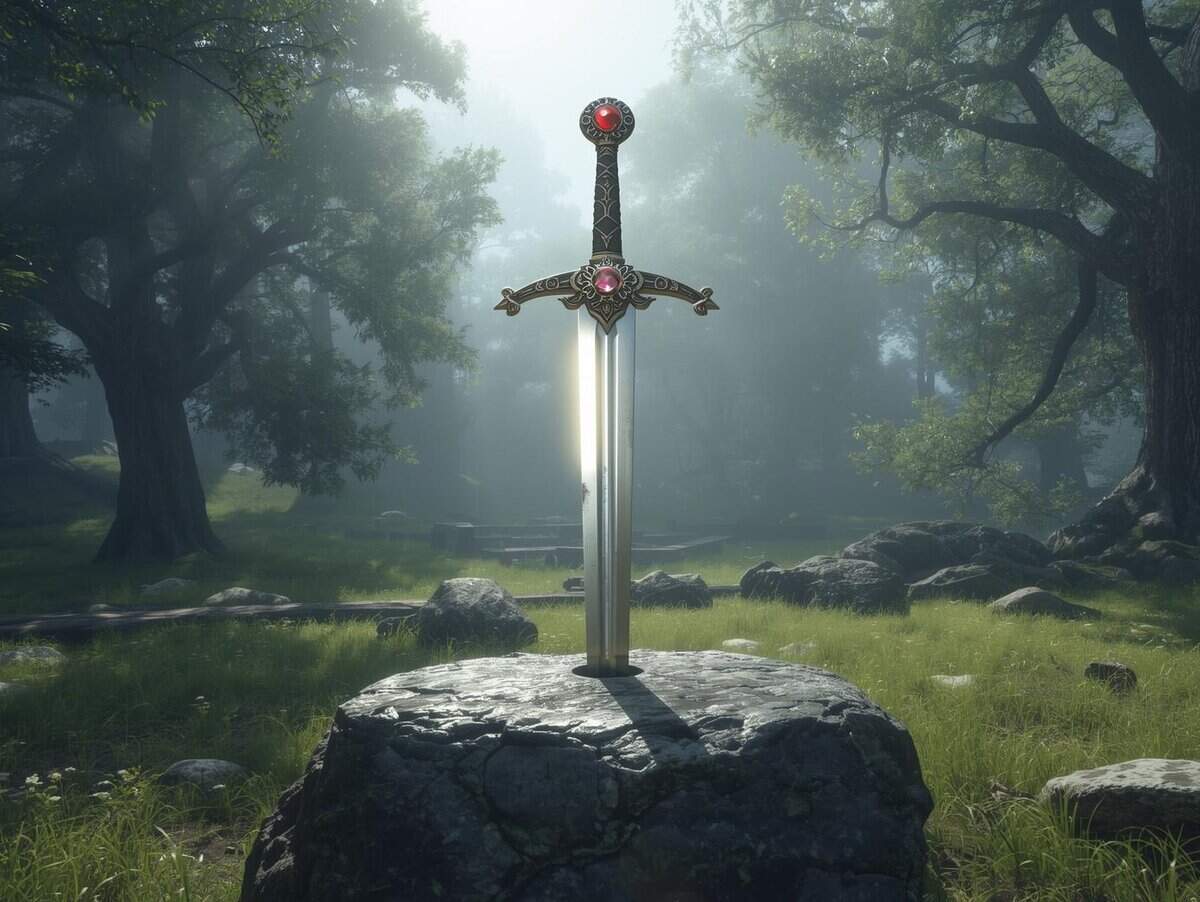
Excalibur is perhaps the most famous sword in Western mythology. It is known as the legendary sword of King Arthur of Britain.
According to the stories, the sword was given to Arthur by the Lady of the Lake and symbolized his right to rule.
Some versions of the legend say that Excalibur had magical powers, making its wielder nearly invincible in battle.
The sword also represented justice, honor, and leadership, and losing it could mean losing legitimacy as king.
Over the centuries, Excalibur has been described in literature, films, and art, often depicted with a shining blade and a jeweled hilt.
Its magical qualities, connection to Arthur, and association with destiny make Excalibur a timeless symbol of heroism and legendary power.
2. Kusanagi-no-Tsurugi
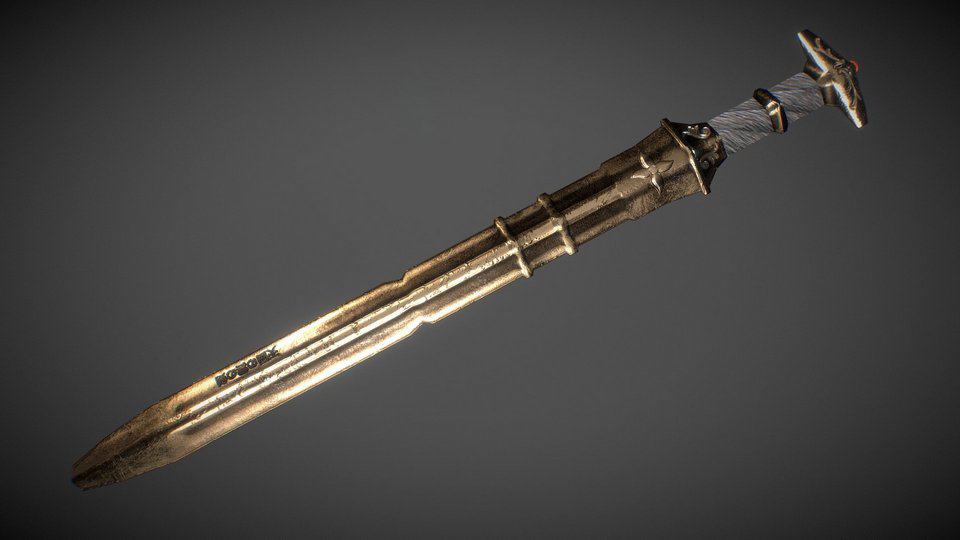
Kusanagi-no-Tsurugi is one of Japan’s most famous mythical swords. According to legend, it was discovered inside the body of a giant serpent slain by the storm god Susanoo.
This sword became one of Japan’s three imperial regalia, symbolizing valor and authority. Kusanagi is said to have supernatural powers, including the ability to control wind.
In some stories, the sword was used by heroes to defeat enemies or perform miraculous feats. It represents not only physical strength but also spiritual power and leadership.
Its historical and mythical importance has made Kusanagi a symbol of the Japanese monarchy and culture.
The combination of divine origin, magical abilities, and imperial significance makes it one of the most legendary swords in the world.
3. Joyeuse
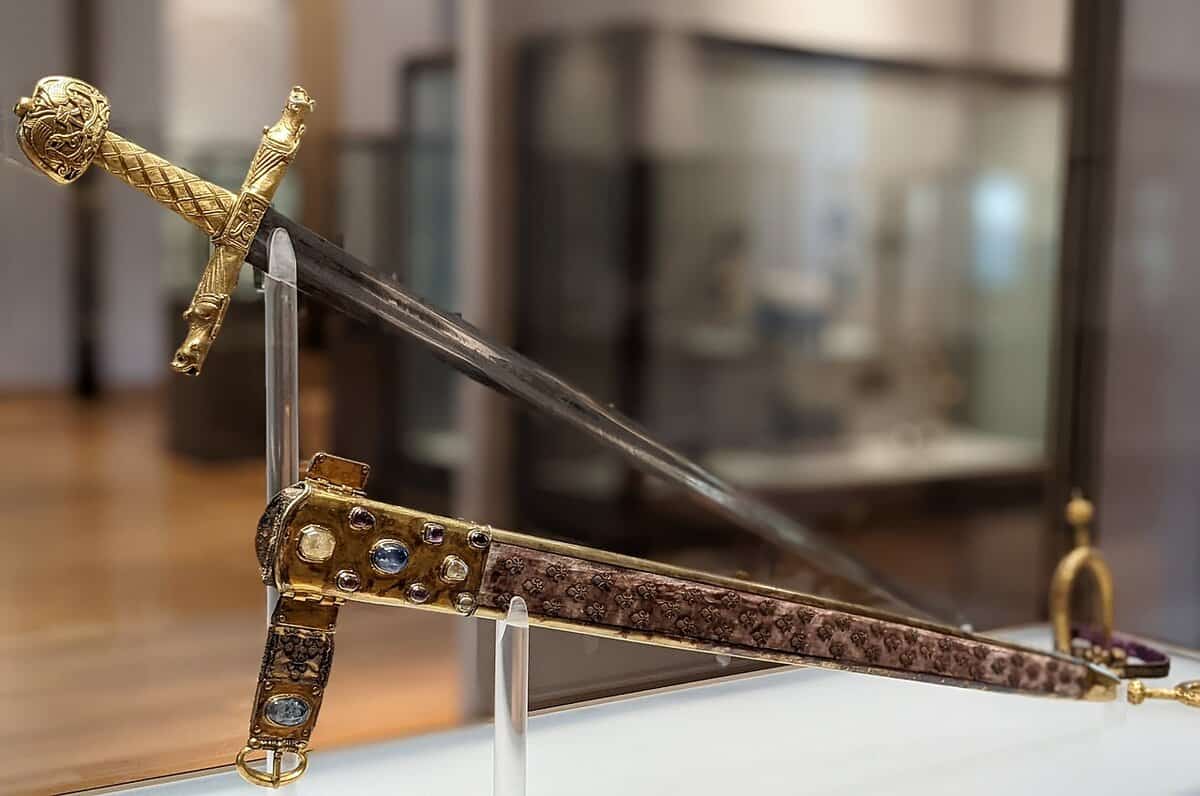
Joyeuse was the sword of Charlemagne, the famous medieval emperor who united much of Western Europe.
The sword is said to have been imbued with magical properties, including glowing in times of danger.
According to tradition, it represented Charlemagne’s authority and divine right to rule.
Joyeuse was also associated with numerous legends about battlefield heroism and miraculous victories. Today, a sword identified as Joyeuse is displayed in the Louvre Museum in Paris.
Whether or not the sword in the museum is the original, the stories of its power and connection to Charlemagne have kept its legend alive for centuries.
It is remembered as a symbol of leadership, courage, and the enduring magic of medieval legend.
4. Durandal
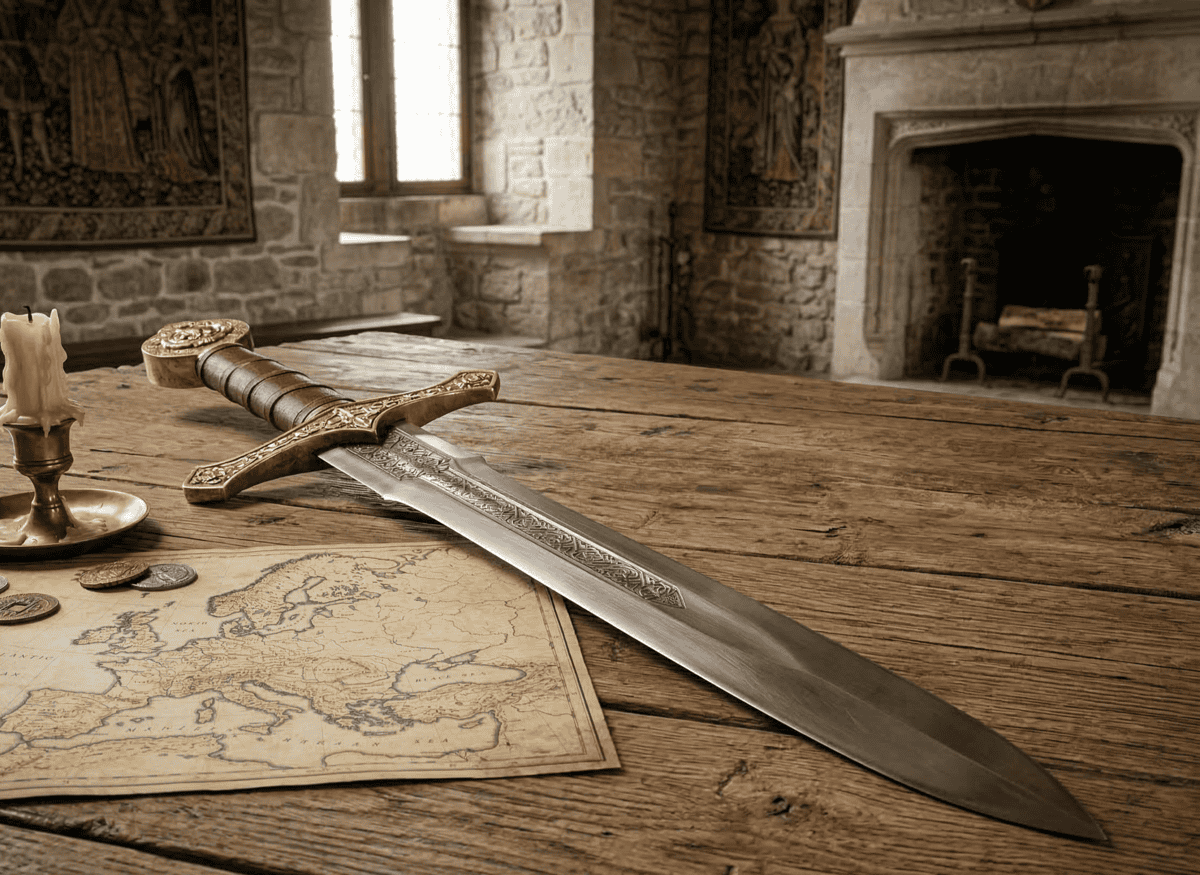
Durandal is the legendary sword of Roland, a knight in the service of Charlemagne.
According to the epic poem “The Song of Roland,” the sword was nearly indestructible and contained holy relics in its hilt, including a tooth of Saint Peter and a piece of the Virgin Mary’s robe.
Roland used Durandal to fight bravely against overwhelming enemies. The sword was so powerful that Roland tried to destroy it before he died to prevent it from falling into enemy hands, but it could not be broken.
Durandal symbolizes courage, devotion, and the connection between the divine and the mortal world.
Its legendary strength and holy association make it one of the most remarkable swords in European mythology.
5. Tyrfing
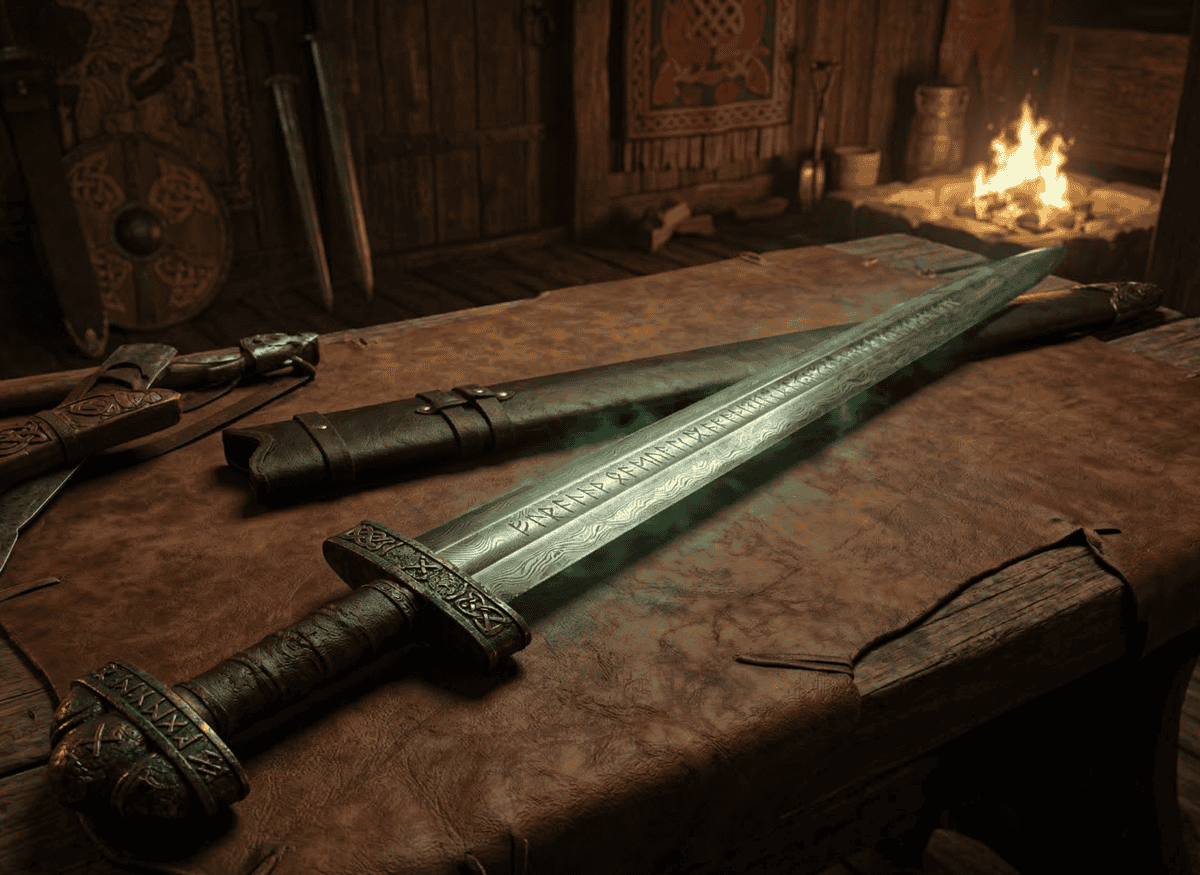
Tyrfing is a cursed sword from Norse mythology. It was created by dwarves and is said to be extraordinarily sharp and powerful.
However, it carried a curse: it would kill a man every time it was drawn and bring misfortune to its owner.
Tyrfing appears in several Norse sagas and was wielded by kings and warriors, often leading to tragic consequences.
The curse and magical qualities of Tyrfing make it a symbol of both power and danger.
While it could grant victory in battle, it also brought death and suffering, reflecting the dual nature of magic in Norse stories.
Tyrfing remains one of the most famous legendary swords in Scandinavian mythology.
6. Shamshir-e Zomorrodnegar
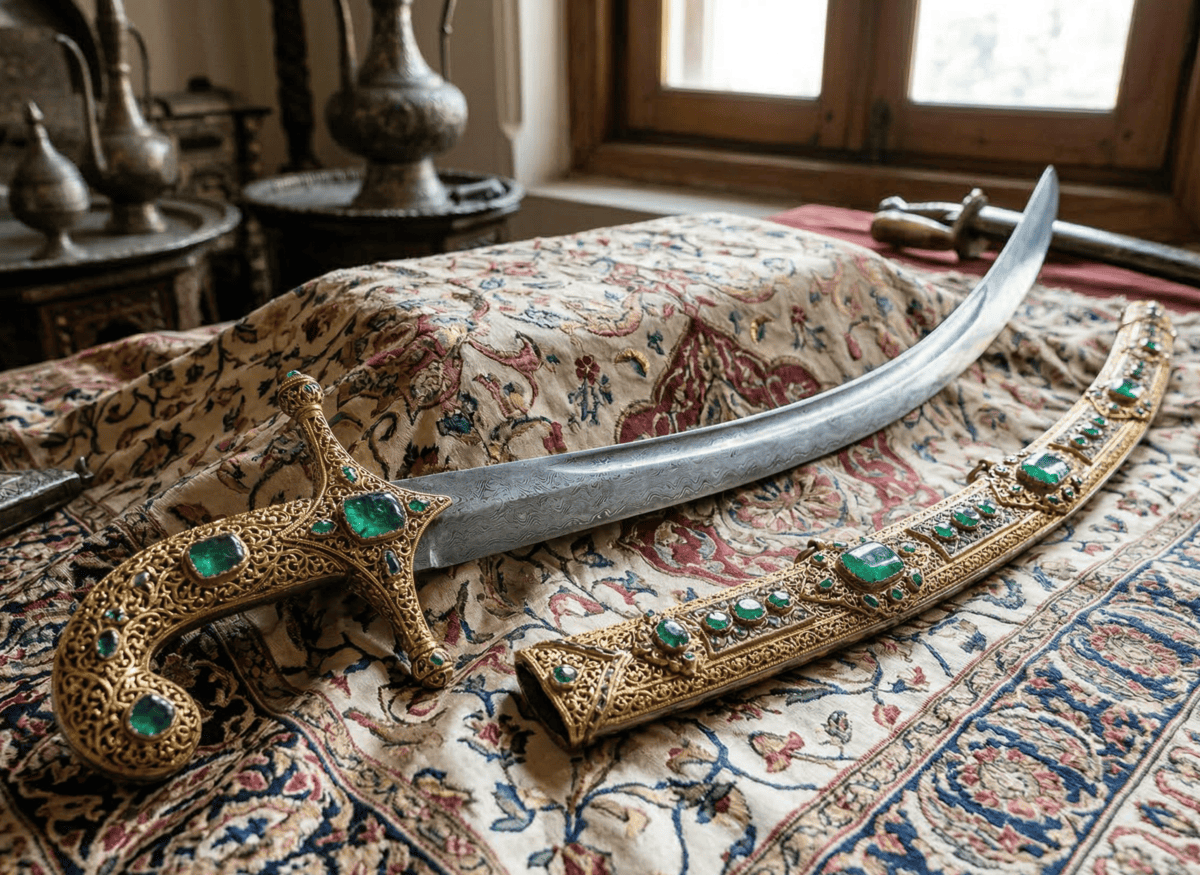
Shamshir-e Zomorrodnegar is a mythical sword from Persian legends, often associated with the hero Rostam.
The sword is said to be incredibly sharp, strong, and capable of cutting through almost anything. Some stories claim it is made with enchanted emeralds that give it magical powers.
Rostam used the sword in battles against demons and rival warriors, making it a symbol of courage and heroism.
Its mystical origins and extraordinary abilities elevate it beyond ordinary weapons.
Shamshir-e Zomorrodnegar represents strength, bravery, and the magical traditions of Persian mythology, inspiring countless stories of heroic feats and legendary battles.
7. Caladbolg
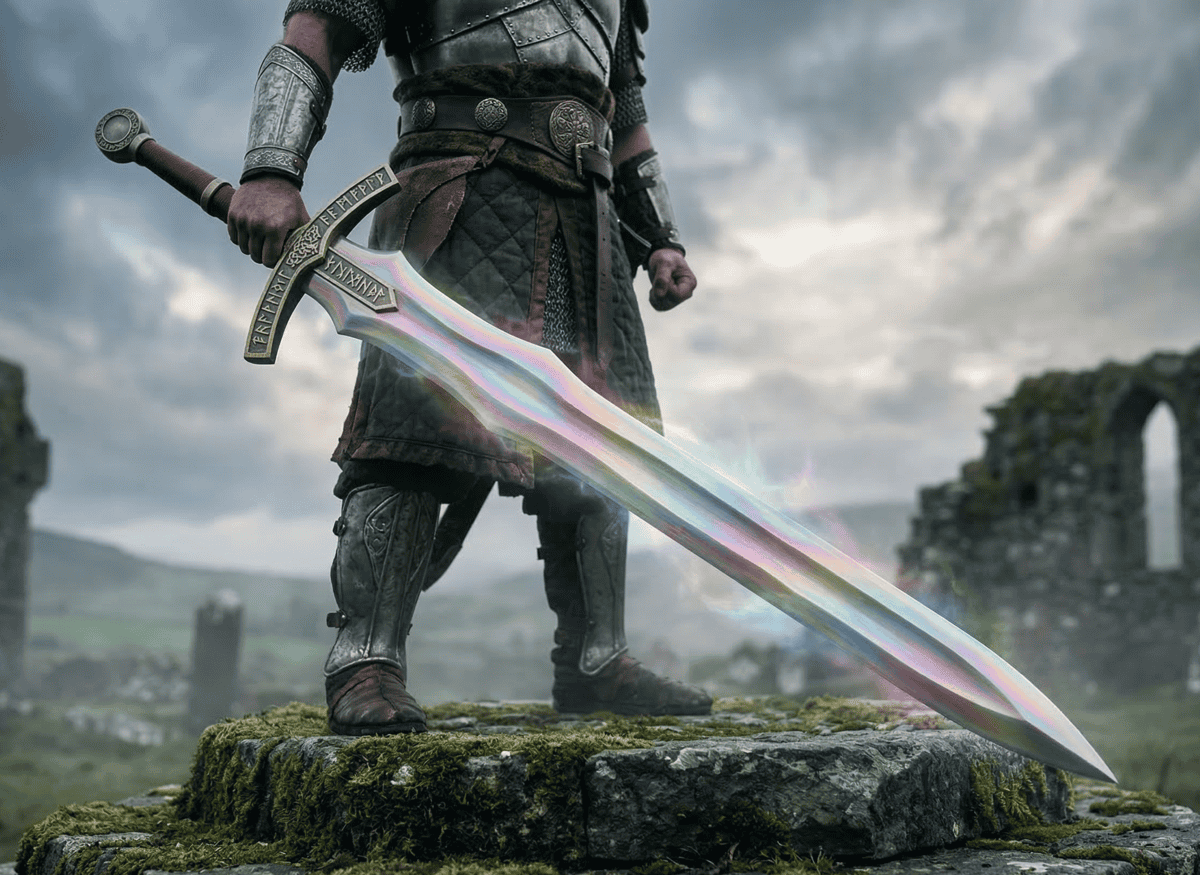
Caladbolg is a mythical sword from Irish legend, associated with the hero Fergus mac Róich.
According to the stories, the sword could strike powerful blows capable of cutting through entire armies.
Some accounts say it could produce magical arcs of energy or split the air when swung. Caladbolg was a symbol of authority and strength, and possessing it demonstrated the hero’s courage and leadership.
The sword appears in the Ulster Cycle, a set of Irish myths featuring warriors, kings, and magical beings.
Its combination of mystical power and legendary history makes Caladbolg one of the most intriguing swords from Celtic mythology.
8. Hrunting
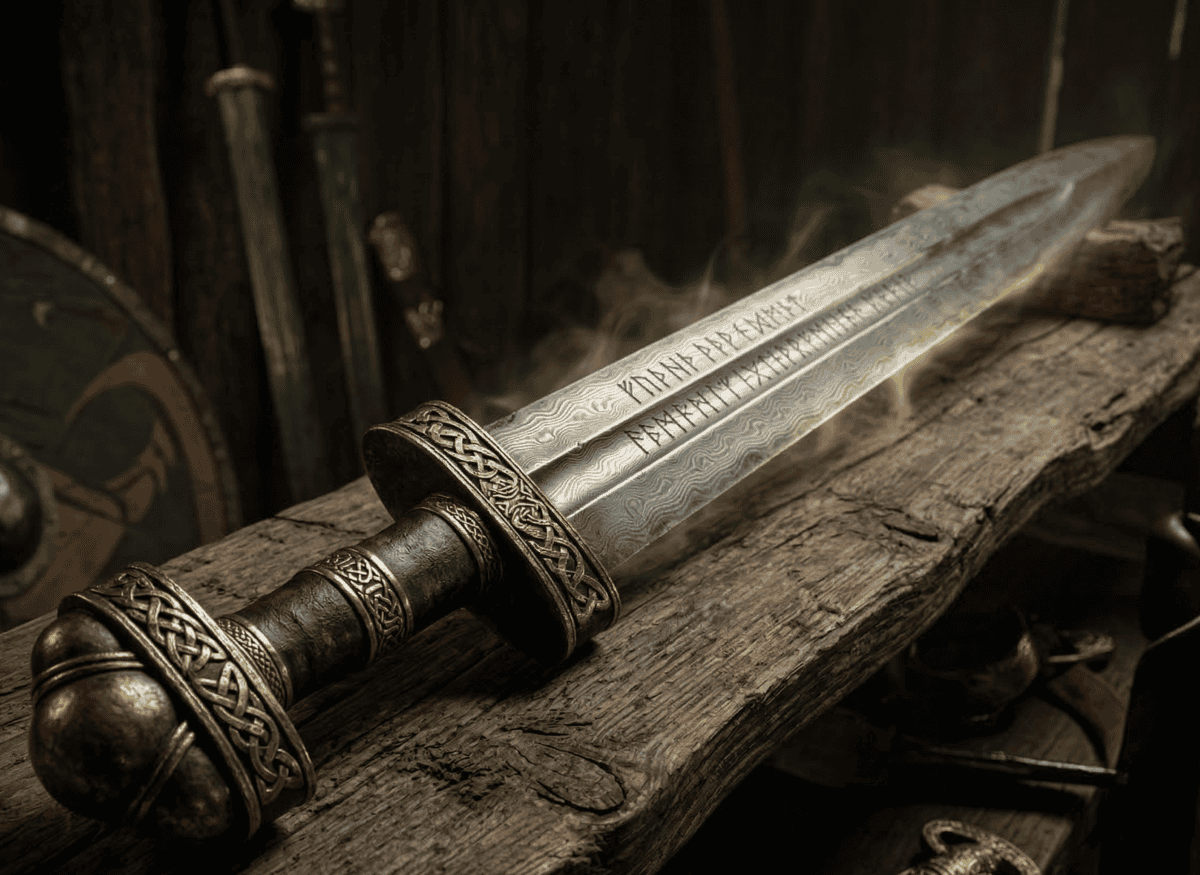
Hrunting is the sword given to Beowulf in the famous Old English epic. It was said to have been tested in battle many times and never failed to harm enemies.
Beowulf used Hrunting in his fight against Grendel’s mother, although the sword initially failed him in that battle.
The weapon is important not just for its power but for its connection to loyalty, trust, and heroic tradition. It represents the values of courage and honor in early medieval storytelling.
Hrunting remains an iconic sword because it embodies both the strength of the hero and the mystical qualities often associated with legendary weapons.
9. Gram
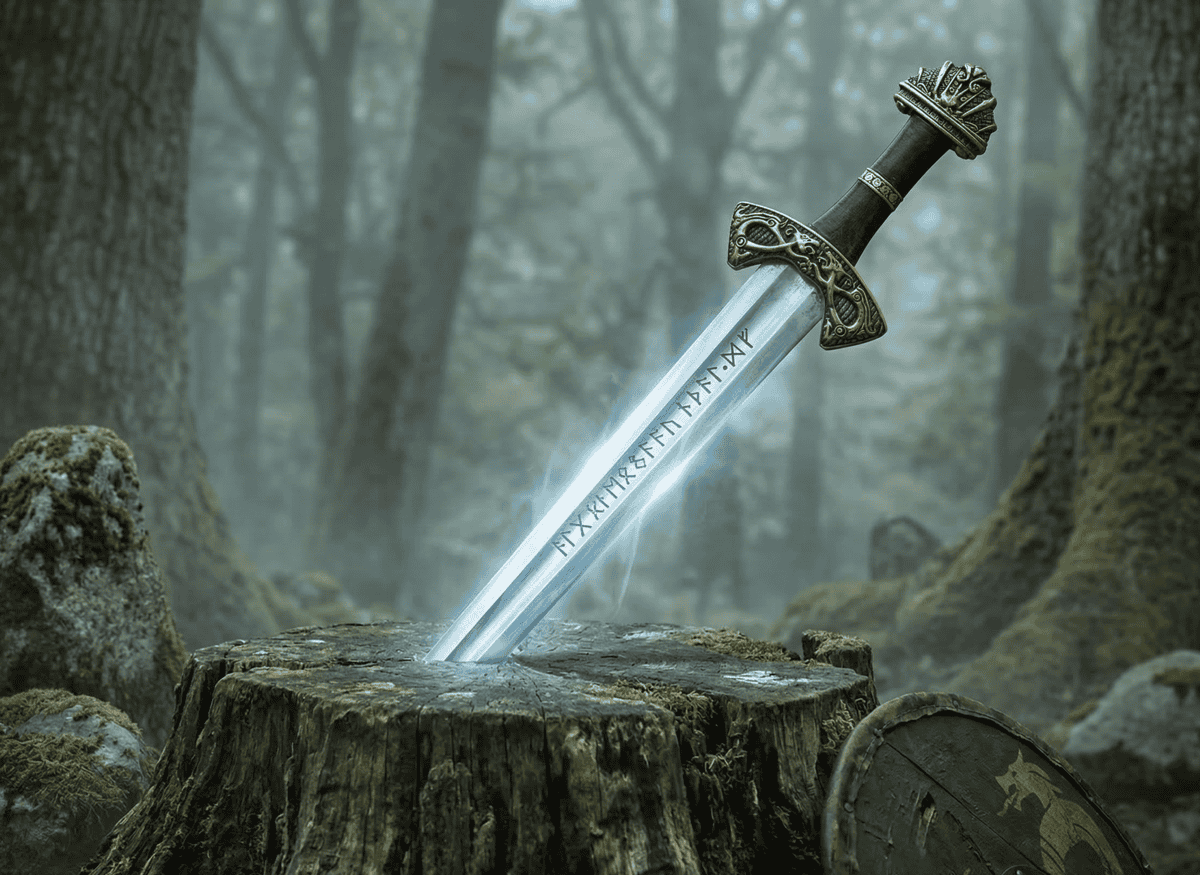
Gram is the sword wielded by the hero Sigurd in Norse mythology. It was originally the sword of Sigurd’s father, and it was reforged to become even stronger.
Gram was used by Sigurd to slay the dragon Fafnir, a powerful creature guarding a treasure. The sword is associated with destiny, strength, and heroic achievement.
In the legends, Gram was not only a weapon but also a symbol of the hero’s fate and courage.
Its magical and historical connections have made Gram one of the most famous swords in Norse mythology, celebrated for both its deadly power and legendary significance.
10. Zulfiqar
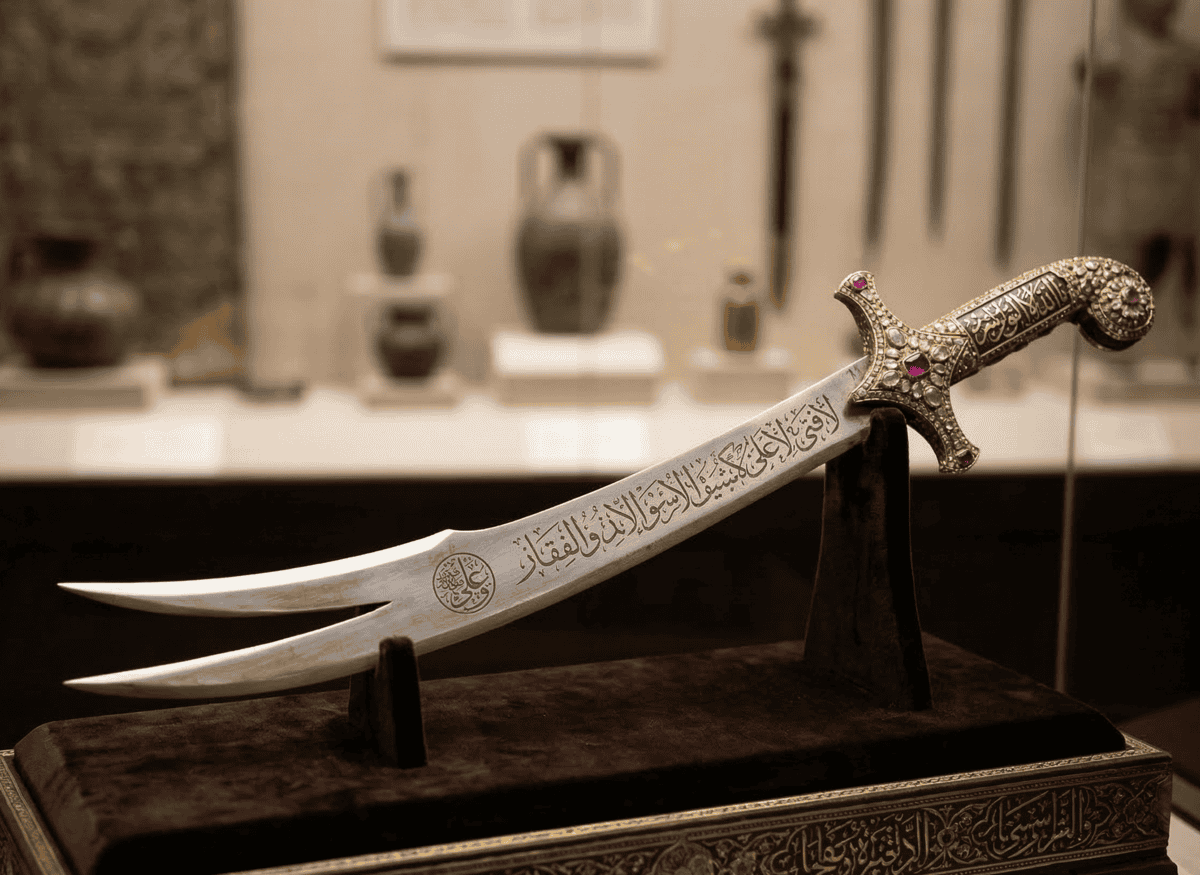
Zulfiqar is a legendary sword in Islamic history and tradition, most famously associated with Ali ibn Abi Talib, the cousin and son-in-law of Prophet Muhammad.
The sword is described as having a split or double-edged blade and is believed to possess extraordinary power in battle.
It became a symbol of justice, courage, and faith. Many Islamic texts and historical accounts recount how Ali wielded Zulfiqar in critical battles, protecting his people and defeating enemies.
Over time, the sword has taken on symbolic meaning, representing the fight for truth and righteousness.
Its historical and spiritual significance make Zulfiqar one of the most remarkable swords in history and legend.

Siempre sentí una fuerte conexión con lo Divino desde mi nacimiento. Como autora y mentora, mi misión es ayudar a los demás a encontrar el amor, la felicidad y la fuerza interior en los momentos más oscuros.