
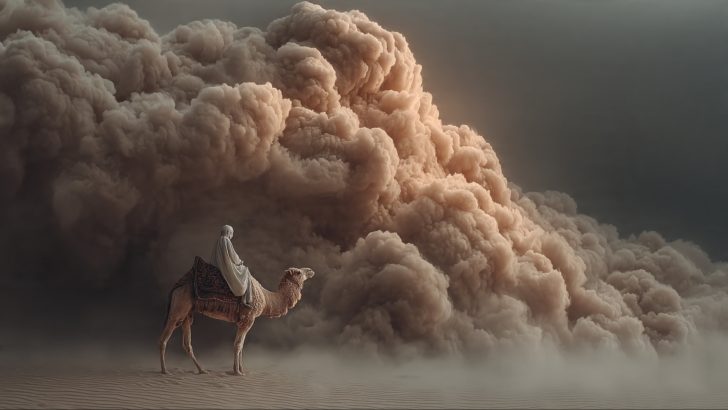
Religion has always been deeply tied to the environment where it was born.
The land, climate, and geology shape how people see the world, and also how they worship.
The three great monotheistic faiths – Judaism, Christianity, and Islam – all have roots in harsh desert landscapes, and this influences their core ideas.
Unlike the abundant environments of other ancient cultures, desert landscapes are stark, dualistic, unforgiving.
This environment molds the very nature of these divine concepts.
We’re going to explore this connection in depth and compare it to other religious traditions, like European paganism.
1. The Dual Nature of the Desert
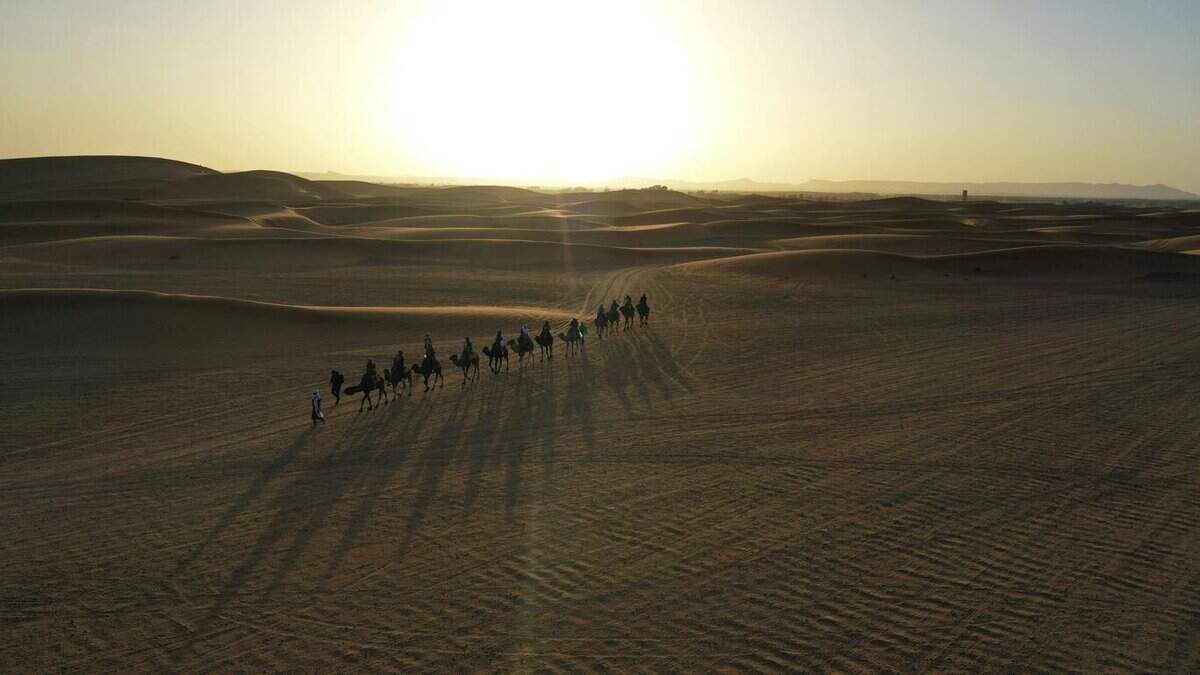
The desert is a place of extreme contrasts – blistering days and freezing nights, life and death always in close proximity.
This environment teaches that survival is a constant struggle, with no middle ground.
The desert doesn’t offer abundance or ambiguity; it’s either scorching or freezing, barren or life-giving when water appears.
These conditions foster a worldview where morality and existence are sharply divided. Good and evil are clearly defined.
This duality seeps into the religions that originate in the desert. Each one promotes a universal moral code, absolute good, and evil.
In this setting, divine authority is necessary to impose order on chaos, which is why monotheistic religions emphasize a singular, all-powerful God who controls the universe.
2. The Influence of Scarcity
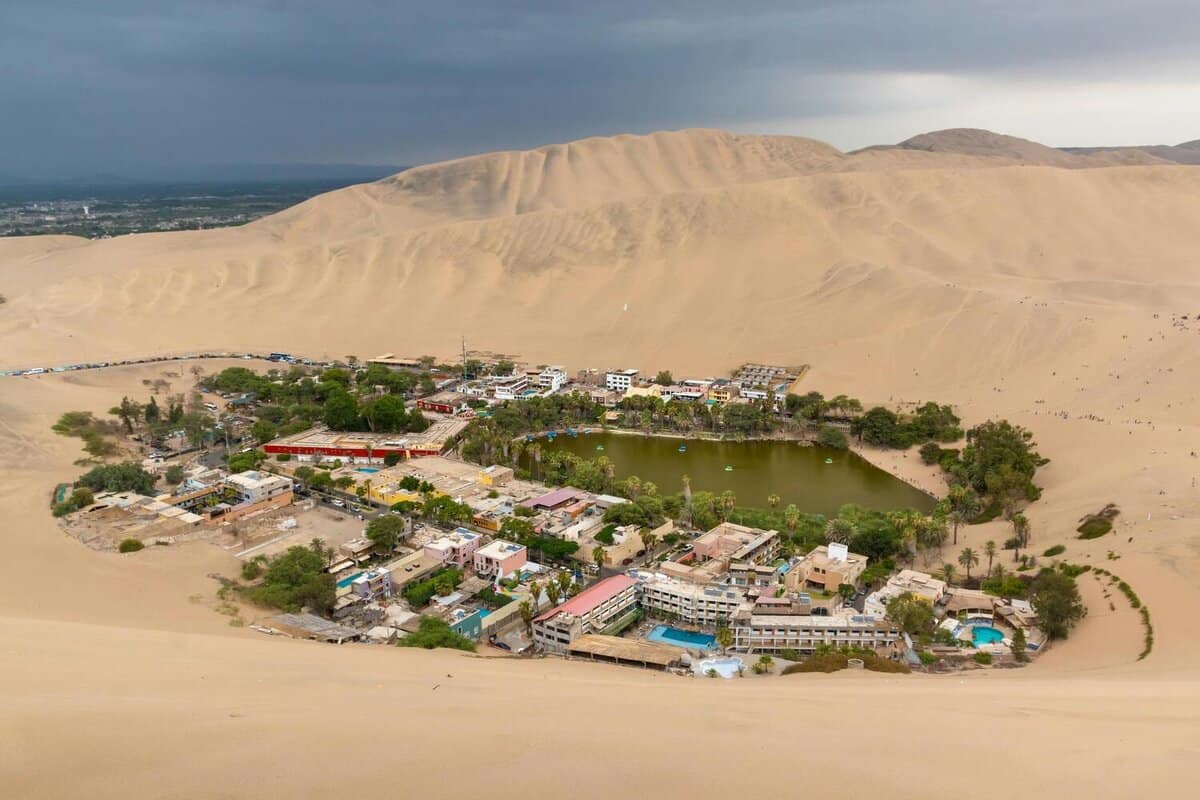
Living in a desert environment means facing scarcity every day. This breeds dependency on divine intervention for survival.
Monotheistic religions reflect this by emphasizing God’s role as the ultimate provider and protector.
In these religions, salvation hinges on divine grace and obedience, as these are necessary to navigate the harsh environment.
The desert’s unforgiving nature makes worshippers very aware of their vulnerability, which is why they need a single, omnipotent deity who controls salvation.
This contrasts sharply with civilizations in lush lands, where survival was easier, and gods were more human-like.
3. The Moral Rigidity
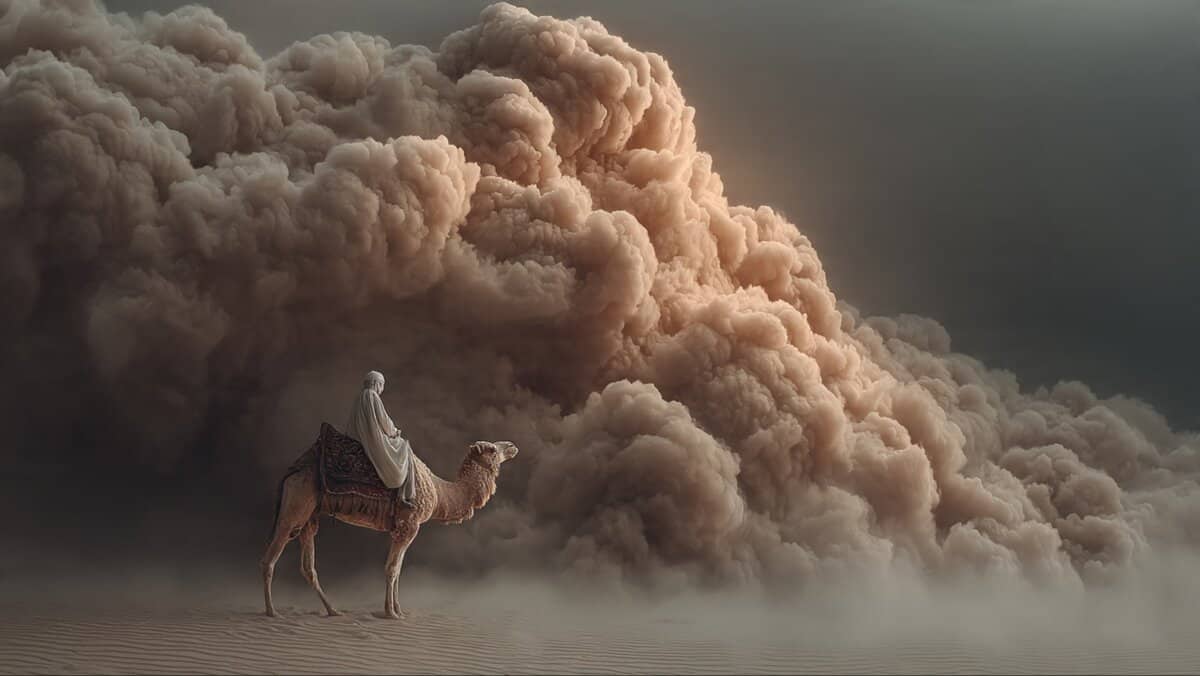
The desert’s stark climate encourages moral rigidity. There’s very little room for ambiguity; things are either right or wrong, pure or impure.
This is reflected in the commandments and laws that define monotheistic religions.
The environment teaches that the order must come from a higher power, as chaos is often just around the corner.
The constant threat of death from dehydration, starvation, or hostile outsiders reinforces the importance of obedience and moral discipline.
These faiths often adhere to strict laws, mirroring the desert’s unforgiving nature.
The moral duality is a mirror of the physical world – the desert’s harshness demands clarity and decisiveness.
4. The Concept of the Supreme God
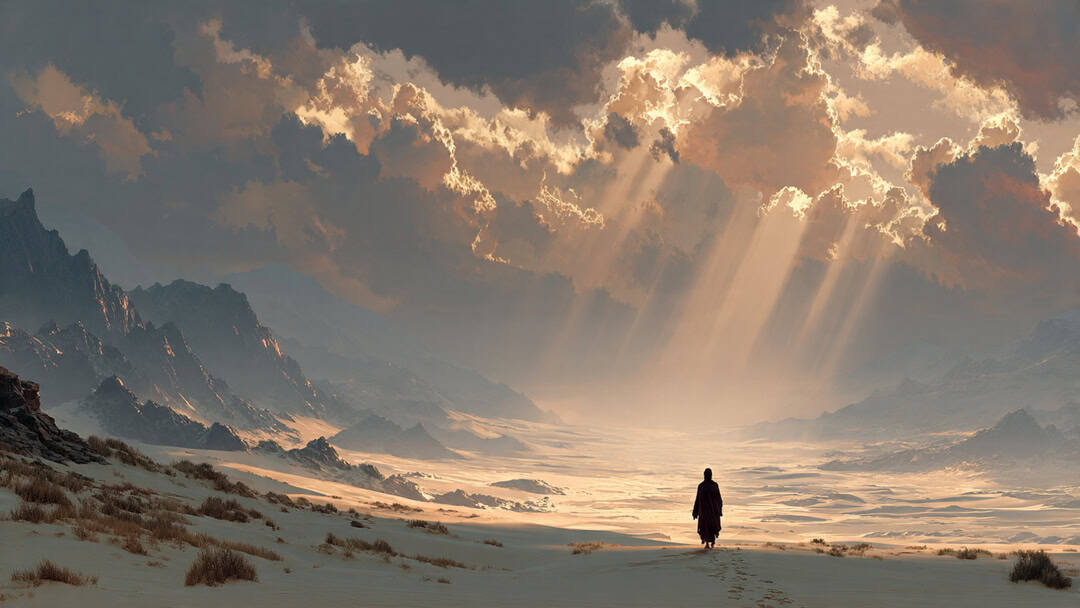
In desert-based religions, the divine is often viewed as the ultimate authority.
The environment’s relentless extremes foster a belief in a single, all-powerful God who controls everything.
In Islam, Allah is the creator of the universe, controlling the day and night, rain and drought.
In Judaism and Christianity, God’s will is expressed through commandments and divine law, which provide much-needed structure.
The desert environment makes it easier to separate God from nature and instead see Him as the one who rules over it.
This contrasts with polytheistic cultures, where gods often embody natural forces, making them more ambiguous and layered.
5. European Paganism and Abundant Lands
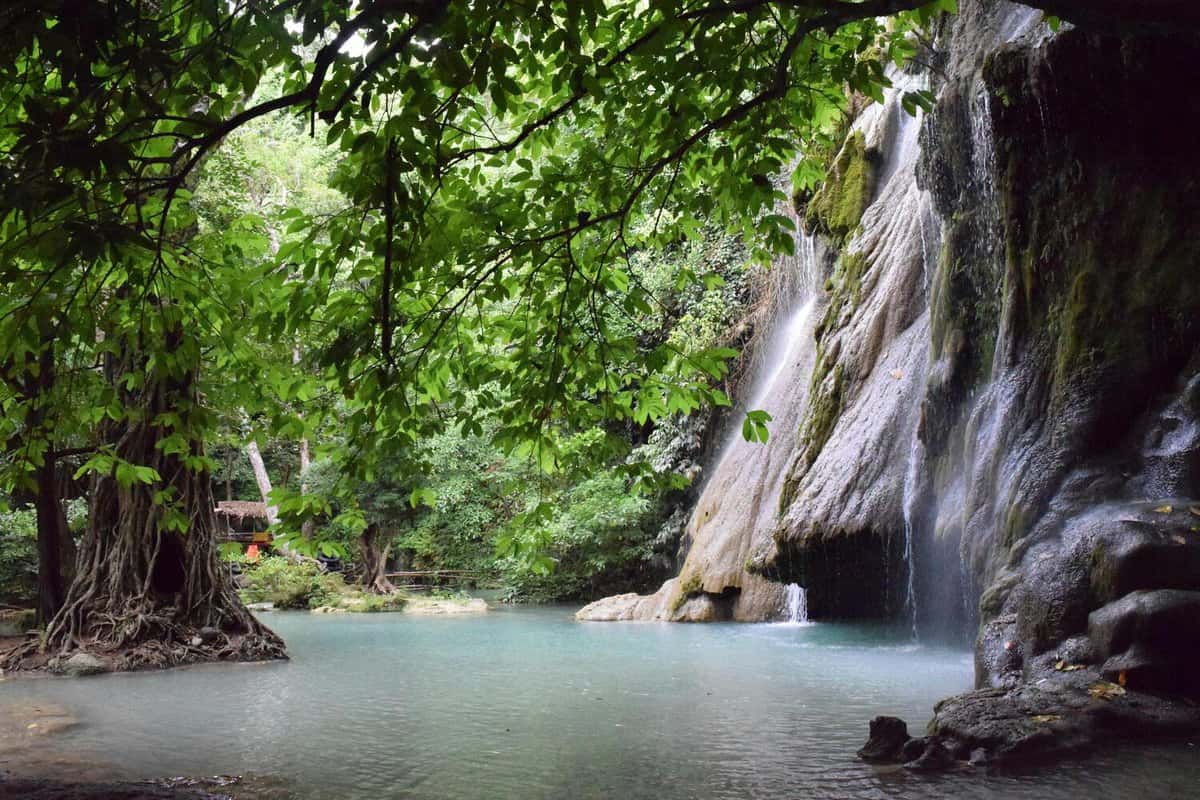
European paganism – much like many others – developed in lush and fertile environments, filled with forests and rivers.
These landscapes fostered a very different worldview; one of abundance, ambiguity, and layered deities.
Gods and spirits in pagan religions often have flaws and complex relationships.
Nature is full of life and spirits, and survival was easier because food, water, and shelter were more available.
This environment encouraged a more relaxed attitude toward the divine, where gods were less strict and more relatable.
Just like nature with its multitude of colors and cycles, morality wasn’t black and white but filled with nuance.
The environment’s richness allowed for a less fear-driven approach to religion.
6. How Nature Shapes Religion
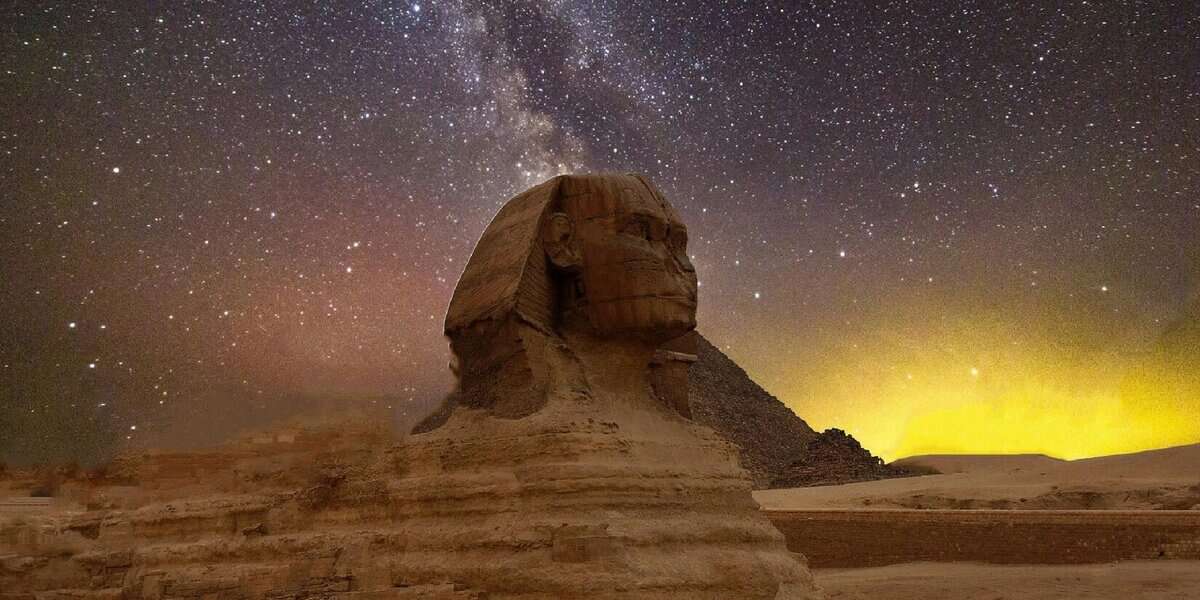
In lush environments, nature wasn’t seen as an enemy but as a divine companion – something to be revered but also interacted with casually.
Most pagan religions worshipped gods associated with trees, rivers, and animals, each with their own flaws and stories.
Survival depended on understanding and working with nature, not commanding it.
Nature’s abundance meant gods could be fickle or flawed, and worship often involved appeasing spirits rather than obeying strict commandments.
In contrast, desert environments forced people to see nature as an adversary, something people must conquer or submit to.
7. Seriousness and Extremism
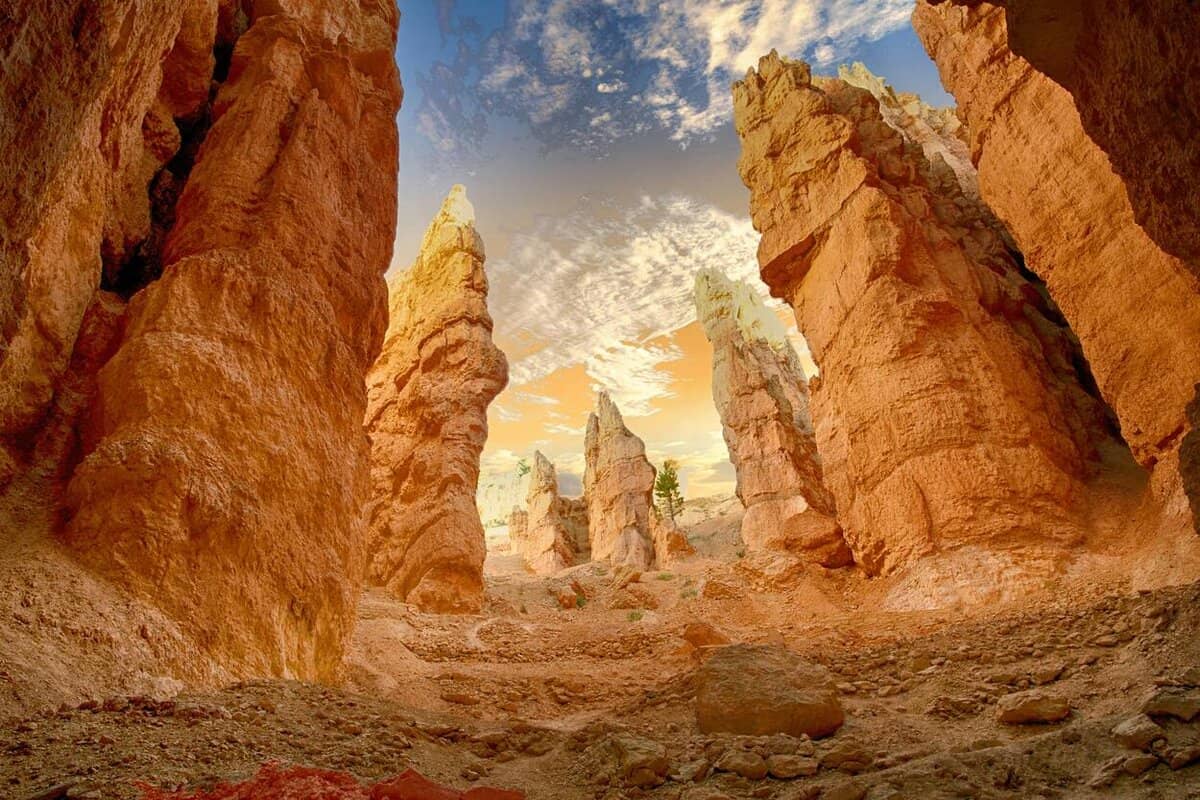
Because of the desert’s polarized environment, monotheistic faiths often develop a serious, intense attitude.
The clear duality of good versus evil, salvation versus damnation, fosters a sense of urgency and moral seriousness.
Believers see their faith as a direct response to the environment’s harshness, requiring obedience and devotion.
This can lead to extremism, as the stakes are high and the environment leaves little room for doubt.
The environment’s starkness becomes a spiritual metaphor, reinforcing the idea of divine justice and the necessity of unwavering faith.
8. The Cultural Legacy
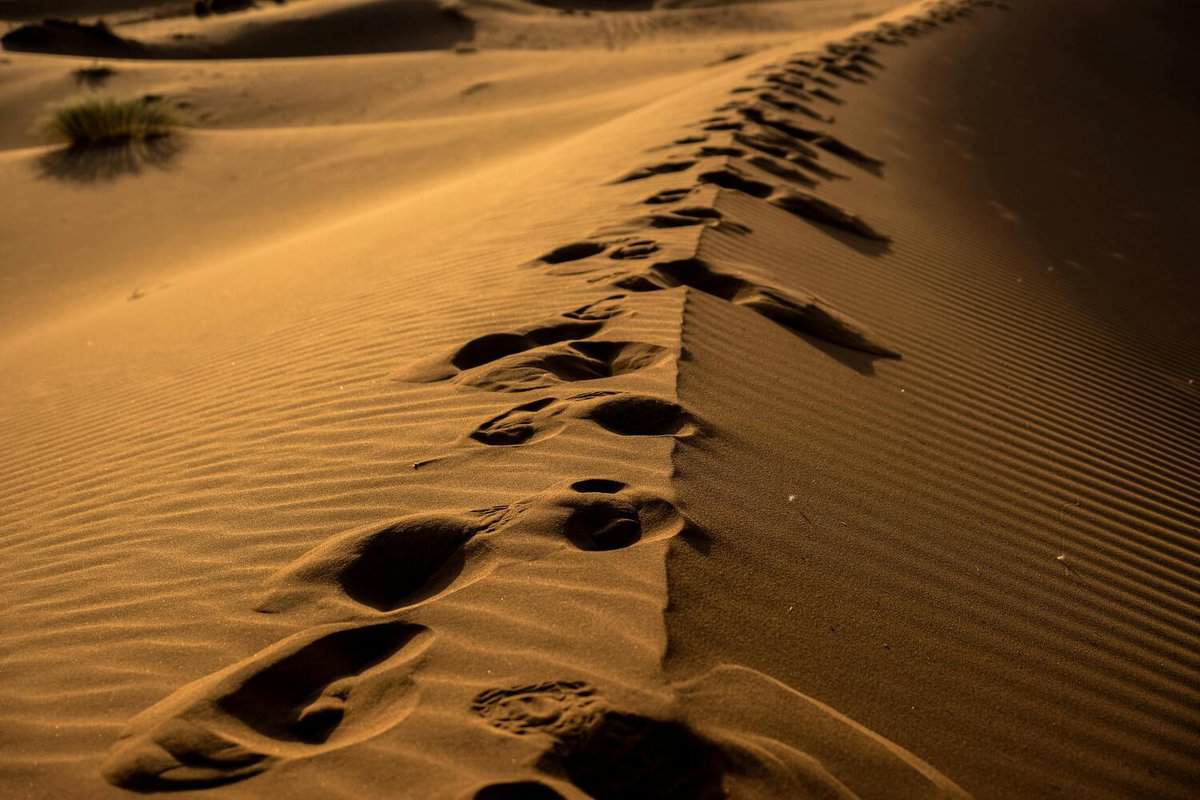
The desert’s influence on monotheistic religions extends beyond theology; it also shapes cultures, laws, and social order.
The emphasis on discipline and moral clarity echoes the environment’s unforgiving nature.
The religions fostered a worldview where faith is a life-defining commitment, necessary for survival in a hostile world.
Meanwhile, pagan cultures often developed more lenient social and religious structures, reflecting their environment’s abundance.
The desert’s stark landscape left a lasting print on the way monotheistic faiths view morality and human purpose.
It’s a vivid reminder of the power the environment and climate have over our lives, worldview, and social structures.

A little Aquarius, devoted to writing and embroidery. Through my writing, I hope to empower readers to align with their true selves and navigate life’s mysteries with confidence.