
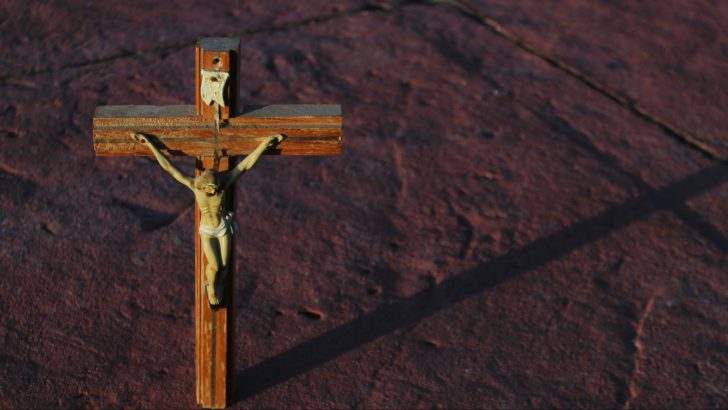
Catholicism has been around for centuries, and naturally, it’s changed and adapted over time. Modern sensibility and priorities are much different now compared to long ago.
While the mystic and the modern perspectives share the same core, the emphasis differs.
They dictate how believers see their purpose, struggle, and their journey toward God.
1. The Goal of a Christian Life
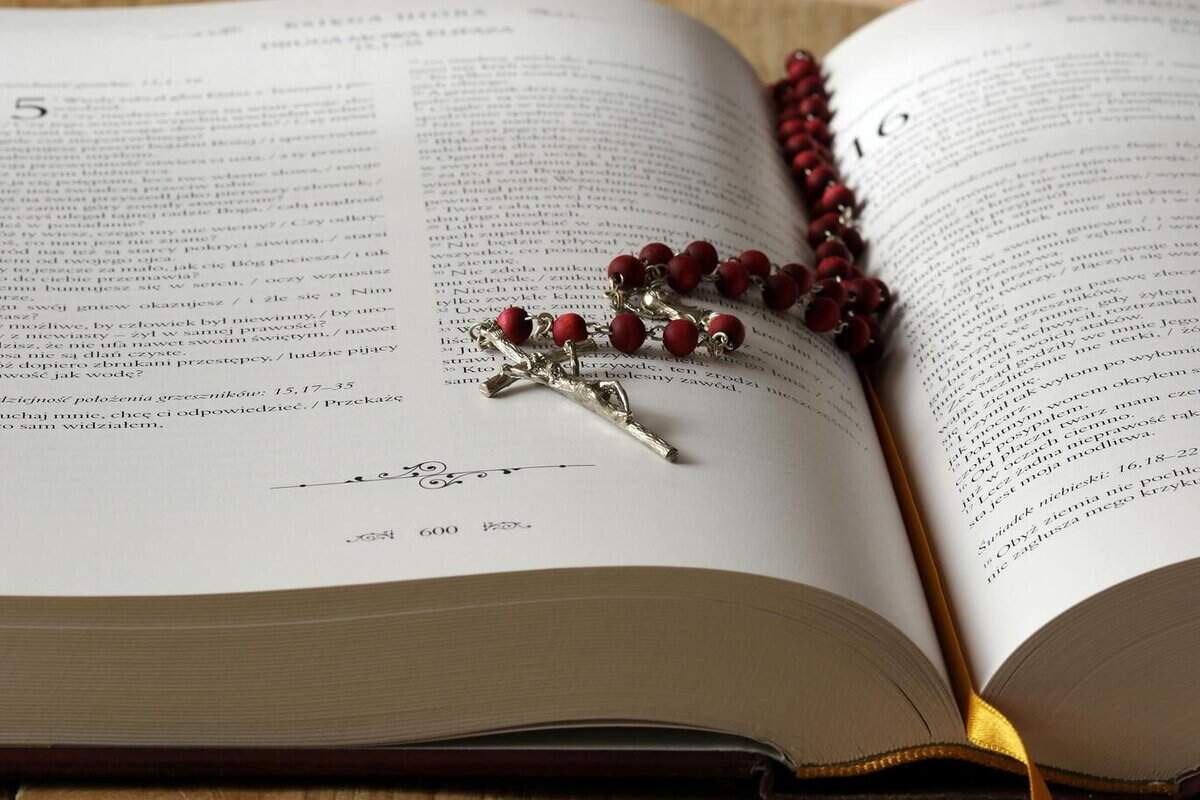
Modern Catholicism tends to focus on doing the correct things – believing the right doctrine and following the rules in order to gain God’s approval and enter heaven.
People are concerned with avoiding sin and staying within the lines.
The mystics, on the other hand, seek to be transformed through God’s love.
It’s really not about rules, but about being so filled with divine love that good deeds and acts of charity come as second nature.
The mystics aim to be unified with God, and for their actions to reflect that union.
Earning something is the point; truly being is.
2. Understanding Sin
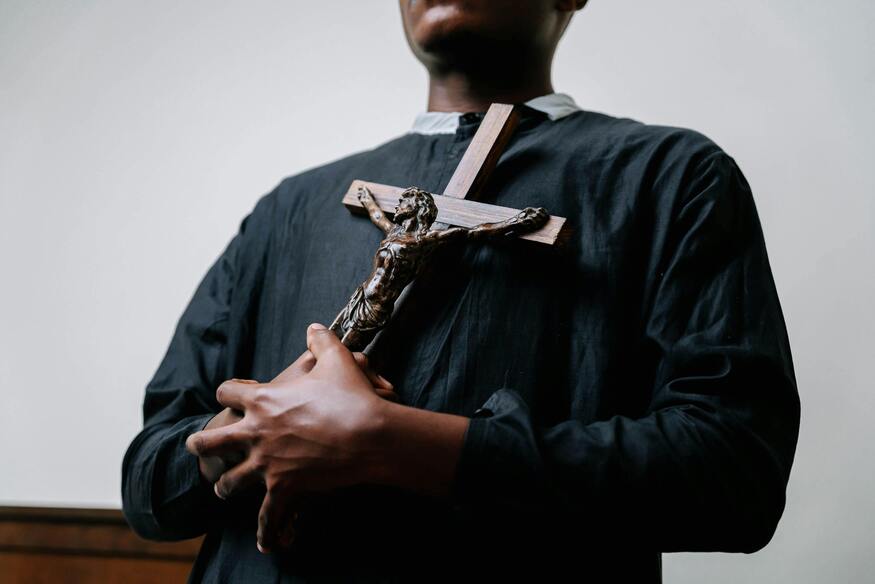
In modern Catholicism, sin is often viewed as a misdeed; something that makes God angry and calls for punishment.
Sin is a moral failure, and the solution is confession and trying harder to stay on the true path.
Mystic Catholicism, however, sees sin as willfully turning away from Christ – rejecting His love and presence.
So, by sinning, you’re not just breaking a rule, you’re severing su connection with God. For mystics, sin wounds love itself because it’s a rejection.
However, when one does commit a sin, they don’t sit in guilt and accept punishment; instead, they seek to heal and reconnect with the divine.
3. The Sacraments
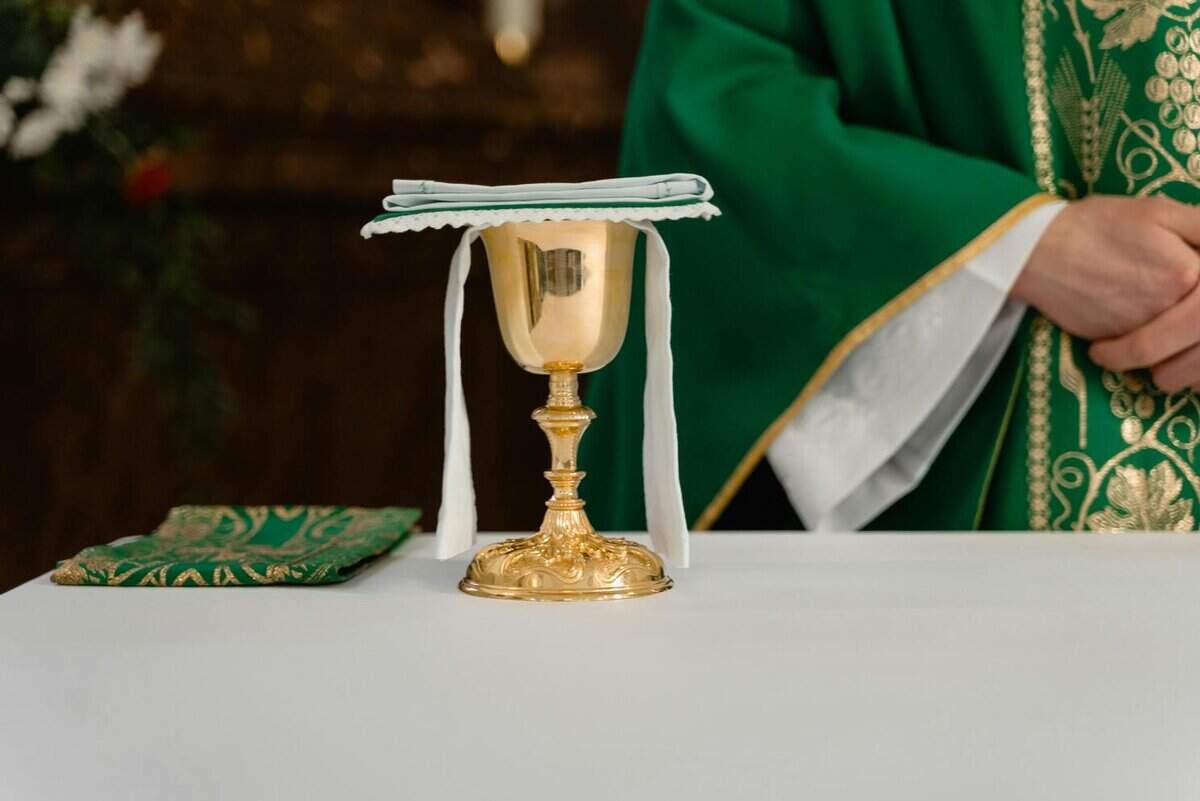
In modern Catholicism, sacraments are divine rituals – God’s gifts that help us stay in His grace.
Baptism, Eucharist, Confession, they’re all seen as necessary steps to keep our souls in order.
Mystics, however, see sacraments as real encounters with God. They’re the moments where heaven touches earth, leading to union and transformation.
Mystic Catholics view sacraments as a chance to experience Christ’s love directly and an opportunity to be changed.
The sacrament becomes a gateway to connection, and not just a symbolic act. It’s an actual encounter that sustains and deepens our faith.
4. How God Reveals Himself
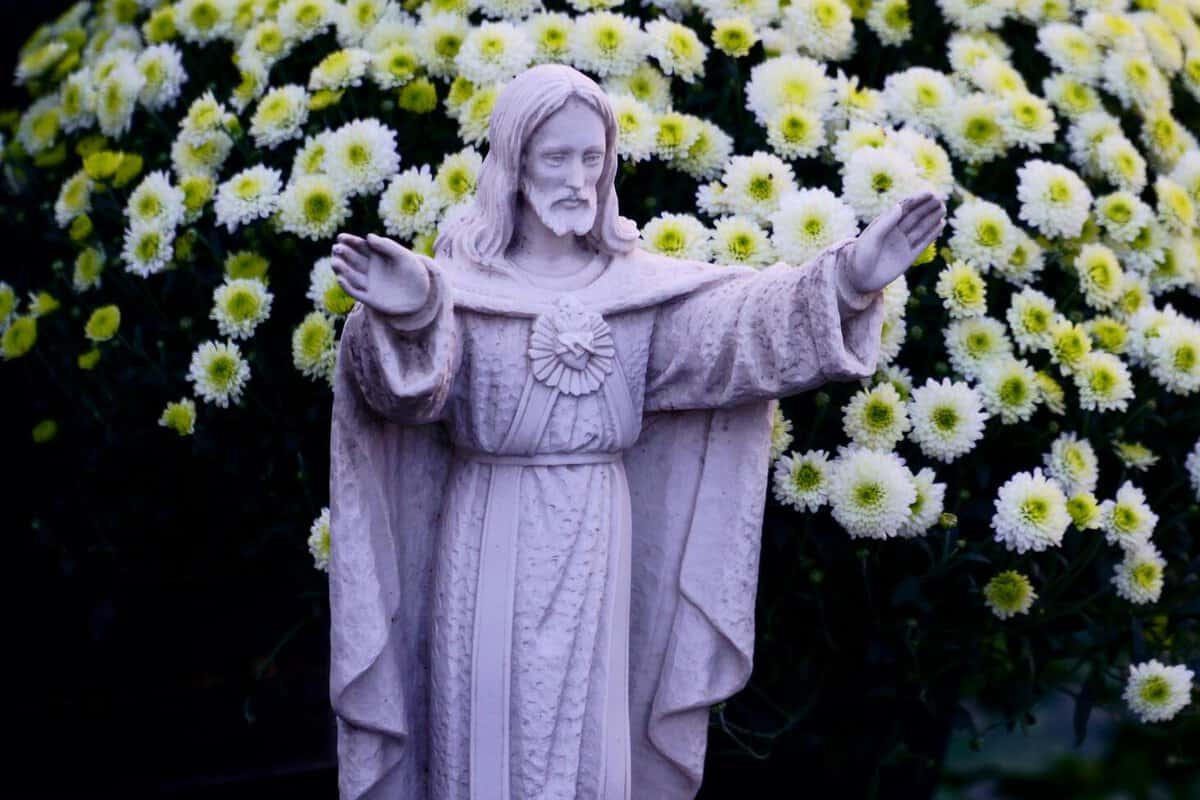
Modern Catholics seek to understand God through reading Scripture, theology, and through intellectual comprehension.
Devotion means pursuing conocimiento and gaining claridad about who God is.
Mystics emphasize that God reveals Himself through felt experience; His presence is felt before it’s understood.
Love has to come first, and then understanding follows.
Mystics often speak of hearing God’s voice or feeling His love in their hearts and bodies.
Their faith is more intimate than intellectual, whereas, for modern believers, it tends to be the opposite.
5. Prayer
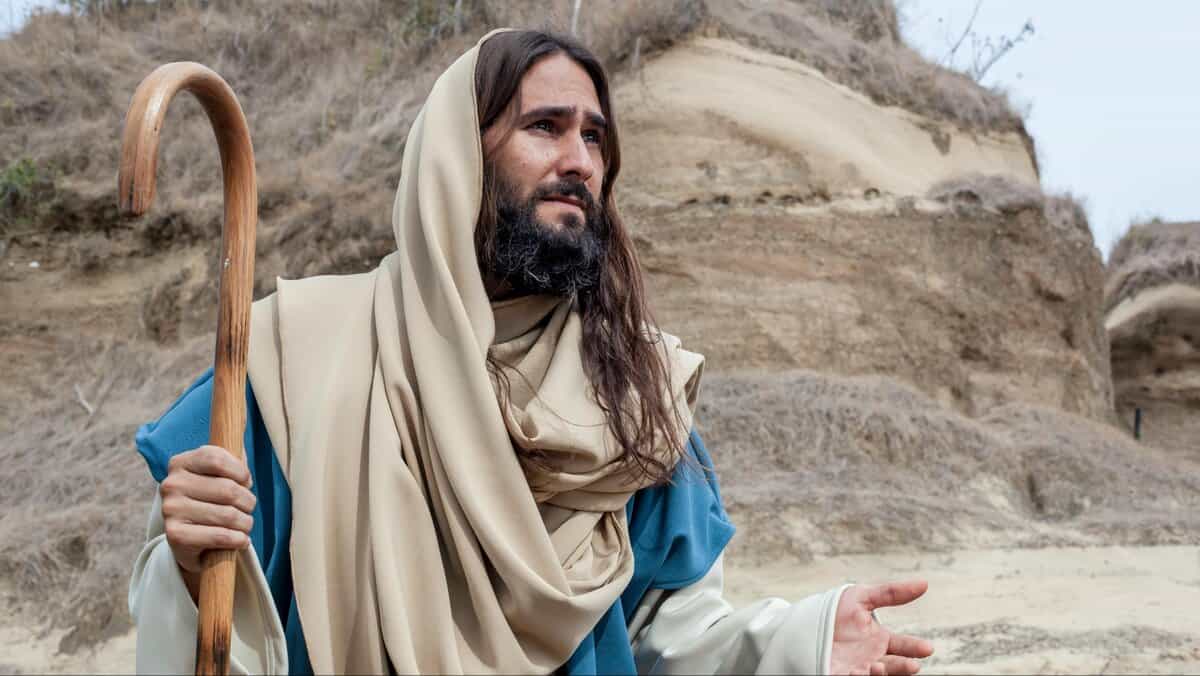
Modern prayer demonstrates devotion and proves faithfulness. The focus is on discipline and effort, and the reassurance that we’re doing enough.
Mystic Catholics, however, view prayer as a chance to be present with God and become aware of His endless love.
They’re not trying to prove anything, but merely to open their hearts to presencia divina.
Mystic prayer is like an ongoing conversation with God that transforms and fulfills us.
When praying, mystics hope to become more aware through God, and radiate the love they receive from him into the world.
6. Authority and Obedience

In modern Catholicism, obedience means compliance. You do what you’re told because it’s right and helps you avoid mistakes.
Mystics see obedience as a relationship or a lived prayer.
They surrender to God’s love, trusting Him as a Father, and obeying out of love rather than obligation.
Obedience, in mystic Catholicism, becomes an expression of intimacy, like among family.
It’s a way of walking in communion, allowing love and trust to guide your actions. Again, they’re more concerned with relationship than with rules.
7. The Fear of God
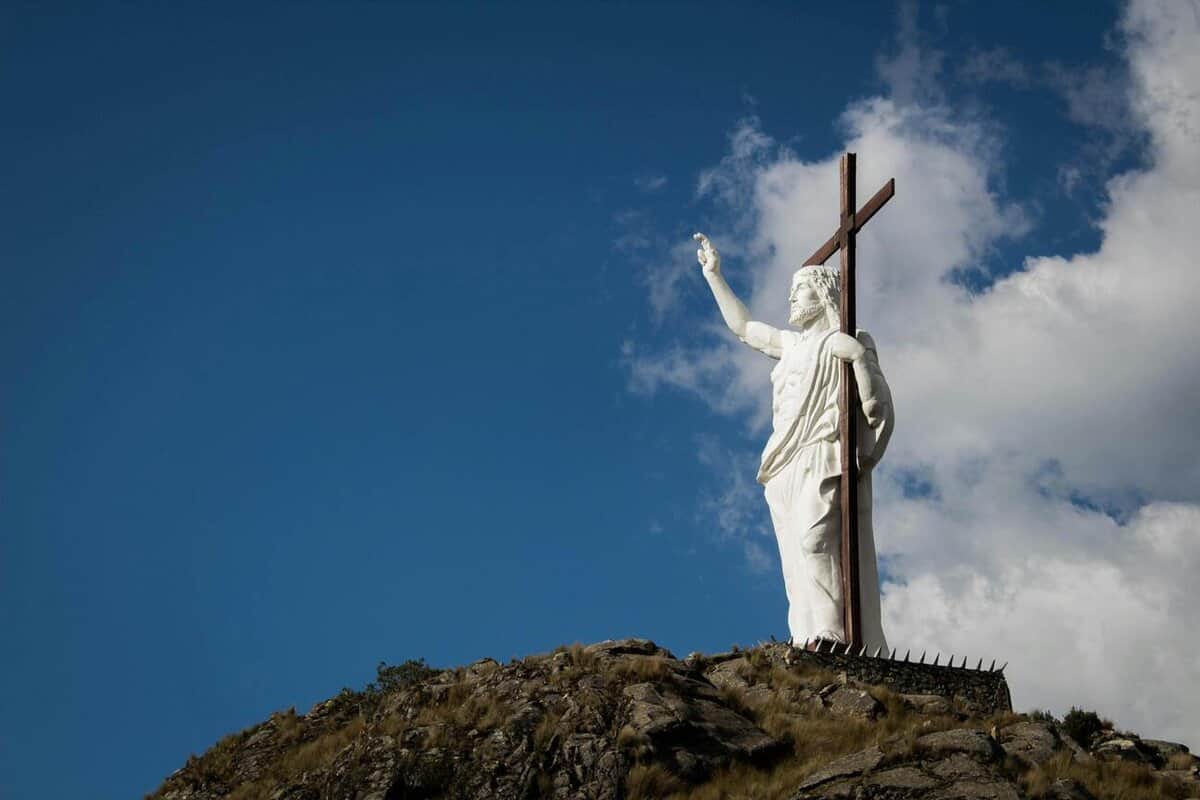
Modern Catholicism often emphasizes a holy fear of God. It’s a reverence mixed with awe and a desire to avoid offending His holiness.
It’s a fear that keeps us in line, respectful of God’s power.
Mystics, however, experience awe before the mystery of God, trembling before His love and power.
It’s not fear exactly; it’s being overwhelmed by the beauty and power of the divine.
This awe deepens their humility and makes them surrender, becoming more receptive to divine grace.
8. Suffering and Purification
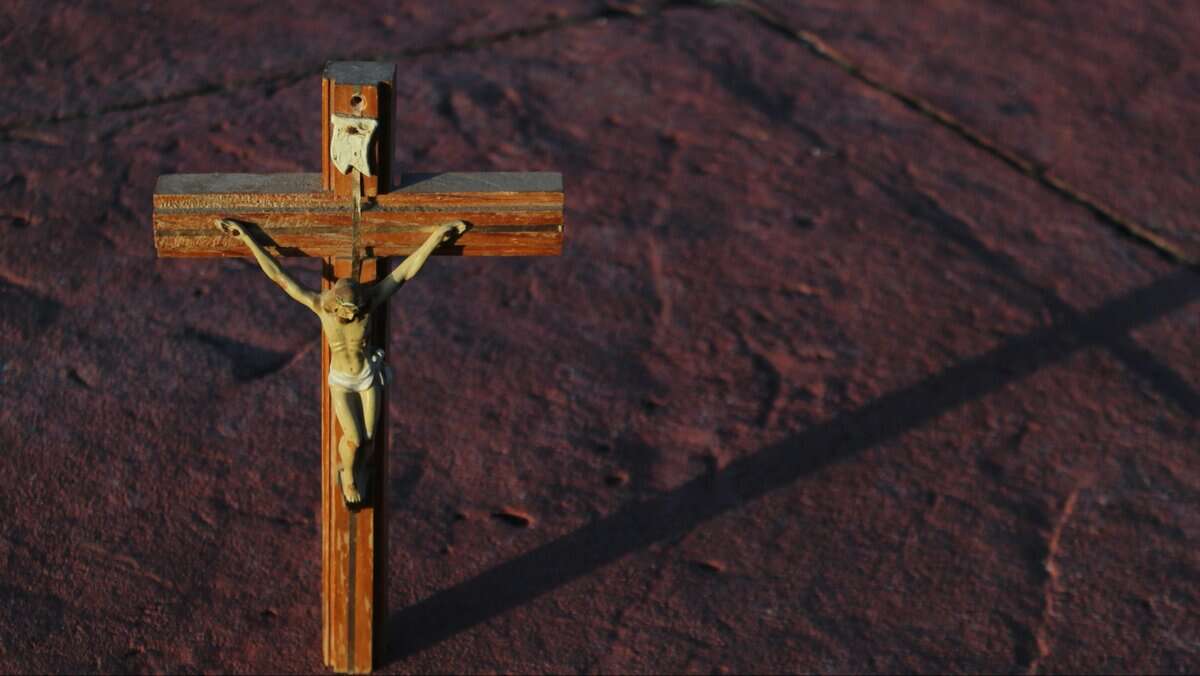
Modern Catholicism sees suffering as something to endure, as a part of life’s hardships until heaven comes. It requires perseverance and hope for the eternal reward.
Mystics view suffering differently. To them, it’s a process of purification – sharing in Christ’s suffering to become more like Him.
It’s an opportunity to deepen their faith and love for God. It’s a way to grow closer to Jesus and be transformed in His likeness.
For mystics, pain is offered love, and not a necessary evil.
It’s an act of union that leads to a deeper intimacy with the divine.
9. Spiritual Growth

For modern Catholics, spiritual growth is about acción. They’re focused on increasing their knowledge and discipline, on praying, and doing good deeds.
Mystics see spiritual growth as becoming more like God. They seek to become more patient and merciful.
For them, it’s an inner transformation, allowing them to be more compassionate and to reflect Christ’s character.
Spiritual growth in mysticism is related to the likeness to God, not necessarily activity.
It’s a process of interior change – allowing divine love to shape your soul.
10. Scripture
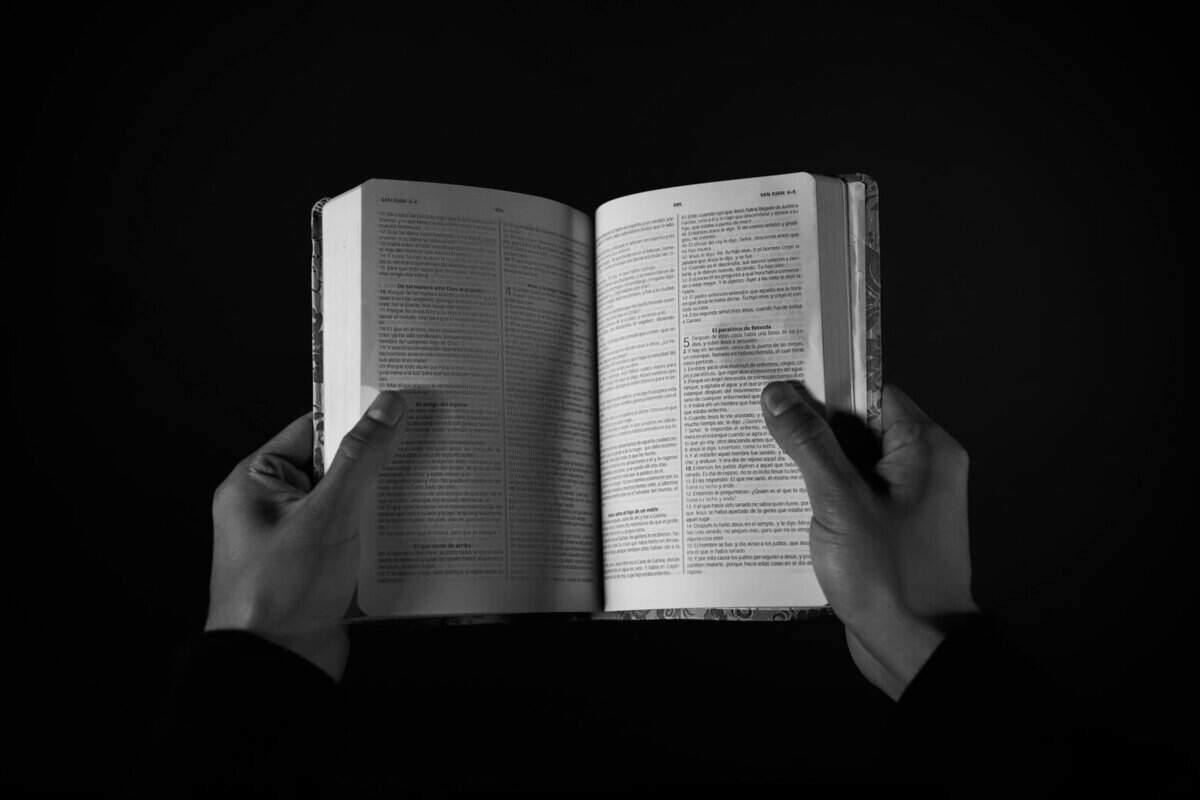
Modern Catholics see Scripture as a source of doctrine and moral guidelines. It’s a collection of things they need to know to stay in line with God’s law.
But mystics see it as a living word; as God speaking directly to our souls.
They read Scripture to feel God’s love and allow the truth to awaken them. That way, Scripture becomes a conversación that heals and transforms.
They believe that, through the Bible, God reveals Himself, so reading His Word is seen as a personal encounter with the divine.
11. The Saints
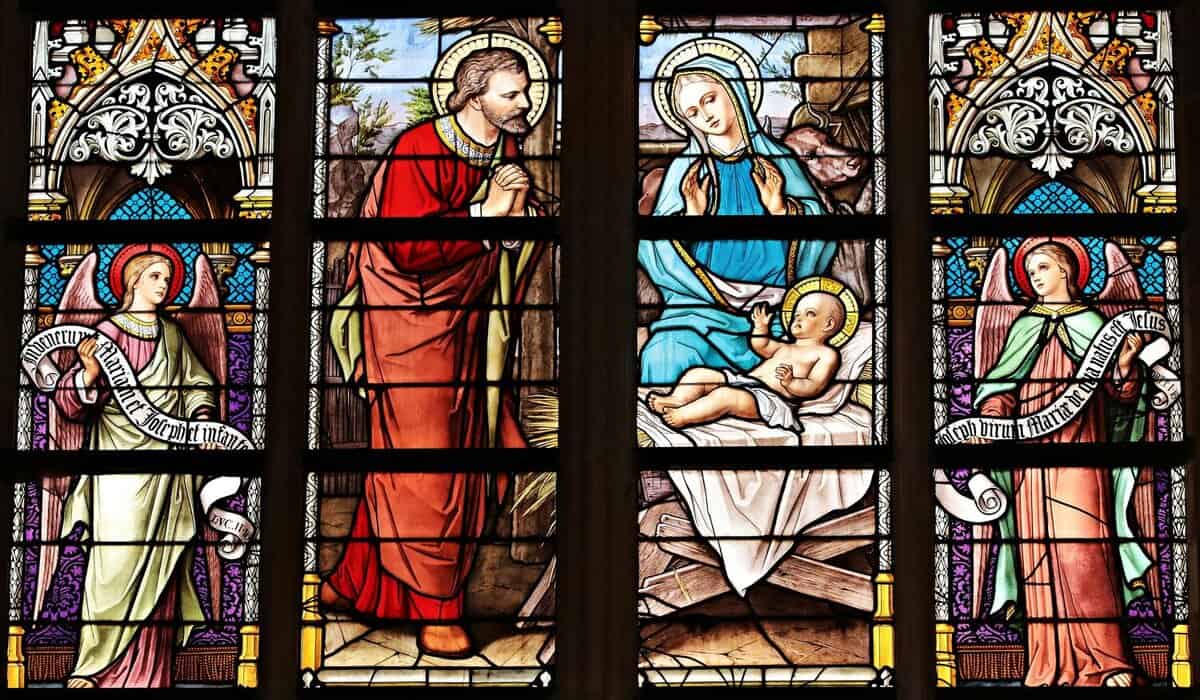
In modern Catholicism, saints are the ultimate examples of morality and faith; they’re unreachable heroes whose lives inspire us to do good.
Mystics see saints as proof that what they’re after is possible – the transformation. To them, saints are the people who surrendered everything to God and were changed.
Son witnesses of God’s power to transform.
Their lives show that surrendering completely allows Him to work miracles through us.
12. Heaven
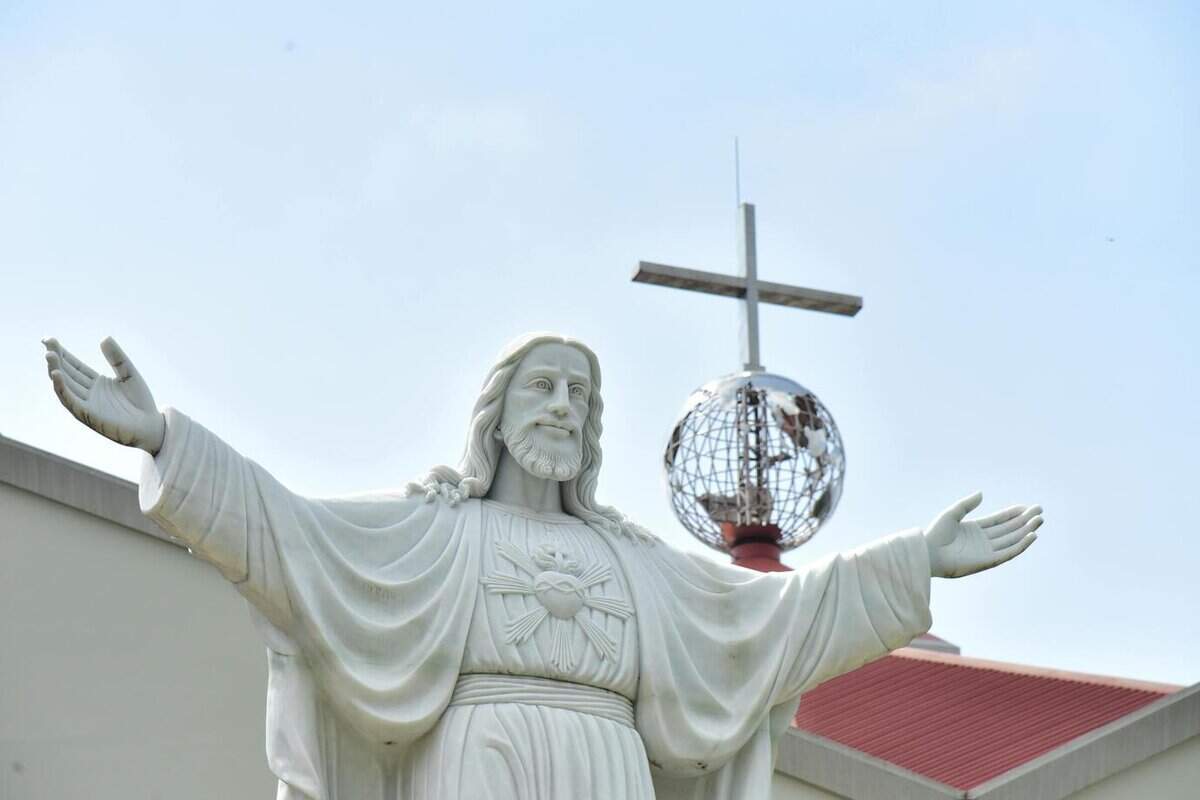
Modern Catholicism views heaven as a reward for those who live by the rules.
Your lifestyle and faith determine where you go after death, and whether you’ll be rewarded or punished.
Mystic Catholicism, however, teaches that heaven has already begun if we live a godly life; death is just the door to full experience.
So, heaven isn’t a future reward. It’s a present reality that we can achieve through union with God.
Living in divine love here and now initiates eternal life, which only becomes fully realized with death.

A little Aquarius, devoted to writing and embroidery. Through my writing, I hope to empower readers to align with their true selves and navigate life’s mysteries with confidence.