
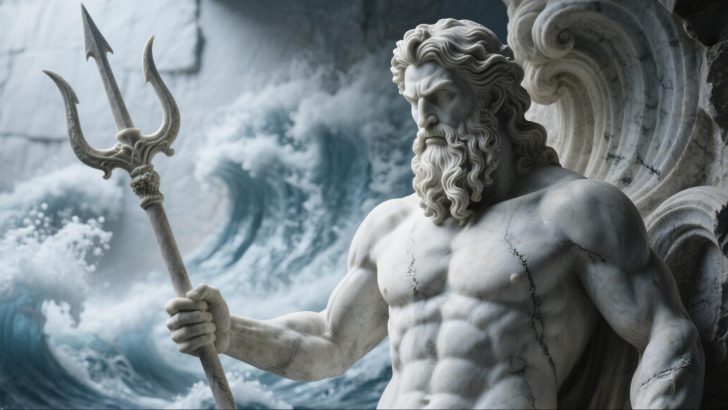
When we think of Greek mythology, most of us immediately think of Zeus, Athena, Apollo, Aphrodite, etc.
But what if I told you that many of these iconic deities aren’t really Greek at all?
Su origins stretch beyond Greece, rooted in ancient Near Eastern, Egyptian, and Anatolian civilizations.
Over time, these gods and goddesses were adopted and reimagined by the ancient Greeks, creating a rich and fascinating mythology.
1. Aphrodite
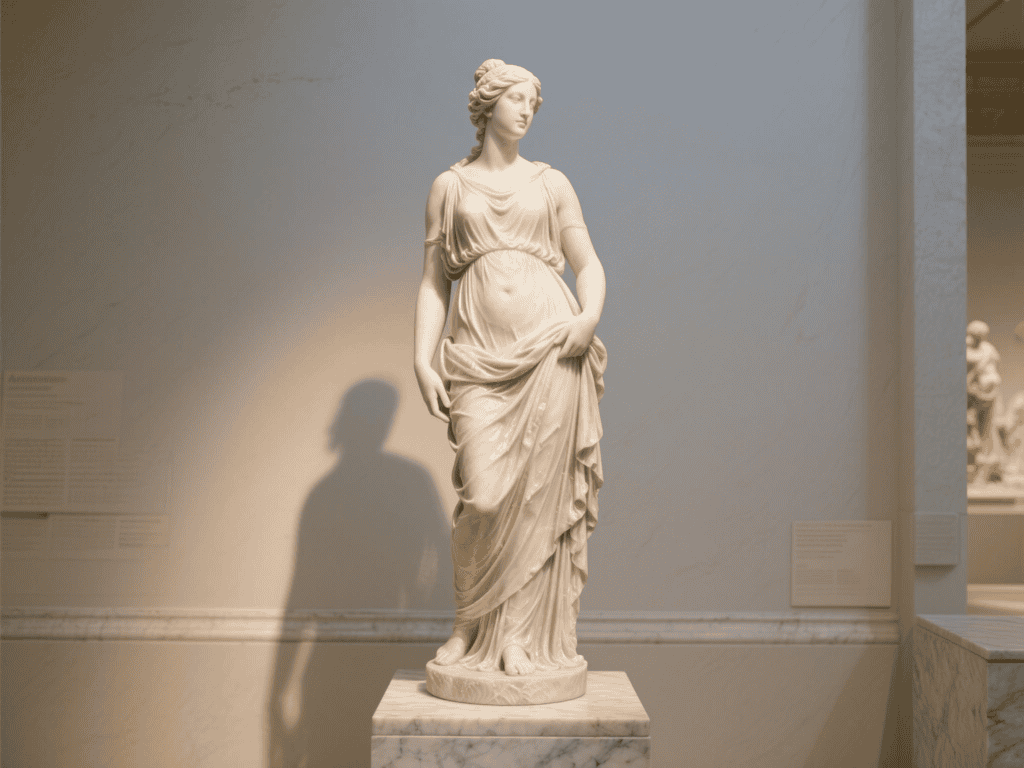
Aphrodite is the Greek goddess of love, beauty, and desire, but her story actually begins in the ancient Near East.
Long before she became part of the Greek pantheon, she was linked to the goddess Astarte, worshipped across Anatolia and Syria.
Astarte was a powerful fertility goddess, associated with sexuality and the planet Venus – just like Aphrodite.
The Greeks adopted this myth around the 8th century BC, but they emphasized her as the embodiment of love and physical attraction.
Her sensual beauty became central to Greek stories of romance, but her origins are rooted in a much older tradition of fertility and divine love from the Near East.
She blends ancient fertility rites with Greek ideals of beauty.
2. Dionysus
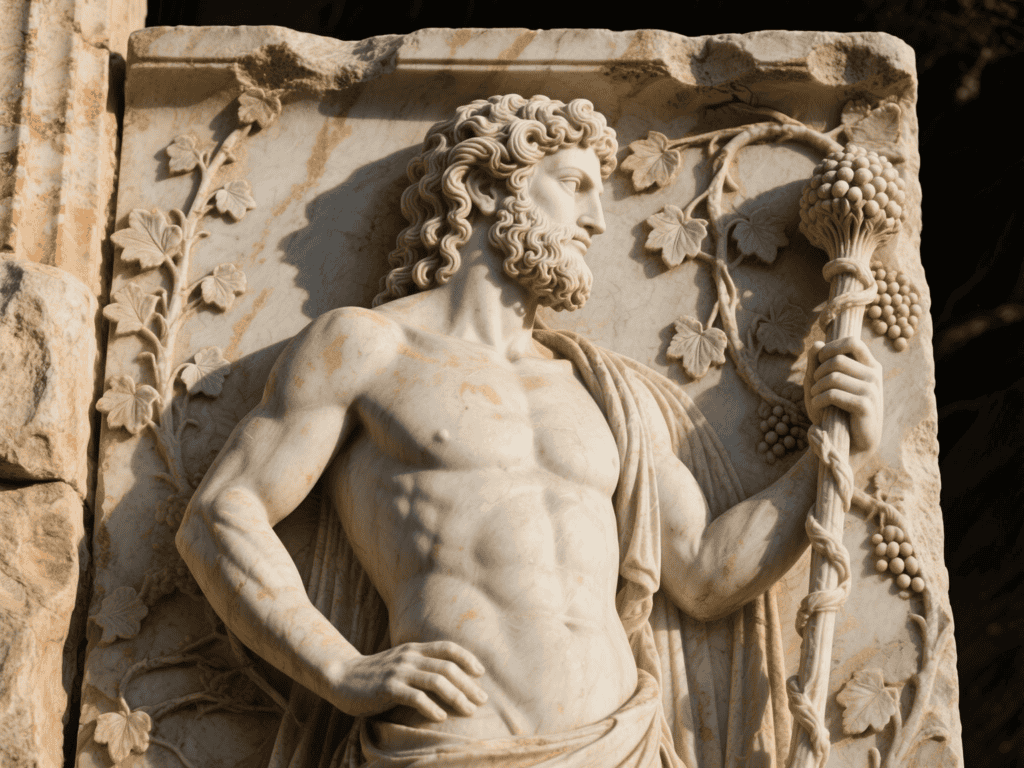
Dionysus, the god of ecstasy, wine, and theater, seems uniquely Greek, but his myth can be traced back to fertility gods de Phrygia.
Some scholars link him to the Sumerian god Enki or the Syrian god Tammuz – both associated with vegetation and rebirth.
Tammuz, in particular, was a god who died and came back to life, and his myth reflected the cycle of nature’s rebirth after winter.
The Greeks embraced Dionysus and made him the deity of wine, drunkenness, and chaos.
His followers, the Maenads, as well as his festivals, resemble older fertility rituals.
What we know as Greek Dionysus is a cultural adaptation of much broader fertility and rebirth symbolism from the ancient Near East.
3. Hermes
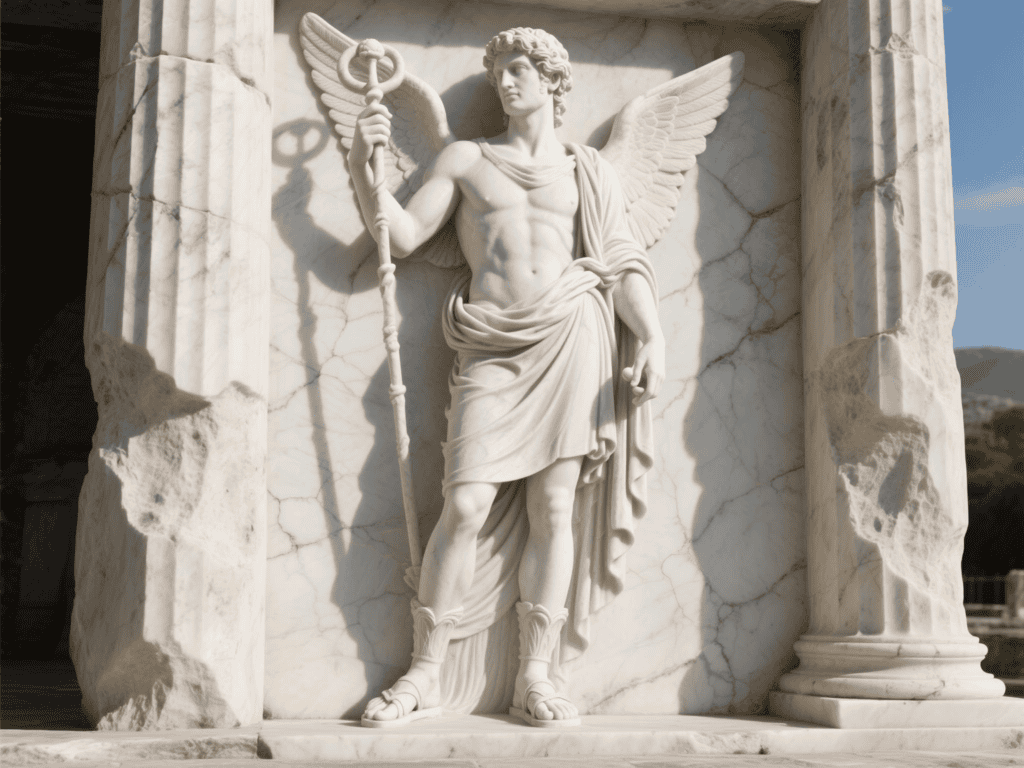
Hermes, known as Mercury to the Romans, is depicted as a messenger of the gods, but his origins are much more diverse.
He’s linked to Egyptian Thoth, the god of wisdom and writing, and also the Semitic god Nabu.
Thoth was revered as a divine scribe and the mediator between gods and humans – a role Hermes eventually took on in Greek mythology.
Over time, he also became the god of commerce and cunning.
His role as a guide to the underworld and his clever personality reflect these older traditions.
4. Hades
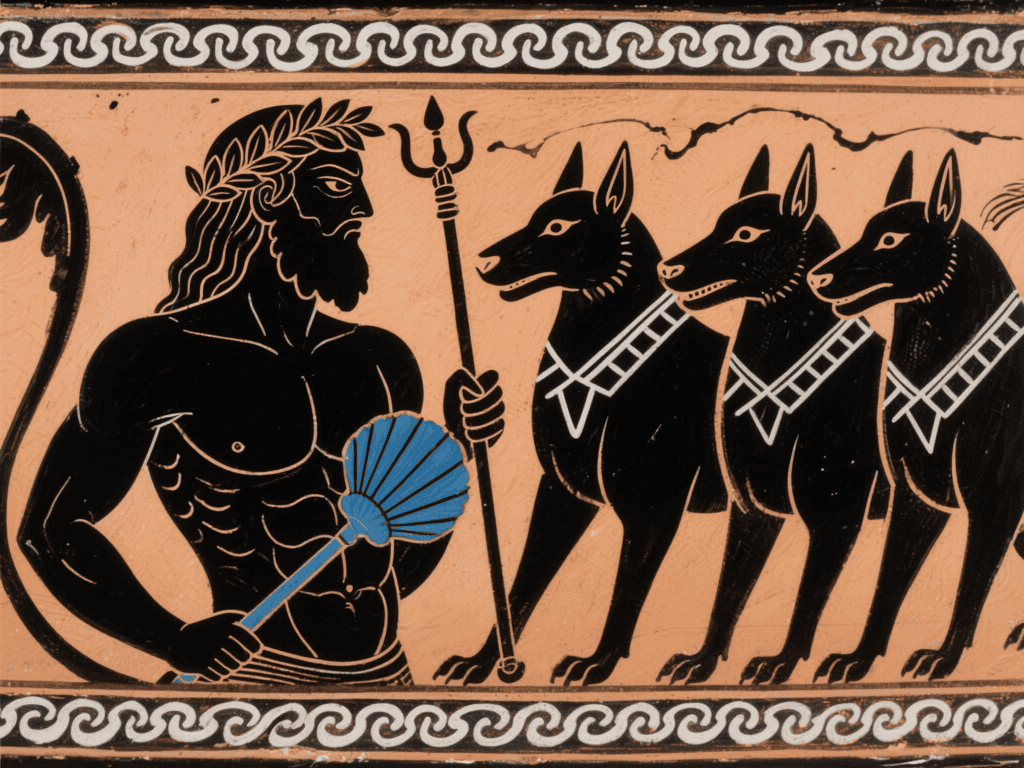
Hades is often portrayed as the shadowy ruler of the Greek underworld, but his concept has strong influences from older Near Eastern gods.
En goddess Ereshkigal from Mesopotamian myths is a close parallel. She was the queen of the land of the dead, ruling over the underworld with authority and power.
Much like Hades, Ereshkigal was a dangerous but not necessarily malvado deity.
The Greek Hades borrowed much of this mythic persona but was shaped to fit Greek ideas of justice and the afterlife.
His helmet of invisibility and role of a just ruler come from these older traditions.
5. Poseidon
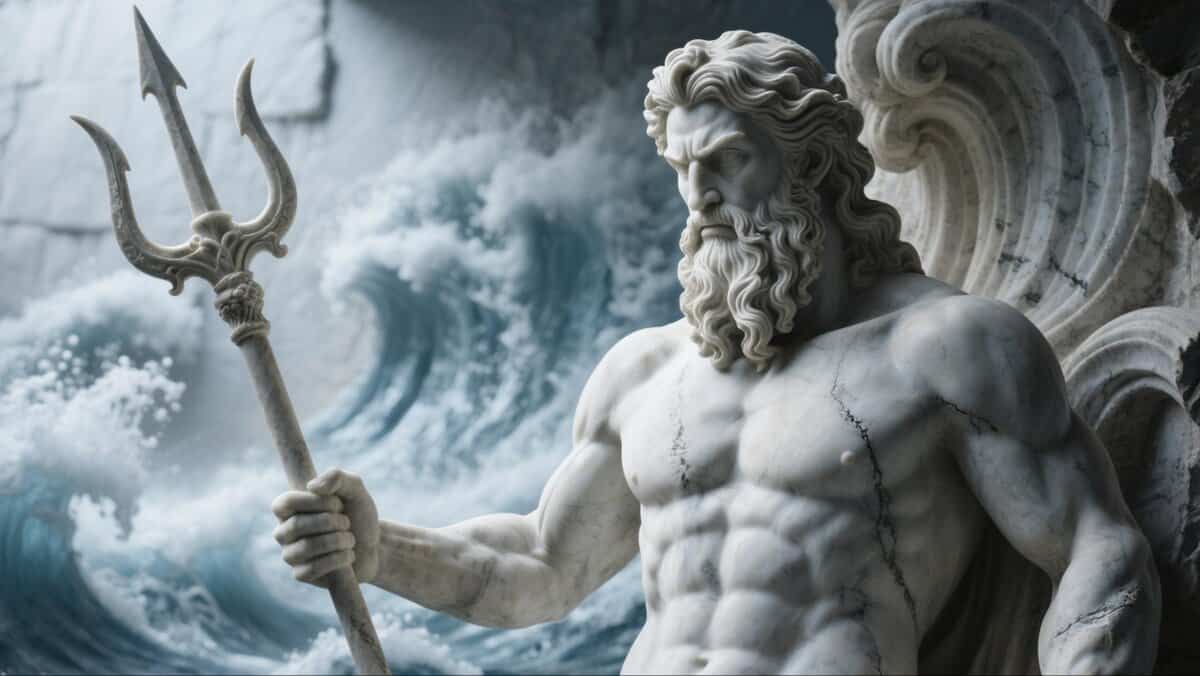
Poseidon, the mighty god of the sea, earthquakes, and horses, is often depicted with his trident and bad temper.
His origins stretch back to the ancient Canaanite and Phoenician sea deities, like Yam, a chaos sea god.
Yam was part of a broader mythic tradition symbolizing uncontrollable and destructive natural forces.
The Greeks, inspired by this chaos, created the image of Poseidon as a powerful deity who ruled over the oceans, embodying the primal power of the sea.
His association with horses also connects him to earlier Canaanite and Anatolian deities.
Poseidon represents an evolution of ancient water gods into a Greek symbol of nature’s raw power.
6. Ares
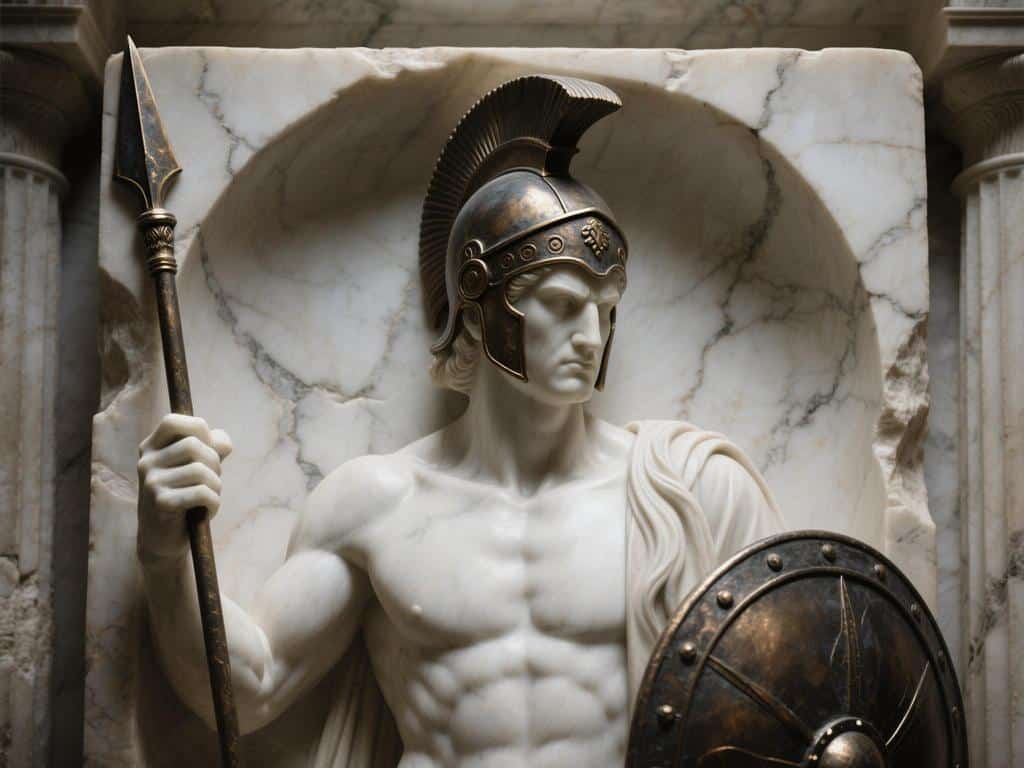
This god of war, known for his violence and aggression, has roots in ancient Near Eastern and Anatolian myths.
The Hittites, for instance, worshipped fierce deities associated with conquest and strength.
These gods were invoked in battle, and they represented the brutal nature of warfare.
The Greeks adopted this archetype but made Ares a more personal, aggressive figure – embodying the destructive and chaotic aspects of war.
Contrasted sharply with Athena’s strategic approach, Ares was pure violence, a reflection of older war deities from the Near East.
7. Eros
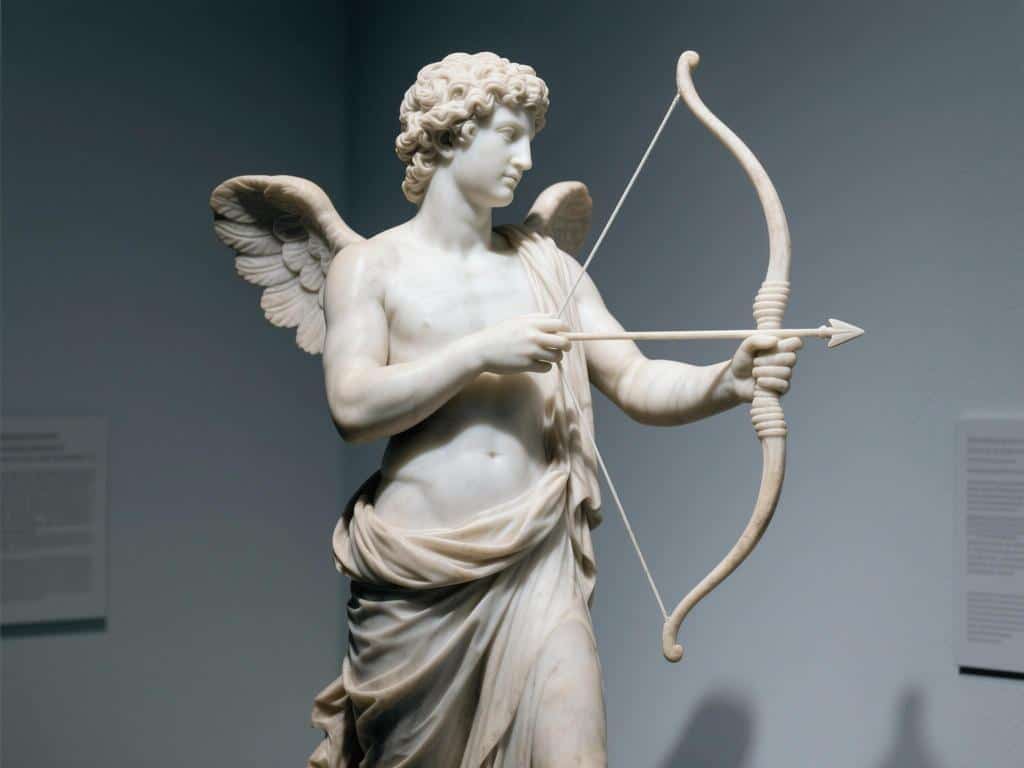
Eros, the winged god of love and desire, has a complex origin story.
Some link him to the Egyptian god Horus, associated with kingship and divine protection, which also involved some fertility aspects.
Others connect Eros to the Near Eastern goddess Astarte, a fertility goddess linked to sexuality and union.
Originally, Eros represented the raw power of attraction and love. However, as the Greek mythology evolved, he became a playful, young boy with a bow and arrow.
Eros reflects a blend of ancient love deities from the Near East, reshaped into a central figure of love the Greek mythology – more playful and personal than his older counterparts.

A little Aquarius, devoted to writing and embroidery. Through my writing, I hope to empower readers to align with their true selves and navigate life’s mysteries with confidence.