
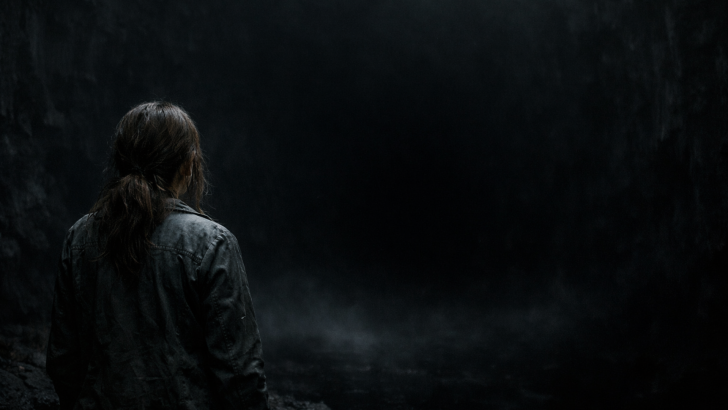
Darkness is often seen as scary, evil, or something to avoid. Movies, books, and popular culture make us think that light is good and darkness is bad.
However, many ancient myths show that darkness was actually a source of wisdom, learning, and insight.
Darkness was a place where humans and gods could reflect, understand hidden truths, and gain knowledge that light alone could not reveal.
In these myths, darkness was respected, not feared. It represented mystery, patience, inner growth, and the unseen world.
Light shows what is obvious, but darkness teaches what is hidden. Below are ten myths from different cultures where darkness symbolizes wisdom.
1. The Primordial Darkness Before Creation

Ancient Mesopotamian myths, early biblical stories, and Egyptian traditions all describe a primordial darkness that existed before the first day of creation.
This darkness was not chaos. It was the quiet space where the universe could form and take shape.
This myth shows that wisdom begins in darkness. Before light, everything was possible. Nothing had a fixed form, so potential existed in every direction.
Humans learned that before understanding or action, patience and reflection are necessary. Darkness represents waiting, listening, and observing.
It teaches that insight often comes before clarity, and that the mind must be still to receive understanding.
Ancient people believed that chaos was not dangerous, but an essential stage of learning. From this darkness, life, order, and knowledge gradually emerged.
2. Thoth and the Knowledge of Night
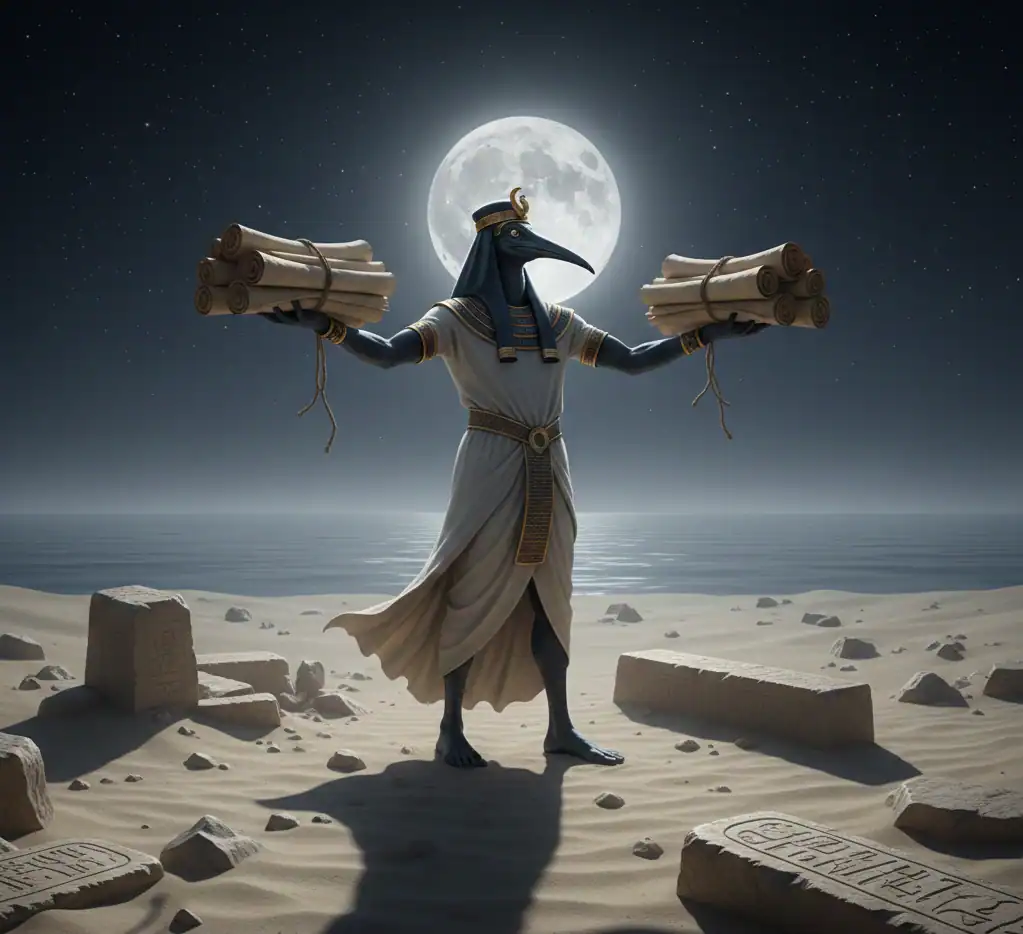
In Egyptian mythology, Thoth is the god of wisdom, writing, magic, and knowledge. He is often associated with the moon and the night, rather than the sun and daylight.
Thoth moves freely in darkness, gathering secrets that humans cannot easily see or understand.
Darkness in Thoth’s myth represents hidden knowledge. It is the space where learning is private and careful.
Many ancient Egyptians believed that wisdom was not meant for everyone at once. It required time, patience, and reflection.
The night allowed Thoth to record events, study the stars, and reveal insights to those ready to receive them.
This myth teaches that wisdom grows quietly, in reflection and observation, not through loud or obvious action.
Darkness allows humans to pause, think, and discover lessons that light alone cannot provide.
3. The Greek Underworld as a Place of Truth
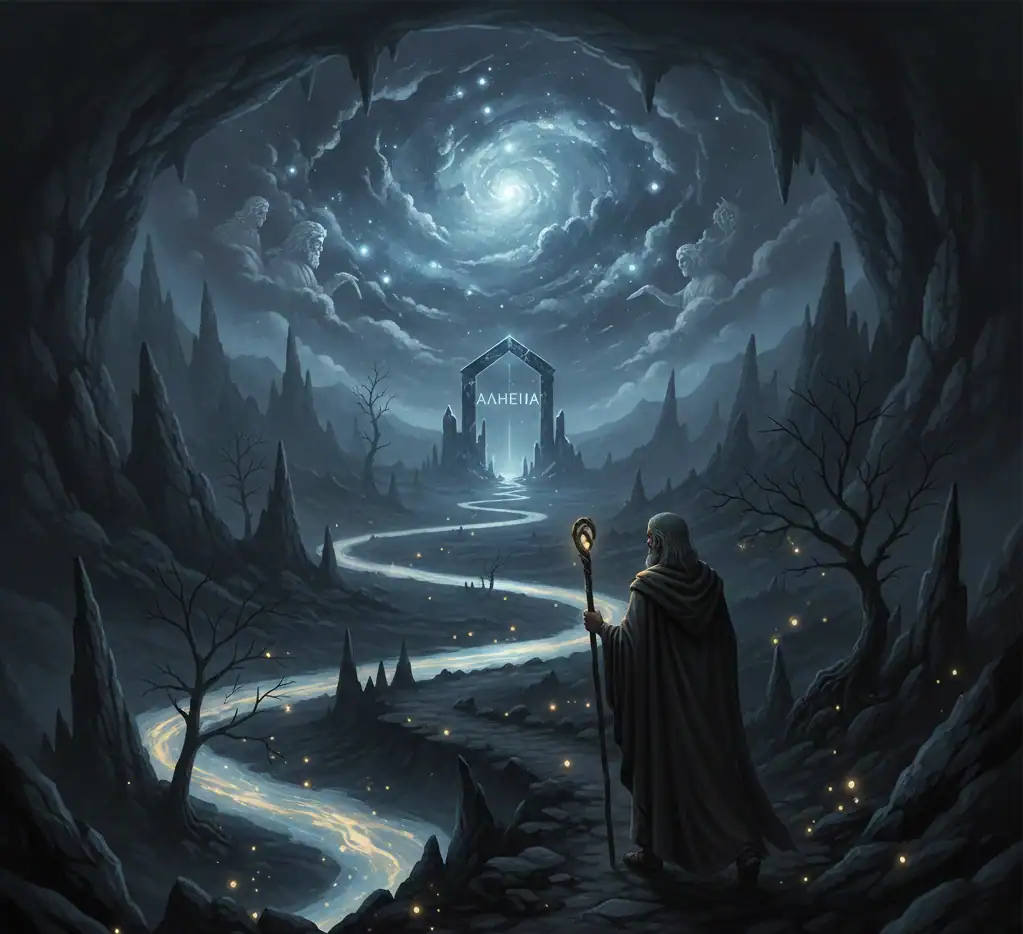
In Greek mythology, the underworld is often seen as a place of fear or death, but it is also where the hidden truth lives.
Heroes like Odysseus and Orpheus entered the underworld to gain knowledge, guidance, and understanding about life, death, and their own purpose.
Darkness in the underworld represents the unknown self. In the absence of light, everything hidden becomes visible.
Illusions, fears, and personal weaknesses are revealed. Only by facing darkness can heroes gain wisdom.
The underworld teaches that understanding life requires courage, reflection, and the ability to confront difficult truths.
Darkness is not punishment; it is a teacher. By enduring fear and uncertainty, humans gain insight into their own nature and the nature of the world.
4. Ginnungagap, the Dark Void of Norse Myth

In Norse mythology, Ginnungagap is the great dark void that existed before creation.
It was empty, cold, and still, stretching between the realms of fire and ice. From this dark space, the first giants, gods, and worlds emerged.
This myth shows that darkness is potential waiting to be realized. Nothing exists yet, but everything can. Norse people believed that wisdom comes from endurance, reflection, and patience.
In Ginnungagap, life had to wait and take shape slowly. Darkness is not empty. It is a preparation for understanding and creation.
This story teaches that insight grows from patience, waiting, and careful observation, not from immediate action or constant light.
5. Kali and the Wisdom of Destruction
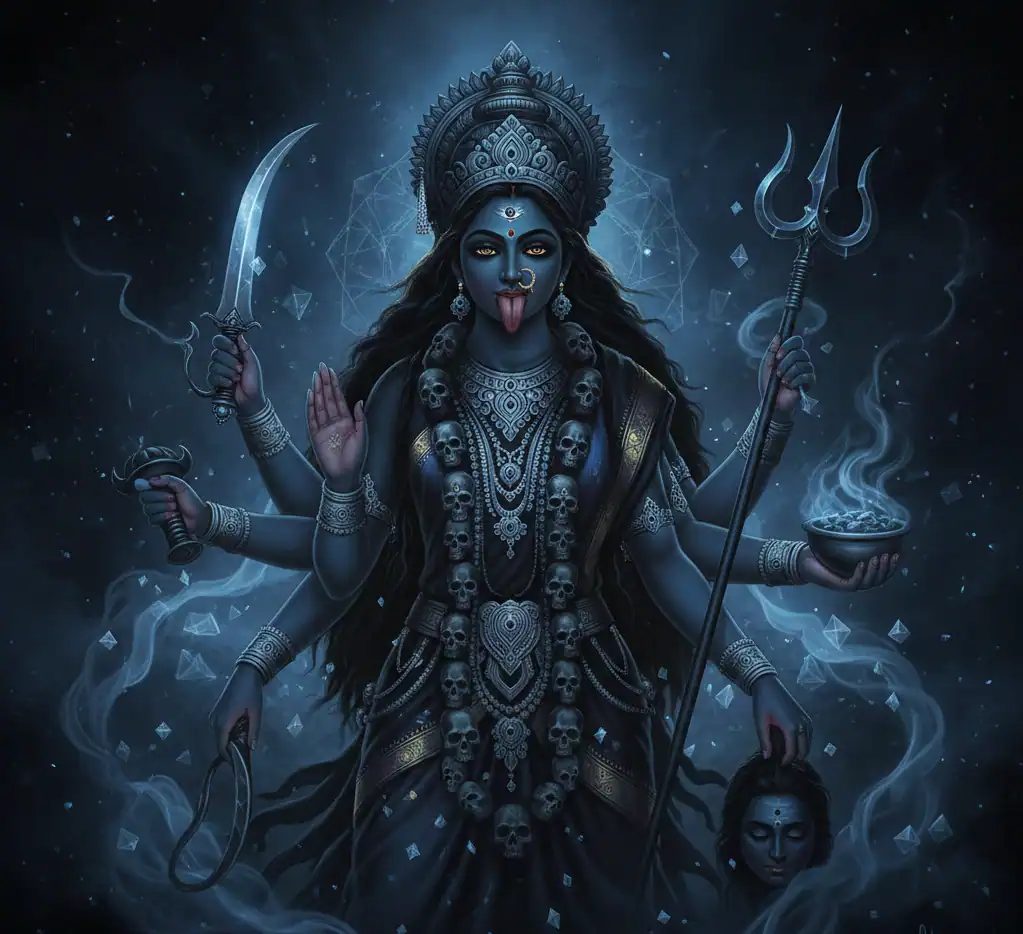
In Hindu mythology, Kali is a dark goddess often shown with black or deep blue skin.
While her appearance can be frightening, she represents wisdom, truth, and liberation. Kali destroys illusions, false pride, and attachment to the ego.
Darkness in Kali’s story is the space of transformation and honesty. She removes everything that blocks understanding.
Her darkness is not harmful. It is cleansing. Wisdom often comes when illusions are removed, and darkness represents that clearing process.
Kali teaches that learning requires endings as well as beginnings. Darkness allows humans to see clearly by removing what hides the truth.
This myth shows that insight often arrives through change, reflection, and difficult truths, not comfort.
6. Sacred Caves as Places of Wisdom
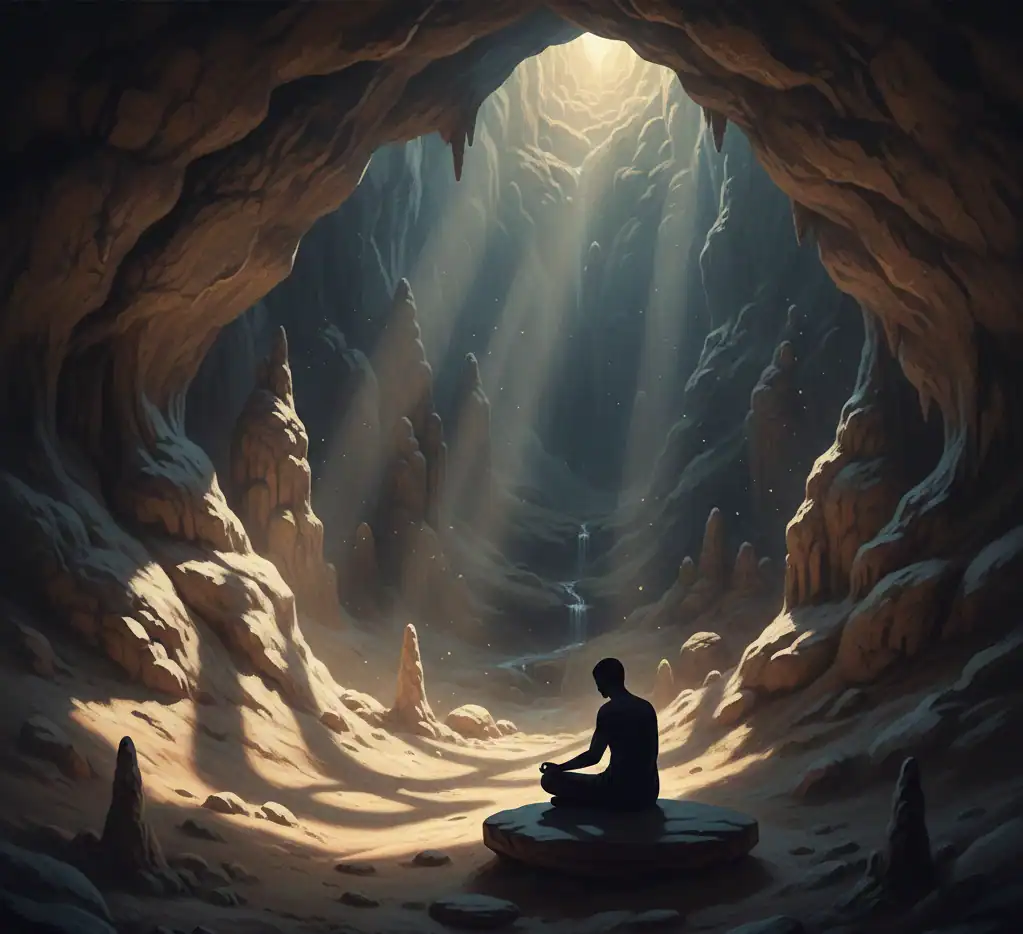
Caves appear in myths around the world as sacred spaces. Shamans, prophets, and seekers enter caves to meditate, perform rituals, or seek visions.
The darkness inside a cave forces focus and reflection, away from the noise and distractions of daily life.
In these stories, darkness represents turning inward. Without light, the outer world fades, and inner awareness grows.
Wisdom emerges when humans observe, reflect, and connect to themselves and the world around them. Caves symbolize the mind’s ability to enter quiet, contemplative space.
Myths teach that insight is born in silence and darkness, not constant activity. Wisdom requires listening, patience, and focus, all of which are easier to practice in the dark.
7. Nyx, the Greek Goddess of Night
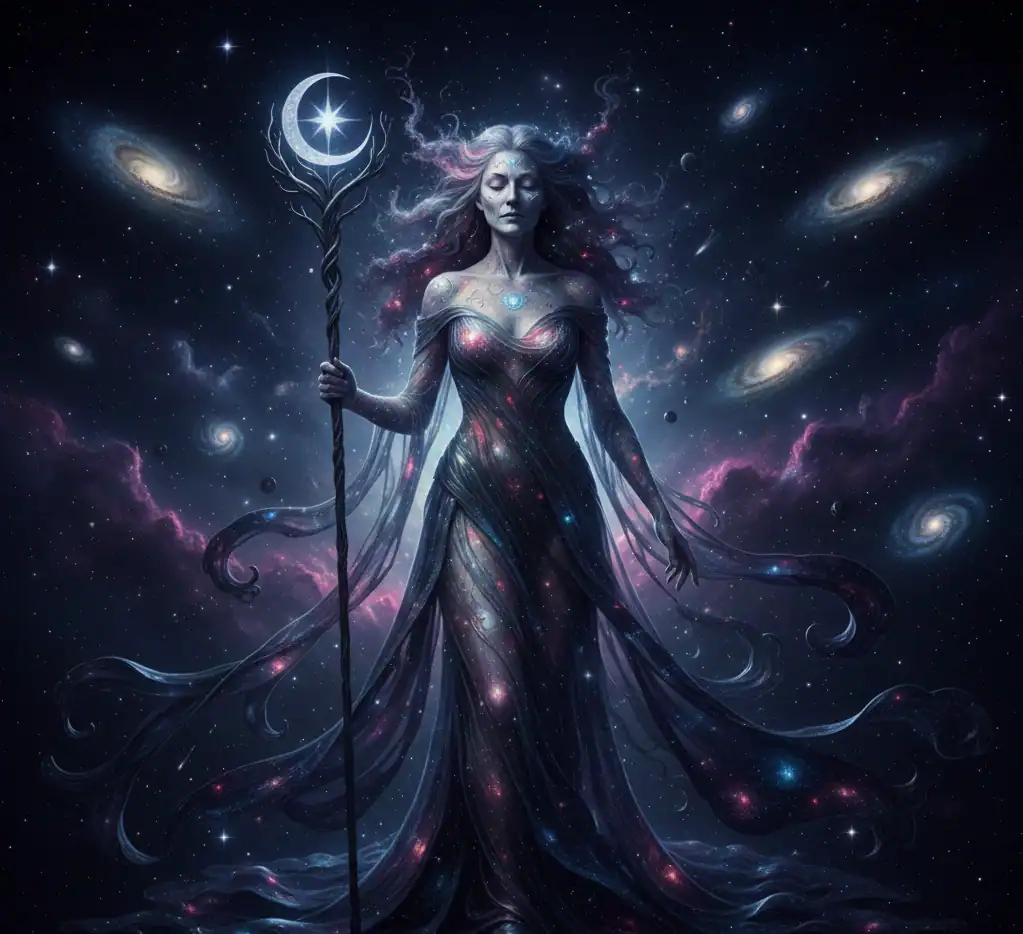
Nyx is the Greek goddess of night and darkness, feared even by other gods. She is associated with fate, dreams, and cosmic balance.
Unlike many dark figures, Nyx is not evil; she embodies mysterious wisdom and deep knowledge.
Darkness under Nyx represents insight beyond logic. She teaches that wisdom comes from dreams, intuition, and hidden understanding.
Some knowledge cannot be seen in daylight or explained easily. It must be felt and reflected upon.
This myth shows that darkness can hold intelligence, foresight, and understanding that is not available through reason alone.
Nyx encourages humans to respect the night as a teacher of intuition and perception.
8. The Dark Feminine in Celtic Mythology
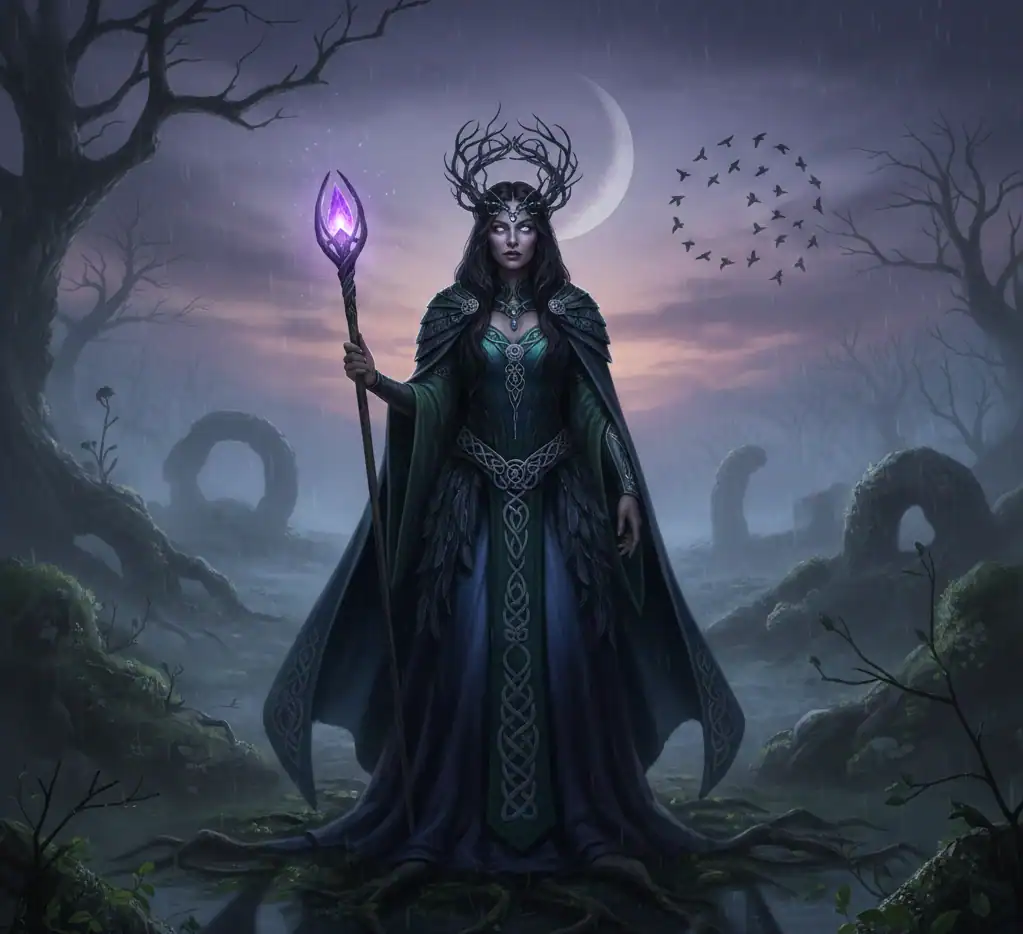
Celtic myths often feature dark goddesses, such as the Morrigan, connected to prophecy, fate, and transformation.
These goddesses appear during times of change, uncertainty, or decision-making.
Darkness in these stories represents the unknown future. Humans cannot see what is coming, and that uncertainty is where wisdom grows.
The Morrigan teaches that insight requires acceptance of uncertainty, patience, and reflection. Darkness forces attention inward and creates focus.
By embracing what is not yet clear, humans gain perspective, intuition, and understanding. Wisdom often emerges during transitions and difficult periods, not during easy, obvious times.
9. The Night Journey of the Sun in Ancient Egypt
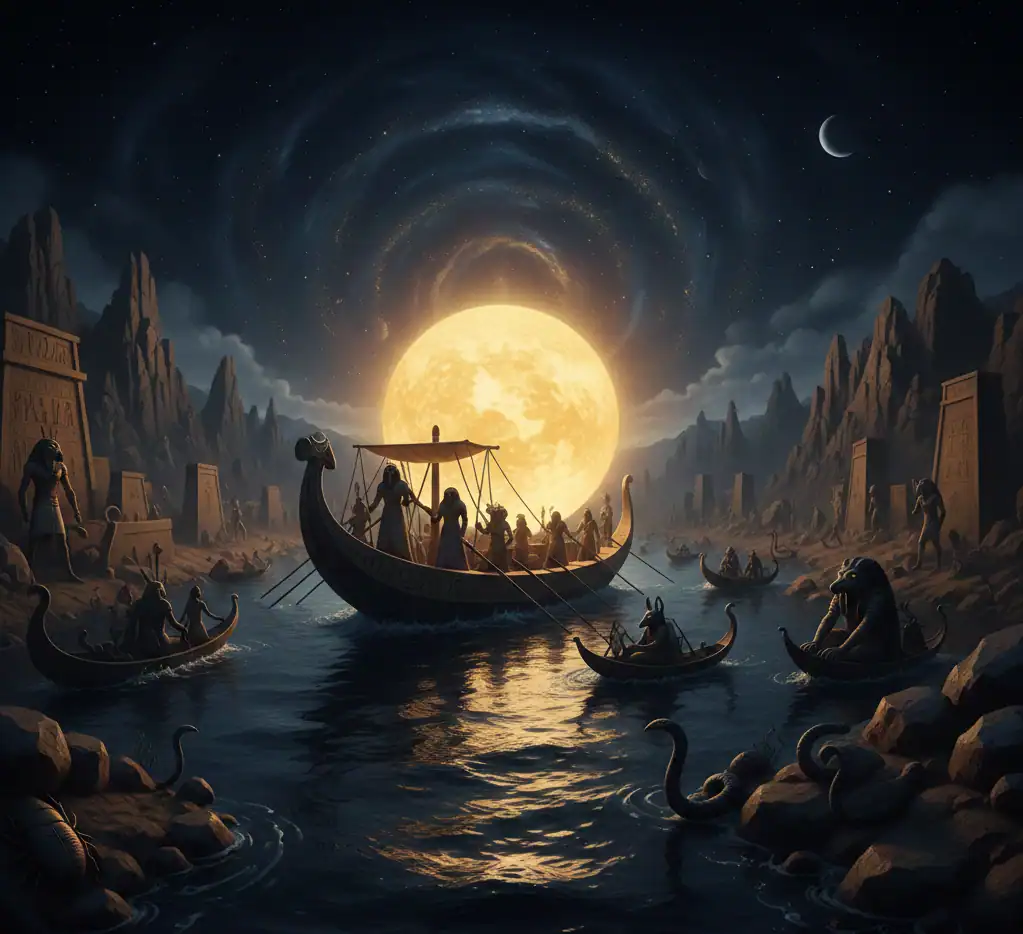
Ancient Egyptians believed the sun traveled through darkness each night before rising again.
During this journey, the sun faced enemies, trials, and transformation. Darkness was necessary for renewal and strength.
This myth teaches that wisdom comes through cycles of reflection and preparation. Darkness allows the sun to rest, recover, and process experiences.
Insight emerges from endurance, reflection, and quiet observation. The night journey shows that learning often requires periods of inactivity or struggle.
Darkness is a teacher that prepares beings to rise with clarity, power, and understanding.
10. Shadow Wisdom in Indigenous Traditions

Many Indigenous traditions recognize wisdom in the shadow and night. Elders often taught under dark skies, using stories, dreams, and quiet reflection.
Darkness was the time for listening, learning, and understanding life beyond what could be seen.
Shadow wisdom is about slowing down and paying attention. Without distractions, humans notice patterns, lessons, and truths that go unseen in light or noise.
Wisdom in these myths comes from observation, listening, and inner reflection. Darkness is not empty. It is a rich source of insight.
These teachings remind people that knowledge grows when attention is focused and calm, not when life is rushed or loud.

Siempre sentí una fuerte conexión con lo Divino desde mi nacimiento. Como autora y mentora, mi misión es ayudar a los demás a encontrar el amor, la felicidad y la fuerza interior en los momentos más oscuros.