

The story of Narcissus is one of the most famous myths from ancient Greece.
Even people who have never read the full story usually know the basic idea: a beautiful young man becomes so fascinated by his own reflection that he cannot look away.
But there is much more to the myth than that simple image. This tale includes pride, heartbreak, divine punishment, and a lesson about what can happen when someone becomes too focused on themselves.
It is also the story that gave us the modern word “narcissism.” In this article, we explore ten fascinating facts about Narcissus, the curse that changed his life, and why this ancient myth still feels surprisingly relevant today.
1. Narcissus Was Known for Extraordinary Beauty
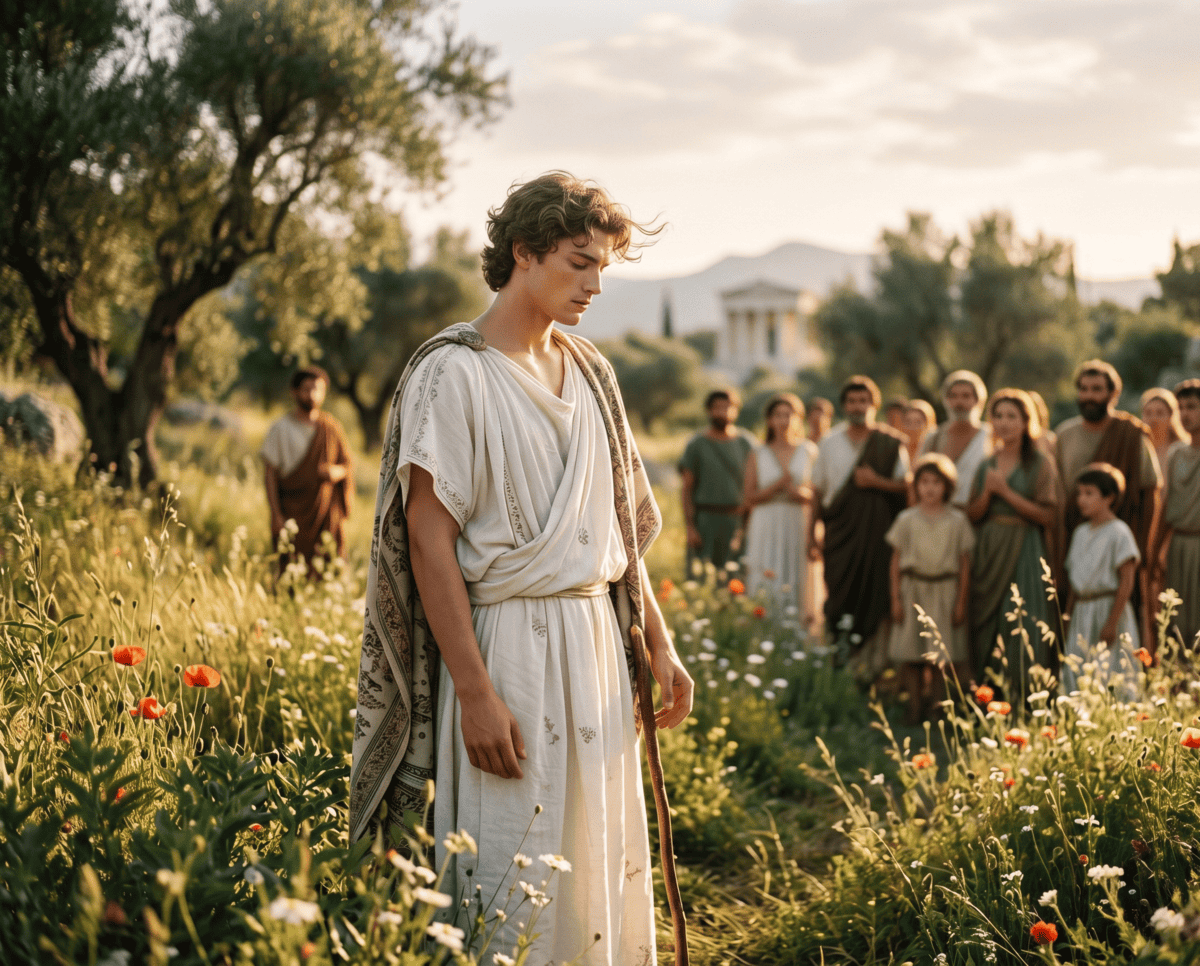
Narcissus was said to be so handsome that almost everyone who saw him was amazed. Ancient stories describe him as the kind of person who turned heads everywhere he went.
If he lived today, he would probably be the person who gets noticed the moment he walks into a room without even trying.
His beauty became such a big part of his identity that people focused on his appearance more than anything else.
In many myths from ancient Greece, unusual beauty was seen as both a gift and a potential problem.
In Narcissus’s case, it attracted admiration, attention, and eventually trouble. His good looks made him famous, but they also helped set the stage for his downfall.
2. Many People Fell in Love With Him

Because Narcissus was so attractive, many people fell deeply in love with him. Both men and women admired him and hoped he would return their feelings.
But Narcissus was known for being cold and distant. He rejected everyone who approached him, often without showing much kindness.
Imagine someone who receives endless compliments and messages but never responds to any of them. That was the mythological version of Narcissus.
In ancient Greece, myths often warned against treating others without compassion. Narcissus did not just prefer being alone.
He seemed to enjoy staying emotionally unreachable, and that attitude would eventually lead to consequences he never expected.
3. Echo Was One of His Most Famous Admirers

One of the most tragic parts of the story involves Echo, a mountain nymph who fell in love with Narcissus.
Echo had already been cursed so that she could only repeat the words spoken by other people.
She could not express her own thoughts clearly, which made her love for Narcissus even more heartbreaking. When she tried to approach him, he rejected her.
Imagine caring deeply for someone and being unable to say what you really feel. Echo eventually faded away until only her voice remained.
This is why her story still feels sad and relatable. It adds emotional depth to the myth and shows how hurtful rejection can be.
4. Nemesis Decided to Punish Him

After seeing how Narcissus treated others, the goddess Nemesis decided he needed to learn a lesson. Nemesis was known for restoring balance when someone became too proud or cruel.
In ancient Greece, gods often stepped in when human behavior crossed a line. Narcissus had ignored the feelings of many people, so Nemesis chose a punishment that matched his behavior perfectly.
Instead of harming him directly, she made him experience the same pain he had caused others.
It was a clever and poetic punishment, and it turned his greatest strength into his biggest weakness.
5. He Fell in Love With His Own Reflection

The most famous moment in the story happens when Narcissus sees his reflection in a pool of water. He does not realize he is looking at himself.
Instead, he believes he is seeing another beautiful person. He becomes completely enchanted.
If you have ever stared at something so long that you forgot everything else around you, you can understand the idea.
Narcissus could not stop looking. He wanted to touch the image, but every time he reached toward it, the reflection disappeared.
This made his desire even stronger. The scene is simple but powerful, which is one reason the story has lasted for so many centuries.
6. He Could Not Pull Himself Away

Narcissus became so obsessed with the reflection that he stopped paying attention to everything else. He did not eat, sleep, or return to normal life.
He remained by the water, staring at the face he believed he loved. The sad part is that he was chasing something he could never truly have.
Many people connect with this idea because it reflects how easy it is to become trapped by an illusion.
In everyday life, people sometimes fixate on an ideal image, a fantasy, or an impossible goal. The myth turns that emotional experience into a dramatic and unforgettable story.
7. The Curse Was Perfectly Symbolic

The punishment given to Narcissus fit his behavior in a very clever way. He had made others long for someone they could not have, so he was forced to feel the same thing.
The object of his desire was close enough to see but impossible to reach. In ancient myths from Greece, this kind of symbolic justice was common.
The lesson feels satisfying because the consequence reflects the original wrongdoing. Narcissus was not punished randomly.
He was given an experience that helped him understand what he had done to others.
8. A Flower Grew Where He Died

After Narcissus died, a flower appeared where he had been lying. This flower became known as the narcissus, which includes the familiar daffodil.
In myths, transformations like this were common. They helped explain features of the natural world while giving emotional meaning to the story.
Imagine seeing a delicate flower growing near still water and remembering the young man who could not stop looking at his own reflection.
It is a beautiful and slightly sad ending. Nature becomes part of the myth, preserving the memory of Narcissus in a living form.
9. The Story Gave Us the Word “Narcissism”

The modern psychological term “narcissism” comes directly from the name of Narcissus. Today, the word is used to describe excessive self-focus and a strong need for admiration.
Of course, the myth is more dramatic than everyday psychology, but the connection is clear. The ancient story continues to influence the way we talk about personality and behavior.
Remarkably, a myth created thousands of years ago in Greece still shapes modern language. That alone shows how powerful and lasting this story has been.
10. The Myth Still Feels Relevant Today

The story of Narcissus remains meaningful because its message is timeless. It reminds us that beauty, attention, and self-interest can become harmful when they crowd out empathy and real connection.
In a world filled with mirrors, cameras, and social media, the myth feels surprisingly modern. Most people know what it is like to become too focused on appearances or to chase an ideal image.
The story encourages balance. Caring about yourself is healthy, but losing yourself in your own reflection is another matter entirely. That is why the myth of Narcissus still captures the imagination today.

Siempre sentí una fuerte conexión con lo Divino desde mi nacimiento. Como autora y mentora, mi misión es ayudar a los demás a encontrar el amor, la felicidad y la fuerza interior en los momentos más oscuros.