
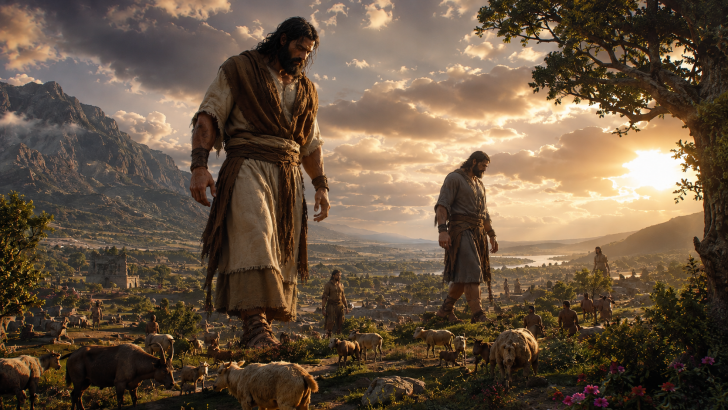
The Nephilim are among the most debated figures in the Bible. They are briefly mentioned in Genesis 6, where they are described as being on the earth before the Flood.
Because Scripture provides very little information about their daily lives, countless theories have developed over the centuries.
Some traditions portray them as giants. Others view them as mighty warriors or legendary heroes. As a result, people have often speculated about what their diets may have looked like.
Here are seven fascinating theories about what the Nephilim may have eaten.
1. The Same Foods as Other Humans
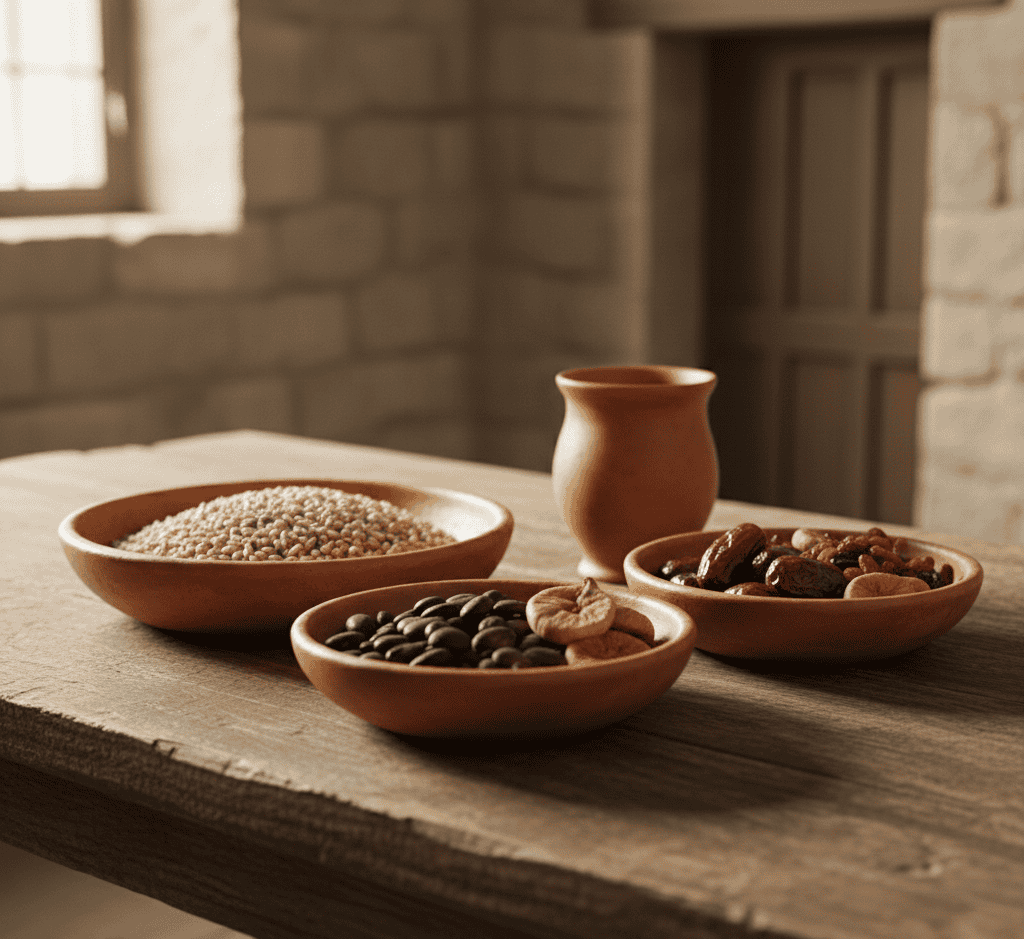
One of the simplest theories is that the Nephilim ate the same foods as everyone else around them.
The Bible does not specifically mention any special diet for the Nephilim.
If they lived among ordinary people, they likely would have had access to the same crops, fruits, vegetables, grains, and livestock available before the Flood.
Many scholars favor this explanation because it requires the fewest assumptions.
Ancient societies depended heavily on agriculture, and food production would have been essential for any large population.
Even if the Nephilim were physically larger or stronger than other people, that does not necessarily mean their food was different.
According to this view, their diet may have been ordinary even if their reputation was extraordinary.
2. Larger Quantities of Food
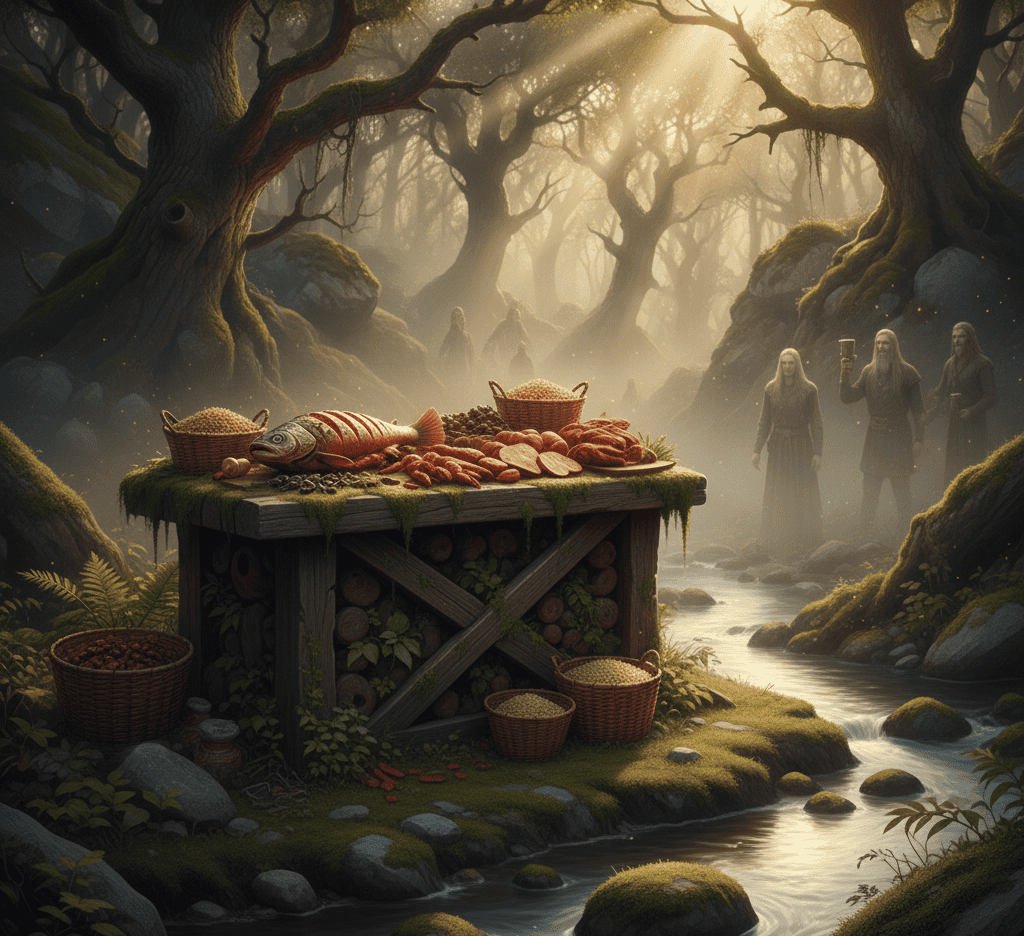
Another popular theory suggests that the Nephilim simply ate much more food than ordinary humans.
Many ancient traditions describe them as giants or individuals of exceptional size.
If these descriptions were literal, maintaining such large bodies would have required greater amounts of nourishment.
This idea appears frequently in later folklore and speculative writings.
Supporters of this theory imagine enormous meals consisting of grains, fruits, meat, and other common foods.
Stories about giants in various cultures often portray them as having unusually large appetites.
Although Scripture does not discuss the subject directly, many people find it reasonable to assume that larger individuals would have consumed larger portions.
This theory remains one of the most commonly discussed possibilities.
3. Livestock and Herd Animals
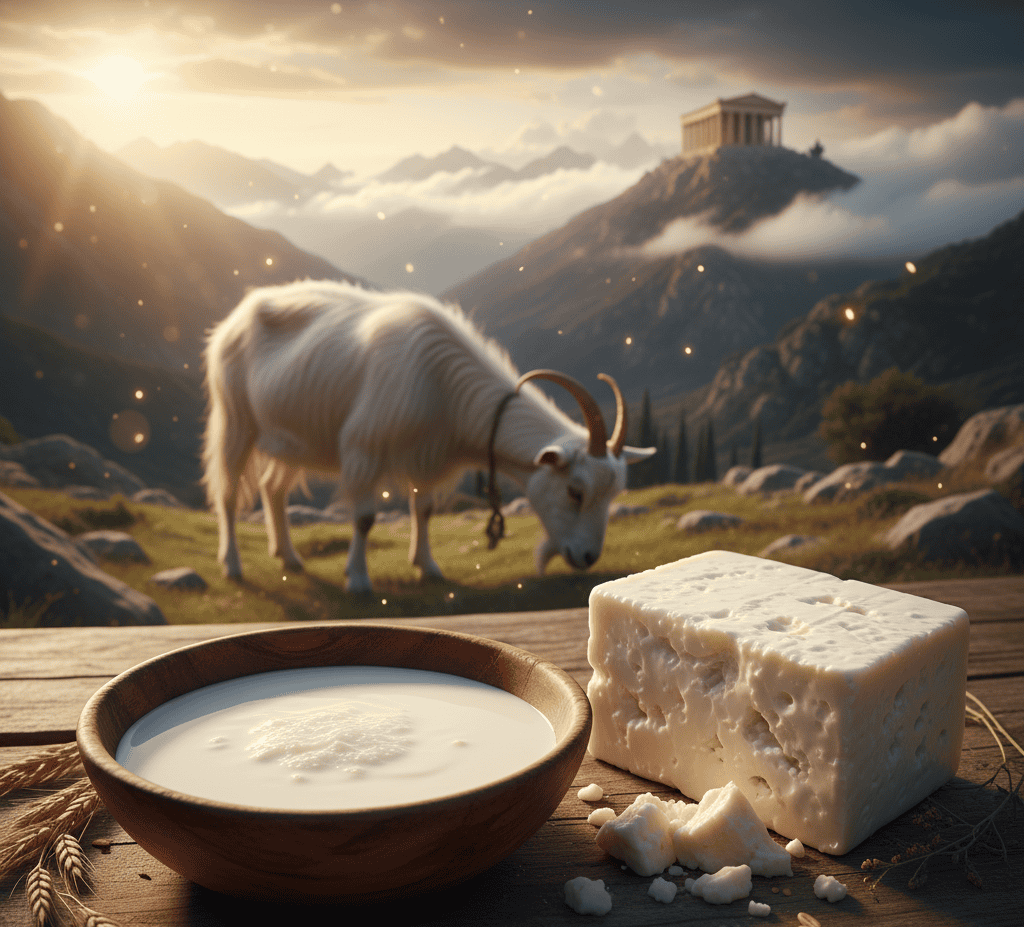
Some theories suggest the Nephilim may have relied heavily on domesticated animals for food.
Ancient communities often raised sheep, goats, cattle, and other livestock.
These animals provided meat, milk, and other resources that supported daily life.
If the Nephilim were powerful figures within society, they may have had access to large herds and plentiful supplies of food.
Ancient traditions frequently associate mighty warriors and rulers with livestock ownership.
Because animal husbandry played such an important role in early civilizations, many researchers believe livestock would likely have been part of any Nephilim diet.
This theory fits well with what is known about ancient agricultural societies.
4. Wild Game From Hunting

Another possibility is that the Nephilim consumed large amounts of wild game. Ancient people often supplemented farming with hunting.
Animals such as deer, wild goats, birds, and other creatures could provide valuable sources of food.
If the Nephilim possessed unusual strength or size, some speculate they may have been skilled hunters.
Legends from many cultures portray giant figures as powerful hunters capable of bringing down large animals.
While there is no direct biblical evidence for this idea, it remains a popular topic in discussions about pre-Flood life.
The image of mighty hunters roaming ancient landscapes has contributed significantly to this theory’s appeal.
5. Foods Mentioned in Ancient Jewish Traditions

Some later Jewish writings contain stories that expand upon the brief biblical references to the Nephilim.
These texts sometimes describe the giants as consuming enormous amounts of food.
Certain traditions suggest they exhausted natural resources because of their size and numbers.
These accounts go far beyond what appears in Scripture and should not be treated as biblical facts.
However, they have influenced how many people imagine the Nephilim.
According to these traditions, ordinary food supplies struggled to meet their needs.
Whether taken literally or symbolically, such stories helped shape later theories about the Nephilim’s diet and lifestyle.
6. Rare Fruits and Ancient Crops
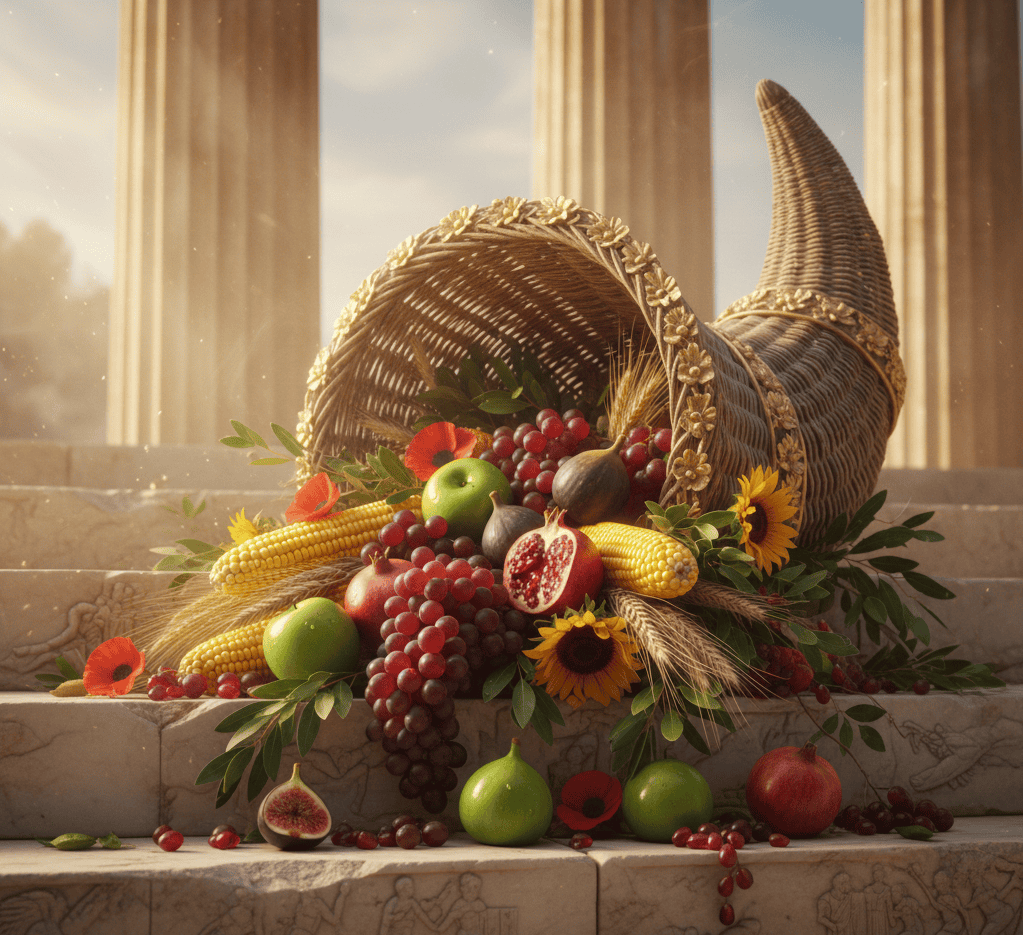
Some people speculate that the Nephilim ate fruits and crops that no longer exist today.
This theory is based on the idea that the world before the Flood may have been significantly different from the modern world.
Supporters sometimes point to the long lifespans mentioned in Genesis as evidence that ancient conditions were unique.
If the environment was different, certain plants may have been larger, more abundant, or entirely unknown today.
While there is little evidence for this claim, it remains popular in speculative discussions.
The possibility of lost crops and forgotten foods adds an element of mystery that continues to attract interest among readers of biblical history.
7. No One Really Knows

Perhaps the most accurate theory is also the simplest. No one truly knows what the Nephilim ate.
The Bible gives only a brief description of them and provides no information about their meals, agriculture, hunting practices, or daily routines.
Nearly every discussion about their diet is based on inference, folklore, ancient traditions, or speculation.
This uncertainty is one reason the Nephilim continue to fascinate readers thousands of years later.
The lack of information leaves room for countless interpretations and theories.
Whether viewed as giants, warriors, legendary heroes, or symbolic figures, the Nephilim remain one of the most mysterious subjects in biblical history.
Their unknown diet is just one of many questions that continue to spark curiosity and debate among scholars, historians, and readers alike.

Siempre sentí una fuerte conexión con lo Divino desde mi nacimiento. Como autora y mentora, mi misión es ayudar a los demás a encontrar el amor, la felicidad y la fuerza interior en los momentos más oscuros.