
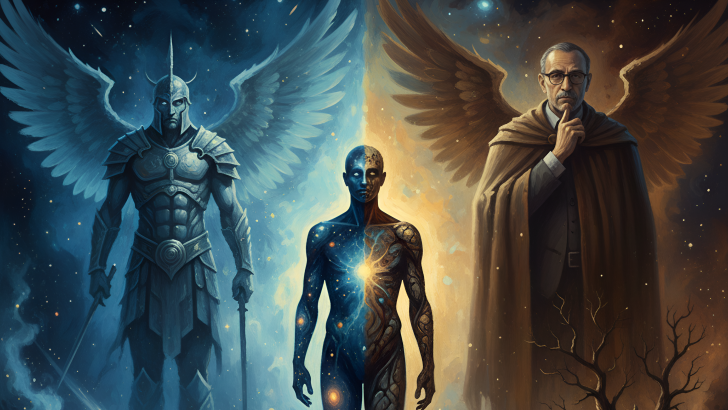
For centuries, the Nephilim have existed at the edge of belief, somewhere between myth, scripture, and whispered conspiracy.
Mentioned briefly in ancient texts, they are described as giants, warriors, and beings unlike ordinary humans.
According to legend, they were born when fallen angels, often called the Watchers, crossed a forbidden line and mixed with humanity.
Most people assume the Nephilim vanished long ago, wiped out by floods, wars, or divine judgment.
But a growing number of researchers, whistleblowers, and alternative historians believe the story did not end in ancient times.
They claim traces of Nephilim bloodlines still exist today, hidden within ordinary-looking humans who carry something ancient, powerful, and deeply misunderstood.
The Ancient Origins of the Nephilim
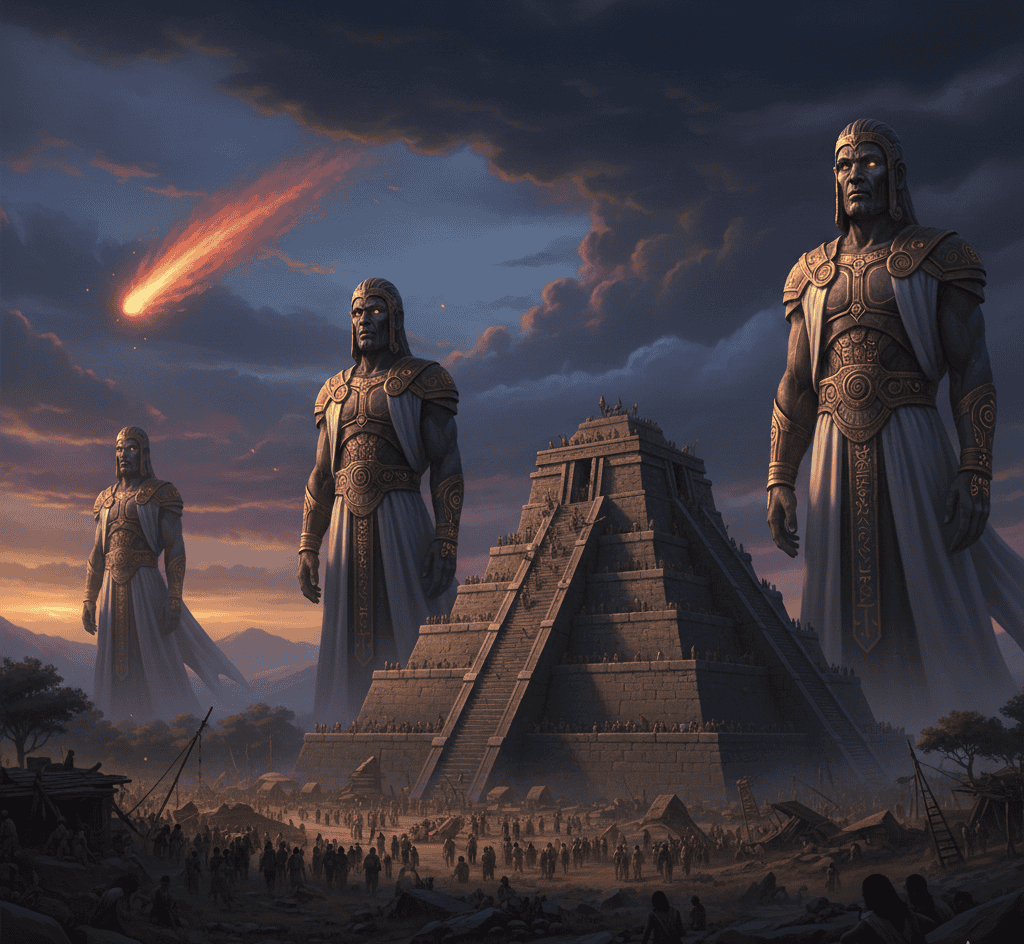
The earliest references to the Nephilim appear in the Book of Genesis and later apocryphal texts like the Book of Enoch.
These writings describe a time when the Watchers descended to Earth and took human partners, producing offspring who were stronger, taller, and more intelligent than normal humans.
These children were said to possess unnatural abilities, immense strength, and a hunger for power.
Ancient cultures described them as giants, but some scholars argue that giants may have been symbolic, representing their influence rather than physical size alone.
According to these texts, the Nephilim disrupted the natural order. They ruled over humans, demanded worship, and introduced forbidden knowledge.
This imbalance was said to be one of the reasons for divine intervention and catastrophic events like the Great Flood.
However, not all Nephilim were portrayed as monsters. Some stories describe them as brilliant leaders, builders, and warriors who shaped early civilizations.
Their bloodlines, it is believed, did not simply disappear. Instead, they thinned over generations, blending into humanity while retaining traces of their origin.
Alternative historians point out that many ancient royal families claimed descent from gods or divine beings.
These claims may not have been symbolic at all. They could have been attempts to preserve and legitimize Nephilim ancestry, keeping power within specific bloodlines.
Signs of Nephilim Blood in Modern Humans
Those who believe Nephilim blood still exists today point to unusual traits found in certain individuals. These traits are not always physical.
While ancient texts describe giants, modern Nephilim descendants are said to blend in easily. The differences are often psychological, emotional, or neurological.
Some researchers claim these individuals show heightened intelligence, strong intuition, and an unusual sense of purpose from a young age.
Whistleblowers from genetic research fields have hinted that certain rare genetic markers do not align cleanly with known human evolution.
While mainstream science dismisses these claims, alternative researchers argue that gaps in human DNA could point to ancient hybridization.
They suggest that what religion once called angels may have been non-human intelligences, and their genetic influence still lingers.
People believed to carry Nephilim DNA often report feeling disconnected from society, struggling to fit into social systems, yet feeling driven to lead, create, or challenge authority.
Some feel drawn to ancient knowledge, sacred geometry, or lost histories without knowing why.
Supporters of this theory argue that these traits echo the dual nature of the Nephilim, part human, part something else.
Why the Nephilim Bloodlines Were Hidden
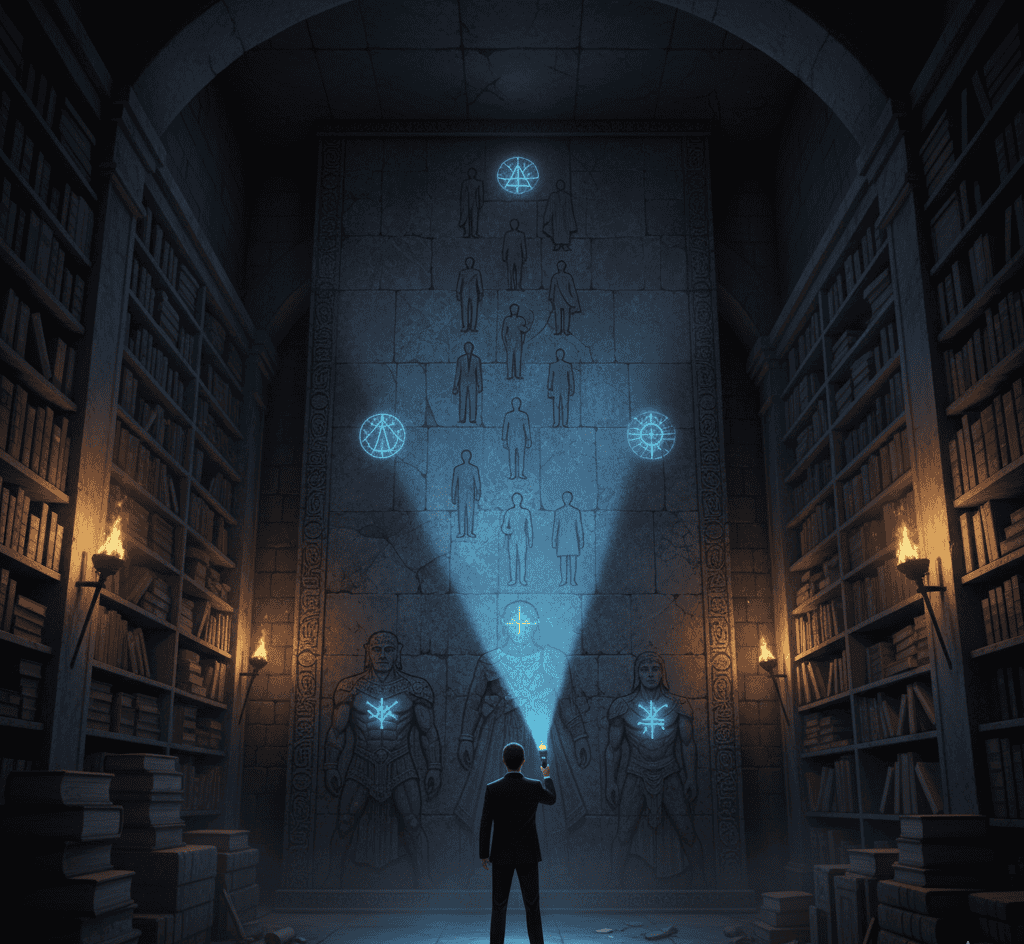
If Nephilim descendants still exist, the question becomes why this knowledge would be hidden.
Some researchers believe ancient religious institutions worked to erase or demonize Nephilim history to restore spiritual authority.
By framing the Nephilim as purely evil, any surviving bloodlines would be discouraged from acknowledging their origins.
Modern conspiracy theories go further. They suggest that powerful families and elites are aware of their Nephilim ancestry and have guarded it for generations.
According to these claims, certain leadership traits associated with Nephilim blood made these families naturally dominant in politics, finance, and warfare.
Whether true or not, many ancient dynasties emphasized divine heritage as proof of their right to rule.
Whistleblowers also claim that modern governments and private research groups study unusual individuals quietly.
These studies allegedly focus on cognition, resilience, and influence rather than physical strength.
The idea is not that Nephilim descendants are superhuman, but that they may process information differently, giving them advantages in leadership and innovation.
Critics argue this thinking borders on fantasy, but supporters counter that history itself is filled with figures who seemed far ahead of their time.
They ask whether these individuals were simply geniuses, or whether they carried echoes of something older and more complex.
What the Nephilim Myth Says About Humanity Today
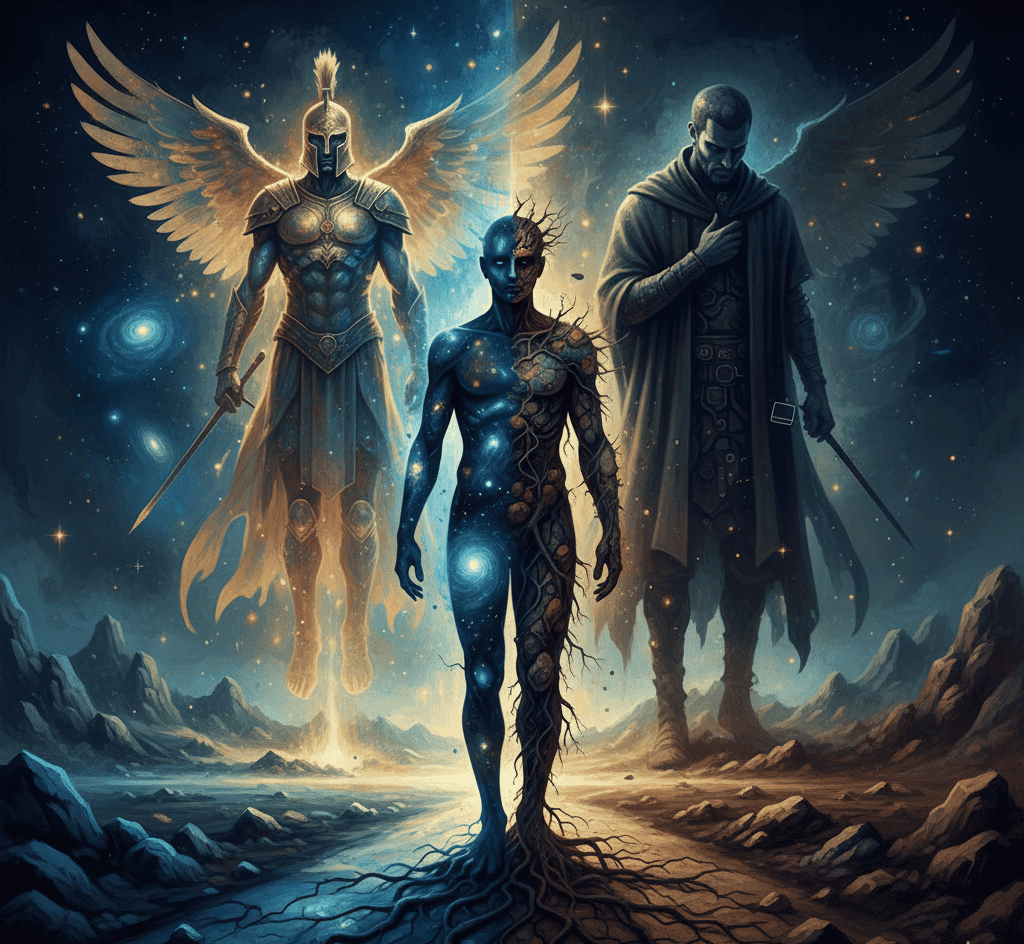
Whether taken literally or symbolically, the story of the Nephilim reveals something important about human identity.
It reflects humanity’s long-standing belief that we are not entirely ordinary, that something greater shaped us.
The idea of fallen angel DNA challenges clear divisions between divine and human, good and evil, heaven and Earth.
For some, believing in Nephilim bloodlines offers comfort. It explains feelings of alienation, purpose, or inner conflict.
For others, it raises fears about power, corruption, and inequality. Ancient texts warned that Nephilim influence led to imbalance, suggesting that strength without wisdom can be dangerous.
Modern interpretations often focus less on fear and more on responsibility. If traces of Nephilim DNA exist, then those who carry it are still human, shaped by choice rather than destiny.
The fallen angels were punished not for their power, but for how they used it. This lesson remains relevant today.
In the end, the Nephilim may not be walking giants or hidden monsters. They may be reminders that humanity itself is a blend of light and shadow, instinct and intellect, creation and destruction.
Whether Nephilim DNA is real, symbolic, or something in between, the myth continues to resonate because it asks a timeless question.
What does it truly mean to be human, and how do we handle the power we are given?

Siempre sentí una fuerte conexión con lo Divino desde mi nacimiento. Como autora y mentora, mi misión es ayudar a los demás a encontrar el amor, la felicidad y la fuerza interior en los momentos más oscuros.