
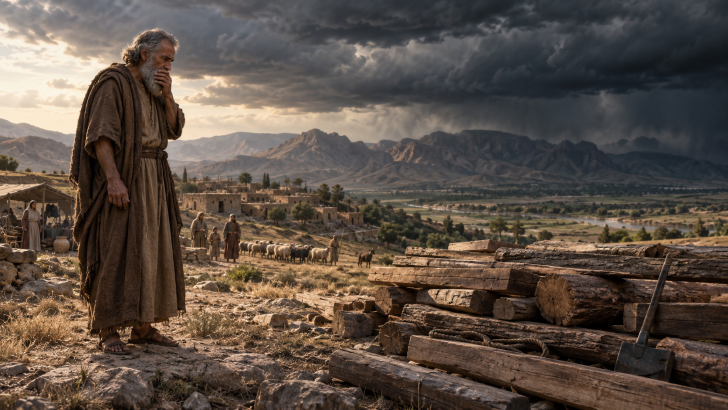
The story of Noah depends on one huge decision. God tells Noah that a devastating flood is coming and gives him instructions for building an ark.
Noah does something extraordinary. He listens. Genesis does not describe Noah arguing, delaying the project, or asking for another sign.
It simply tells us that Noah did what God commanded him to do. But imagine for a moment that he had refused.
What if Noah had looked at the enormous task ahead of him and said no?
The Bible never tells us what would have happened, so there is no official answer.
We can only explore the possibilities by looking at Noah’s role in Genesis and asking how the story might have changed.
Here are five things that might have happened if Noah had refused to build the ark.
1. Noah and His Family Might Not Have Survived the Flood
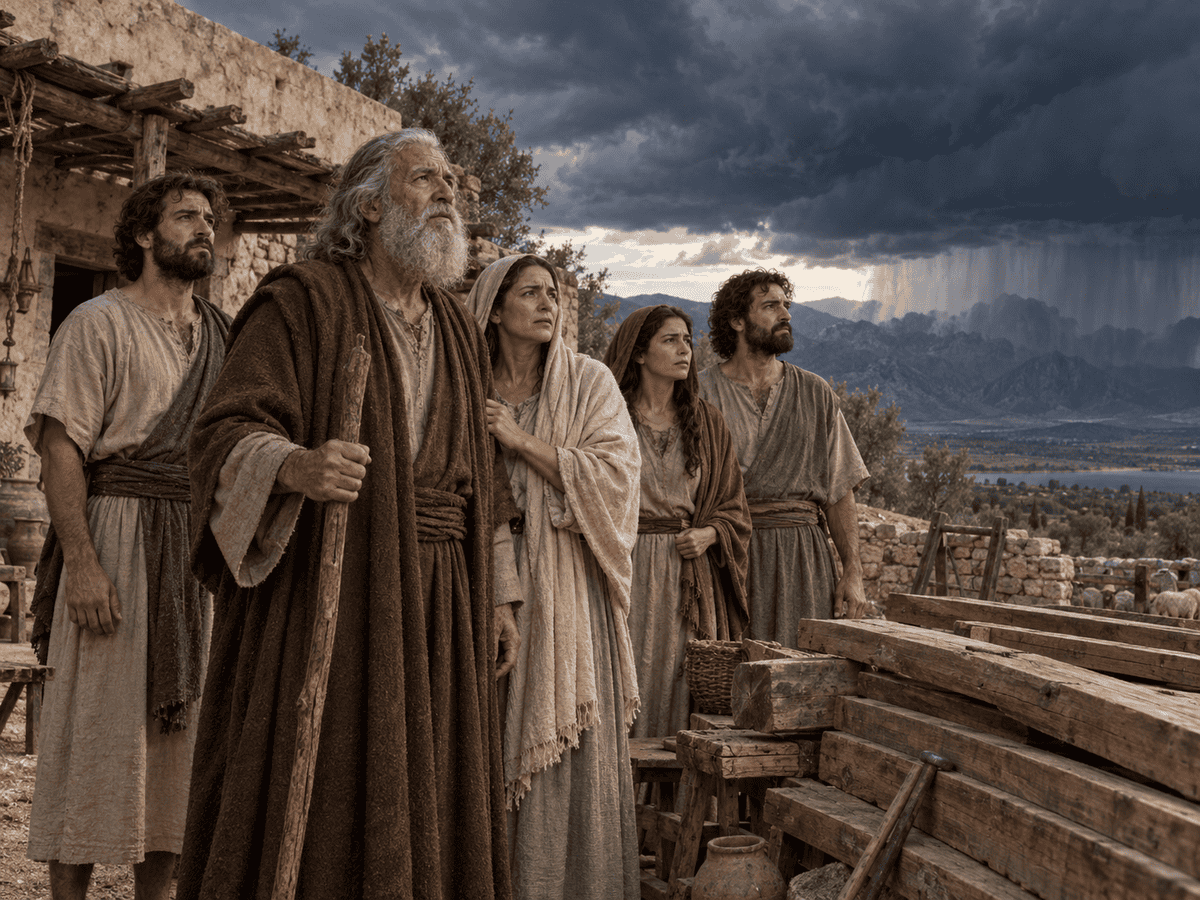
The most immediate problem would have been survival.
In Genesis, the ark is the means through which Noah, his wife, his sons, their wives, and the animals with them survive the flood.
Without it, they would have had no protection described in the story.
Genesis presents the flood as overwhelming. This is not a storm that Noah could simply wait out inside his house.
The ark matters because God gives Noah a specific way to prepare for what is coming.
If Noah had knowingly refused to build it, the natural conclusion is that he and his family would have been in the same danger as everyone else.
Could God have saved them another way? Of course, within the logic of the biblical story, God is not limited to one method.
But Genesis does not give us another one. No ark means the entire survival story suddenly becomes uncertain.
2. Someone Else Might Have Been Chosen
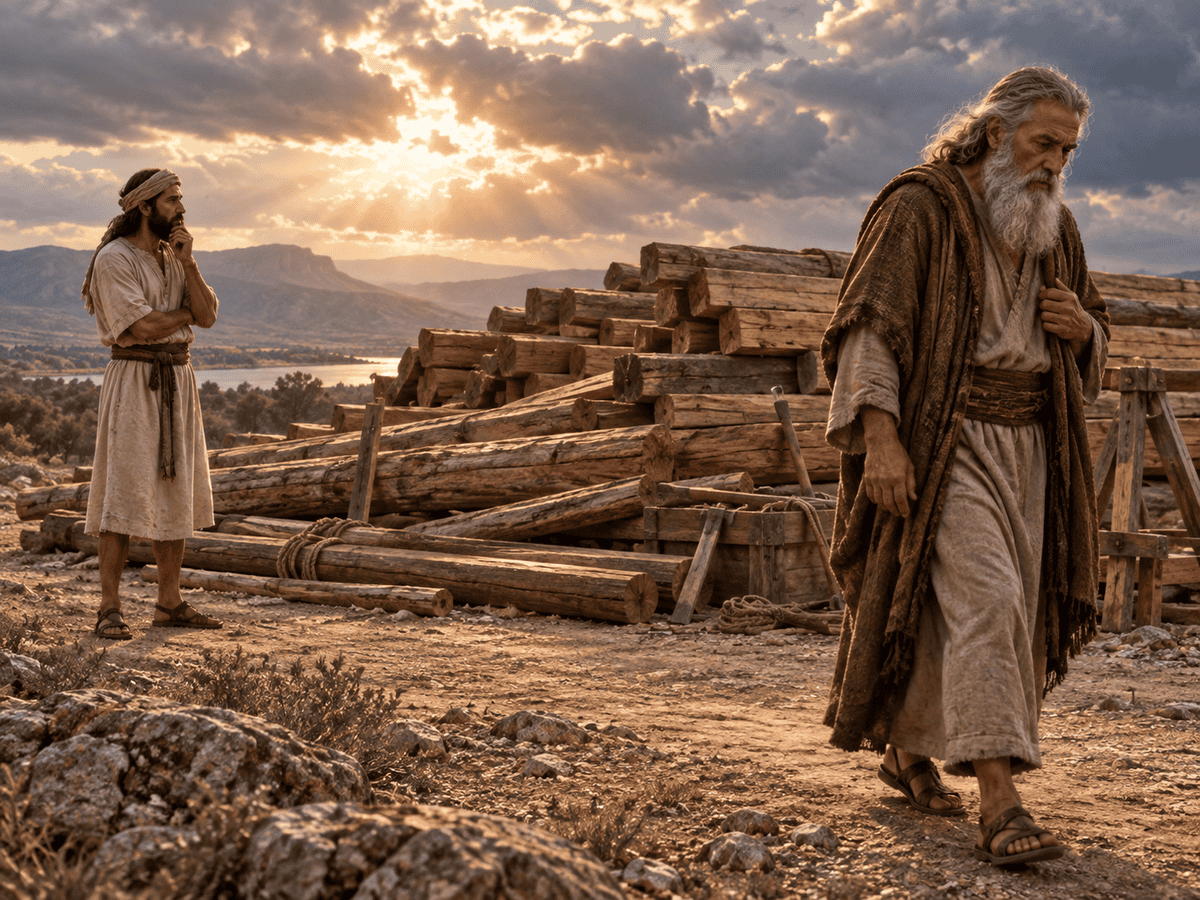
This possibility is especially interesting. If Noah refused, would God simply choose another person?
Noah is introduced as a righteous man who “walked with God.” He stands apart from the violent and corrupt world described around him.
That is why his imagined refusal would change his character so dramatically.
The Noah we meet in Genesis is Noah precisely because he trusts enough to act.
If he suddenly refused, perhaps someone else willing to obey could have been given the task. We see similar patterns elsewhere in the Bible.
People can resist a calling. Moses objects when God sends him to Egypt. Jonah famously runs away from his mission.
Their stories become complicated, but God’s larger purpose does not simply disappear because a human being hesitates.
Perhaps Noah would have received another chance. Perhaps another family would have been chosen.
Or perhaps events would have unfolded in a completely different way.
Genesis gives us no answer because Noah never forces the question.
3. The Animals Would Need Another Way to Survive
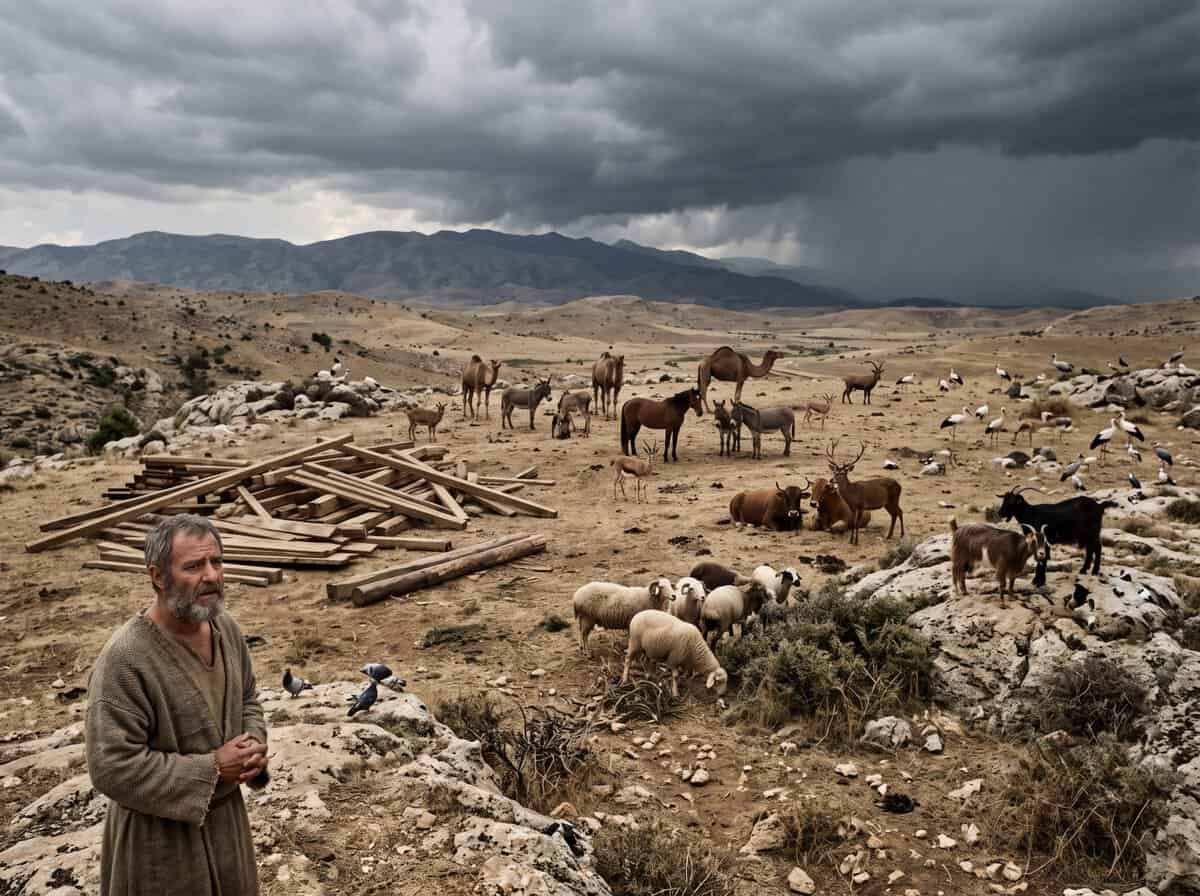
Noah’s ark is not only about saving humans. Animals are central to the story too.
God tells Noah to bring living creatures into the ark so that they can survive with his family.
Genesis gives different instructions concerning animals at different points in the story, including distinctions involving clean animals.
Without Noah’s cooperation, this entire plan would be interrupted. Who would gather them?
Where would they go? Would another ark be built? Would God preserve animal life in some completely different way?
Again, we are outside what Genesis actually tells us. But the question shows how much responsibility Noah accepts.
Building the ark is not simply a personal escape plan. His obedience becomes connected with the preservation of life beyond his own household.
4. The Biblical Story of a New Beginning Would Look Completely Different
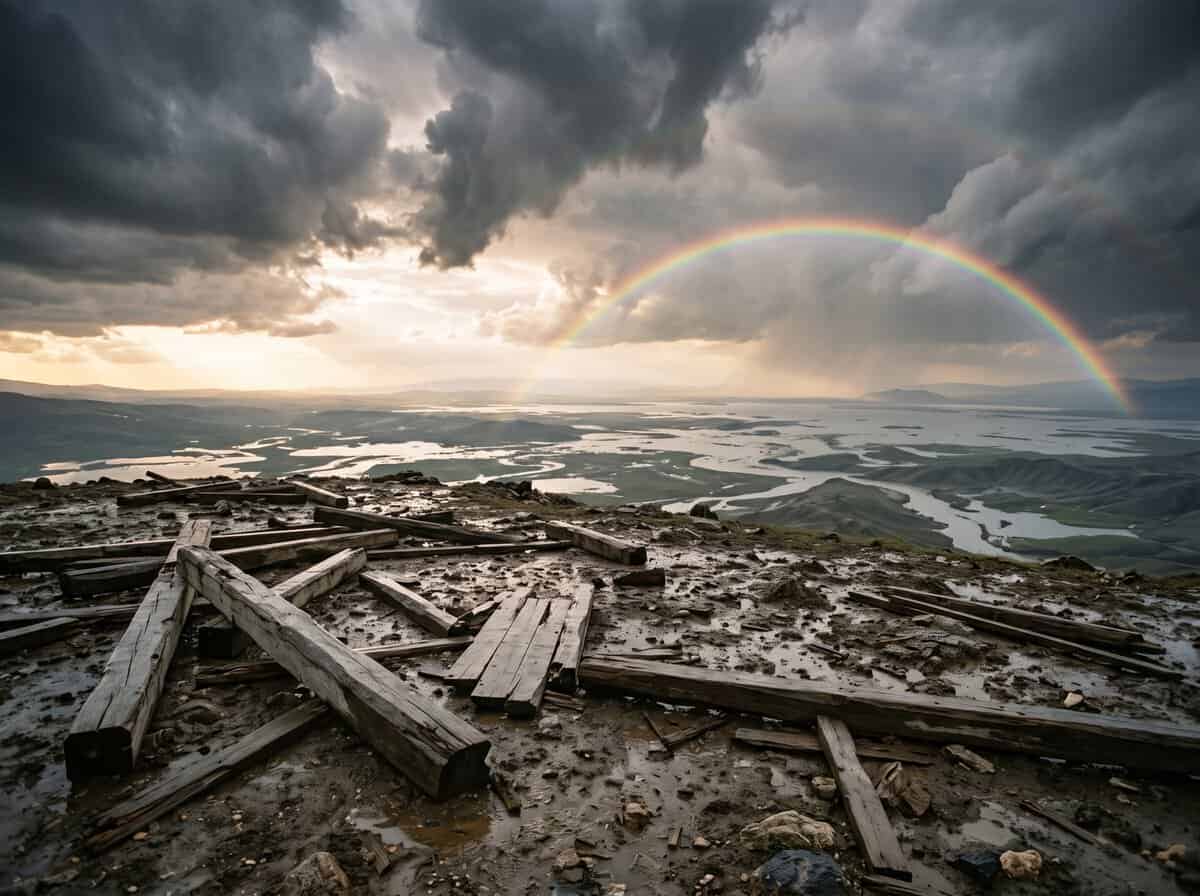
The flood is not the end of Noah’s story. What happens afterward is just as important.
When Noah leaves the ark, the world has changed.
He builds an altar, and Genesis then describes God establishing a covenant involving Noah, his descendants, and living creatures.
The rainbow becomes the famous sign connected with that covenant.
God promises that a flood will never again destroy all life in the same way.
Noah and his family then become the starting point for the human world that follows in the biblical story.
If Noah had refused to build the ark, all of this would need to happen differently.
There might be another survivor. There might be another covenant figure.
Or perhaps the entire structure of the story would change. Noah’s importance comes not only from surviving a disaster.
He becomes the bridge between the world before the flood and the world after it. Without his obedience, that bridge disappears.
5. Noah’s Story Would Become a Warning About Refusing Instead of a Story About Trust
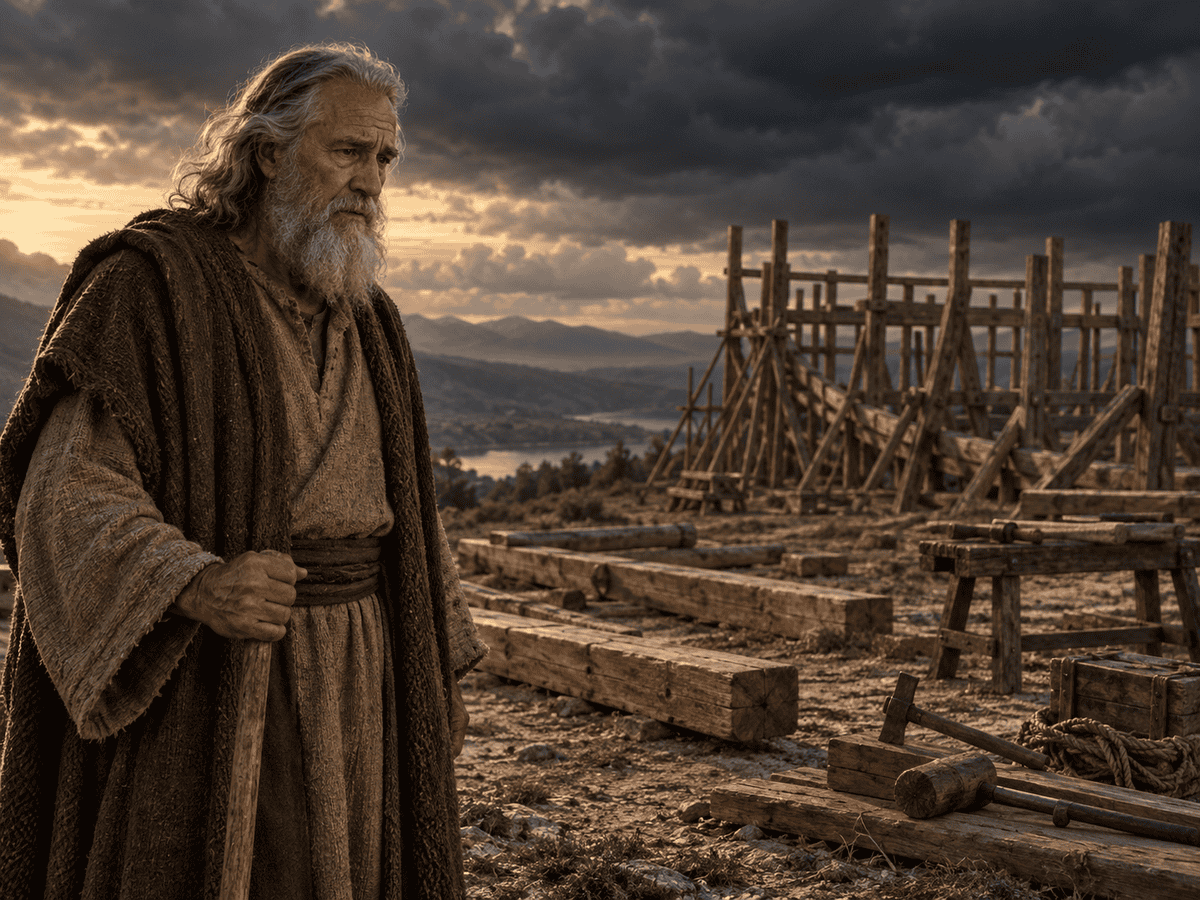
Perhaps the biggest change would be the meaning people take from Noah’s story. In the Bible, Noah becomes an example of faith.
He receives a warning about something that has not happened yet. Then he starts building.
That distinction matters. Noah does not merely say that he believes God. He changes what he is doing because of that belief.
The New Testament book of Hebrews presents Noah as acting by faith after being warned about events he could not yet see.
Now imagine the opposite story. Noah receives the warning. He understands the instructions.
Then he decides not to act. Suddenly, the lesson changes completely.
Instead of showing what trust can look like, his story would show the danger of hearing a warning and doing nothing about it.
And that may be the most interesting part of this thought experiment. Noah does not control the flood.
He cannot control what everyone around him chooses. He cannot know every detail of what life will look like afterward.
He is simply given one enormous responsibility and decides to follow through.
If Noah had refused, Genesis would lose one of its clearest examples of a person acting on faith before he could see the outcome.
The ark is the famous part of the story. But before there was an ark, there was a decision to start building one.

Siempre sentí una fuerte conexión con lo Divino desde mi nacimiento. Como autora y mentora, mi misión es ayudar a los demás a encontrar el amor, la felicidad y la fuerza interior en los momentos más oscuros.