
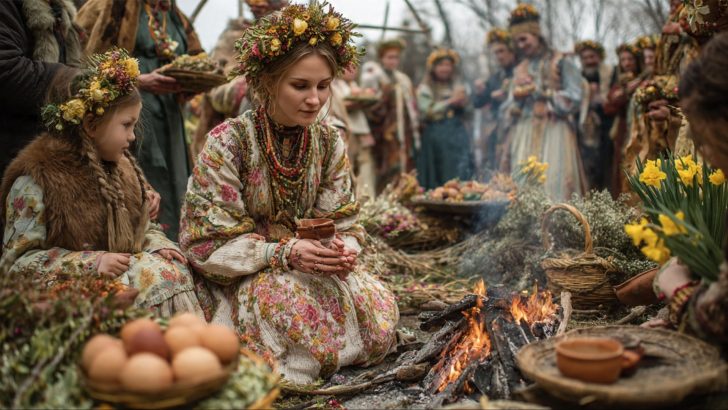
Spring has always been a special time for agricultural societies.
Nature wakes up again, and the cycle of life continues after a barren winter.
For archaic pagan communities, seasons made the difference between life and death, so spring was by far the most celebrated time of the year.
From ancient Greece to China, spring festivals have been filled with joy, hope, and symbolism.
Let’s explore how different pagan cultures welcomed back the most joyful season!
1. Greek: The Season of Demeter and Persephone

The ancient Greeks had spring festivals, most notably the Eleusinian Mysteries and the celebrations for Demeter and Persephone.
These pagan goddesses represented the land’s fertility and the cycle of life and death.
The story of Persephone‘s annual descent into the Inframundo symbolized death, with her return marking rebirth and renewal.
Greeks did processions, offered grains, and held rituals to make sure the crops would grow well.
They believed that these festivities kept the earth fertile and the harvest plentiful.
Spring was a fulfilled promise of life constantly renewing itself, and the confirmation that the same cycle of rebirth awaits us.
2. Roman: Floralia
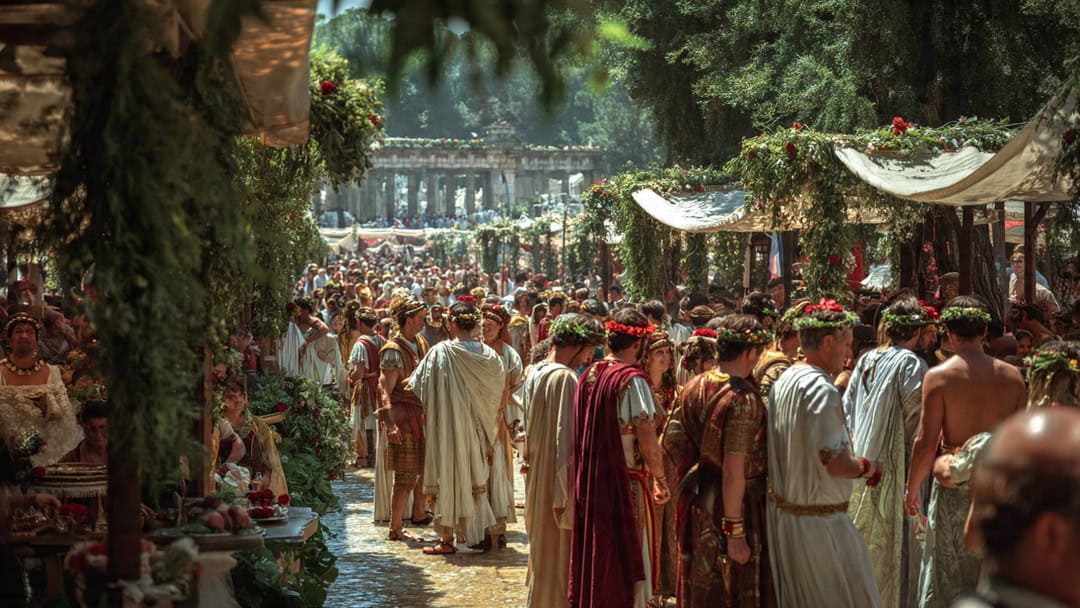
The Romans celebrated spring with a festival called Floralia, dedicated to Flora, the goddess of flowers.
It took place from late April to early May and was a big, colorful event.
People decorated the streets with flowers, wore bright clothes, and enjoyed theatrical shows and games.
They also held special events called Ludi Florales, which included performances and athletic contests to honor fertility and prosperity.
With these pagan festivities, they invited warmth and abundance back into their lives.
Romans believed that by celebrating Flora, they could ensure a flourishing year filled with buena fortuna.
It was a lively way to part with winter and welcome in the season of growth.
3. Norse: Spring Blót
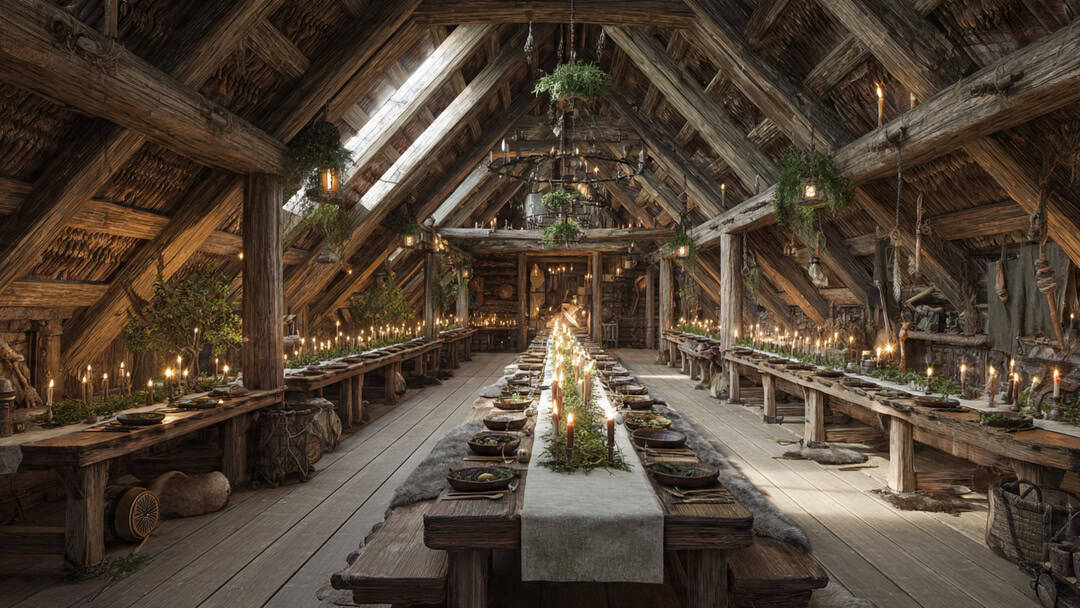
Norse pagans welcomed spring through a ritual called the spring blót, meaning spring sacrifice.
These rituals involved offering sacrifices to Freyr and Freyja, to secure the fertility of the land and livestock.
The community held a great feast, drank, and celebrated the end of winter and the return of life.
Norse spring festivities are also associated with Ostara, though historians mostly agree that this holiday came with the neo-pagan and revival movement.
It’s linked to the Germanic goddess Eostre, and it’s celebrated much like Easter; besides, that’s how Easter was named.
The symbols of Ostara were eggs and flowers, which highlight the season of rebirth and budding life.
Naturally, crops were planted during this period, as people had high hopes for a good harvest.
These customs marked the return of longer days and warmer weather, and it was a great time of hope in regions that were harsh and cold most of the year.
4. Slavic: Maslenitsa
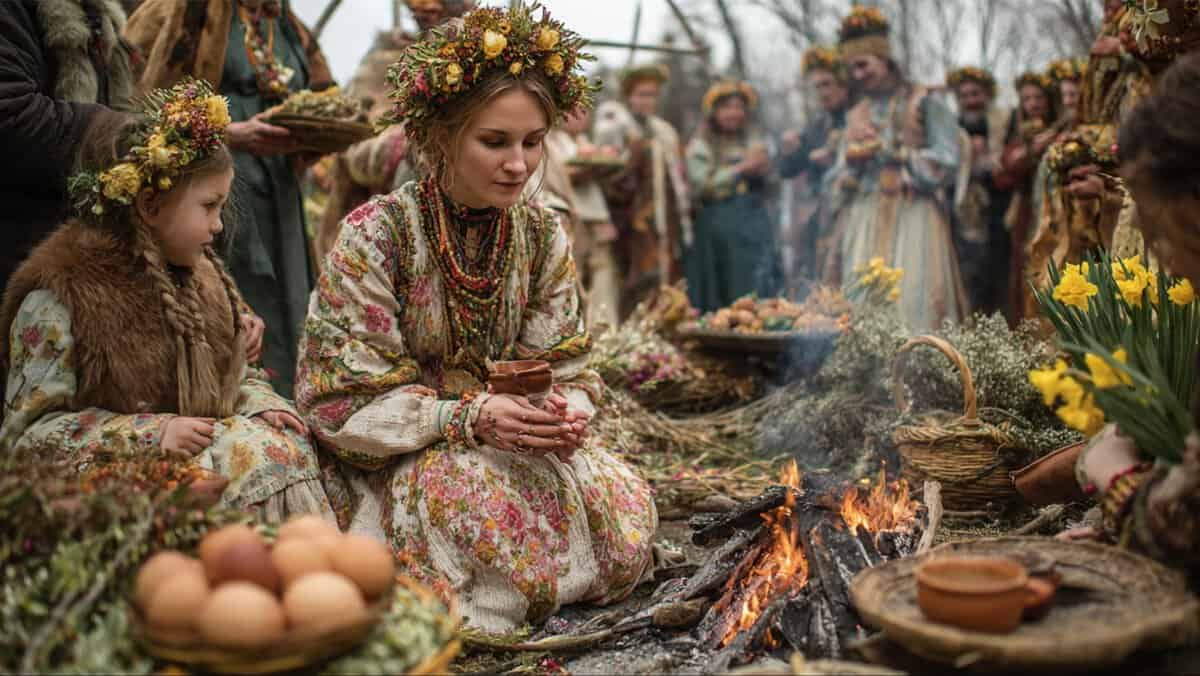
Slavic pagans celebrated Maslenitsa as a way to send off winter and its dark goddess, Morana.
It was held either in late winter or early spring, and it was a week-long celebration, filled with food and fun.
It’s said that pancakes were a favorite dessert for Maslenitsa, as they symbolized the sun and warmth.
Slavs also burned effigies of Morana, mostly made of straw, to symbolically kill the winter and welcome spring.
Singing, dancing, lighting fires, and togetherness marked this festival.
It was a week of fun and joy, celebrating the relief of escaping the grip of winter.
5. Celtic: Imbolc
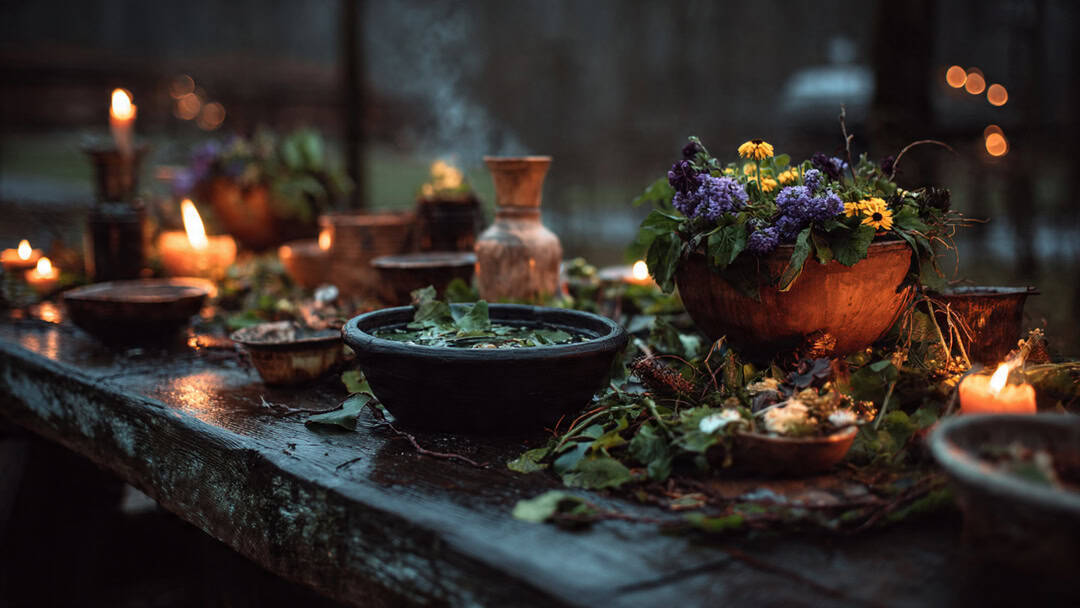
Pagan Celts celebrated Imbolc on February 1st, a festival honoring the goddess Brigid, who represented fertility and healing.
They lit candles and made offerings of milk, grains, and herbs to invite growth and protection in the season of new beginnings.
People also crafted Brigid’s crosses from straw, which were another symbol of protection.
Imbolc was seen as a boundary between winter and spring, a time when the land begins to wake up, and new life is on the horizon.
Its symbols are the sheep y el snowdrop flower. The snowdrop is one of the first blooms to appear at the end of winter, and February is the time when lambs are born.
Imbolc was a gentle, hopeful festival, focused on nurturing and growth.
6. Mayan: Honoring Chaac

While the Mayan culture was entirely different from European paganism, the Mayas also marked the seasons with important agricultural rituals.
Their focus was on planting and ensuring enough rain for crops.
They held ceremonies at sacred sites, offering prayers and sacrifices to the rain god Chaac, asking for water and fertility.
These rituals were meant to keep the cycle of life moving by ensuring the land would produce enough food.
For the Maya, much like the other cultures, spring was a time of rebirth through planting and growth.
Their celebrations showed a deep respect for nature and reverence for rain.
7. Chinese: The New Year
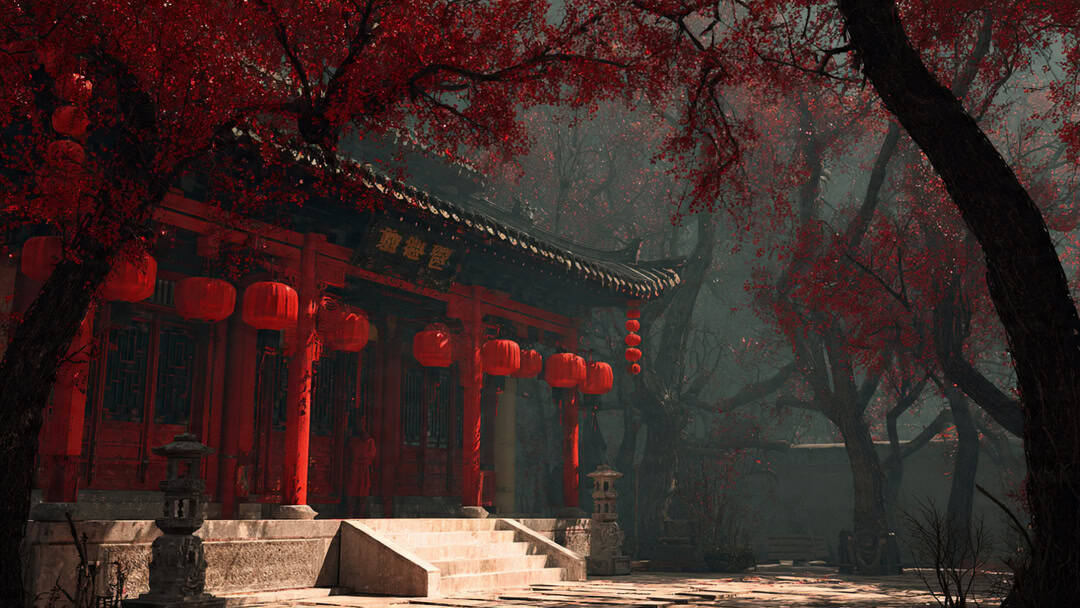
Chinese New Year begins around late January or early February.
It’s a time devoted to welcoming a new year, celebrating spring, and banishing bad luck.
People clean their homes and decorate them with red. They also prepare celebratory food.
Visiting family and friends, dragon dances, and lighting fireworks are also beloved activities for the festival.
The New Year begins with spring, which highlights the themes of prosperity and luck even more.
The nature also grows more beautiful, as plum and peach blossoms start blooming.

A little Aquarius, devoted to writing and embroidery. Through my writing, I hope to empower readers to align with their true selves and navigate life’s mysteries with confidence.