

For thousands of years, many cultures believed that nature could reveal hidden knowledge.
Certain plants became especially important in divination practices, rituals, and folk traditions.
Some were used in dreams, others in ceremonies, and a few were simply observed for signs and omens.
People often looked to these plants for clues about love, prosperity, weather, health, or important life decisions.
Maybe it could be fun to try some of these plants to see the future paths. Here are eight plants that were once used to predict the future.
1. Mugwort
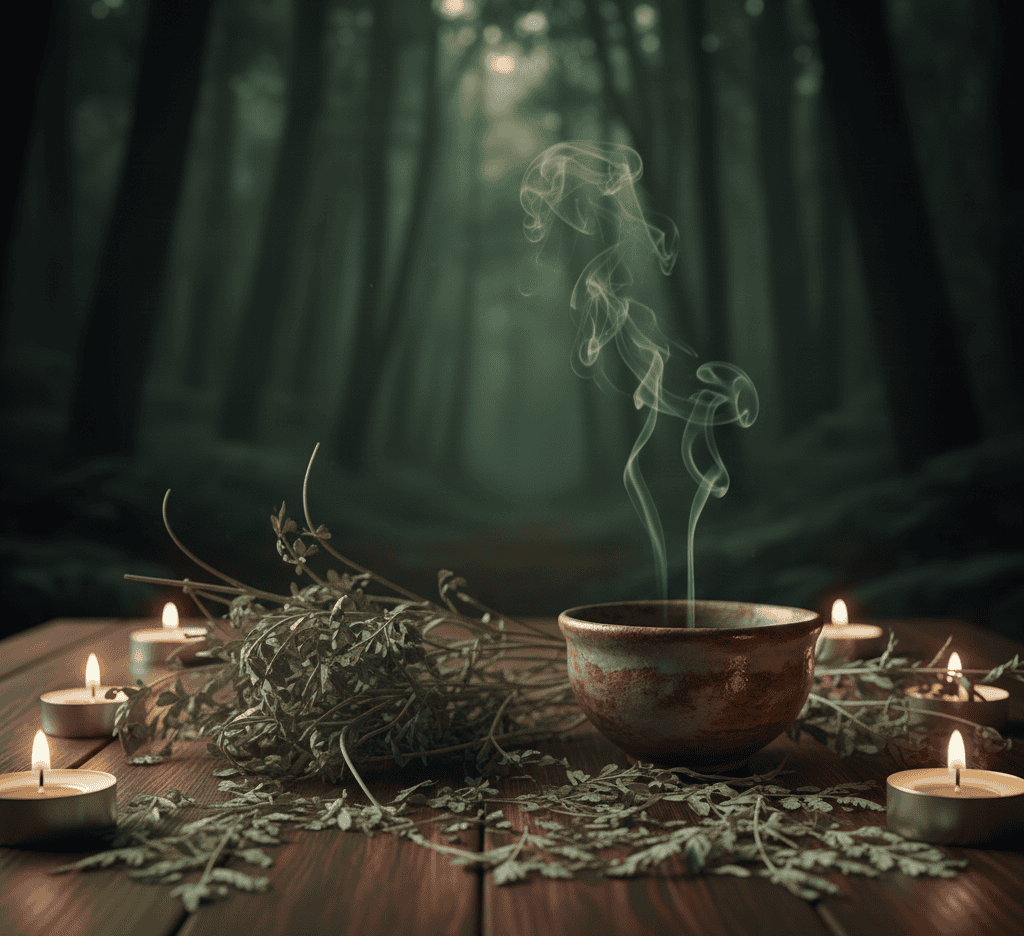
Mugwort was one of the most famous plants connected to divination and prophecy.
For centuries, people across Europe and parts of Asia associated it with dreams, intuition, and spiritual insight.
Some traditions involved placing mugwort near a bed before sleep.
People believed this could encourage vivid dreams that might reveal important messages or future events.
Because dreams were often considered a gateway to hidden knowledge, mugwort gained a reputation as a plant connected to foresight.
It frequently appeared in folklore involving visions and supernatural experiences.
Its mysterious reputation helped it become one of the most widely recognized divination plants in history.
Even today, mugwort remains strongly linked to ancient traditions concerning dreams and symbolic guidance.
2. Bay Laurel

The bay laurel was highly respected in the ancient Mediterranean world.
It became especially associated with prophecy through the worship of Apollo.
At the famous sanctuary of Delphi, laurel leaves played an important role in sacred rituals.
Ancient writers described priests and priestesses using the plant during ceremonies connected to divine guidance.
Because of its connection to Apollo, the laurel became a symbol of wisdom and prophetic insight.
People believed the plant could help create a spiritual connection with higher knowledge.
Its leaves were also used in crowns awarded to poets and scholars.
The bay laurel’s strong association with prophecy made it one of the most important sacred plants in the ancient world.
3. Rowan

Rowan trees have long held a special place in Celtic and northern European folklore.
Their bright red berries and distinctive appearance helped them gain a reputation as magical trees.
Many traditions associate rowan with protection, wisdom, and supernatural knowledge.
Some people believed the tree could help reveal hidden truths or warn of future dangers.
Branches were sometimes carried for protection or placed near homes.
Stories about rowan frequently involved magical beings, sacred places, and mysterious signs.
Because of its strong presence in folklore, the tree became connected with the idea of seeing beyond ordinary reality.
Its reputation as a protective and insightful plant endured through generations of storytelling.
4. Yarrow

Yarrow was often linked to divination and fortune-telling traditions.
Across Europe, people used the plant in various customs involving love, luck, and future events.
Some folk practices involved carrying yarrow or placing it beneath a pillow before sleep.
Others used it during rituals intended to gain insight into relationships or personal decisions.
The plant’s long history in folklore helped strengthen its reputation as a tool for discovering hidden information.
Because yarrow was common and easy to recognize, it became part of many local traditions.
Its connection to prediction and symbolic guidance made it one of the most frequently mentioned plants in folk divination practices.
5. Apple
The apple has appeared in myths, legends, and divination customs for centuries.
In many traditions, apples became connected to wisdom, knowledge, and future relationships.
One of the best-known examples involves love divination.
People sometimes used apple peels, seeds, or slices in folk customs intended to reveal clues about future marriage or romance.
Apples also appeared in myths involving sacred islands, magical gardens, and supernatural beings.
Their widespread availability helped them become part of everyday folklore.
Because apples were both familiar and symbolically important, they became one of the most common plants used in traditional fortune-telling customs throughout Europe.
6. Hazel
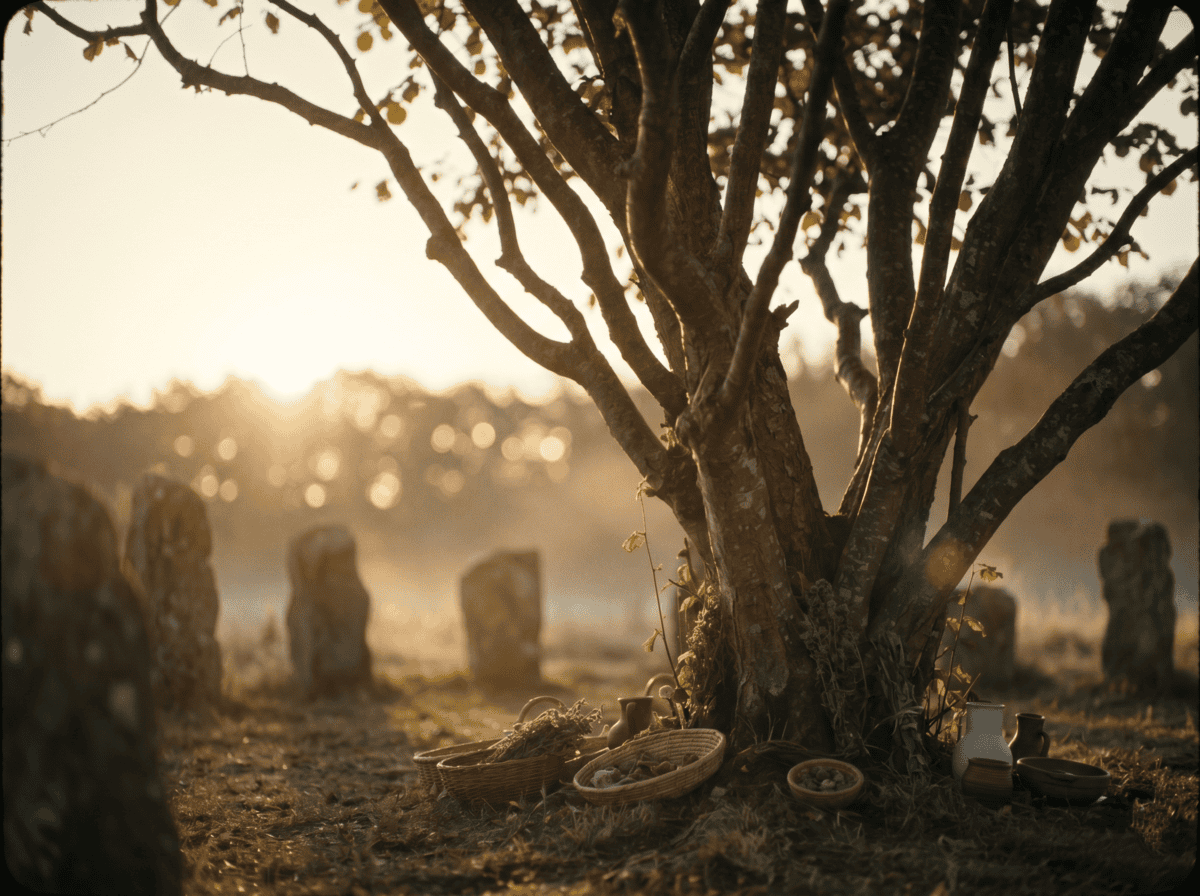
Hazel trees were highly respected in Celtic traditions. They were often associated with wisdom, inspiration, and hidden knowledge.
Ancient stories sometimes described sacred hazel trees growing near magical wells or sources of wisdom.
Because of these connections, hazel became linked to insight and prophecy.
Some traditions suggested that hazel branches could help people discover hidden truths or receive guidance.
The tree frequently appeared in legends involving poets, scholars, and seekers of knowledge. Its reputation extended far beyond ordinary practical uses.
For many generations, hazel symbolized the search for understanding and the belief that nature contained secrets waiting to be discovered.
7. Dandelion
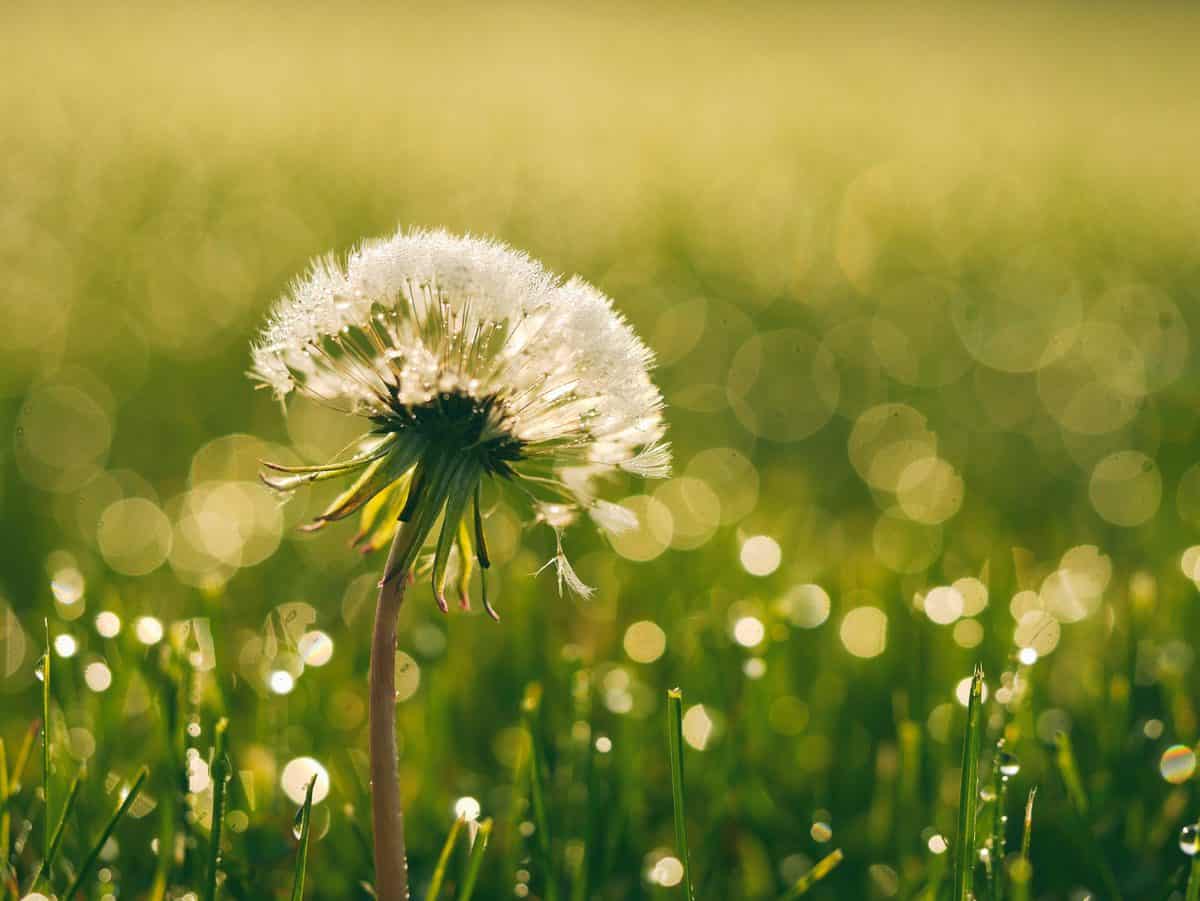
Today, many people know dandelions as common wildflowers, but they also played a role in folk divination.
One popular custom involved blowing the seeds from a dandelion head and interpreting the results.
Different regions developed different meanings for the number of seeds that remained or the speed with which they dispersed.
Some traditions connected these observations to future relationships, luck, or personal wishes.
Children often participated in these customs, helping preserve the traditions through generations.
The plant’s distinctive seed head made it ideal for simple forms of fortune telling.
Although playful by modern standards, these practices reveal how even ordinary plants became part of humanity’s fascination with the future.
8. Verbena
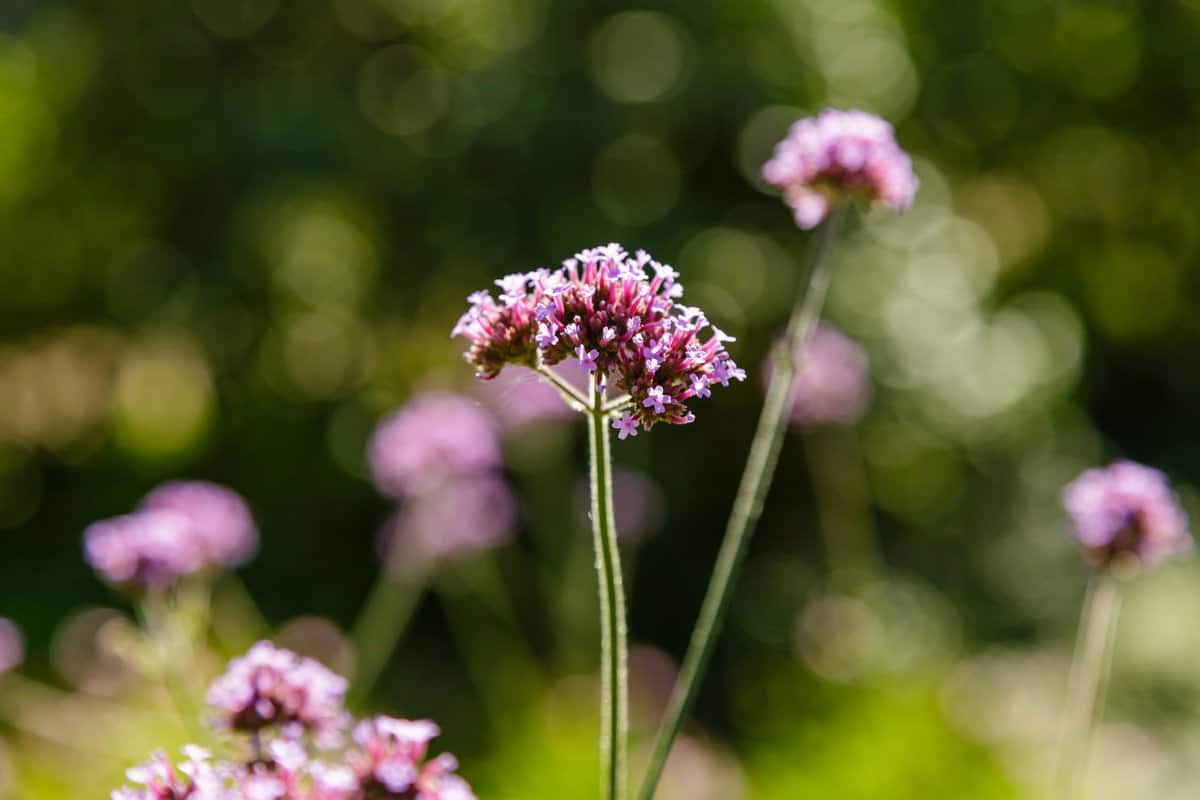
Verbena was considered a sacred plant in several ancient cultures.
It was often associated with spiritual practices, blessings, and ceremonial rituals.
Because of its respected status, some traditions connected verbena with prophecy and divine guidance.
The plant appeared in rituals intended to seek wisdom, protection, or insight into important decisions.
Ancient peoples sometimes viewed it as a bridge between the physical and spiritual worlds.
Its reputation spread through folklore, religious customs, and herbal traditions.
Over time, verbena became one of the best known plants associated with sacred ceremonies and symbolic prediction.
Its long history demonstrates how deeply many cultures believed that the natural world could offer clues about what lay ahead.

Siempre sentí una fuerte conexión con lo Divino desde mi nacimiento. Como autora y mentora, mi misión es ayudar a los demás a encontrar el amor, la felicidad y la fuerza interior en los momentos más oscuros.