
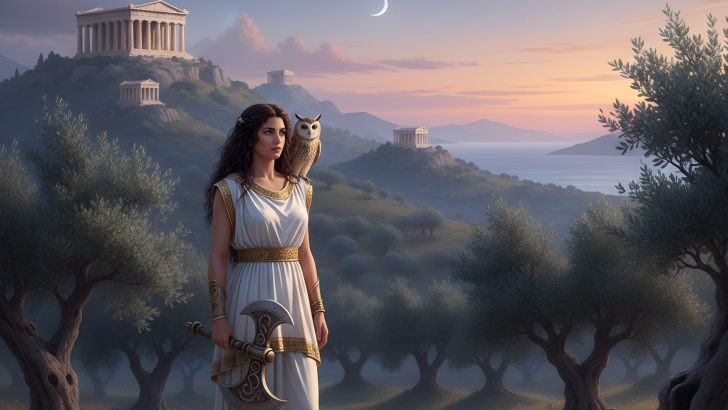
Ancient Greece was full of symbols that carried deep meaning. People used them in temples, pottery, jewelry, and writing to represent ideas beyond words.
These symbols were not just decorative. They held spiritual significance and were believed to connect humans to higher powers, nature, and the mysteries of life.
Even today, these symbols are studied and admired for their rich meanings. Each one has its own story, often linked to gods, heroes, and the natural world.
They show how people thought about life, protection, strength, and wisdom. Here are seven of the most powerful Greek symbols and what they meant spiritually.
1. The Labyrinth
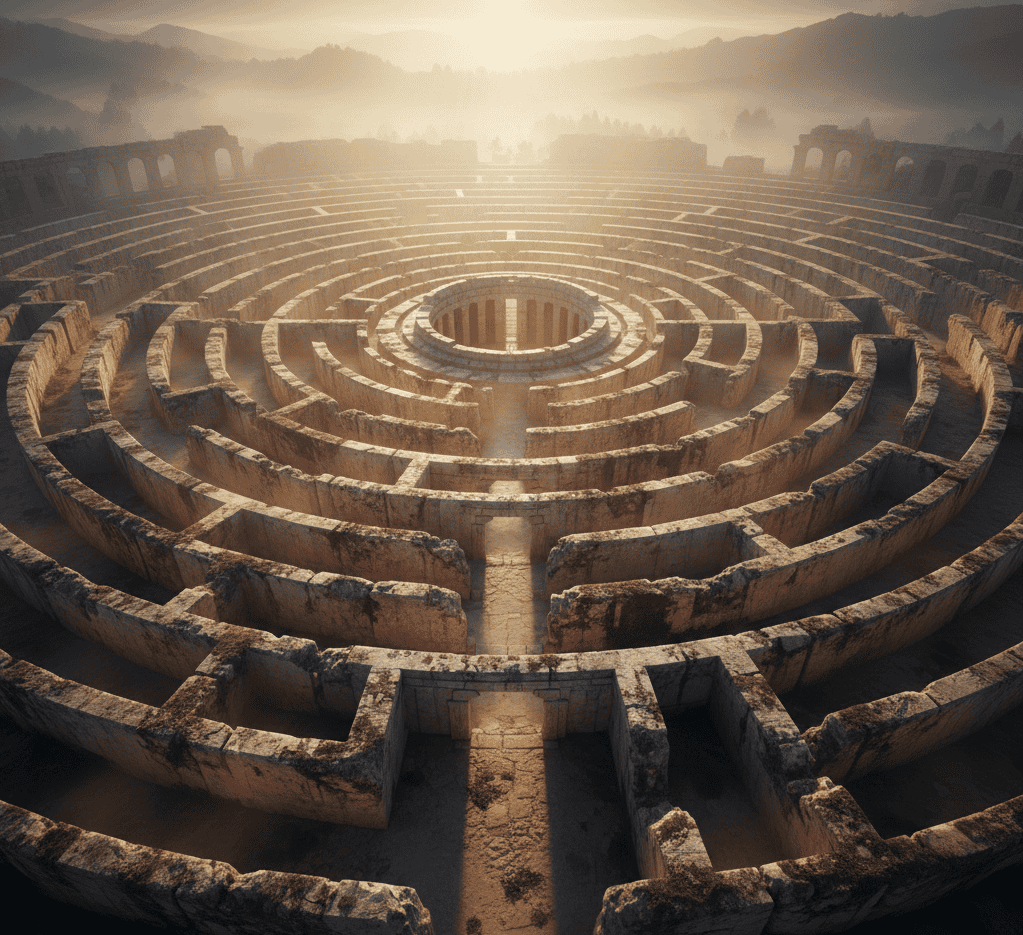
The labyrinth is a winding, complex maze, often linked to the story of King Minos and the Minotaur. Spiritually, it represents the journey of life.
Walking through a labyrinth, even symbolically, was seen as a way to find inner strength and clarity.
It teaches patience, focus, and the ability to face challenges without fear. Many believed that understanding the path of the labyrinth meant understanding the path of the soul.
It reminds people that life is full of twists and turns, but reaching the center brings wisdom and balance.
2. The Olive Tree

The olive tree was sacred to Athena, the goddess of wisdom and war. Spiritually, it symbolizes peace, growth, and protection.
Its deep roots represent stability and resilience, while its fruit represents abundance and nourishment.
In ancient rituals, planting or honoring an olive tree was a way to connect with divine wisdom.
People believed that the olive tree gave spiritual strength and guidance. It became a symbol not just of victory, but also of lasting prosperity and thoughtful decision-making.
3. The Owl
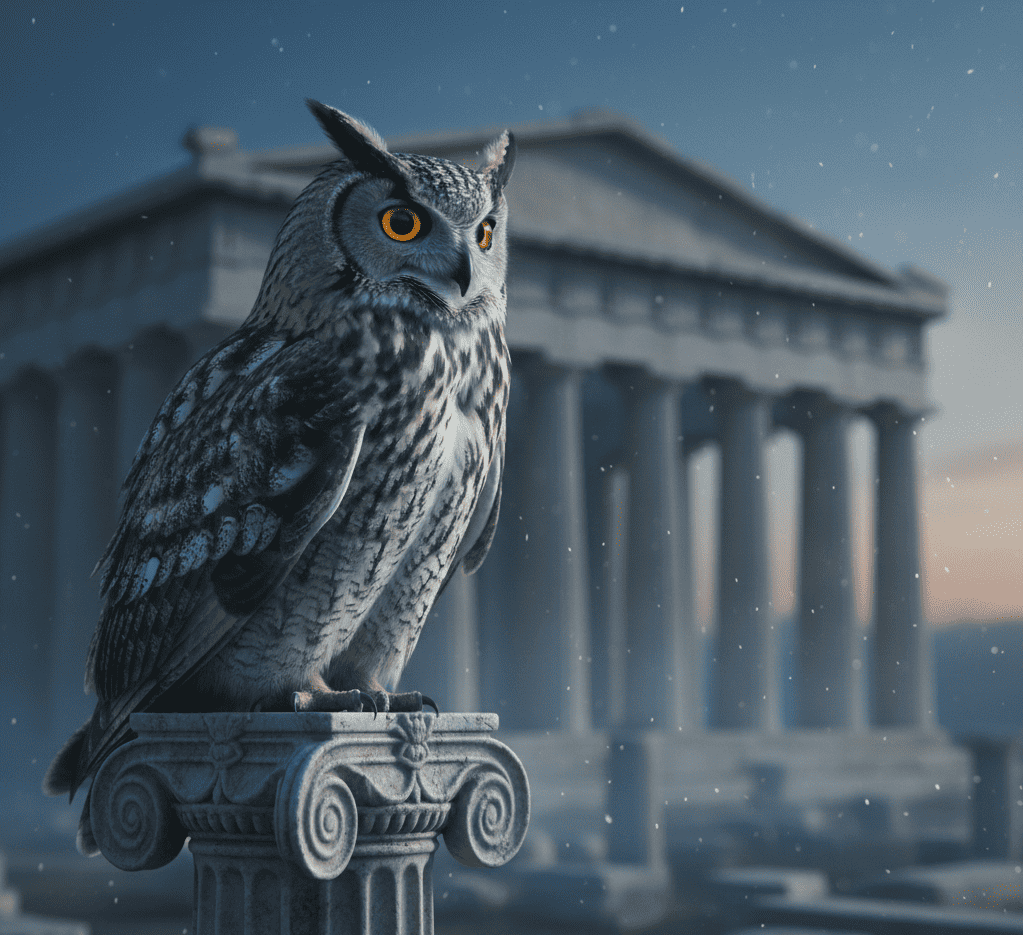
The owl is strongly associated with Athena and is a symbol of wisdom and insight. Seeing an owl was believed to bring spiritual clarity.
It represents the ability to see beyond illusions and understand hidden truths. The owl reminds people to approach life with knowledge and reflection.
In Greek culture, the owl was a guardian of thought, helping humans make smart choices and learn from experience.
Spiritually, it also encourages awareness in darkness, showing that insight can exist even in difficult times.
4. The Labrys (Double Axe)
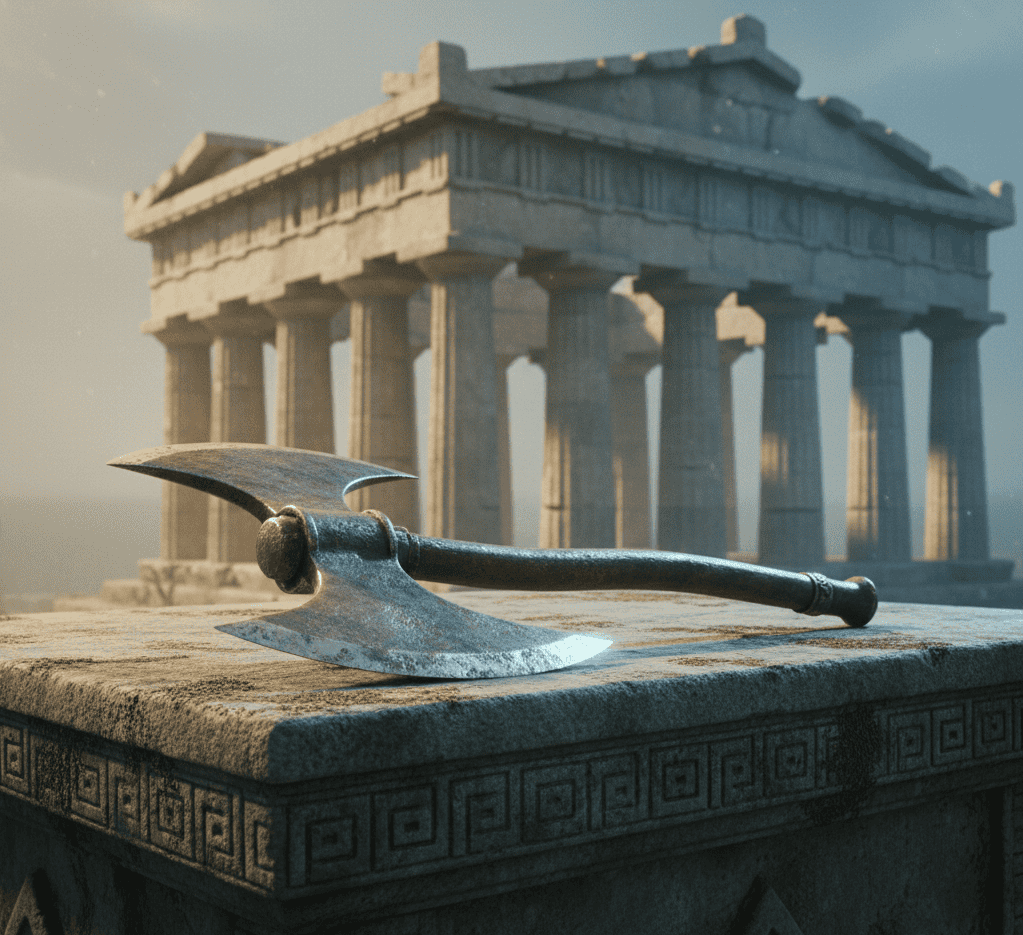
The Labrys is a double-headed axe often connected to Minoan culture and ancient Greek goddesses.
Spiritually, it symbolizes strength, authority, and protection. The two blades represent balance and duality, showing that power comes with responsibility.
In rituals, the Labrys was a sign of divine authority and courage. People believed it could channel inner strength and help them face challenges.
Beyond physical strength, it also symbolizes mental focus and the balance between action and thought.
5. The Triskelion
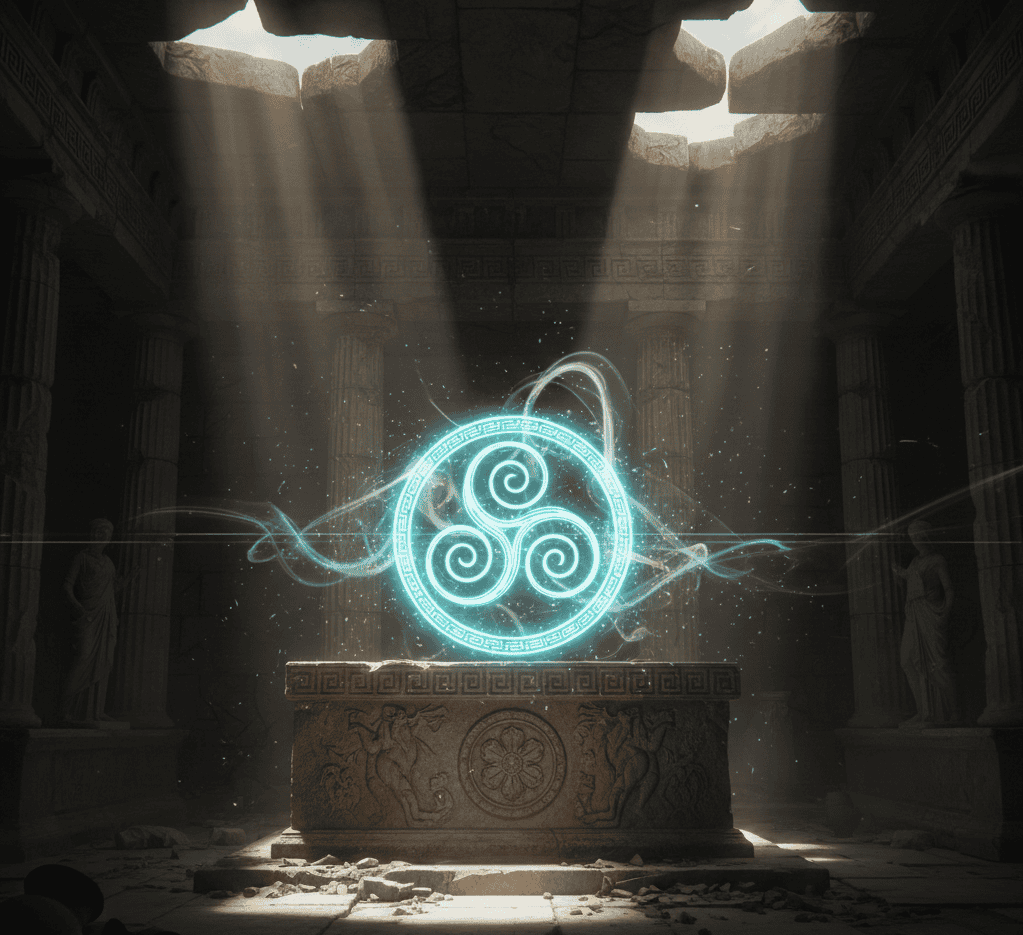
The triskelion is a three-legged spiral symbol that represents motion and progress. Spiritually, it symbolizes personal growth, cycles, and the flow of life.
The three arms can represent mind, body, and spirit, or past, present, and future.
Ancient Greeks believed that meditating on the triskelion encouraged balance and harmony.
It reminds people that life is constantly moving forward and that spiritual growth comes from embracing change. The triskelion teaches that motion brings wisdom.
6. The Gorgon’s Head (Medusa)
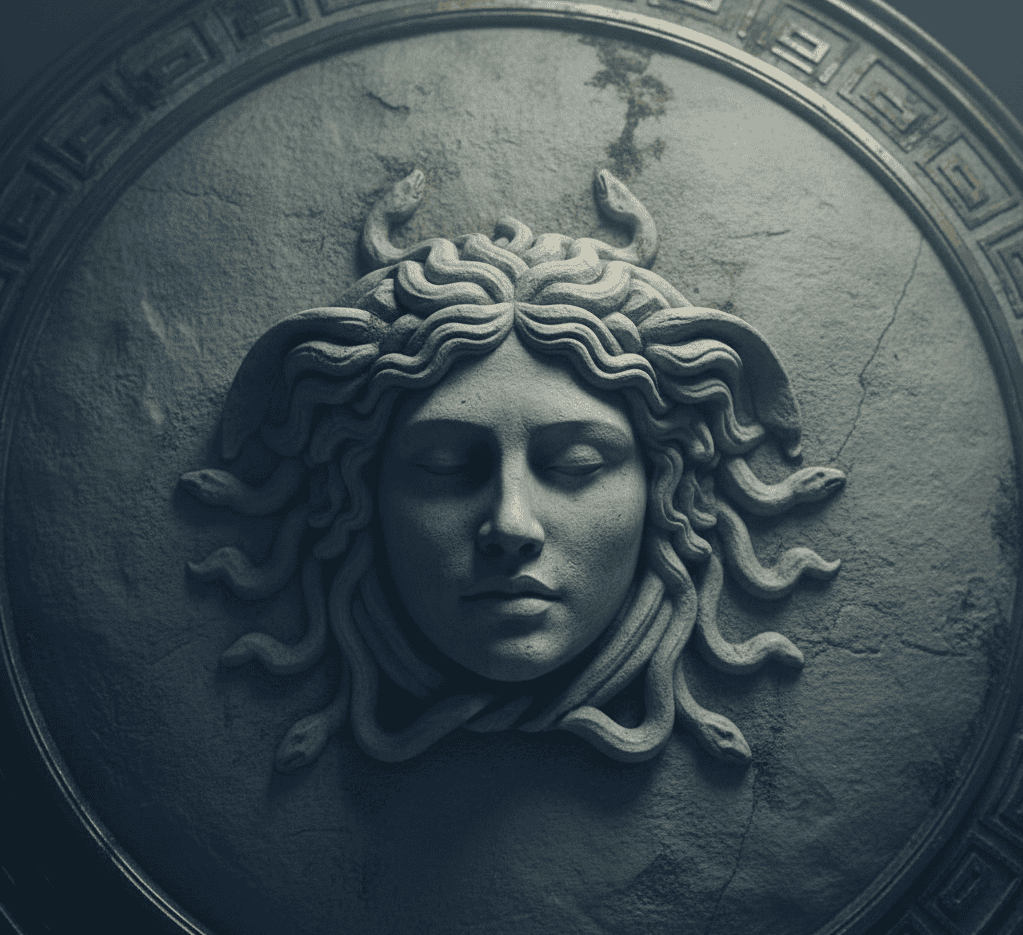
The head of Medusa, often used in amulets, symbolized protection and warding off evil.
Spiritually, it represents transformation and the power of facing fears. People believed that by showing the image of Medusa, they could turn negativity away from themselves.
Beyond defense, it also reminds humans that confronting darkness in life or in themselves leads to growth.
The symbol encourages courage and self-awareness, teaching that spiritual strength comes from understanding both light and shadow within.
7. The Cornucopia
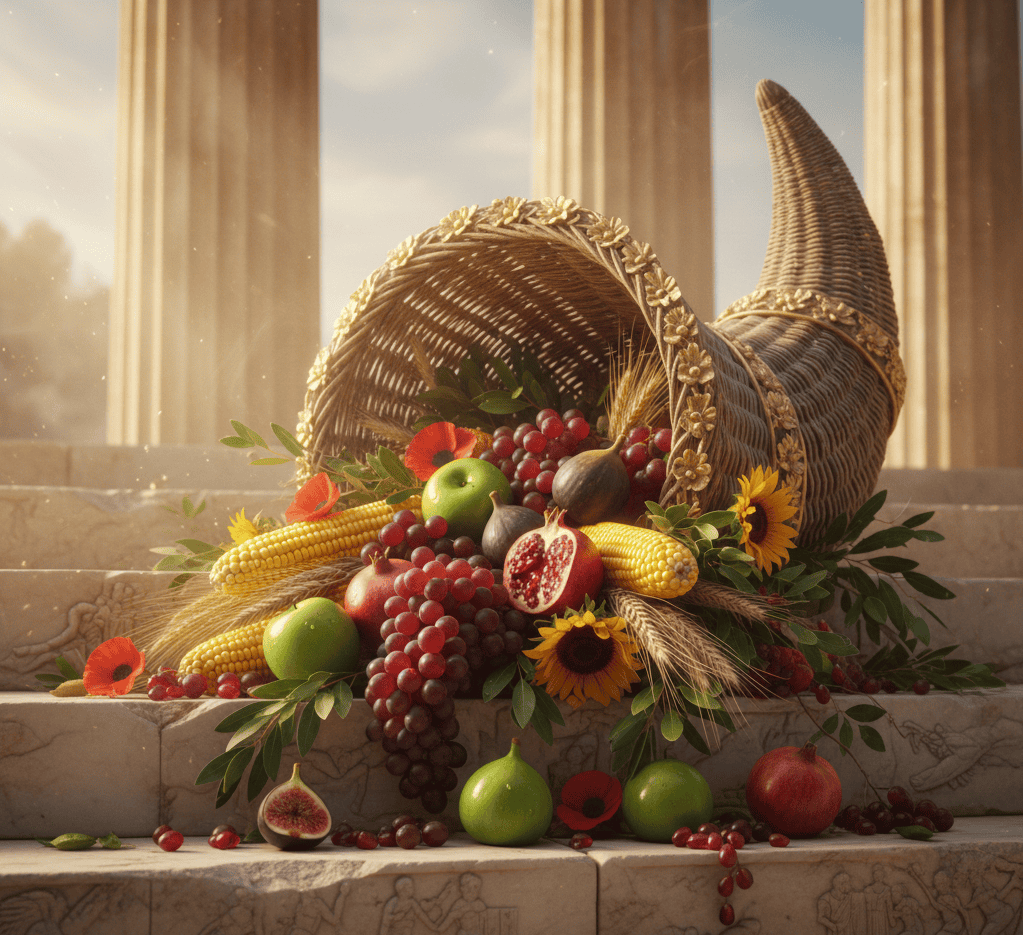
The cornucopia, or horn of plenty, symbolizes abundance, nourishment, and divine blessings.
Spiritually, it represents the gifts of life and the importance of gratitude.
In Greek rituals, offering food or symbols of abundance was a way to honor gods and acknowledge the blessings of nature.
The cornucopia reminds people to recognize what they have and to cultivate generosity.
It teaches that abundance is not just material but also emotional and spiritual, emphasizing the balance between giving and receiving.

Siempre sentí una fuerte conexión con lo Divino desde mi nacimiento. Como autora y mentora, mi misión es ayudar a los demás a encontrar el amor, la felicidad y la fuerza interior en los momentos más oscuros.