

Throughout history, certain crimes have had consequences far beyond the immediate victims, shaping politics, society, and law for generations.
These crimes were not just shocking in their execution but also transformative, leading to reforms, revolutions, or widespread fear.
From political assassinations to infamous heists, the ripple effects of these acts have left lasting marks on cultures and governments worldwide.
Studying them offers insight into human behavior, societal vulnerabilities, and how a single criminal act can alter the course of history.
Here are eight real crimes that changed history forever.
1. The Assassination of Archduke Franz Ferdinand
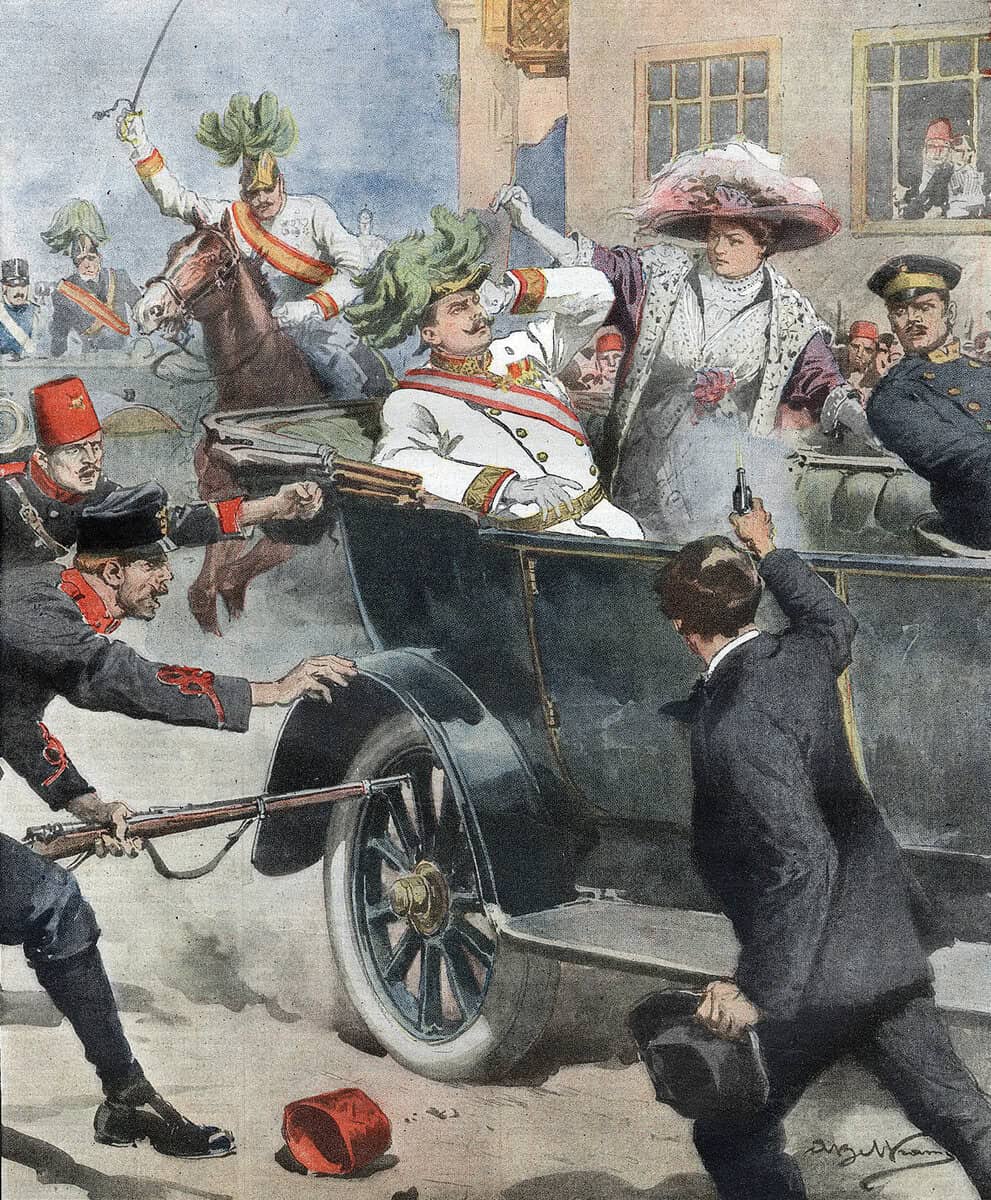
The assassination of Archduke Franz Ferdinand of Austria in 1914 is widely regarded as the spark that ignited World War I.
Gavrilo Princip, a member of the Black Hand, killed the archduke and his wife in Sarajevo, triggering a chain reaction of alliances and declarations of war.
This single act transformed Europe, leading to millions of deaths, the collapse of empires, and major geopolitical shifts.
The crime illustrates how a targeted assassination can escalate into global conflict, proving that individual actions sometimes have extraordinary historical consequences.
2. The Gunpowder Plot
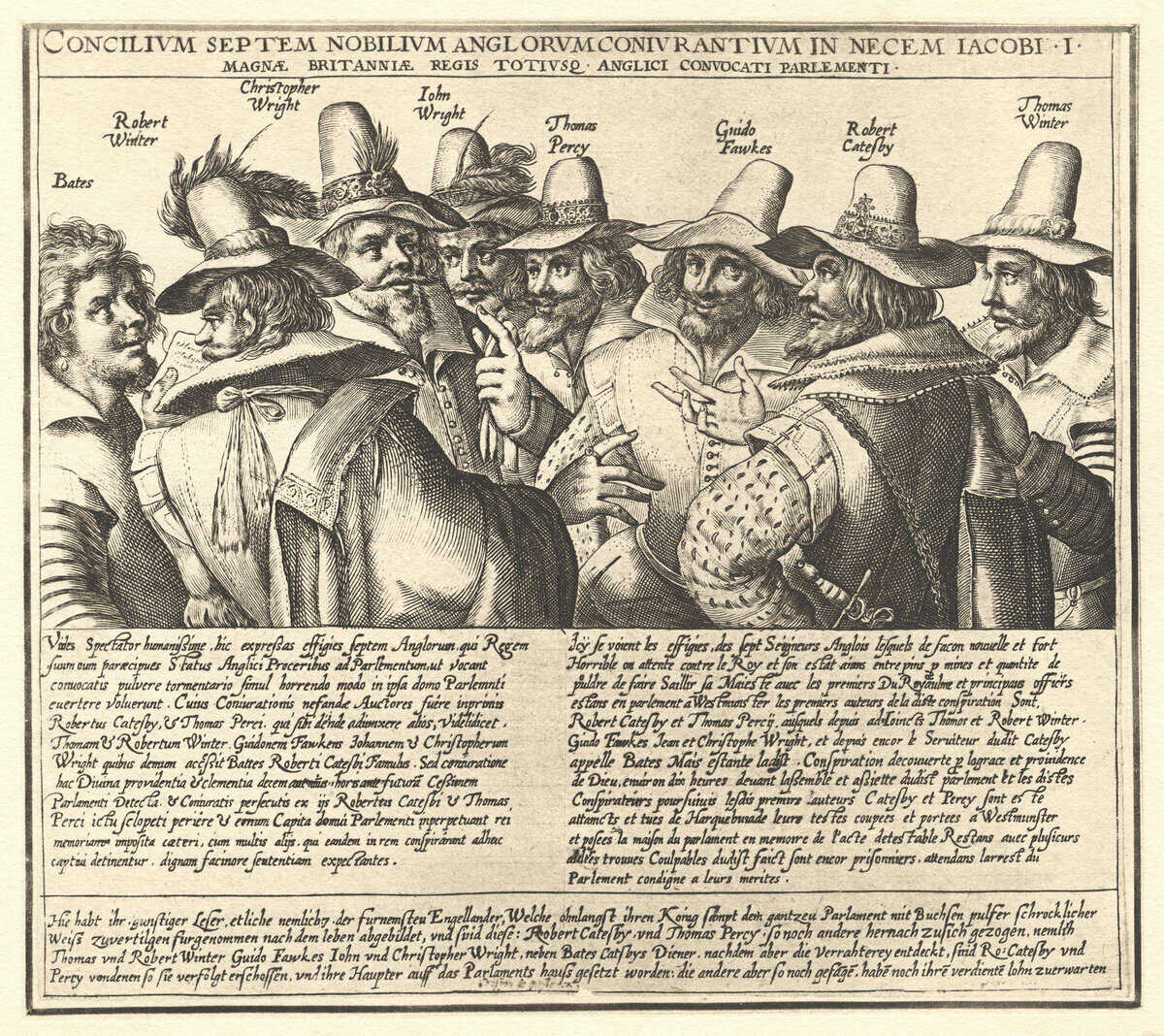
In 1605, a group of English Catholics attempted to assassinate King James I by blowing up the House of Lords in what became known as the Gunpowder Plot.
Led by Guy Fawkes, the plan aimed to restore Catholic rule in England but failed when conspirators were discovered.
The plot had lasting effects on British law, security measures, and religious politics, including the annual commemoration of Guy Fawkes Night.
This crime demonstrates how a single act of political violence can shape national policy, religious tension, and cultural memory for centuries.
3. The Murder of Julius Caesar
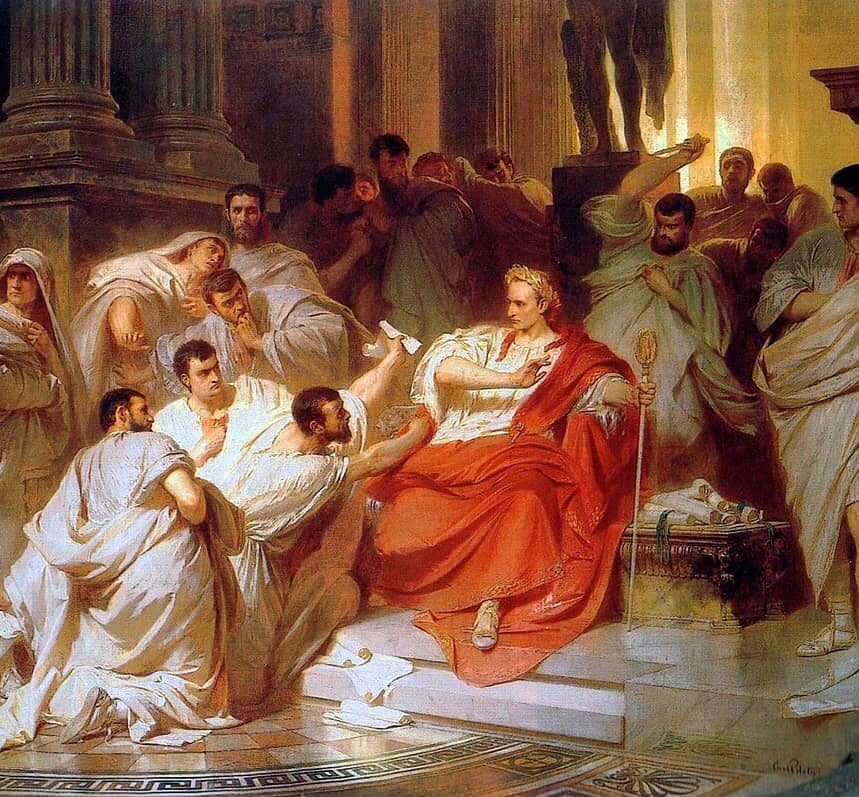
Julius Caesar, one of Rome’s most powerful leaders, was assassinated in 44 BCE by a group of senators fearing his growing power and potential dictatorship.
The murder plunged Rome into civil war, eventually leading to the rise of the Roman Empire under Augustus.
The crime dramatically reshaped Roman politics, highlighting the deadly intersection of ambition, fear, and betrayal.
Caesar’s death became a defining moment in world history, demonstrating how political crimes can catalyze profound changes in governance and societal structure.
4. The Lindbergh Kidnapping
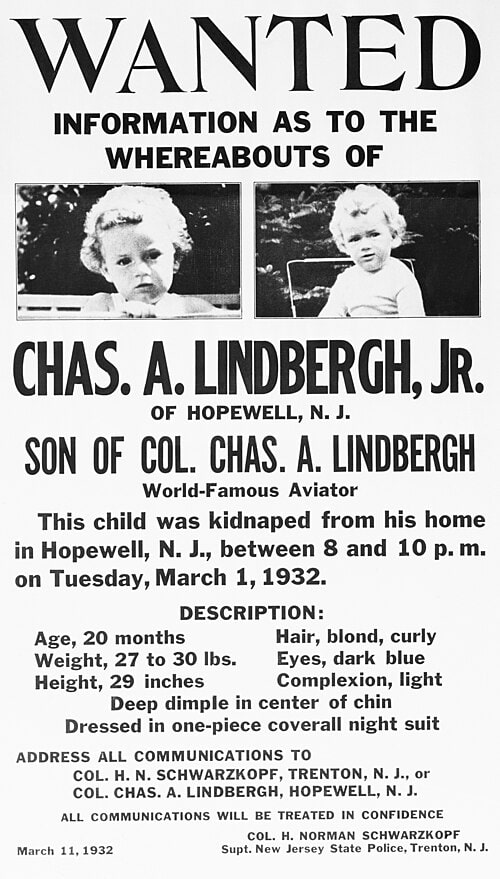
In 1932, the abduction of Charles Lindbergh’s infant son shocked the world and led to the “crime of the century.”
The kidnapping exposed weaknesses in law enforcement and inspired new federal laws, including the Federal Kidnapping Act, which allowed authorities to pursue kidnappers across state lines.
The crime had lasting effects on American society, legal frameworks, and media coverage of criminal cases, showing how a high-profile crime can drive systemic legal reforms and influence public perception of safety.
5. The St. Valentine’s Day Massacre
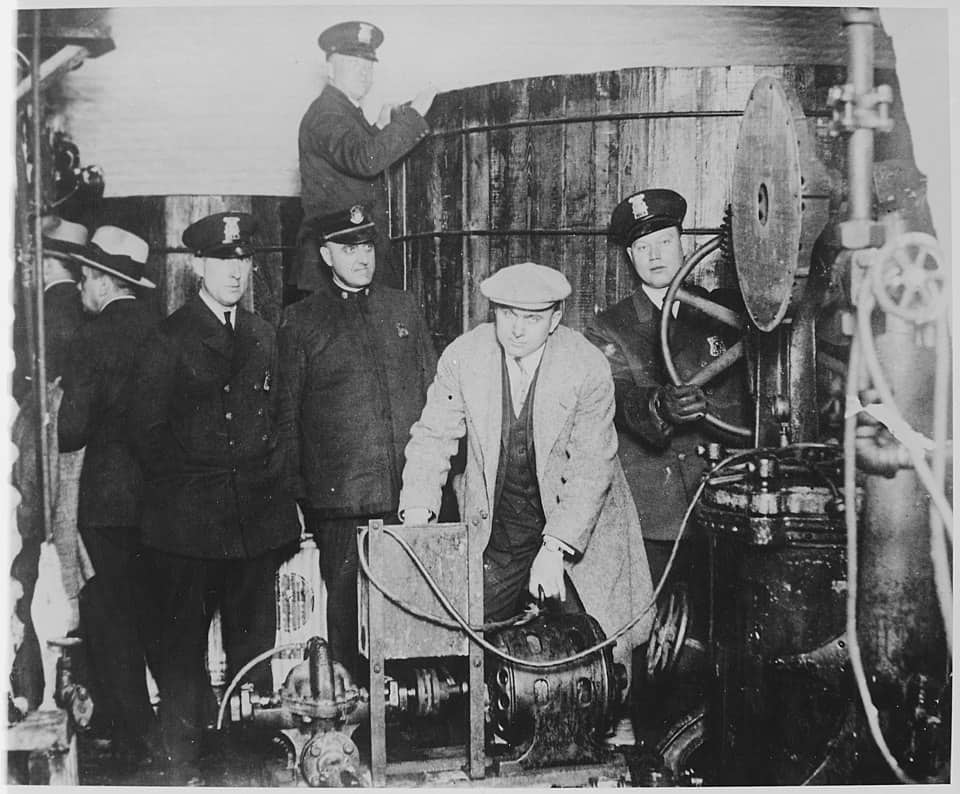
The 1929 St. Valentine’s Day Massacre in Chicago marked a turning point in organized crime in the United States.
Seven members of Bugs Moran’s gang were murdered, allegedly by Al Capone’s associates, in a calculated act of gang warfare.
The brutality of the killings captured national attention, intensifying public outrage against organized crime and prompting law enforcement reforms.
The crime changed how Americans viewed gang violence, leading to stronger federal action and shaping the criminal landscape of the 20th century.
6. The Watergate Scandal
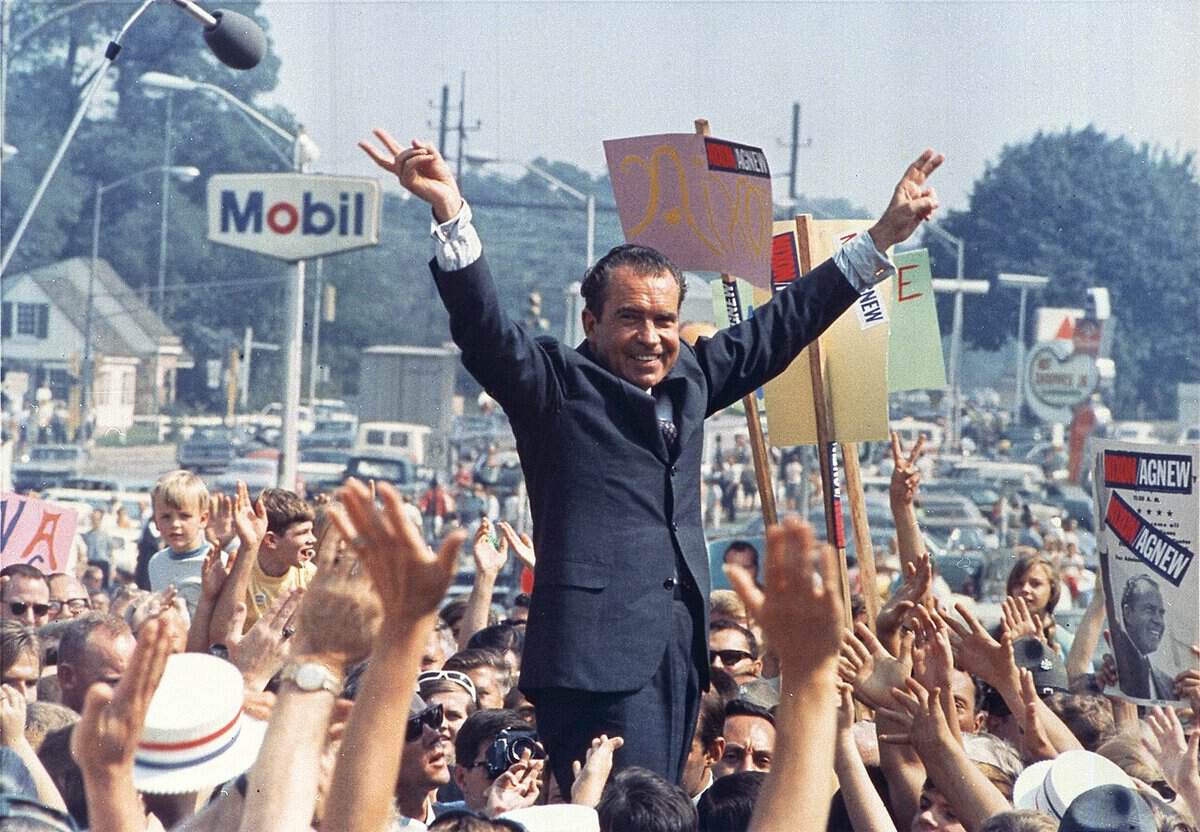
Although not violent, the Watergate scandal involved illegal activities, including burglary, wiretapping, and conspiracy, that led to the resignation of U.S.
President Richard Nixon in 1974. The scandal transformed American politics, increasing scrutiny of government officials, reforming campaign finance laws, and shaping public trust in institutions.
Watergate demonstrates that crimes of corruption and deception can have long-lasting effects on governance, accountability, and political culture, proving that criminal acts extend far beyond immediate wrongdoing.
7. The Black Sox Scandal
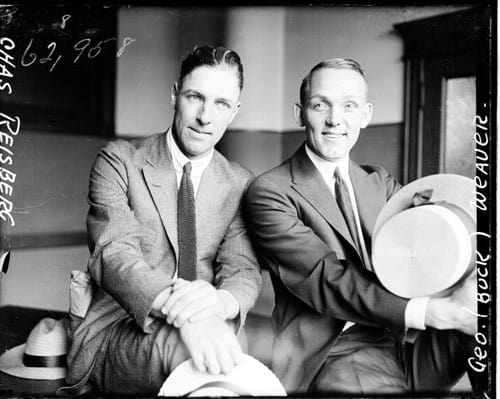
In 1919, eight members of the Chicago White Sox intentionally threw the World Series in exchange for money from gamblers.
This scandal shocked the sports world and led to sweeping reforms in professional baseball, including the appointment of the first commissioner to restore integrity.
The crime transformed public trust in sports, introduced stricter oversight, and reshaped how professional leagues handle gambling and corruption.
The scandal illustrates how crimes in seemingly limited contexts can have enduring cultural and institutional consequences.
8. The Assassination of Martin Luther King Jr.
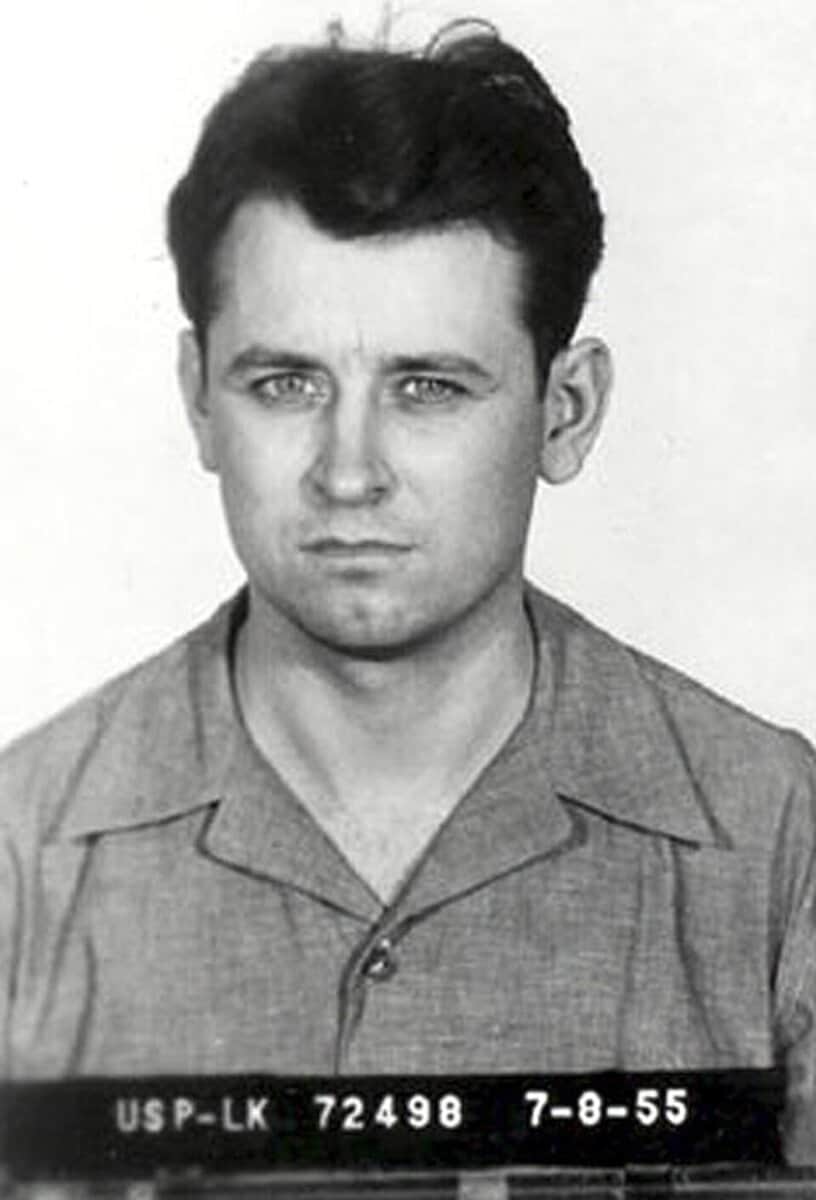
The assassination of civil rights leader Martin Luther King Jr. in 1968 was a crime that profoundly impacted American society.
His murder fueled nationwide protests, intensified the civil rights movement, and led to new legislation, including the Civil Rights Act of 1968.
The crime not only silenced a pivotal leader but also galvanized a generation to pursue social justice and equality with renewed determination.
King’s assassination demonstrates how a violent act against one individual can catalyze social change and alter the course of history.

Siempre sentí una fuerte conexión con lo Divino desde mi nacimiento. Como autora y mentora, mi misión es ayudar a los demás a encontrar el amor, la felicidad y la fuerza interior en los momentos más oscuros.