
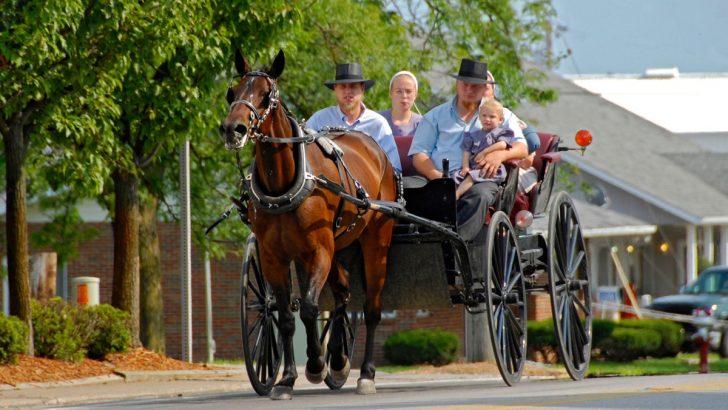
The Amish are one of the most fascinating communities in the world, often recognized by their horse-drawn buggies, simple clothing, and resistance to modern technology. While they may seem frozen in time, their way of life isn’t based on nostalgia—it’s rooted in deeply held religious beliefs centered around humility, community, and faith. Contrary to popular myths, not all Amish groups follow exactly the same rules. Different communities have different standards, known as the Ordnung, which outlines what is and isn’t acceptable in daily life.
Although many of these rules may seem unusual to outsiders, they serve an important purpose within Amish culture. Here are some of the most common rules many Amish communities follow—and why these traditions have lasted for generations.
1. They Must Dress Plainly
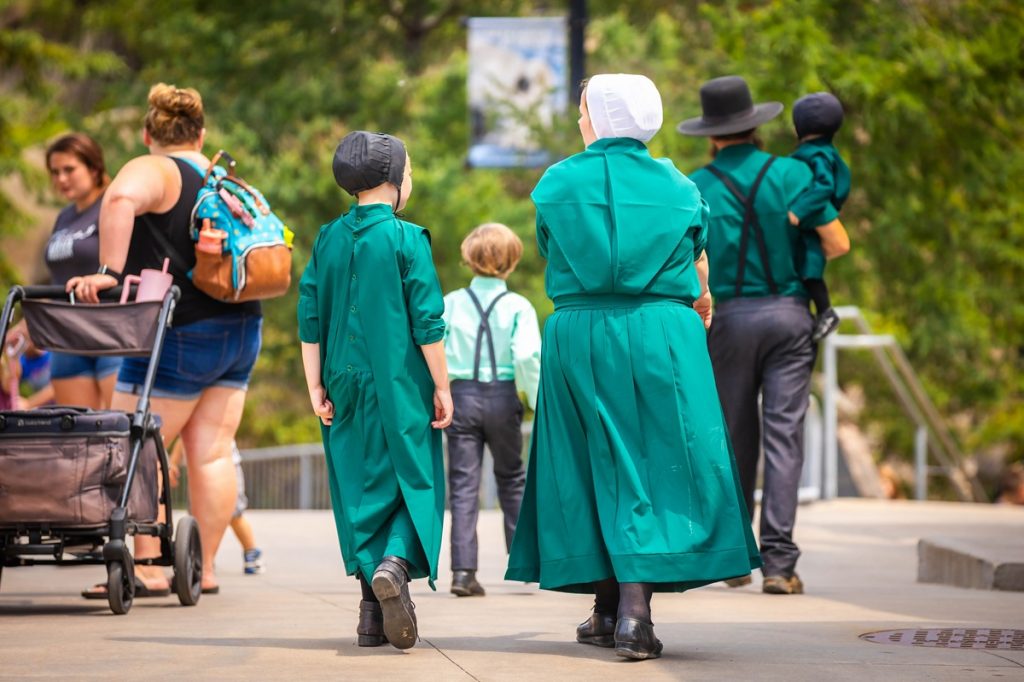
If you’ve ever spotted an Amish family, you’ve probably noticed that no one looks like they’re heading to a fashion show. That’s entirely intentional. Amish clothing is designed to avoid drawing attention to the individual. Bright colors, flashy accessories, logos, and trendy styles are generally avoided because modesty is considered a virtue. Men typically wear dark trousers, suspenders, plain shirts, and broad-brimmed hats, while women wear solid-colored dresses, aprons, and prayer coverings.
Jewelry is usually discouraged, and even wedding rings are often skipped because they’re viewed as unnecessary displays of wealth or status. Hair and beards also follow tradition—married men commonly grow beards but shave their mustaches, while women keep their hair long and covered. In Amish culture, the goal isn’t to look unique—it’s to blend into the community. Fashion may come and go, but for the Amish, timeless simplicity never goes out of style.
2. Most Don’t Own Cars
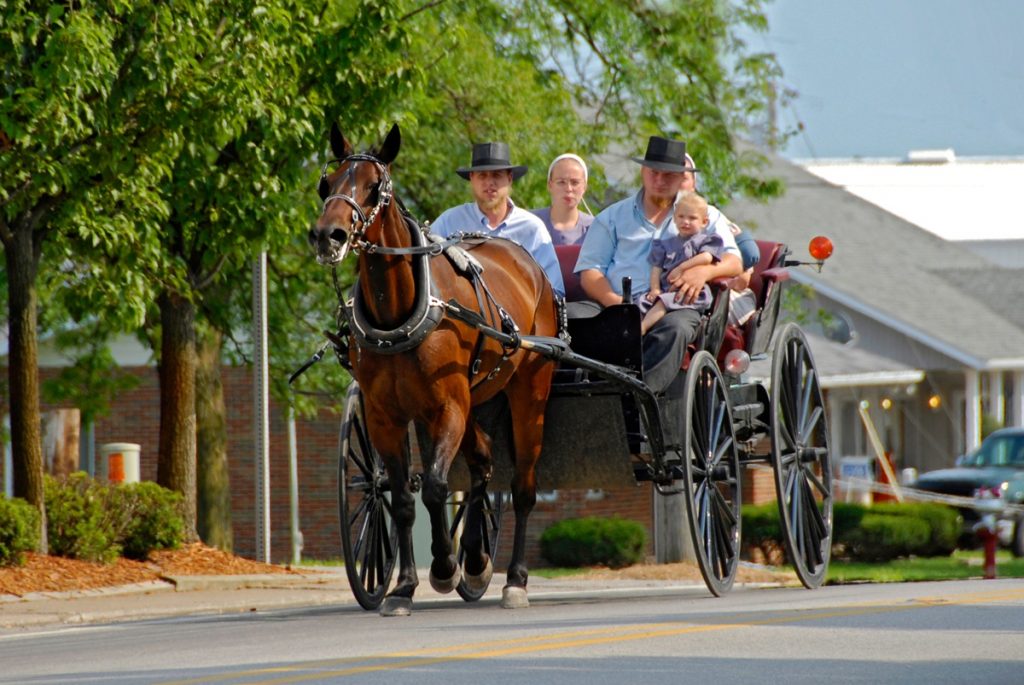
Imagine trying to explain rush-hour traffic to someone whose daily commute involves a horse named Buttercup. Most Amish communities prohibit personal car ownership because cars encourage independence, travel over long distances, and less reliance on the local community. Instead, horse-drawn buggies remain the primary mode of transportation.
That doesn’t mean the Amish never ride in automobiles. Many communities allow members to hire non-Amish drivers when traveling long distances for work, medical appointments, or other important needs. The rule is generally about ownership rather than occasional use. Keeping transportation simple helps maintain close-knit neighborhoods where people live, work, worship, and support one another without spreading out over great distances.
3. Electricity from the Public Grid Is Usually Off-Limits

No, it’s not because they’re trying to lower the monthly utility bill. Many Amish communities avoid connecting their homes to the public electrical grid because they believe it could introduce unnecessary worldly influences and encourage dependence on modern conveniences. However, this doesn’t mean every Amish home sits in total darkness.
Some communities use battery-powered lights, propane appliances, compressed air, diesel engines, or even solar panels if these technologies fit within their local rules. The exact standards vary widely between Amish affiliations. The underlying principle is less about rejecting technology itself and more about carefully deciding whether a particular innovation strengthens or weakens family life, faith, and community.
4. Television and the Internet Are Generally Forbidden

Streaming the latest crime drama or spending three hours arguing with strangers online isn’t exactly part of Amish evening entertainment. Most Amish communities prohibit televisions and unrestricted internet access because they believe these technologies bring outside values directly into the home. Entertainment that encourages vanity, materialism, violence, or excessive individualism is generally discouraged.
That said, some Amish businesses may use limited internet access through non-Amish partners or at separate business locations when necessary for commerce. Personal smartphones and home internet connections are usually prohibited in more traditional communities. Instead of scrolling endlessly before bed, Amish families are more likely to spend evenings talking, reading religious texts, playing simple games, or visiting neighbors.
5. Church Is Held in Homes
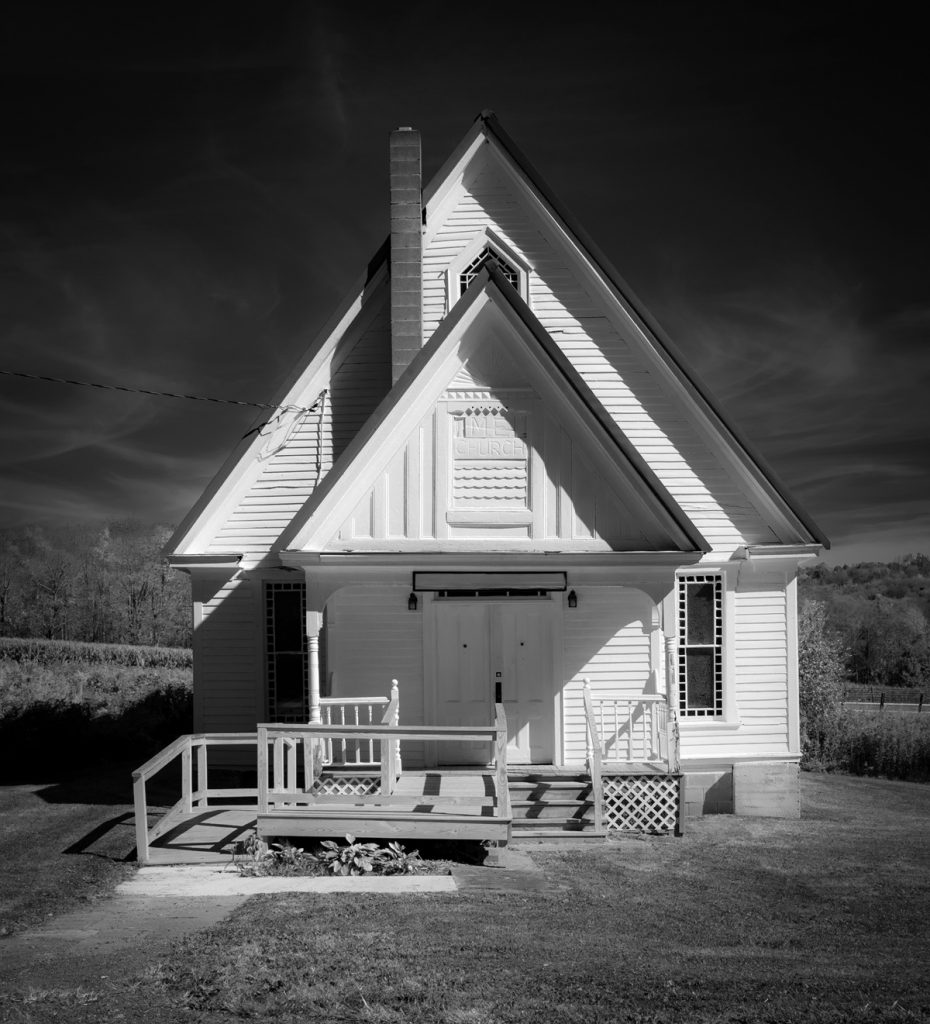
Forget towering cathedrals with stained glass windows. Amish church services are typically held in members’ homes, barns, or workshops on a rotating schedule. Every other Sunday, one family prepares to host a gathering that can include well over a hundred people. Services are intentionally simple, often lasting several hours and conducted partly in Pennsylvania German and High German, with sermons emphasizing humility, forgiveness, and obedience to God.
There are no elaborate decorations, choirs, or flashy productions. After the service, everyone shares a large communal meal, turning worship into both a spiritual and social event. Rotating church locations also reinforces equality—no family owns the church building because, in a sense, the community itself es the church.
6. Education Usually Ends After the Eighth Grade

To modern ears, stopping formal education after eighth grade sounds shocking. However, Amish communities generally believe that basic education provides the reading, writing, arithmetic, and practical skills needed for their way of life. This practice has been legally recognized in the United States under certain circumstances following a landmark Supreme Court decision.
Rather than attending high school, Amish teenagers typically begin learning farming, carpentry, construction, baking, quilting, or other trades alongside adults. The emphasis is on practical experience and preparing for adult responsibilities within the community. It isn’t viewed as rejecting learning altogether—many Amish continue learning throughout life through apprenticeships, family instruction, and religious study.
7. Humility Comes Before Personal Achievement

Winning “Employee of the Month” probably isn’t something an Amish person would frame on the wall. Humility is one of the central values of Amish life. Members are encouraged not to boast about accomplishments, seek fame, or place themselves above others. Personal success is appreciated when it benefits the community, but drawing attention to oneself is generally discouraged.
This philosophy influences everything from clothing to business practices and even photography in some communities. The idea is that pride can damage relationships and distract from faith. Instead of celebrating individual glory, achievements are often seen as blessings that should be shared with family, neighbors, and the wider community.
8. Marriage Within the Amish Faith Is Expected

Marriage is considered a lifelong commitment, and members are generally expected to marry someone who has joined the Amish church. Dating usually begins after young adults reach adulthood, and relationships often develop within local Amish communities. Weddings themselves are surprisingly modest, usually held in late autumn after the harvest season.
There are no extravagant venues, destination ceremonies, or fireworks displays. Instead, weddings often take place in family homes and focus on religious commitment rather than lavish celebration. Marrying outside the Amish faith typically means the person will no longer remain part of the Amish church unless the spouse joins the community and follows its practices.
9. Community Comes Before Individual Convenience
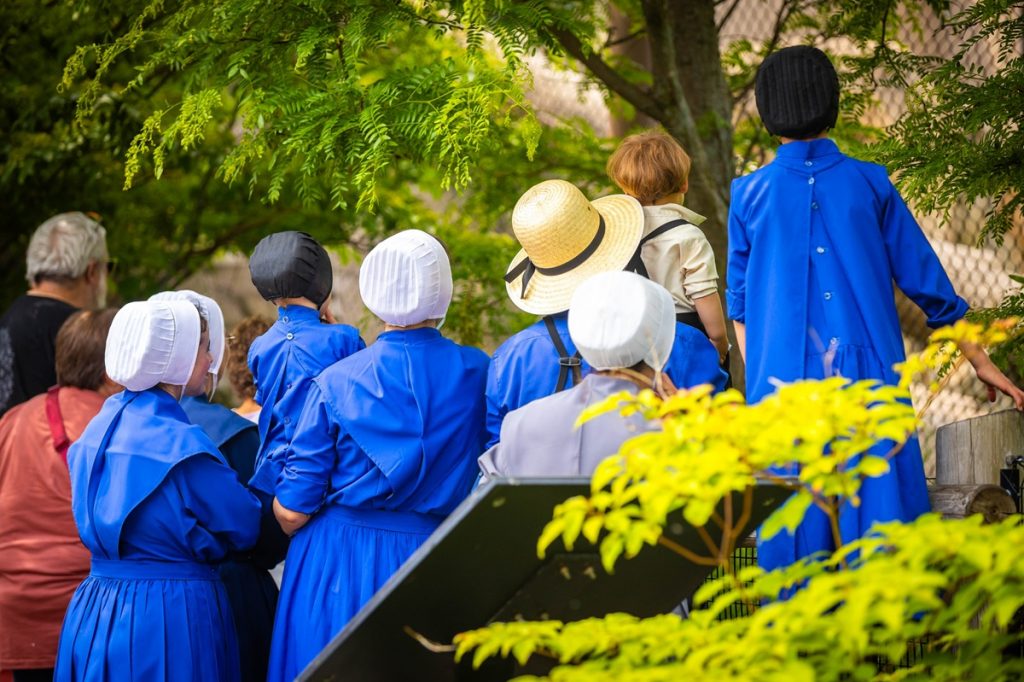
Need help building a barn? Chances are you’ll have dozens of neighbors showing up before breakfast with tools—and probably homemade pie waiting afterward. Amish communities place enormous importance on mutual aid and cooperation. Barn raisings have become famous examples of this tradition, but community support extends much further. Families assist one another during illnesses, natural disasters, financial hardship, and harvest seasons.
Rather than relying heavily on insurance or government assistance, many Amish communities organize their own systems of financial support. This rule isn’t written on a billboard, but it’s woven into everyday life: when one person struggles, everyone pitches in. The result is a remarkably strong network of mutual responsibility that has helped Amish communities thrive for centuries.
10. Adult Baptism Is a Serious Commitment

Unlike many Christian denominations that baptize infants, the Amish practice baptism only after young adults choose to join the church, often between the ages of 18 and 22. Before baptism, many Amish youth experience a period often referred to as Rumspringa, during which they may have somewhat greater freedom to decide whether they wish to commit to Amish life.
Contrary to popular portrayals, this period varies greatly between communities and is not necessarily wild or rebellious. Once baptized, members are expected to follow the church’s rules faithfully. Because baptism represents a conscious lifelong commitment, leaving the church afterward can have significant religious and social consequences within the community. For the Amish, faith isn’t simply inherited—it’s a promise each adult is expected to make for themselves.

Lover of good music, reading, astrology and making memories with friends and spreading positive vibes! 🎶✨I aim to inspire others to find meaning and purpose through a deeper understanding of the universe’s energies.