

The story of Adam and Eve does not end with their expulsion from the Garden of Eden.
According to many biblical interpretations and early traditions, the fall was only the beginning of a longer spiritual struggle.
After sin entered the world, humanity faced new challenges, including fear, shame, suffering, and spiritual confusion.
Many theologians and ancient writings suggest that the serpent’s deception did not stop in the garden.
Instead, the enemy continued to influence Adam and Eve through doubt, guilt, false hope, and temptation.
These ideas come from biblical themes, later Jewish and Christian traditions, and reflections on human weakness after the fall.
While the Bible does not describe every detail directly, it shows patterns of spiritual deception that began with the first humans and continue today.
These nine ways reflect how Satan’s influence may have continued after Eden, focusing on fear, lies, and the struggle to separate humanity from God.
1. He Used Shame to Make Them Hide From God

After eating the forbidden fruit, Adam and Eve suddenly became aware of their nakedness and felt deep shame.
Instead of running to God for help, they tried to cover themselves and hide among the trees. This reaction shows one of the first spiritual deceptions after the fall.
Shame made them believe they could no longer approach their Creator. The enemy’s strategy was to turn their mistake into distance from God.
Shame often convinces people that they are too broken or unworthy to seek forgiveness.
By focusing on their failure instead of God’s mercy, Adam and Eve experienced fear and separation.
This pattern continues throughout human history, where guilt can push people away from the very source of healing and restoration.
2. He Encouraged Fear of God’s Presence

Before the fall, Adam and Eve walked with God freely and without fear. After their disobedience, Adam admitted that he hid because he was afraid.
Fear replaced trust, and God’s presence no longer felt safe to them. This fear was not God’s intention, but a result of sin and spiritual deception.
When people begin to see God only as a judge rather than a loving Creator, fear becomes a barrier to relationship.
The enemy’s influence turns healthy respect into terror and avoidance. Adam and Eve’s fear prevented honest confession at first and deepened their emotional separation.
This deception teaches that fear can distort how humans understand God, making them withdraw instead of seeking forgiveness and guidance.
3. He Promoted Blame Instead of Responsibility
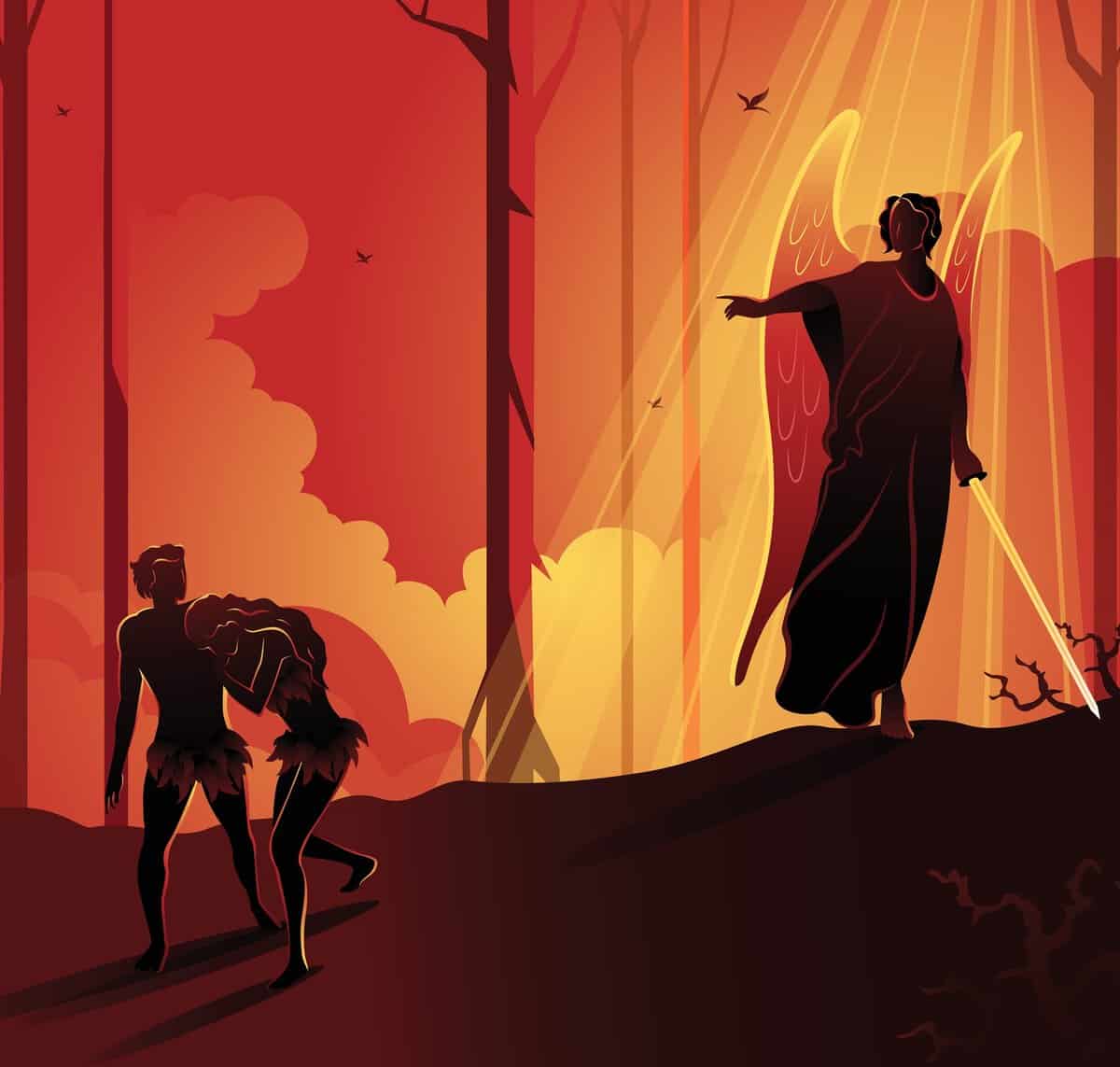
When God asked Adam what happened, Adam blamed Eve, and Eve blamed the serpent. Instead of taking responsibility, both shifted the fault to someone else.
This reaction shows another form of deception after the fall. Blame protects pride but prevents growth and repentance.
By encouraging people to justify their actions or accuse others, the enemy keeps them trapped in denial.
Taking responsibility is the first step toward restoration, but blame creates conflict and division.
The pattern that began with Adam and Eve appears throughout history in broken relationships and social tension.
This deception weakens accountability and makes healing more difficult by keeping the focus on others instead of personal change.
4. He Filled Them With Doubt About God’s Goodness

The serpent originally questioned God’s command, but the effects of that doubt continued after the fall.
Adam and Eve now faced pain, hard labor, and separation from Eden. In their suffering, they may have struggled to trust God’s goodness and care.
One of the enemy’s ongoing strategies is to use hardship as evidence that God is distant or unkind.
When circumstances become difficult, doubt can grow quickly. Instead of seeing discipline, growth, or protection, people may believe they have been abandoned.
This deception attacks faith during moments of weakness. By turning suffering into suspicion, it damages trust and makes it harder for people to rely on God’s promises and guidance.
5. He Tempted Them Toward Hopelessness

Life outside Eden was dramatically harder than the perfect environment they once knew. Pain, struggle, and loss became part of daily existence.
In such conditions, hopelessness could easily take root. One powerful form of deception is convincing people that their situation will never improve.
Hopelessness weakens faith and removes motivation to seek God. Instead of trusting in future restoration, people may believe their mistakes permanently destroyed their relationship with Him.
Biblical themes consistently show that despair can be spiritually dangerous because it replaces hope with resignation.
The enemy’s goal is to make people believe that redemption is impossible, even when God’s plan always includes mercy, patience, and the promise of eventual restoration.
6. He Encouraged Focus on Earth Instead of Eternity

After the fall, survival became a daily concern. Farming, childbirth, and physical hardship demanded constant attention.
While these responsibilities were necessary, another danger was becoming completely focused on earthly struggles.
One form of deception is convincing people that physical life is all that matters. When survival and comfort become the only priorities, spiritual awareness fades.
Adam and Eve’s descendants would later struggle with this same issue. The enemy’s influence shifts attention away from eternal hope and toward temporary concerns.
This distraction does not always appear sinful, but it slowly weakens spiritual connection. By keeping people focused only on immediate needs, it reduces their awareness of God’s larger plan.
7. He Used Conflict to Divide the First Family

The consequences of the fall quickly appeared in the next generation when conflict arose between Cain and Abel.
Although this involved their children, the roots of division began with the broken harmony introduced in Eden.
One of the enemy’s continuing strategies is to create jealousy, anger, and comparison within families. Division weakens unity and spreads pain across generations.
When relationships break down, spiritual influence also weakens. The story of the first family shows how quickly sin’s effects expanded beyond the original mistake.
By turning people against one another, deception multiplies suffering and keeps attention focused on conflict instead of reconciliation, forgiveness, and spiritual growth.
8. He Twisted Freedom Into Self-Reliance Without God

After leaving Eden, humanity had to make decisions independently and manage life without the garden’s protection.
While this independence was part of their new reality, another deception was turning freedom into complete self-reliance.
The enemy’s strategy is to convince people they no longer need God’s guidance.
When individuals believe they can control everything through their own strength, prayer and dependence begin to fade.
Self-reliance can appear strong and confident, but spiritually, it leads to isolation.
Adam and Eve’s experience introduced a world where human effort was necessary, but without balance, independence can slowly replace faith and trust in divine wisdom.
9. He Tried to Erase the Promise of Redemption

Even after the fall, God gave a promise that one day evil would be defeated. This message of future victory became the foundation of hope for humanity.
One of the enemy’s greatest deceptions is trying to hide or weaken that promise.
If people forget that restoration is part of God’s plan, they may believe darkness will always win.
Removing hope makes fear and doubt stronger. Throughout history, spiritual deception often focuses on discouraging belief in redemption, forgiveness, and ultimate justice.
By attacking hope itself, the enemy attempts to disconnect people from the larger story of salvation that began immediately after Adam and Eve left the garden.

Siempre sentí una fuerte conexión con lo Divino desde mi nacimiento. Como autora y mentora, mi misión es ayudar a los demás a encontrar el amor, la felicidad y la fuerza interior en los momentos más oscuros.