
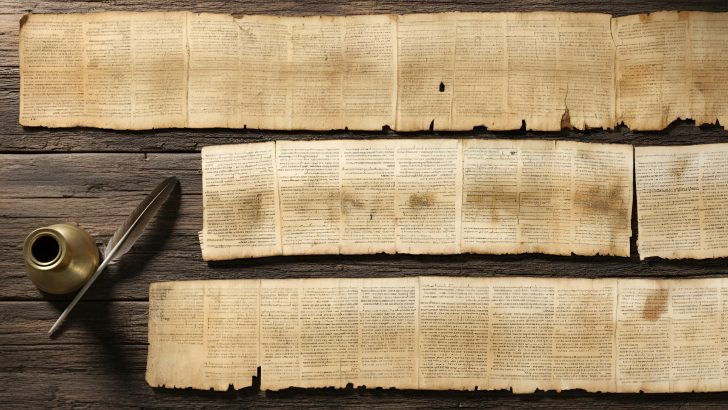
The Dead Sea Scrolls are one of the most incredible archaeological discoveries of the 20th century.
Found in the Qumran caves near the Dead Sea between 1947 and 1956, these ancient manuscripts contain some of the oldest surviving copies of biblical texts.
They also include previously unknown writings, prayers, and rules of a mysterious religious community.
For decades, scholars have studied the scrolls to understand their origins, content, and purpose.
These scrolls are more than just historical documents. They reveal insights into religious beliefs, political struggles, and spiritual practices that were hidden for thousands of years.
Some secrets are obvious, while others remain mysterious. Here are eight secrets hidden in the Dead Sea Scrolls.
1. They Contain the Oldest Copies of Biblical Texts
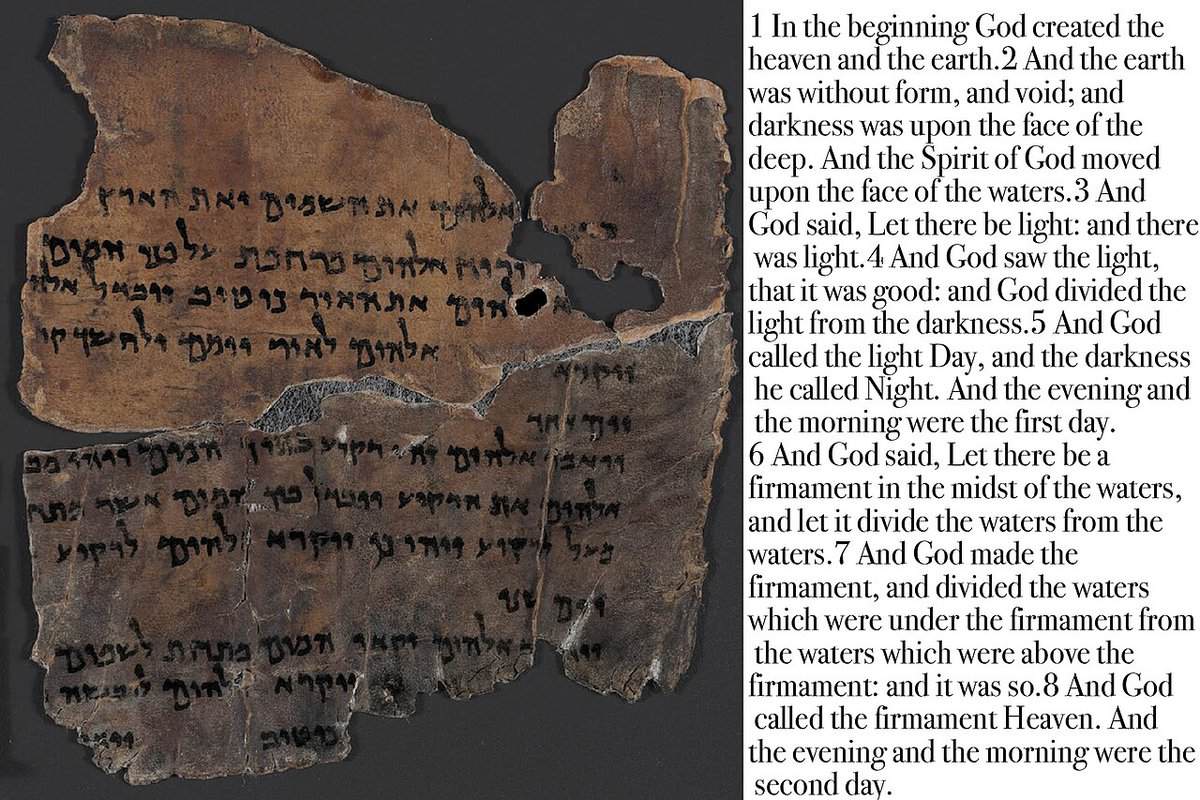
One of the first and most important secrets of the Dead Sea Scrolls is that they contain the oldest known versions of many biblical books.
Before their discovery, the oldest manuscripts of the Hebrew Bible were from the 10th century CE.
The scrolls, however, date from around 250 BCE to 68 CE, making them more than a thousand years older.
This discovery allowed scholars to compare ancient texts and see how they had changed over time.
Differences in spelling, phrasing, and content reveal how scribes copied and preserved sacred writings.
Some changes appear accidental, while others reflect evolving beliefs. This shows that the Bible was not a fixed text but a living document shaped by generations.
2. Some Scrolls Reveal a Secret Religious Community
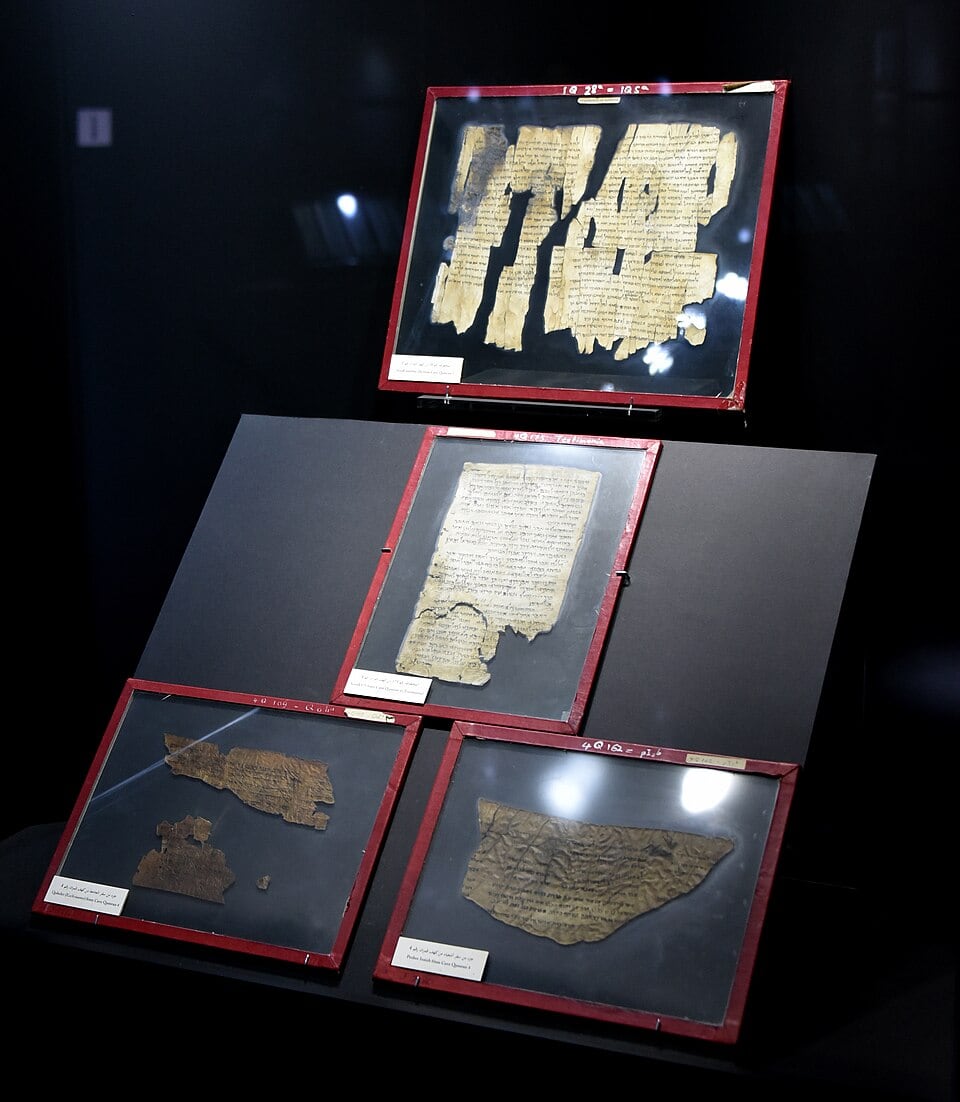
Many of the Dead Sea Scrolls belong to a sect of Jews who lived near Qumran. Scholars believe this group may have been the Essenes.
The scrolls describe strict rules, communal living, and rituals designed to maintain purity.
The community separated itself from mainstream Jewish society, seeing itself as the true followers of God.
Their rules included guidelines for behavior, food preparation, religious ceremonies, and punishment for violations.
This secretive lifestyle helped preserve their writings, which were hidden in caves before the Roman destruction of the area in 68 CE.
3. They Include Apocalyptic Writings
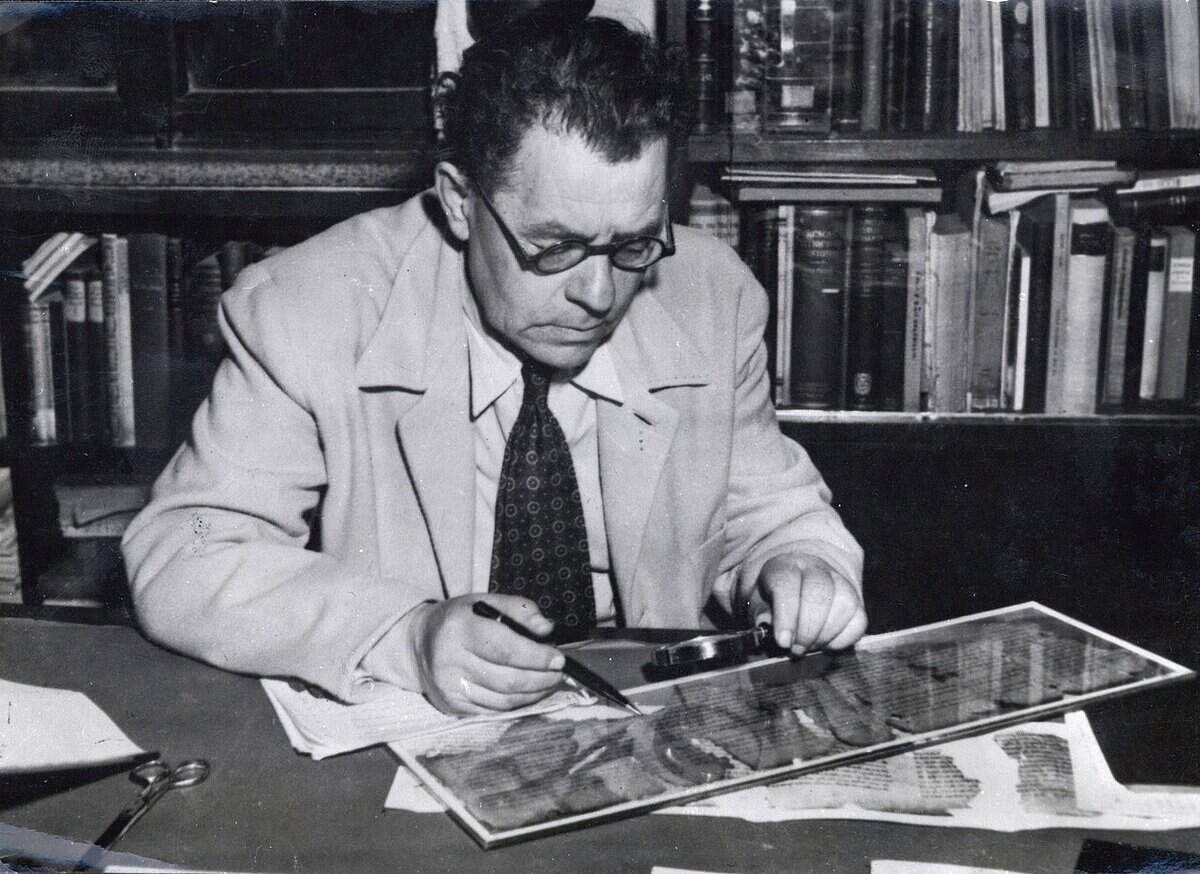
The Dead Sea Scrolls contain many apocalyptic texts, which reveal a worldview focused on the end of days.
These writings describe cosmic battles, the coming of a messiah, and the final judgment.
Apocalyptic themes were common in Second Temple Judaism, but the scrolls provide unique details.
Some describe two messianic figures: one priestly and one kingly. Others predict wars between the “sons of light” and the “sons of darkness.”
These texts suggest that the community believed they were living in the final age and that their survival depended on spiritual purity.
These secrets show that apocalyptic thinking was more central to ancient Judaism than many people realize.
4. Hidden Political and Social Commentary
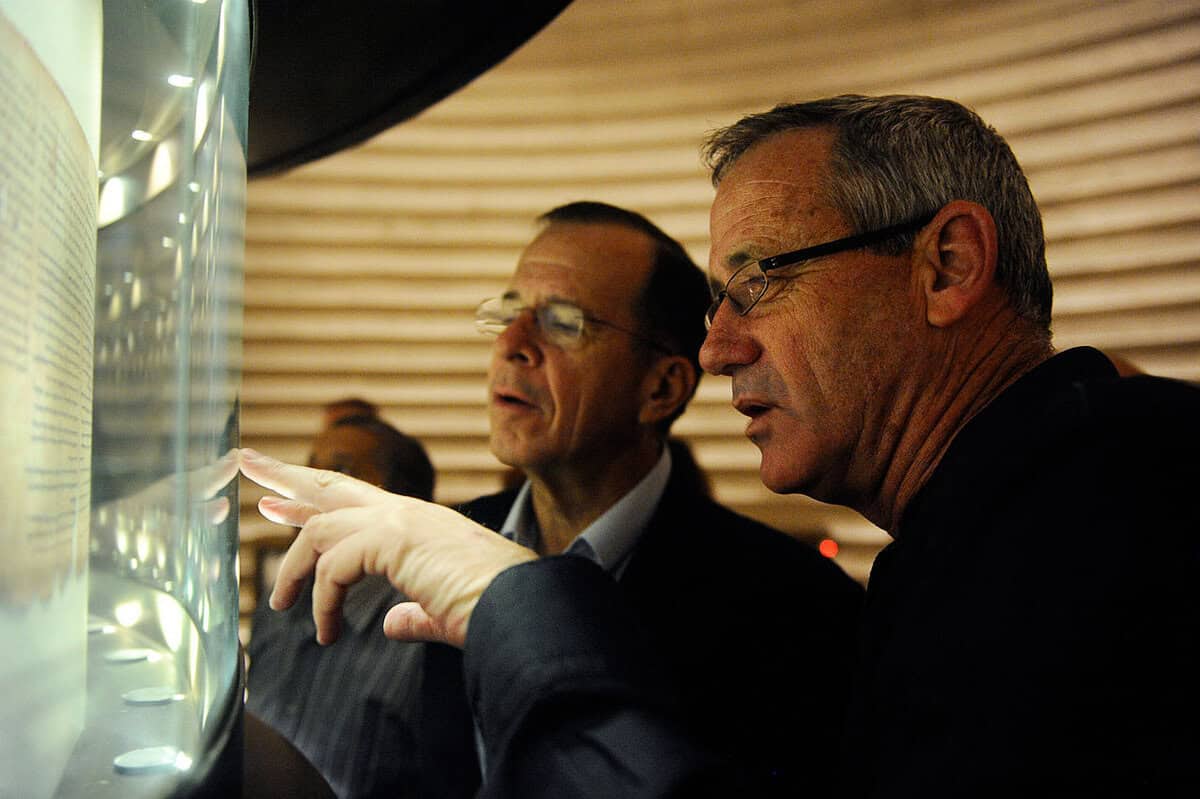
Beyond religious teachings, the Dead Sea Scrolls also reveal hidden commentary on politics and society.
Some texts criticize the priesthood in Jerusalem, claiming it was corrupt and impure. Others warn against greed, oppression, and moral decay among rulers.
These writings suggest that the Qumran community felt threatened by powerful institutions. They may have hidden the scrolls to protect their ideas from destruction.
The texts reveal that the scrolls were not just religious but also social documents, offering insight into the struggles and tensions of the time.
5. The Scrolls Contain Lost Biblical Books
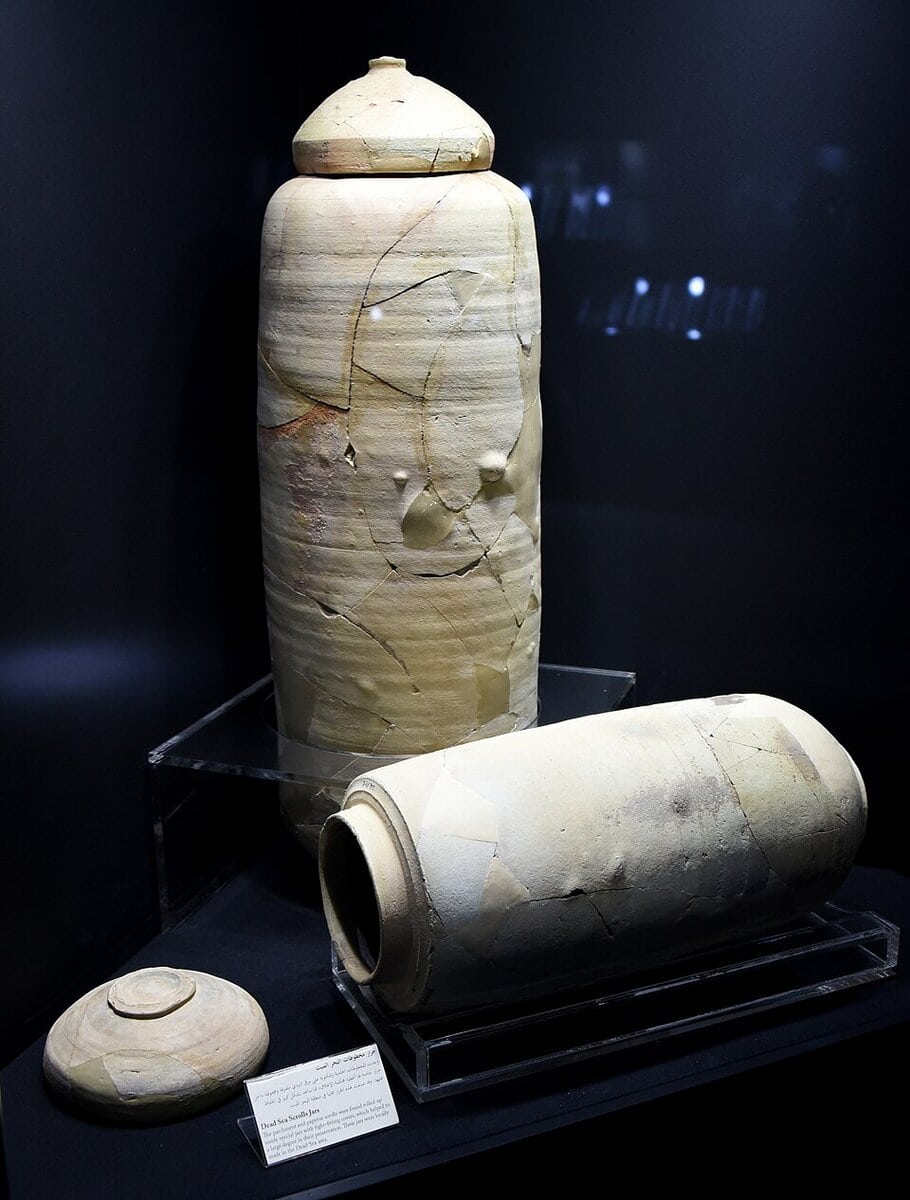
Some scrolls include texts that were not preserved in the Bible. These include books like the Book of Enoch, the Book of Jubilees, and various psalms and commentaries.
These lost works provide new perspectives on Jewish beliefs before the common era. They show that ancient communities had diverse interpretations of God, law, and prophecy.
These hidden texts challenge modern assumptions about which writings were considered sacred and why certain books were included or excluded from later Bibles.
6. They Reveal a Complex Calendar System
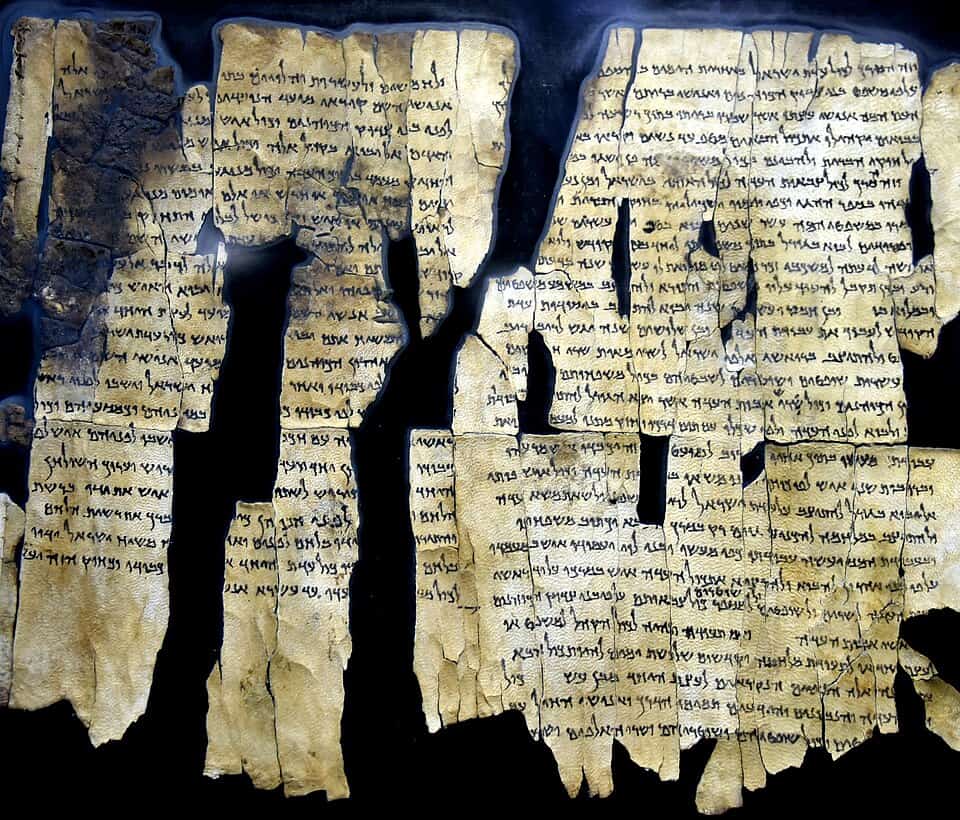
The Dead Sea Scrolls contain documents that describe a unique 364-day calendar, different from the lunar calendar used by most Jews at the time.
This calendar divided the year into four equal seasons, each with 91 days, and was carefully tied to religious festivals.
The calendar reflects a secret knowledge of time and ritual that the Qumran community believed was correct.
It shows that they organized daily life, worship, and festivals according to precise calculations.
This hidden system highlights their dedication to order, ritual purity, and understanding of sacred time.
7. They Show Evidence of Ancient Scriptural Interpretation
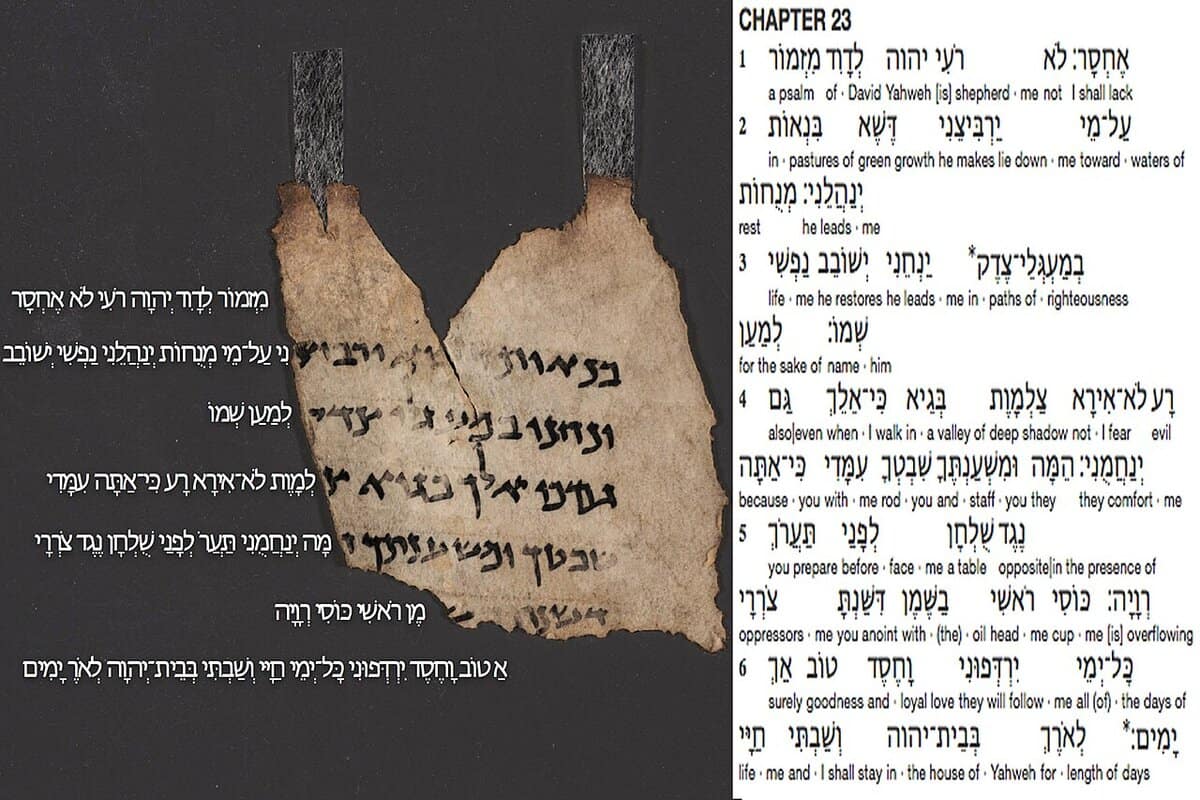
Many scrolls contain commentaries called pesharim, which interpret biblical prophecies in relation to current events.
These texts reveal how the Qumran community read the Bible as a living text connected to their own lives.
The pesharim often reinterpret older prophecies to address social, political, and spiritual issues.
This shows a secret method of scripture interpretation that was practical and immediate, rather than purely historical.
It also suggests that these interpretations were considered authoritative within the group, even if unknown to the wider Jewish world.
8. The Scrolls Hint at Hidden Knowledge of a Messiah
Perhaps the most intriguing secret is the focus on a messianic figure. Some scrolls predict a single messiah, while others suggest two: one priestly and one kingly.
These messiahs are expected to bring justice, defeat the forces of evil, and restore divine order.
This dual-messiah concept differs from later Christian interpretations, suggesting that early Jewish expectations were more complex than commonly known.
The scrolls may have preserved teachings about a secret understanding of salvation, leadership, and spiritual authority that was lost to later generations.

Siempre sentí una fuerte conexión con lo Divino desde mi nacimiento. Como autora y mentora, mi misión es ayudar a los demás a encontrar el amor, la felicidad y la fuerza interior en los momentos más oscuros.