

Most people feel like they’re kind, respectful, and considerate. However, what really proves you are kind is not just your intent, but how your actions affect those around you.
Some of our habitual behaviors may be perceived as harmless; however, these same behaviors can cause your friends, family members, co-workers, or partner to feel as though their voice or presence does not matter.
Recognizing that you may have these types of behaviors does not mean you should feel guilty about them. Instead, recognizing them will allow for awareness of how you perceive yourself and how you build healthy relationships with others.
The following are 10 signs that your version of being ‘nice’ is not always perceived by others in the same manner.
1. You Constantly Interrupt People

When you frequently cut someone off while they’re speaking, it may appear as if you’re simply overexcited or engaged enough in the conversation.
Regardless of your intent, interrupting someone makes it seem like your thoughts and ideas are more important than theirs.
Once someone feels as though they’re going to get cut off, they may stop sharing ideas with you and may even stop sharing completely.
Individuals who show kindness will allow others the space and time to finish their thoughts before giving a reply.
2. You Only Help When It Is Convenient
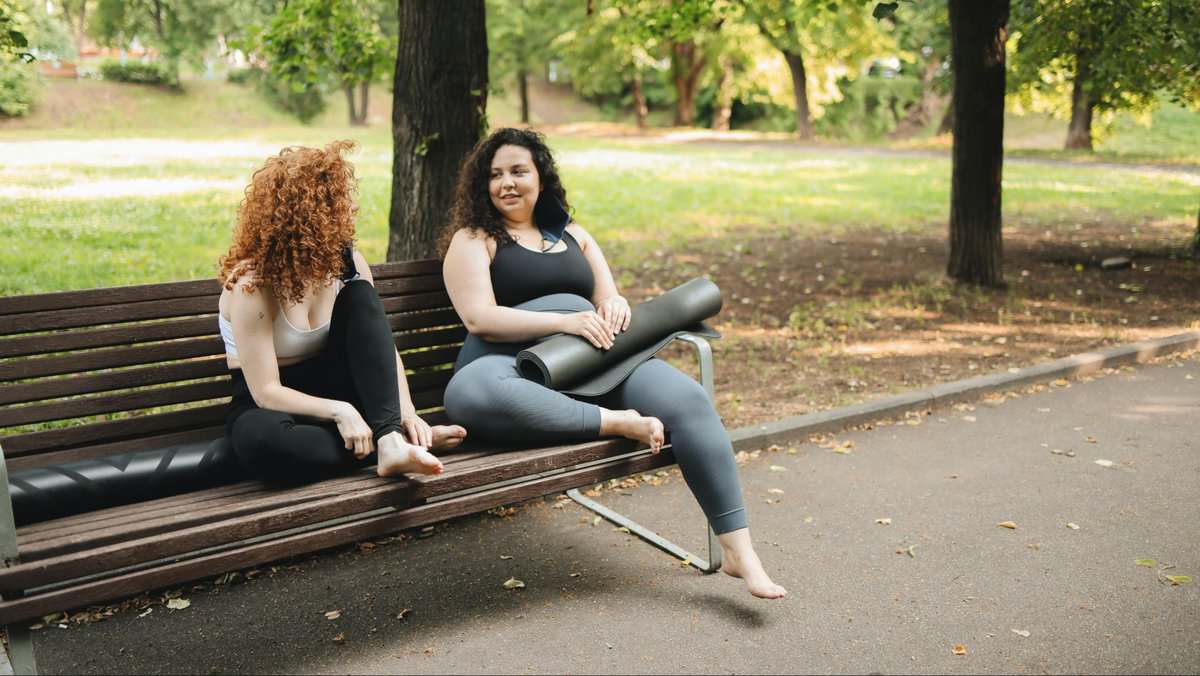
Doing something for someone can be rewarding; however, if you are only able to assist when it fits into your schedule or if it benefits you, the individual receiving your assistance will more than likely notice this pattern.
Oftentimes, genuine kindness will require some small sacrifice on our behalf. A small sacrifice can include giving someone your time, showing them your attention, or encouraging someone.
This does NOT mean that you will always say “yes” to everything that is asked of you. It means that you will extend your willingness to help regardless of the convenience factor.
2. You Need To Be Right All The Time

Although it can feel good to be right every time you are in a discussion, this will not build your relationship with the other person.
When you correct other people, argue about small details, and are unwilling to accept that you were wrong, the other person may see you as painful to deal with instead of being helpful.
To be kind to another person sometimes may involve letting minor disagreements pass, and/or acknowledging that the other person sees things differently than you do.
3. Giving Advice To People Who Did Not Ask For It

Although giving advice to someone else may be done with good intentions, if you continually attempt to fix other people’s problems without being asked, you may be perceived as disregarding their feelings.
Sometimes people just want you to listen instead of immediately trying to find a solution to their problem.
If every conversation you have with a friend, family member, or significant other is filled with lots of advice, those people may feel like you are lecturing them and not listening.
5. You Keep Score In Relationships

If you tell people about every favor that you do for someone else, and you consistently compare who has done more, your kindness may not be seen as sincero by that person because there are hidden expectations.
Generosity is the basis of healthy relationships, not continually keeping score. Fairness is important, but demonstrating true caring is not the same as treating it like a transaction in business.
Friends and family should always feel like you are selflessly helping and not made to feel indebted.
6. You Gossip Under The Excuse Of Concern

Truly showing preocupación for someone is great; however, when you use this as an excuse to gossip about others, it diminishes your friends’ or family’s ability to trust you.
It is important to get into the habit of protecting the dignity of the person you are discussing.
Therefore, before you share a story (for whatever reason, even concern for the person) about another person, ask yourself if you would want someone to share the same type of story about you.
7. You Rarely Express Gratitude

Given that everyone wants to feel appreciated, not expressing gratitude for helping you, doing you favors, or providing you with emotional support could lead to many people feeling taken for granted.
Expressing gratitude toward someone does not require making an elaborate speech. Most people appreciate simply being thanked; this usually leaves a long-lasting impression.
Coworkers, friends, family members, and partners all want to be recognized for the time they spend helping you. Kindness is about accepting support with grace and letting people know that their time, generosity, and thoughtfulness are appreciated.
8. You Dismiss Other People’s Emotions

When you tell someone to “Just get over it,” or “You’re overreacting,” or “It’s not a big deal,” it may seem practical, but you are really minimizing their emotions.
Being kind means understanding that people experience situations differently. You may not have to agree with every emotion that another person feels to demonstrate respect for that person’s feelings.
Feeling understood is one of the greatest gifts that you can give to another person.
9. You Seek Recognition for Basic Decency
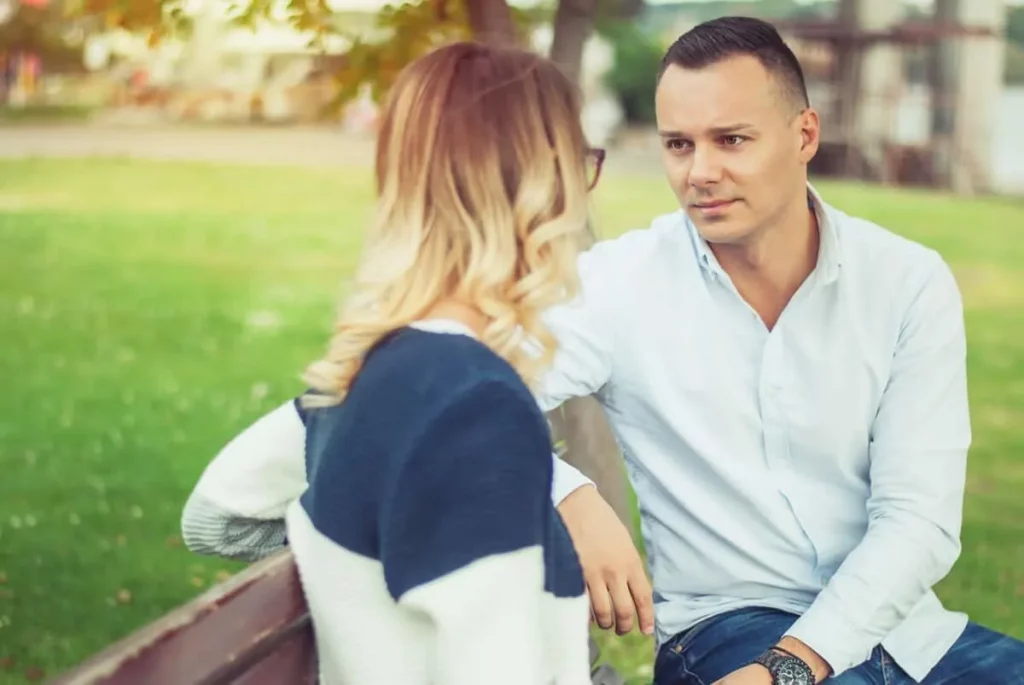
Helping someone, keeping your promises, and being respectful should never be rewarded with applause.
If you are constantly seeking recognition for merely acting appropriately, people begin to doubt whether your kindness is sincere. Genuine acts of kindness are usually performed without any thought of accolades or rewards.
That does not make it wrong to want your efforts recognized; however, it should never be your motivation for performing kindness.
10. You Find It Hard To Apologize
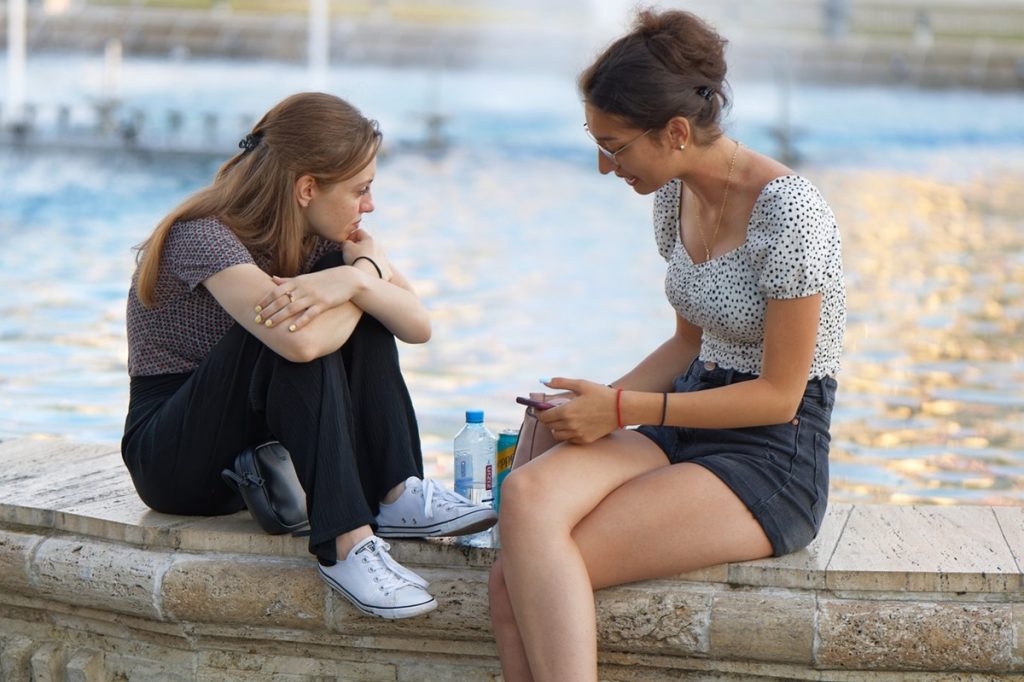
Everyone makes mistakes, but refusing to genuinely apologize for your mistakes does more damage than the original act ever will in a relationship.
If you always attach excuses, blame, or explanations to your apologies, you run the risk of losing the trust of those to whom you are apologizing.
A true apology does not attach anything other than a sincere willingness to take full responsibility for your actions.

Born and raised in Bosnia and Herzegovina. Ever since I was a little girl, my imagination knew no bounds. I remember vividly how I’d scribble down short stories, each page bursting with adventures and characters conjured up from the whimsy of my mind. These stories weren’t just for me; they were my way of connecting with my friends, offering them a slice of my fantasy world during our playtimes. The joy and excitement on their faces as we dived into my fictional realms motivated me to keep writing. This early passion for storytelling naturally evolved into my pursuit of writing, turning a childhood hobby into a fulfilling career.