
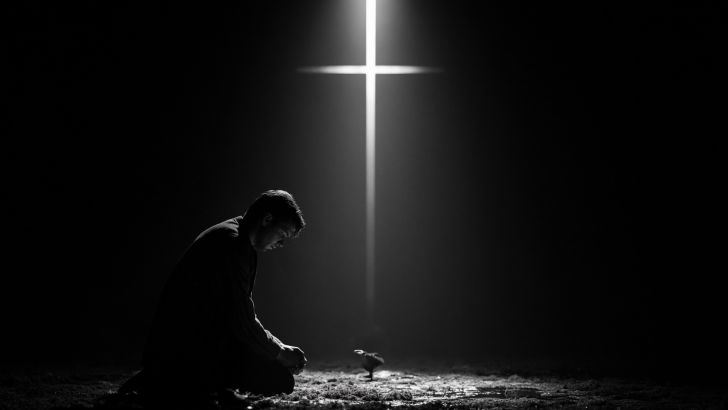
Prayer has traditionally been associated with speaking words or songs or with writing about one’s reflections. However, throughout the ages, silence has also been integral to people’s spiritual lives.
There are many traditions that say that finding quiet space can develop the qualities of listening deeply, experiencing gratitude, and building relationships with a power greater than oneself.
Silence does not mean not saying anything because there are no words to say. Silence can become a way of being present, listening, and trusting to simply be.
1. Silence Creates Space To Listen

Many people pray by seeking guidance. But praying in silence provides us the opportunity to listen.
Providing time to listen in quiet can create thoughts, insights, or emotions that might otherwise be missed due to distractions or busy lives. Finding stillness does not fill every second with words but allows for the experience of patience and attentiveness.
Creating times of stillness facilitates a space for reflection and eventually leads to a deeper connection with spirituality.
2. Not Every Feeling Needs Words

Some moments of joy, sorrow, gratitude, and hope can be difficult to put into words. A moment of silence can convey what English or any other language cannot.
Most people have had moments where sitting in silence was more meaningful than searching for a perfect phrase. It means to be honest with the feelings without the pressure of explaining them.
Prayer is not just about eloquence; it is about sincerity before God, even if our thoughts seem too complicated or too far-reaching for standard communication.
3. It Helps Quiet Daily Distractions

Since life never slows down on its own, and since the many notifications, conversations, obligations, and trying to make sense of the endless stream of information all try to distract you every day, choosing a mute button on life for any amount of time in prayer provides a break from the day-to-day mental noise.
Just a few minutes of silence provides an opportunity for clarity and a release from feeling overwhelmed. By using this intention, one can regain a focus on what truly matters rather than reacting to every distraction in their environment.
4. Silence Encourages Humility
It is easy to speak, but listening requires discipline. Silence in prayer shows that faith is not just asking for something but also being humble before God.
Instead of presuming to know what should be done in a situation, quiet reflection offers the opportunity to be open to God’s wisdom, which may be different than our personal understanding of the situation.
Thus, silence becomes an act of faith rather than inactivity. It is an exercise in patience and tells us that we cannot grow spiritually through constant prayer or constant communication.
5. It Can Deepen Gratitude

Gratitude does not begin with writing down a long list of the blessings we have received. Sitting quietly and reflecting on those gifts could strengthen the genuine and deep appreciation of those blessings.
People often overlook the blessings of their lives and the everyday gifts we take for granted because of the demands we face in our schedules.
During times of peace, we can take the opportunity to appreciate our relationships, our health, the many opportunities we have, and the many small acts of kindness.
6. Silence Makes Reflection Easier

Prayer is about far more than simply begging for help. Prayer is about reflecting on your own heart and character.
The ability to be in a quiet, still place allows us the chance to look at our choices, attitude, and relationships in an honest manner without being influenced by outside distractions.
In the silence, we are also able to allow the difficult questions we face to surface naturally; therefore, rather than trying to avoid the difficult questions, we will have the opportunity to face them head-on.
This type of reflection can provide space for forgiveness, personal growth, and an opportunity to make wiser choices moving forward.
7. It Reminds Us That Presence Matters

One of the best ways to build a strong relationship with God is to spend time with one another, even when there has not been much said.
Many followers of God rightfully see their time spent in silent prayer and in prayer in general as time spent being in God’s presence.
When we utilize our time in silence to develop our relationship with God, we are emphasizing being present with Him rather than focusing on how to say everything that we think we should.
This adjustment takes away any anxiety that comes from attempting to find the right word(s) to say to God and focuses on the idea of faith and companionship.
8. Many Faith Traditions Value Quietness
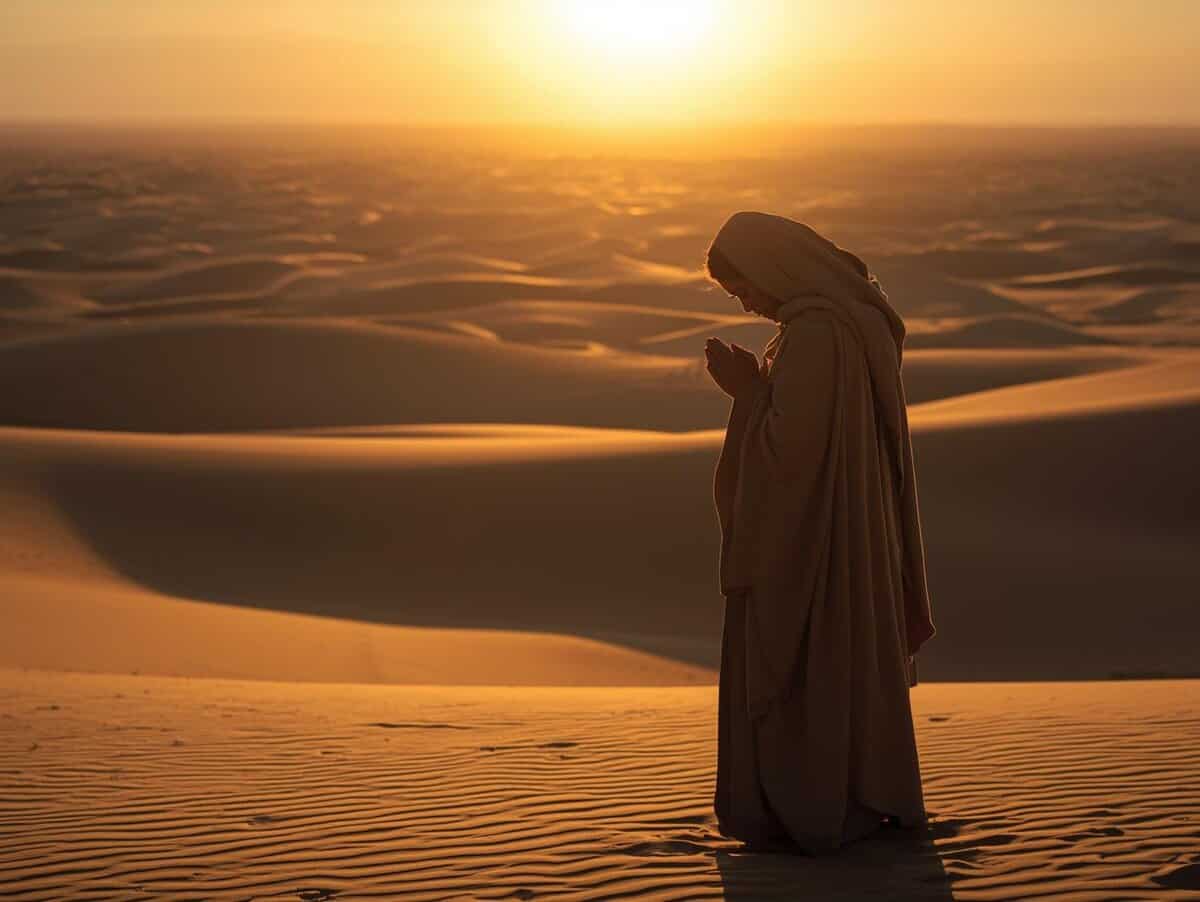
Throughout the history of spirituality, numerous believers have utilized silence as part of their spiritual practice, whether it be in monastic communities, contemplative traditions, or as part of individual worship time.
As a result of the presence of silence in many people’s spiritual development, silence has often been viewed as a way to gain wisdom and patience and as a means of deepening one’s faith.
Although different religions have different angles on practicing silence, many believe that silence creates opportunity for spiritual growth.
9. Silence Can Bring Inner Peace

Having a moment to slow your heart and mind will assist you in relieving stress and/or anxiety as a result of emotional and mental exhaustion.
Silent prayer will allow you to catch your breath, to release all of the things that you might be anxious about, and to focus on where you are at this moment.
Although silent prayer will not take away your problems, it will enable you to change the way in which you are facing those problems. When your mind is no longer cluttered with distractions, it is easier to start building a sense of peace.
10. Words And Silence Can Work Together
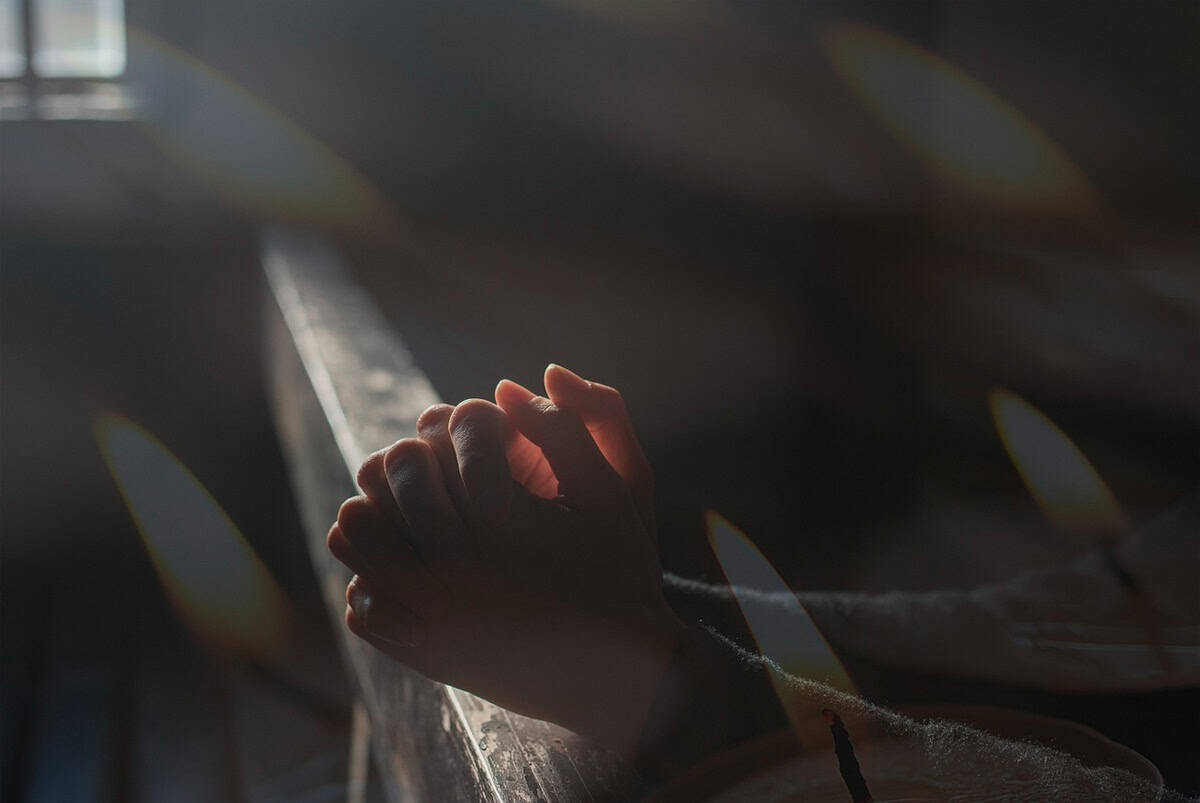
Silence does not replace spoken prayer, nor is spoken prayer useless when done in silence. Both elements contribute to each other very positively, and each can be effectively used in the same prayer.
There are times when you will have to speak to yourself, there will be times when you will have to appreciate what you have, and there will be times when you should just sit in silence.
A well-balanced spiritual life will include both spoken and unspoken prayer. By utilizing silence in conjunction with their spoken words of prayer, believers will find a greater sense of peace, connection, and attentiveness to their spiritual life that they have never had before.

Born and raised in Bosnia and Herzegovina. Ever since I was a little girl, my imagination knew no bounds. I remember vividly how I’d scribble down short stories, each page bursting with adventures and characters conjured up from the whimsy of my mind. These stories weren’t just for me; they were my way of connecting with my friends, offering them a slice of my fantasy world during our playtimes. The joy and excitement on their faces as we dived into my fictional realms motivated me to keep writing. This early passion for storytelling naturally evolved into my pursuit of writing, turning a childhood hobby into a fulfilling career.