
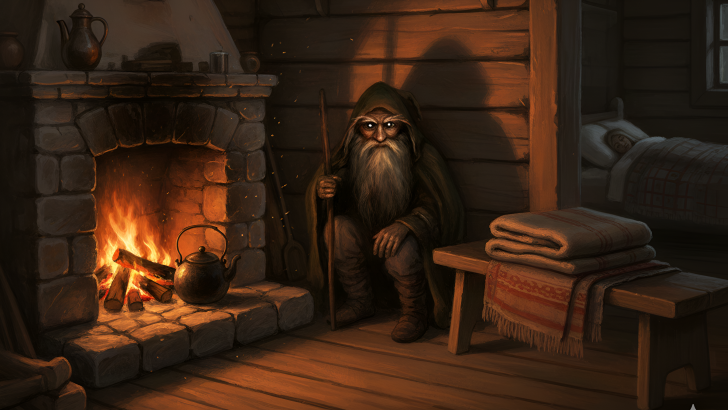
In many Slavic homes, people once believed that a small guardian spirit lived quietly in the corners of the house.
This spirit was called the Domovoi. Even though he was rarely seen, families felt his presence as strongly as they felt the warmth of a fire.
The Domovoi was not a frightening spirit. Instead, he was treated almost like an invisible family member who watched over the home, especially during the silent hours of the night.
People trusted him to protect sleeping children, keep the peace inside the walls, and warn the household of danger.
His story survived for centuries because he represented something simple. The wish for safety and comfort in a world that was often unpredictable.
Even today, many people in Slavic countries remember him with fondness and talk about him as if he still watches from the shadows.
Who the Domovoi Was in Old Slavic Beliefs
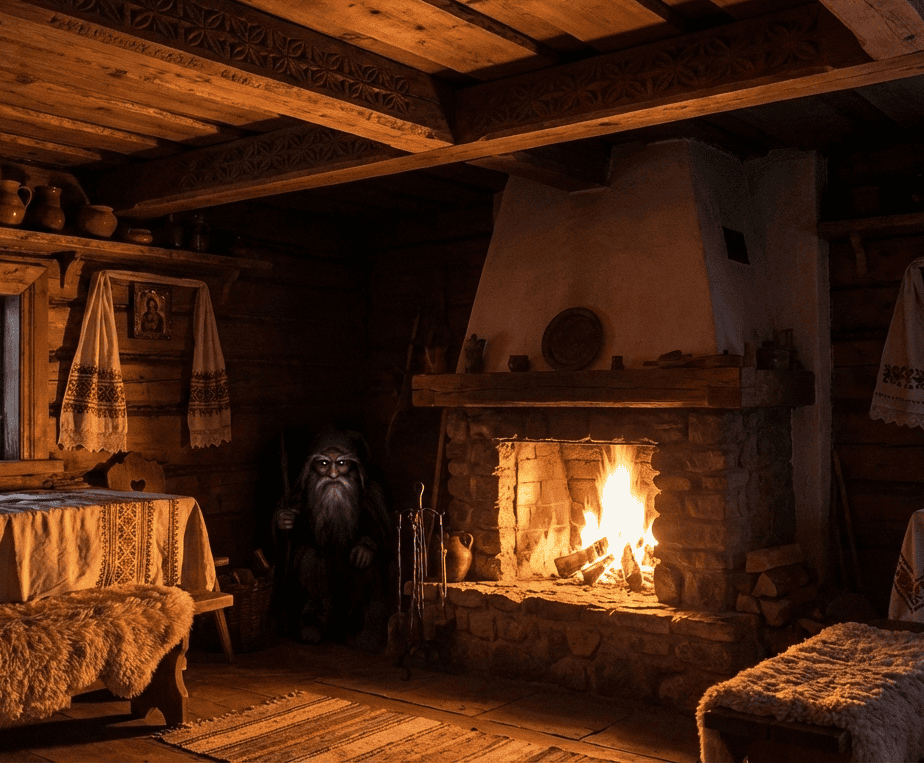
To understand the Domovoi, we need to picture life in the old Slavic world. Families lived in wooden houses that were often surrounded by forests, fields, and deep snow in the winter.
Nighttime could feel frightening because the world outside was full of sounds from animals and the wind.
People wanted to believe that something friendly lived with them and kept them safe. The Domovoi filled that role.
He was thought to be a small old man with a long beard and bright eyes, although very few claimed to have seen him.
Most people believed he moved quietly through the house like a whisper.
The Domovoi was connected to the spirit of the home itself. Wherever a family lived, he lived with them.
When they moved, he would sometimes follow if they invited him. If they forgot, he might stay behind and wait for a new family to arrive.
People believed he lived under the fireplace or near the threshold, which were considered the heart and the entrance of the home.
These places held strong symbolic meaning because they marked the line between safety inside and the wild world outside.
Although he acted like a guardian, the Domovoi also had a lively personality. People said he could get annoyed if the house was messy or if the family argued too much.
He cared deeply about order and harmony. If things went wrong, he might make small noises to remind people to behave.
These little warnings made the Domovoi feel almost human. He was not perfect, but he cared in his own way.
His presence gave comfort to families because they felt someone loyal and wise was watching over them.
How the Domovoi Protected the Household
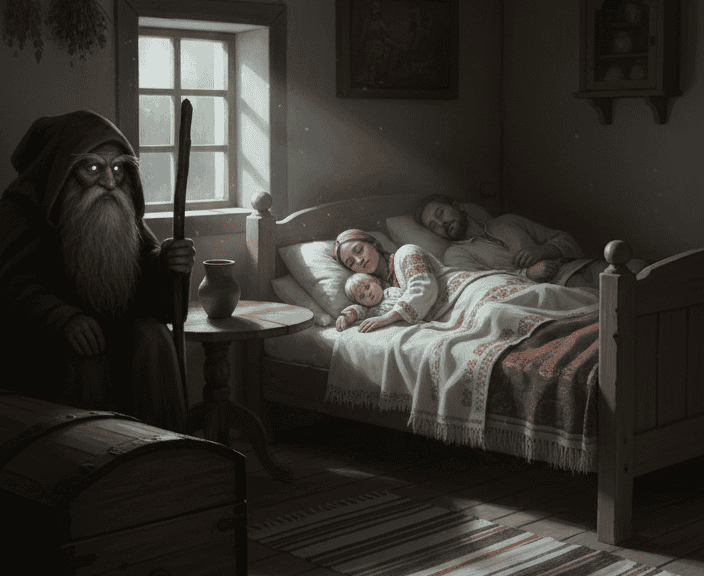
The Domovoi’s main role was protection. In old stories, he stayed awake while the family slept and walked through the house to make sure nothing was disturbed.
People believed he could sense when danger was near. If a fire was starting or animals were trying to get inside, he would make noises to wake the family.
Some claimed he pulled on blankets or tapped on walls when he needed to get attention. These small signs were his way of guiding people toward safety.
One of the most touching parts of his story is how he was in charge of watching over children.
Parents believed that if a child cried at night, the Domovoi might comfort them or chase away whatever frightened them.
This made the house feel like a living space filled with kindness rather than fear. It also helped parents explain nighttime noises to children in a gentle way.
Instead of saying something scary was outside, they said the Domovoi was walking around doing his nightly work.
People also believed the Domovoi protected the family from bad luck. He could sense changes in the household, such as illness or arguments.
If something was wrong, he might appear in dreams or make soft sounds that hinted at trouble.
These moments were taken seriously because the Domovoi’s warnings were seen as a gift. The family would try to solve the problem quickly to restore peace.
In return for his protection, families tried to treat the Domovoi with respect. They kept the house clean and warm.
When the spirit felt appreciated, he protected the house even more strongly. This created a sense of partnership between the family and the guardian who lived with them.
When the Domovoi Became Restless and What It Meant
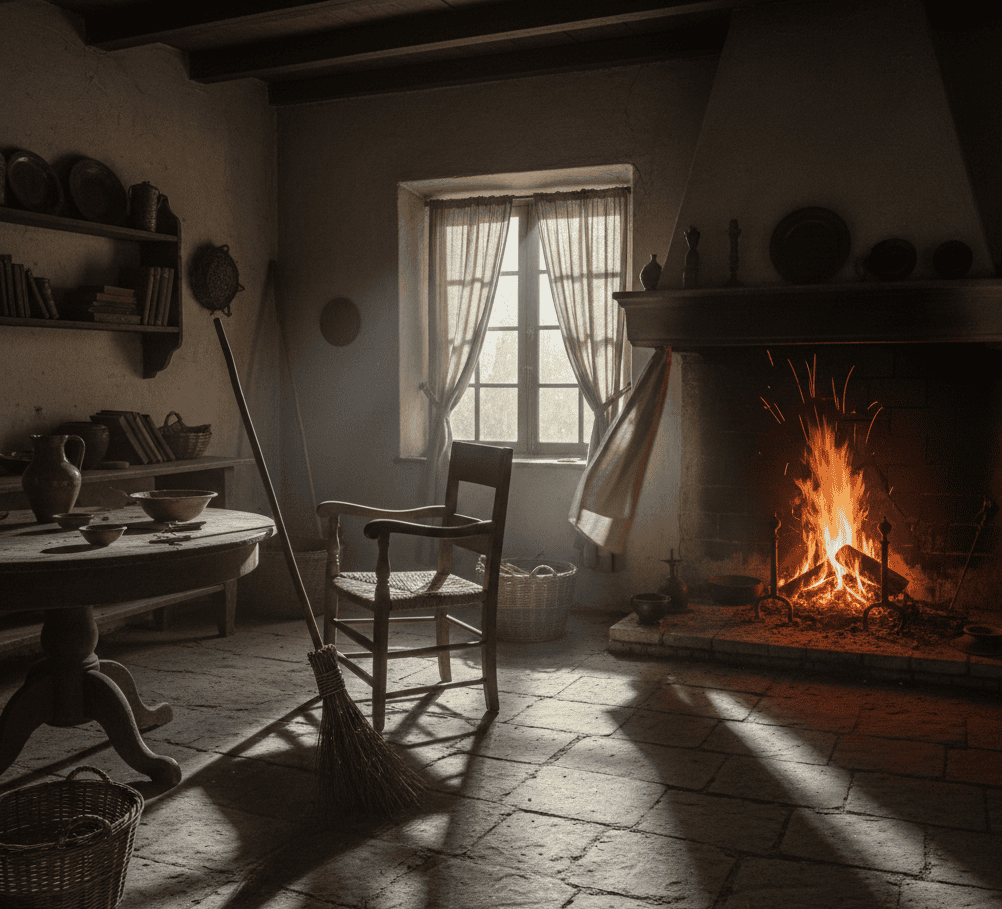
Although the Domovoi was usually peaceful, there were moments when he became restless. This happened when the household fell into disorder.
If people argued too loudly or left the home in a state of chaos, the Domovoi was believed to react. He might move objects at night or make louder noises.
These actions were not meant to scare the family. They were reminders that the spirit cared about harmony and wanted the house to feel calm again.
Old stories say that the Domovoi disliked dishonesty and disrespect. If someone in the family behaved badly, he might give subtle warnings.
The Domovoi was seen as a moral guide who wished for fairness and kindness. People often said that a happy Domovoi meant a happy home.
There were also rare stories about the Domovoi leaving a household. This was considered a very bad sign because it meant the family had ignored his warnings for too long.
If he left the house, people believed misfortune might follow. To call him back, families performed simple rituals such as sweeping the entryway or speaking kind words near the fireplace.
Even though these stories may sound mystical, they reveal something very human. They show how people tried to understand the mood of their homes.
They used the Domovoi as a symbol of inner balance. When things felt calm, they believed he was pleased.
Why the Domovoi Still Matters in Modern Times
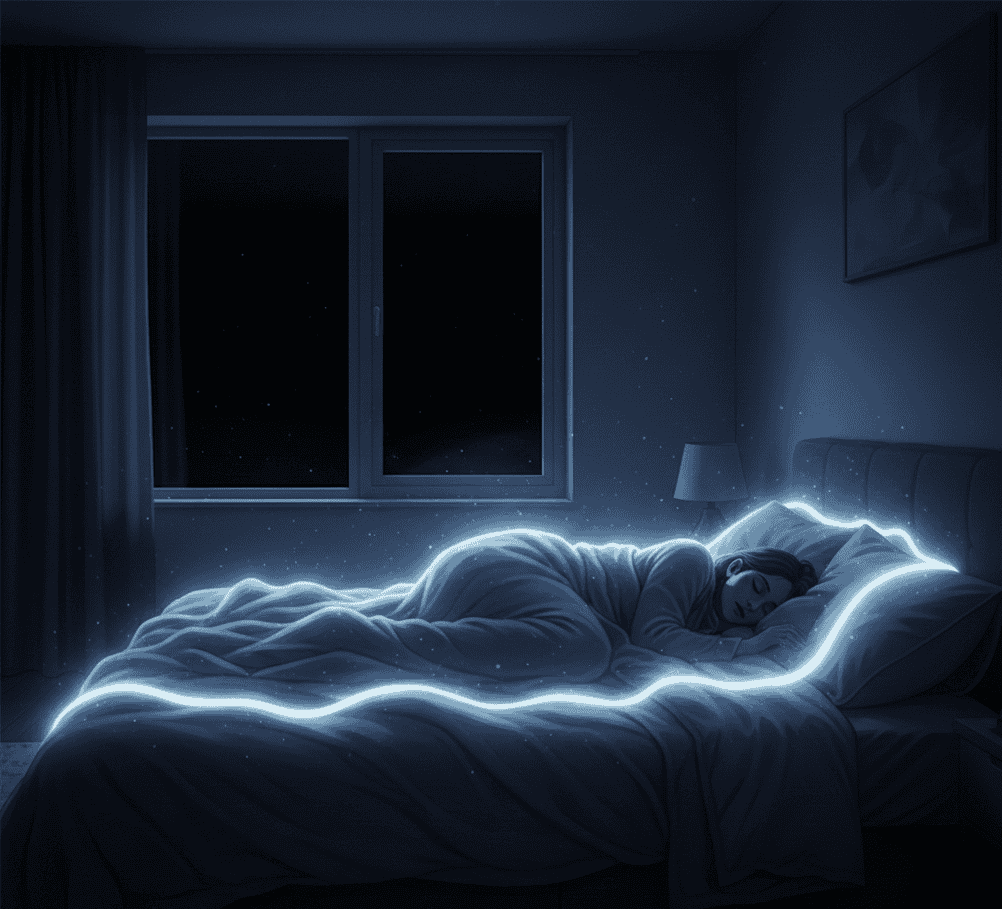
Today, many people no longer believe in house spirits, but the story of the Domovoi continues to hold meaning.
He represents the idea that a home is more than a building. It is a place filled with emotions, memories, and invisible bonds.
The Domovoi reminds us that the atmosphere of a home depends on the kindness and respect shared by the people inside.
He stands for comfort during the quiet hours when the world outside is still, and the house feels vulnerable.
Most of all, the Domovoi endures because he represents a gentle kind of protection. He does not appear in dramatic battles or epic adventures.
Instead, he expresses love through small moments and quiet care. His presence invites people to think about their own homes and the peaceful habits that make them feel safe.
Through his story, we see that the heart of a home is shaped by the people who live in it and the warmth they create together.

Siempre sentí una fuerte conexión con lo Divino desde mi nacimiento. Como autora y mentora, mi misión es ayudar a los demás a encontrar el amor, la felicidad y la fuerza interior en los momentos más oscuros.