
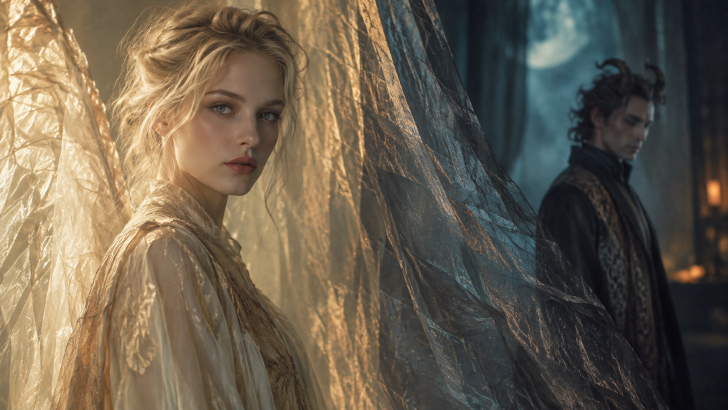
Sleep leaves us defenseless. And long before anyone understood REM cycles or sleep paralysis, people filled the darkness with supernatural visitors.
Some stood watch beside the bed. Others were blamed for bad dreams, sudden pressure on the chest, or the terrifying feeling of waking up unable to move.
And strangely, the protectors didn’t always look any friendlier than the monsters.
Here are eight beings that have guarded—or disturbed—the sleeping world.
1. Baku
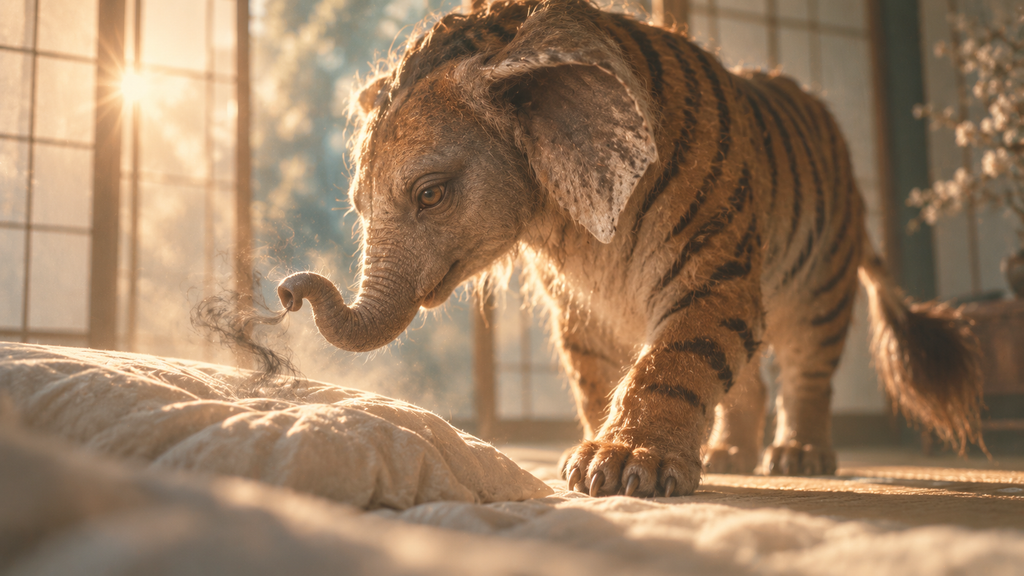
If something frightening followed you into a dream, Japanese folklore offered an unusual solution: feed it to the baku.
The baku was a composite creature with features borrowed from animals such as an elephant, tiger, ox, and rhinoceros. Imported from Chinese tradition, it was known in Japan by the 15th century.
People didn’t only tell stories about it. Images of the baku were kept near sleepers to ward off bad dreams, illness, and harmful spirits. Baku motifs also appeared on pillows.
The baku could consume a frightening dream afterward, leaving the sleeper free to rest again.
2. Bes
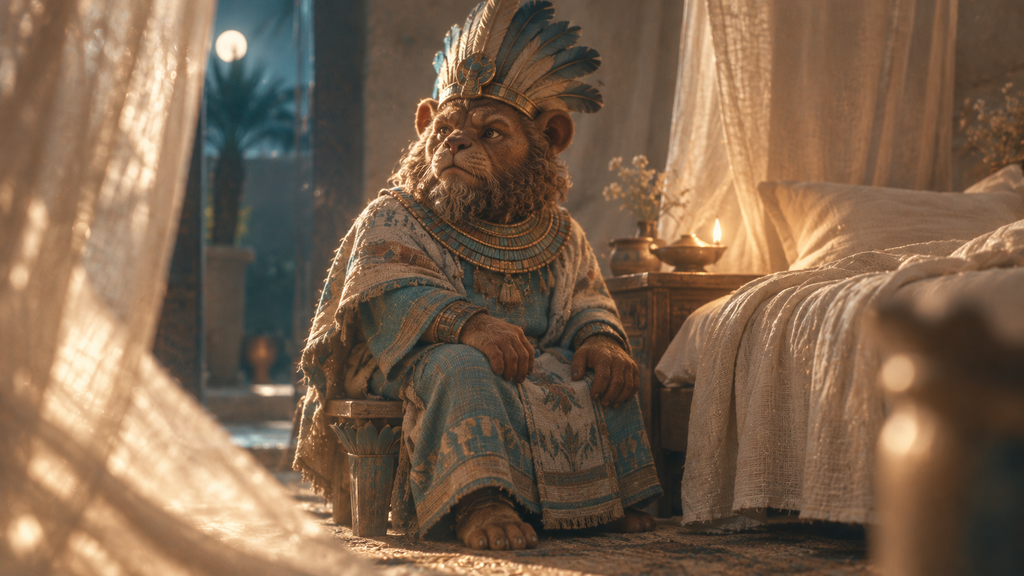
Ancient Egypt’s Bes didn’t look like a gentle bedtime companion.
He was shown with a grimacing face, a protruding tongue, crooked legs, and leonine features. That frightening appearance was useful. Bes protected households, mothers, children, and sleepers.
His image appeared on beds and headrests because sleep was considered a dangerous, unguarded state. Bes’s face and even his music were believed to drive away hostile spirits and other dangers of the night.
It’s quite an interesting solution. If darkness contained something frightening, place something even more frightening beside the pillow.
3. Guardian Angels
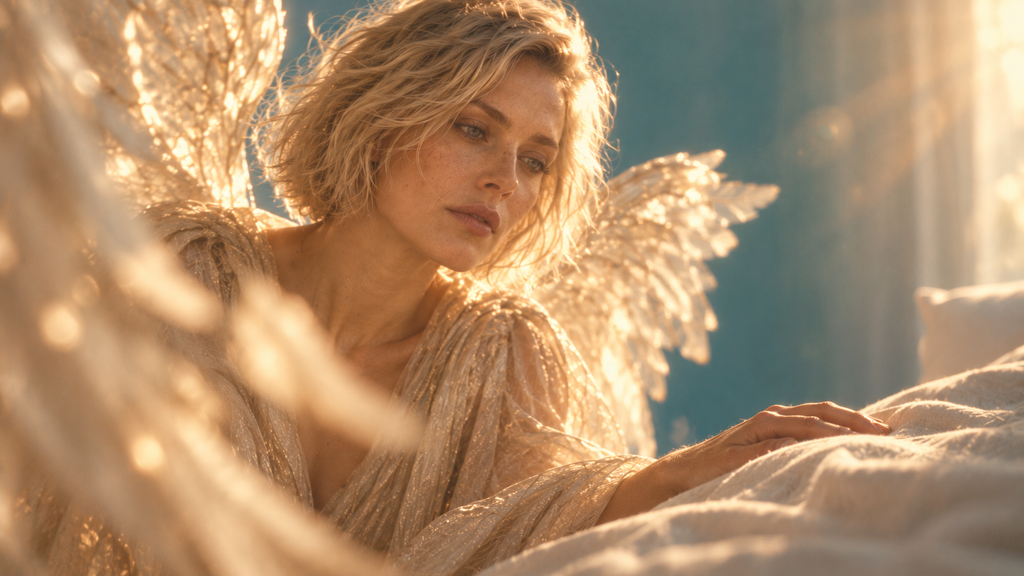
For generations of Christian children, bedtime meant asking an angel to remain nearby until morning.
The idea draws on a broader Christian belief in angelic protection.
Psalm 91 moves from “the terror of the night” to God commanding His angels to guard the faithful.
Catholic teaching likewise describes human life as surrounded by the angels’ watchful care and intercession.
The Bible doesn’t specifically say that guardian angels control dreams or guarantee nightmare-free sleep. That association grew through prayer and devotion.
Unlike a baku, the angel doesn’t eat the dream. The angel watches over the person having it.
4. Pazuzu
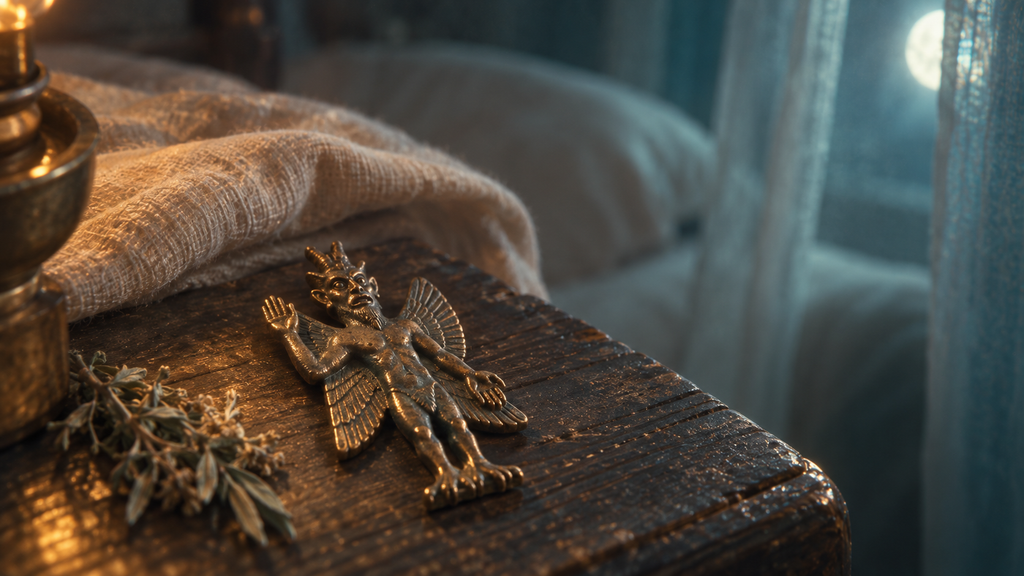
Modern horror turned Pazuzu into a straightforward villain. But ancient Mesopotamia gave him a stranger role.
Pazuzu was the king of the wind demons, depicted with claws, wings, a scorpion’s tail, bulging eyes, and a snarling mouth. Yet people wore small images of his head for protection.
Why invite one demon near the bed? Because he could repel another.
Pazuzu was used as a defense against Lamashtu, who was especially feared by pregnant women and families with newborn babies.
He wasn’t safe or kindly. He was the supernatural equivalent of placing a more dangerous guard at the door.
5. Lamashtu
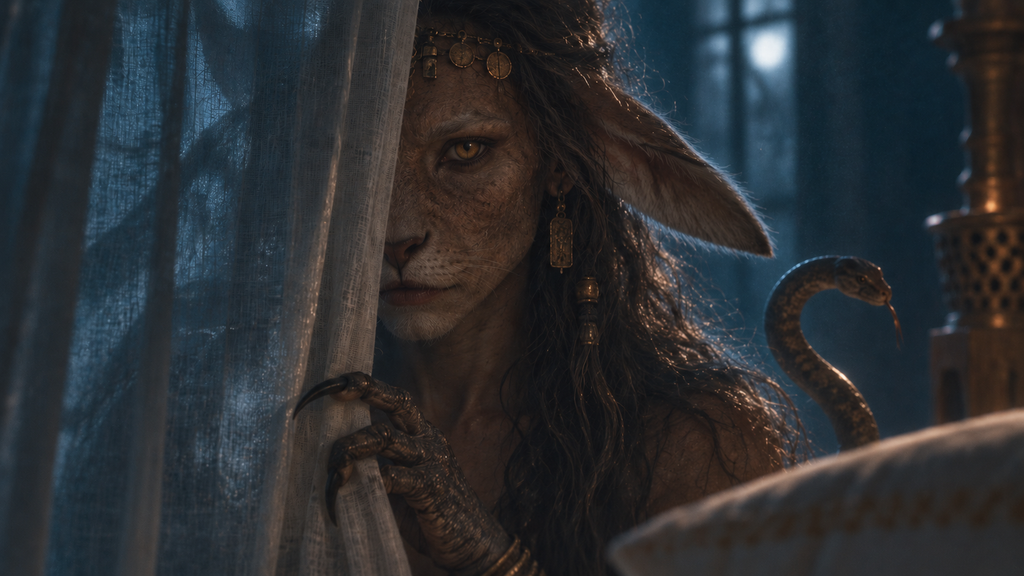
Lamashtu’s role was far darker than simply delivering a bad dream.
Mesopotamians blamed her for illness and dangers surrounding pregnancy, birth, and infancy.
She was imagined with a lionlike head, donkey’s teeth, long fingers, and bird talons. Unlike demons believed to act under divine orders, Lamashtu supposedly chose harm for herself.
Protective plaques show how close that fear came to the bed. Some depict a sick person lying down, while an incantation on the reverse commands Lamashtu to leave.
Lamashtu represented the nightmare behind the nightmare: not just a frightening vision, but the fear that danger might enter the home while everyone slept.
6. The Mare—or Mora
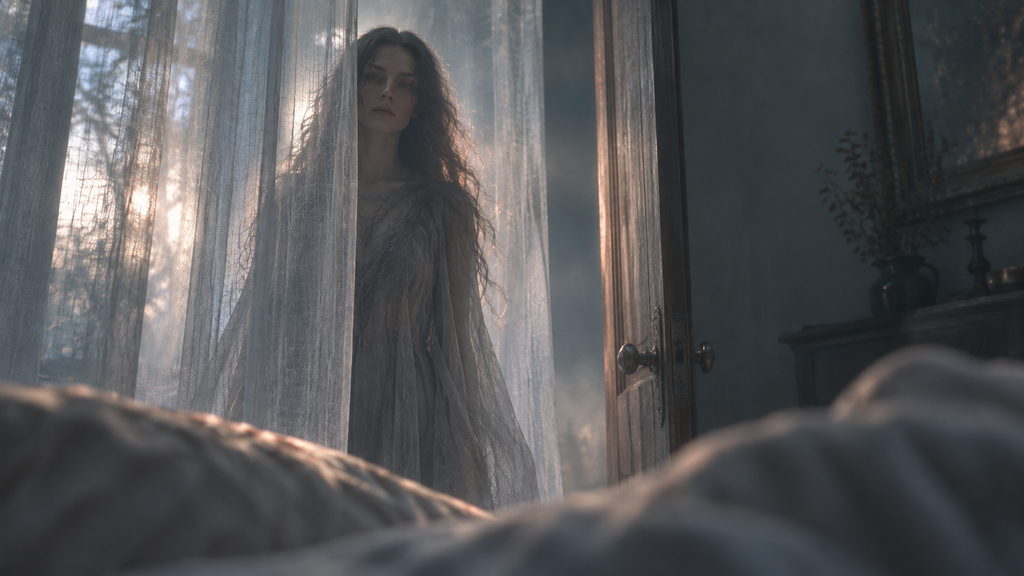
The “mare” in nightmare originally had nothing to do with a horse.
It referred to a nighttime being believed to crush, ride, or suffocate a sleeper. Related figures appear across Germanic and Slavic traditions as the mara, moray zmora.
A Croatian study of the mora as a supernatural being describes her as a figure that takes different forms and comes to trouble people in their sleep.
Other traditions imagined the mare sitting on the sleeper’s chest, leaving the victim unable to move or call out.
Only later did “nightmare” broaden into the ordinary term for any bad dream.
7. Pisadeira
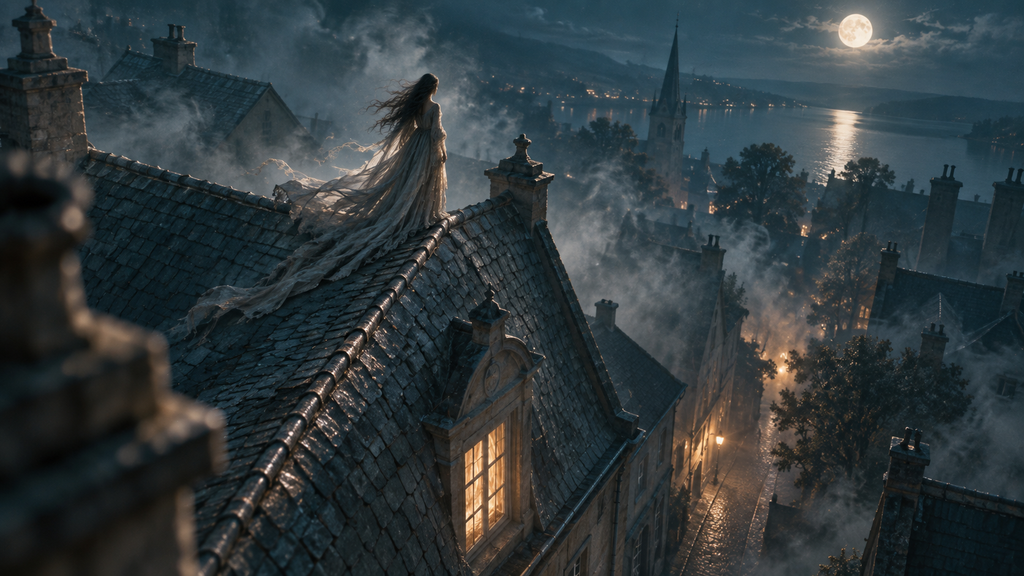
Brazilian folklore puts the nightmare above the house.
The Pisadeira is often described as a gaunt older woman with messy hair and long fingernails.
She waits on rooftops at night, then descends to trample or sit on the chest of someone who has fallen asleep on their back—especially after eating a heavy meal.
The victim knows what’s happening but can’t move, breathe comfortably, or shout.
Those details strongly resemble sleep paralysis.
She turns an invisible sleep disorder into something chillingly physical: a creature that was watching from the roof all along.
8. The Incubus
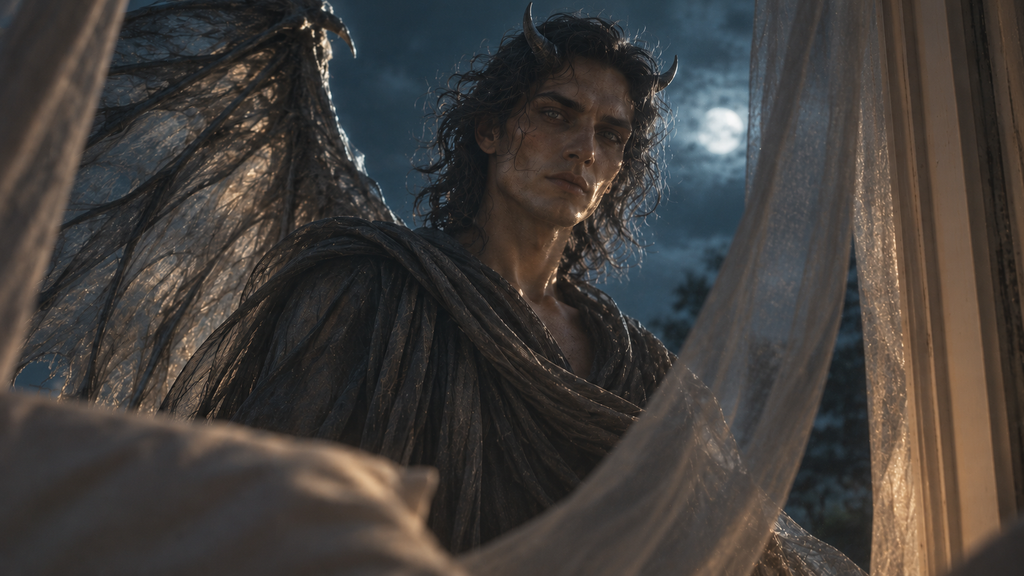
The incubus became infamous in medieval Christian tradition as a male demon that sexually attacked sleeping women.
The name also became tied to the crushing experience once blamed for nightmares.
Historical accounts describe a presence lying on the sleeper, restricting the chest, disturbing breathing, and making movement impossible.
Henry Fuseli fixed that image in the public imagination with The Nightmare, his famous painting of a creature perched on a sleeping woman.
The old term hasn’t completely disappeared from science. Researchers still use “incubus” for the form of sleep-paralysis hallucination involving chest pressure and shortness of breath.
The demon is folklore. The sensation, however, can feel terrifyingly real.
