
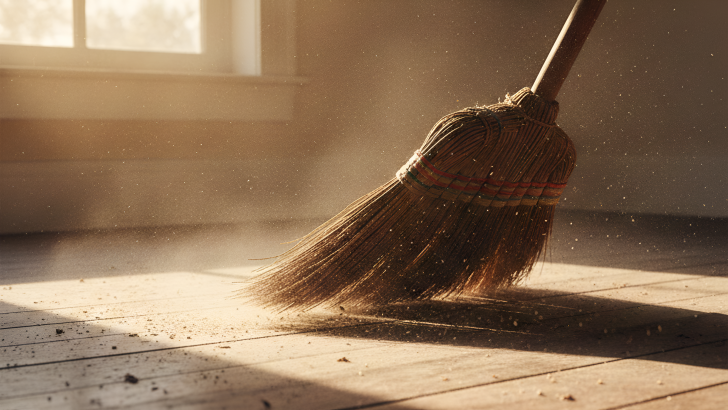
As the last days of December slip by, many people begin to feel the familiar pull of preparing for a fresh start.
Some tidy their rooms, some clean out old drawers, and others take a broom in hand and sweep every corner of the house.
For many families, this simple act is more than a chore. It is a tradition filled with spiritual meaning.
The belief that sweeping the house before January first helps clear out old energy and make space for new blessings has been passed down through generations.
Even today, it remains one of the most common end-of-year rituals around the world.
Ancient Ideas Behind the Tradition
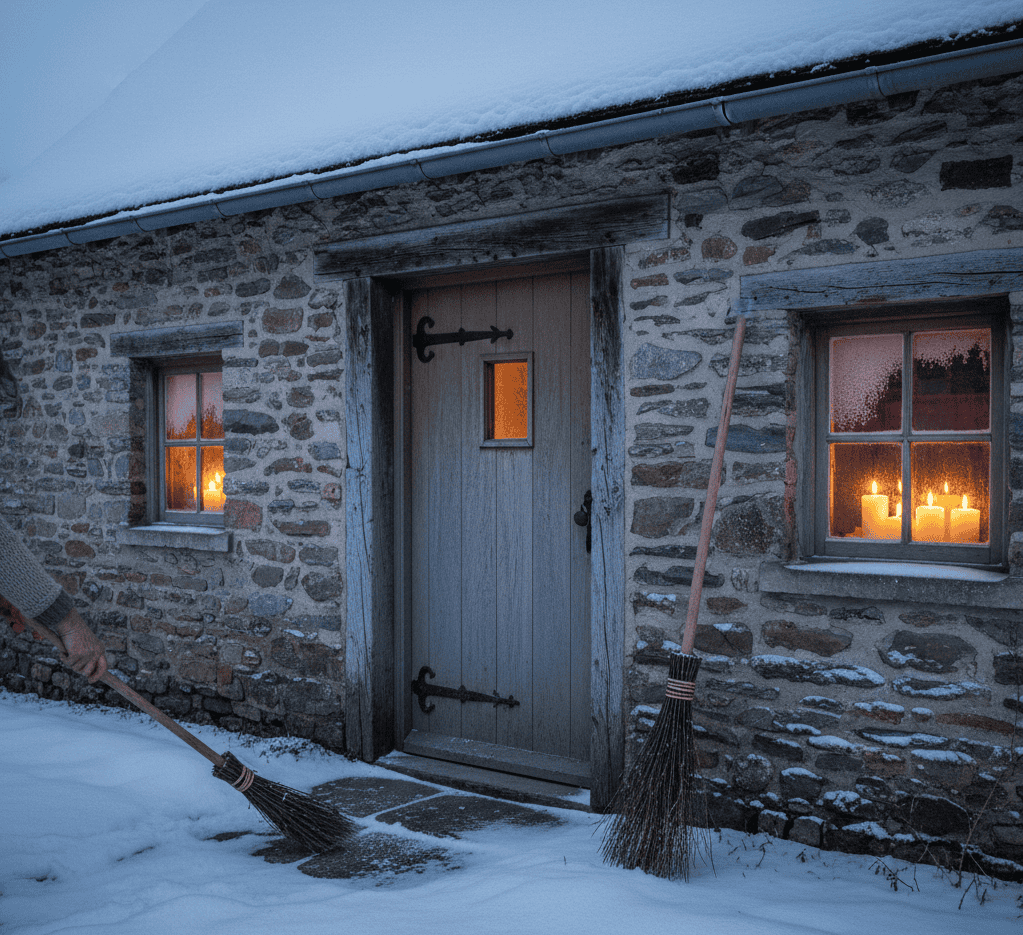
Long before modern calendars existed, people marked new beginnings with rituals that involved cleaning.
In many early communities, the home was seen as a sacred space. It protected the family from the cold and from the outside world.
Keeping it clean was both a physical responsibility and a spiritual act. Dust and clutter were thought to carry old energy.
If left untouched, they could block good fortune and make it harder for the family to move forward.
In parts of Europe, sweeping the home before the new year was a way to chase away the remains of the old year.
People believed that misfortune lingered like a shadow. By sweeping the floor, they imagined they were brushing away sadness, illness, or negative experiences.
They saw the broom as a tool of renewal. After sweeping, they often opened windows to let fresh winter air carry the old energy out.
In Asian cultures, the end of the year was also a time for a deep cleaning. Families prepared for the new lunar year by sweeping away anything that symbolized bad luck.
Dust was not simply dust. It was a symbol of old problems. People cleaned every surface because they believed good fortune visits homes that feel open and ready to receive it.
Even in ancient Middle Eastern traditions, some communities believed that invisible spirits gathered in corners and that cleaning the home kept these spirits from settling.
Others viewed the act as a sign of respect to the coming year. Cleaning showed that the family cared about the blessings they hoped to receive.
Cleaning the home before January first was a ritual of transition. It helped people step out of the old year and into the new one with clarity.
What Sweeping Symbolizes in Daily Life
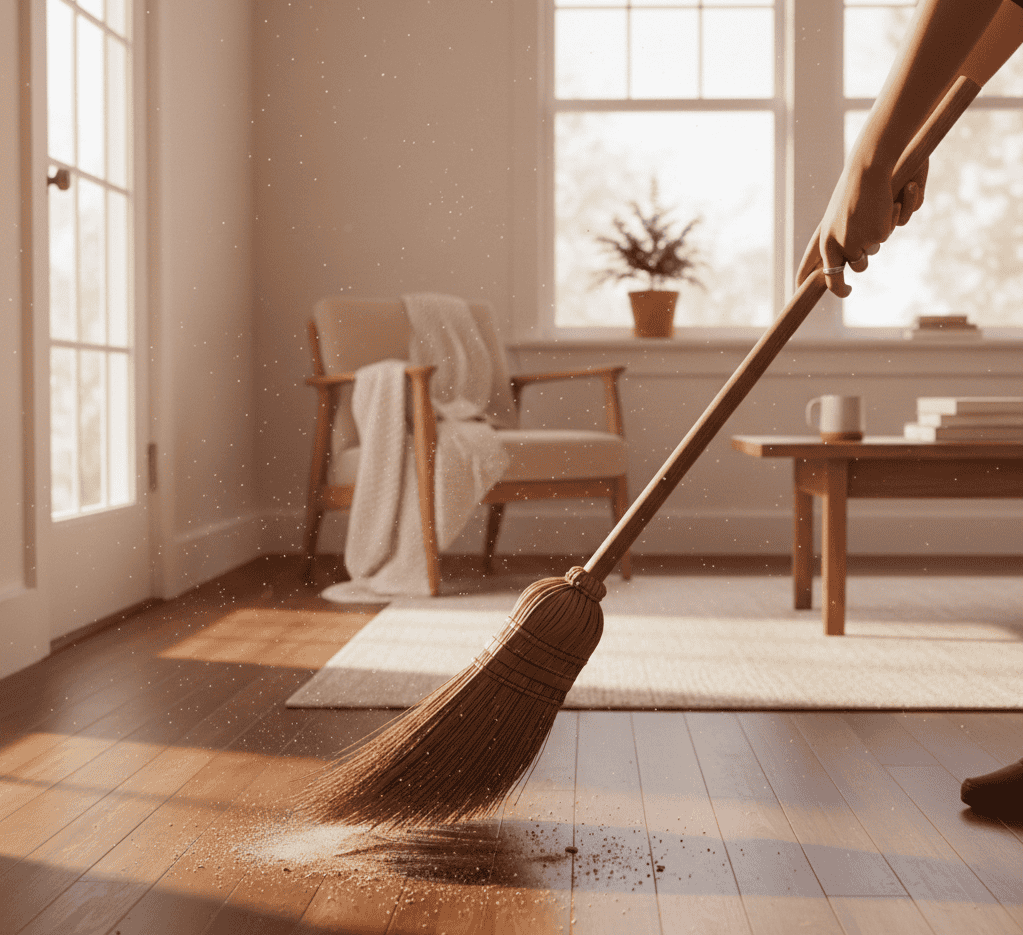
Sweeping may seem like the simplest task. Yet when you look closely at the tradition, you can see how powerful the symbolism is.
A broom moves old things away. It clears paths. It uncovers space that was hidden. Symbolically, this mirrors what people want at the end of the year.
They want to release regrets. They want to move obstacles out of their way. They want to see their homes and their lives with fresh eyes.
For many families, sweeping before January first also sends a message of readiness. It says the household is prepared for new experiences.
Some people place extra intention behind the movements of the broom. They sweep toward the door as if guiding the old energy out.
Others say a quiet prayer or repeat hopeful thoughts. These small gestures do not rely on superstition. They rely on the power of human intention.
Many people also believe that sweeping helps bring order to the mind. A messy house can make thoughts feel tangled.
Cleaning allows the mind to breathe. It creates space not only on the floor but also in the heart.
When people finish sweeping and look around at the clean room, they often feel lighter. That feeling is part of the spiritual significance.
Sweeping can also be an act of gratitude. It shows respect for the home that sheltered you throughout the year. By caring for your living space, you acknowledge its importance.
Why People Continue This Practice Today

Even in modern times, when many traditions fade away, the ritual of sweeping before the new year remains strong.
The reason is simple. It feels good. It gives people a sense of control during a season filled with pressure.
Instead of focusing only on big goals or resolutions, the act of cleaning offers a gentle way to prepare for change.
These moments create a link between generations. They remind people that even small actions can carry deep meaning.
For some, the ritual is spiritual. For others, it is emotional. Some do it because it brings a sense of comfort.
Others do it because they enjoy the feeling of starting the year with a clean space. People may not follow the old rules exactly, yet the heart of the tradition remains.
Modern life is full of digital noise and mental clutter. The simple act of sweeping invites people to slow down and focus on the present moment.
The sound of the broom on the floor, the movement of the hands, and the sight of a clean path can feel surprisingly calming.
Many households also add their own personal twist. Some burn a candle after sweeping. Others place fresh flowers in the living room.
Some rearrange furniture to symbolize a new flow of energy. These choices show that traditions can grow and change without losing their purpose.
Entering the New Year With a Fresh Spirit
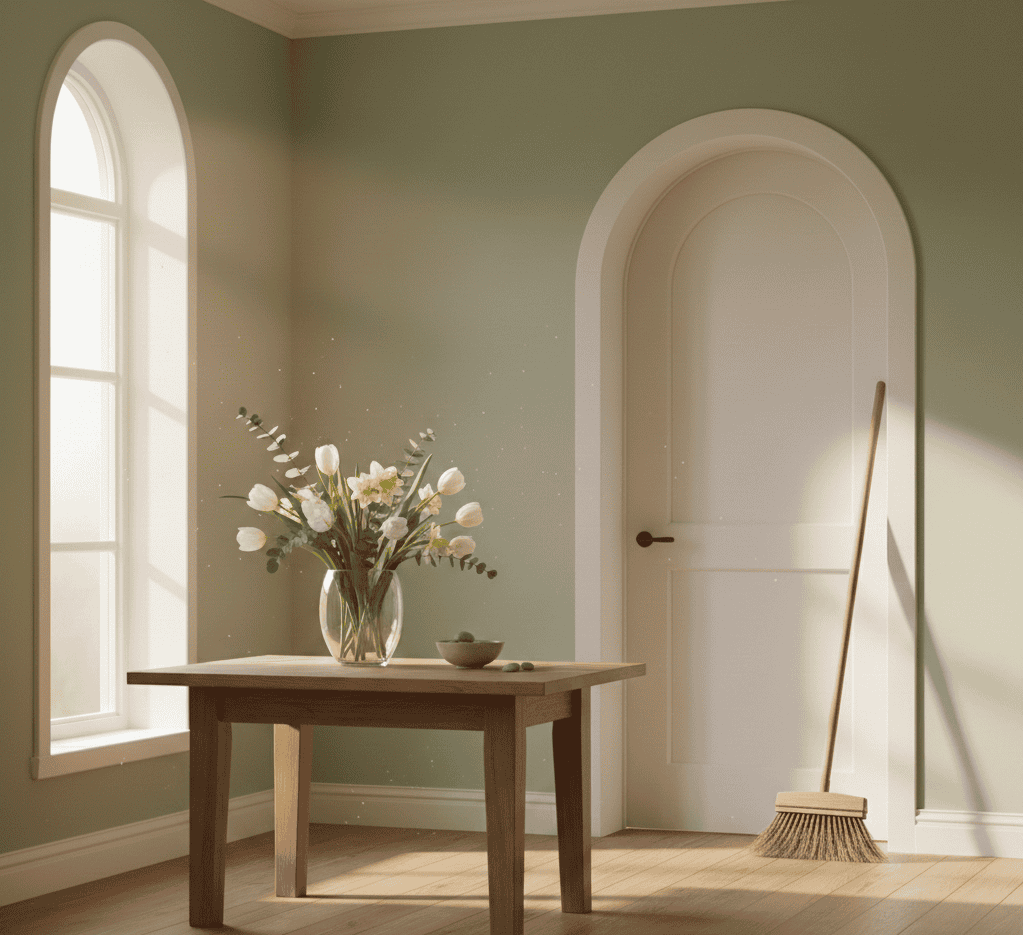
The lasting beauty of this tradition lies in its simplicity. You do not need special tools or complex steps.
All you need is a broom and a few quiet moments of intention. Sweeping the house before January first teaches that a new beginning starts with clearing your space.
It reminds you that you do not carry the weight of the past year into the next one unless you choose to.
You can sweep old thoughts aside. You can create a clean path for your hopes. You can step into the new year with a sense of peace.
This tradition also encourages people to see their homes as living spaces that respond to care.
When a home feels clean and open, it becomes easier to welcome visitors, good news, and positive energy.
Sweeping before January first remains a gentle reminder that endings and beginnings are powerful moments.
You have the chance to let go of what no longer serves you and to open your heart to what comes next.

Siempre sentí una fuerte conexión con lo Divino desde mi nacimiento. Como autora y mentora, mi misión es ayudar a los demás a encontrar el amor, la felicidad y la fuerza interior en los momentos más oscuros.