
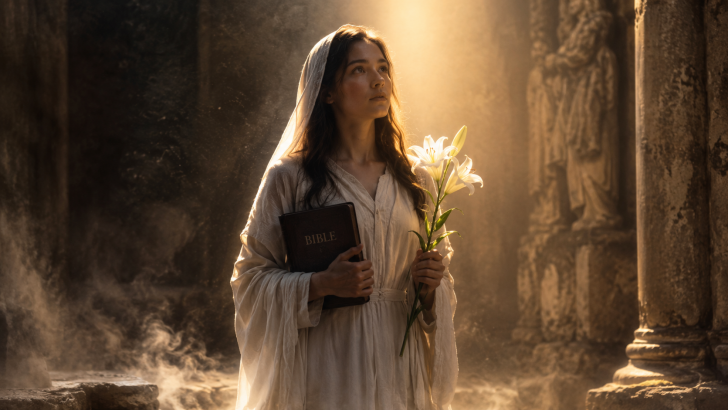
Throughout Scripture, physical objects, animals, plants, and natural elements are often used to represent deeper spiritual truths.
Among the most common themes is purity. In biblical tradition, purity is not simply about being clean on the outside.
It often symbolizes holiness, faithfulness, innocence, and a heart devoted to God.
Because many people in ancient times learned through stories and imagery, these symbols helped communicate important spiritual ideas in memorable ways.
Some appear in famous biblical events, while others are woven quietly throughout both the Old and New Testaments.
Many of these symbols continue to inspire believers today because they remind people of renewal, forgiveness, and spiritual transformation.
Here are ten powerful symbols of purity found in biblical tradition.
1. White Garments

White garments are among the most recognizable symbols of purity in the Bible.
The color white is frequently associated with holiness, righteousness, and spiritual cleansing.
In the Book of Revelation, faithful believers are often described as wearing white robes.
These garments symbolize lives transformed by faith and devotion to God.
The image is especially powerful because clothing was often used in Scripture to represent a person’s spiritual condition.
White robes remind readers that purity is not simply about outward appearance but about inner renewal and a restored relationship with God.
2. The Lamb

The lamb is one of the most important symbols in all of biblical tradition.
Lambs were often associated with innocence, gentleness, and sacrifice.
In the Old Testament, lambs played a central role in certain religious offerings.
In the New Testament, Jesus Christ is described as the Lamb of God.
The image combines ideas of purity, faithfulness, and redemption.
Because lambs were viewed as innocent creatures, they became powerful symbols of spiritual purity and God’s plan for salvation.
Their appearance throughout Scripture gives them a special place in biblical symbolism.
3. Pure Water

Water frequently represents cleansing, renewal, and spiritual purification.
Throughout the Bible, washing with water is connected to preparation, healing, and new beginnings.
One of the most significant examples is baptism, which symbolizes repentance and spiritual renewal.
Clean water washes away physical dirt, making it a natural symbol for inner cleansing as well.
The Bible often uses rivers, springs, and living water as images of God’s life-giving presence.
This connection between water and renewal remains one of the most meaningful symbols in Christian tradition.
4. The Dove

The dove appears in several important biblical stories.
After the great flood, a dove returned to Noah carrying an olive leaf, signaling that the waters were receding and new life was beginning.
In the New Testament, the Holy Spirit is described as descending like a dove during the baptism of Jesus.
Because of these associations, the dove became a symbol of peace, innocence, purity, and divine presence.
Its gentle nature further strengthened its connection to spiritual goodness and harmony.
Today, it remains one of the most recognizable biblical symbols.
5. Snow

Snow is used in Scripture as a vivid image of cleansing and forgiveness.
Several biblical passages compare spiritual purification to becoming as white as snow.
The image would have been especially striking because fresh snow appears untouched and spotless.
Writers used this comparison to illustrate the idea of sins being forgiven and removed.
Snow symbolizes a new beginning and a restored spiritual condition.
Its bright appearance made it a natural representation of purity and renewal in biblical poetry and prophecy.
6. Olive Oil
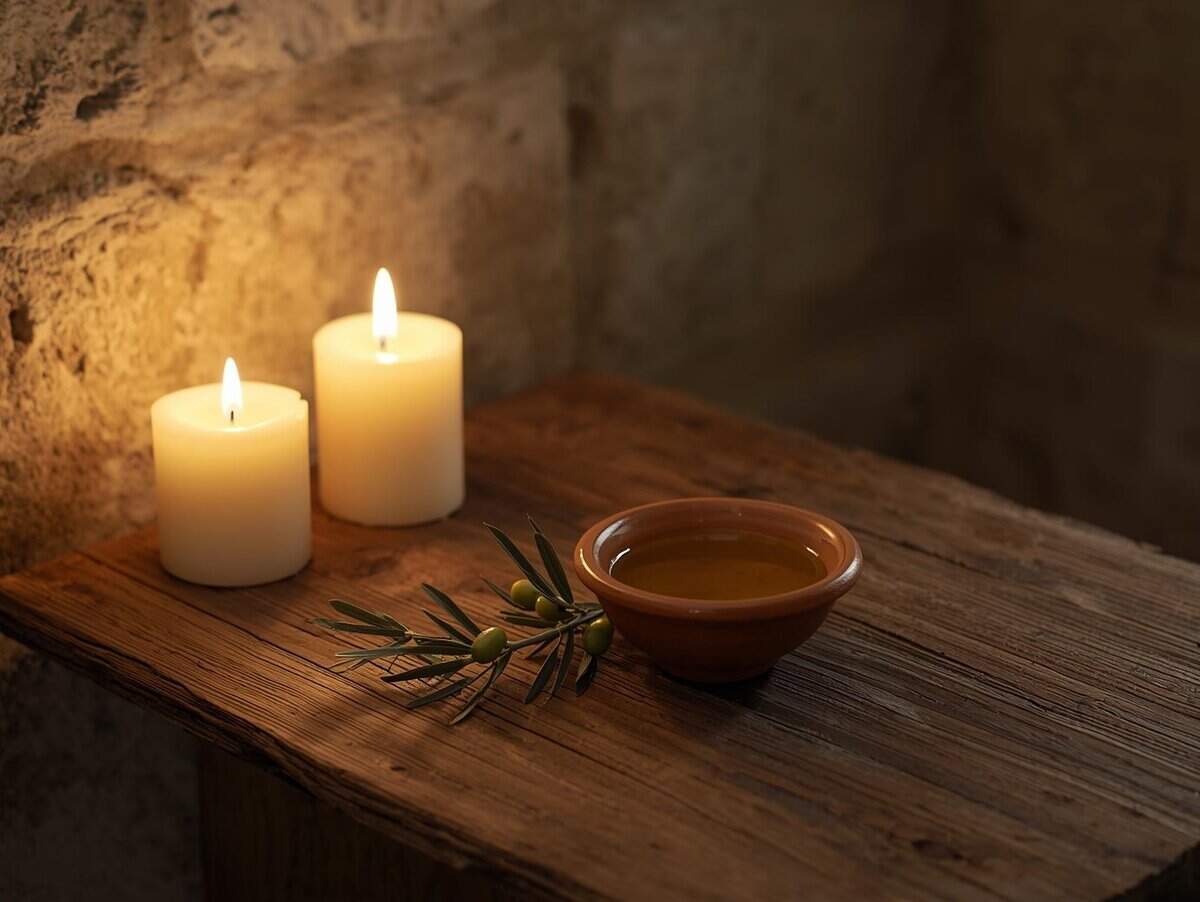
Olive oil was used throughout biblical history for anointing, blessing, healing, and consecration.
Kings, priests, and sacred objects were often anointed with oil as a sign of dedication to God.
Because it was associated with divine service and spiritual purpose, olive oil became a symbol of holiness and purity.
It represented being set apart for something sacred.
The process of producing oil also carried symbolic meaning, reminding believers that spiritual growth often develops through patience and refinement.
Its importance can be seen throughout both the Old and New Testaments.
7. The Lily

Lilies are frequently associated with beauty, innocence, and trust in God’s care.
In the Gospels, Jesus Christ pointed to the lilies of the field as examples of God’s provision.
These flowers grow naturally without striving or worry, yet possess remarkable beauty.
Because of this, lilies became symbols of purity, simplicity, and faith.
Christian art later adopted the lily as a representation of holiness and virtue.
Its delicate appearance continues to make it one of the most beloved symbols of purity in biblical tradition.
8. Incense
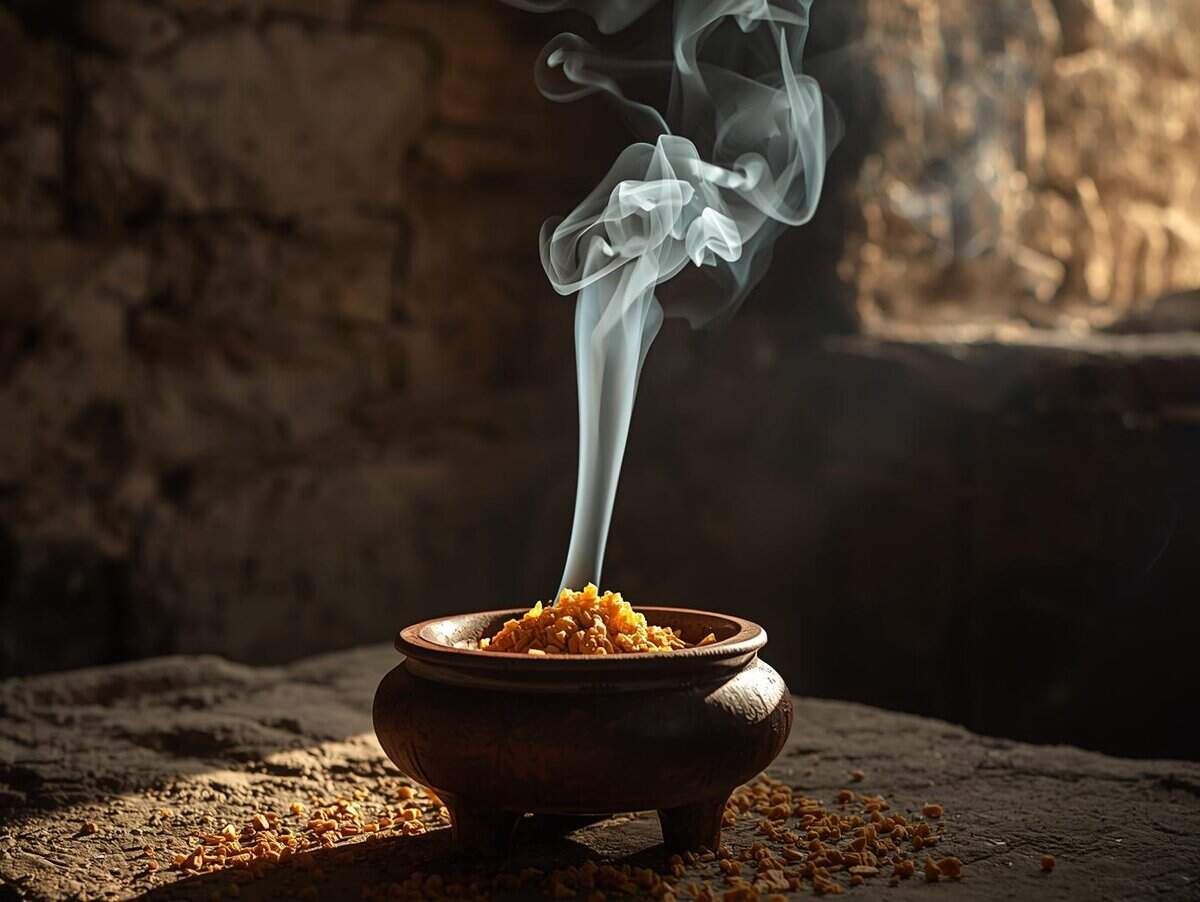
Incense was used in worship within the ancient Tabernacle and later in the Temple.
Its fragrant smoke rising toward heaven became a symbol of prayer and devotion.
Special instructions governed how sacred incense was to be prepared, emphasizing its holy purpose.
The rising smoke represented worship offered sincerely to God.
Because it was reserved for sacred use, incense became associated with purity of intention and reverence.
The symbol reminds believers that genuine worship begins with a sincere and devoted heart.
9. Light
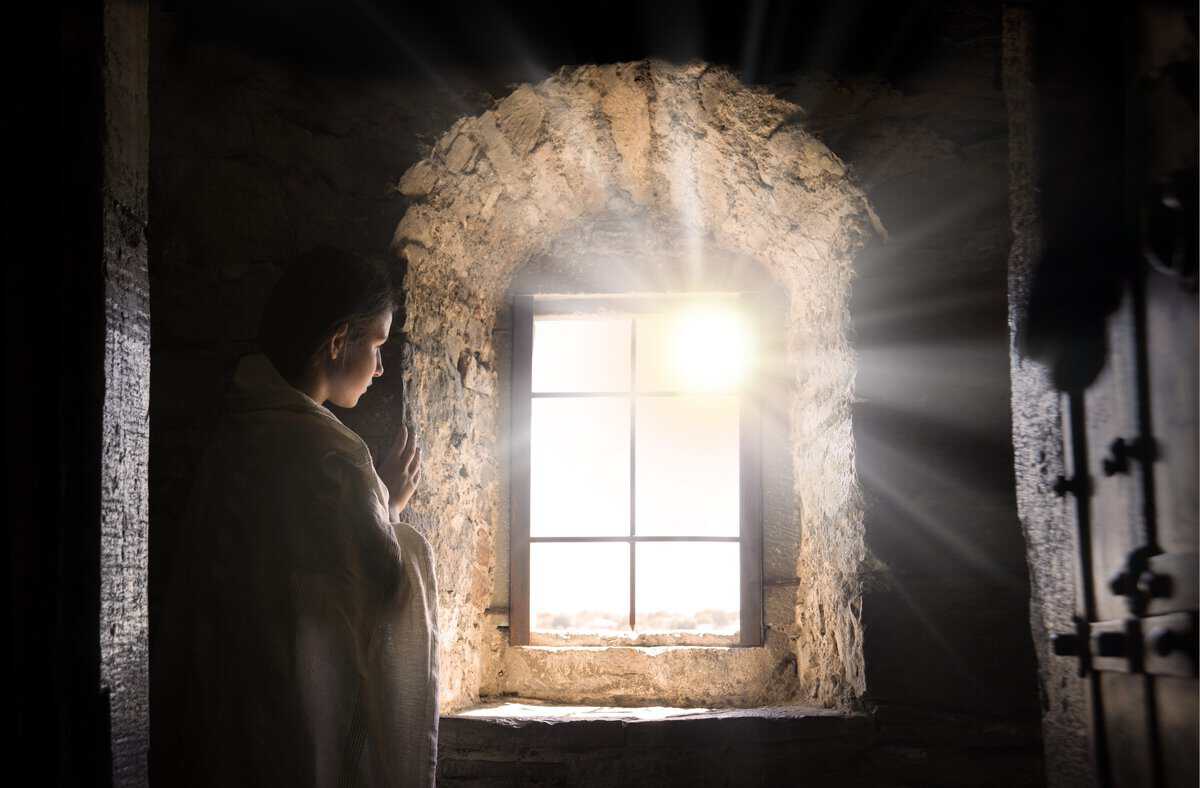
Light is one of the most powerful symbols found anywhere in Scripture.
From the opening chapters of Genesis to the final visions of Revelation, light represents truth, holiness, and the presence of God.
Darkness is often associated with confusion, sin, or separation from God, while light symbolizes guidance and purity.
The Bible repeatedly encourages believers to walk in the light.
This image suggests living openly, honestly, and faithfully.
Because light reveals what is hidden, it became a natural symbol for spiritual clarity and righteousness.
10. The Olive Branch

The olive branch first appears prominently after the flood, when the dove returns to Noah with evidence that the earth was becoming habitable again.
This simple branch became a powerful symbol of hope, peace, and restoration.
It marked the end of judgment and the beginning of renewal.
Over time, the olive branch came to represent reconciliation and the possibility of a fresh start.
Its connection to one of the Bible’s most famous stories helped establish it as a lasting symbol of purity, peace, and God’s mercy.

Siempre sentí una fuerte conexión con lo Divino desde mi nacimiento. Como autora y mentora, mi misión es ayudar a los demás a encontrar el amor, la felicidad y la fuerza interior en los momentos más oscuros.