
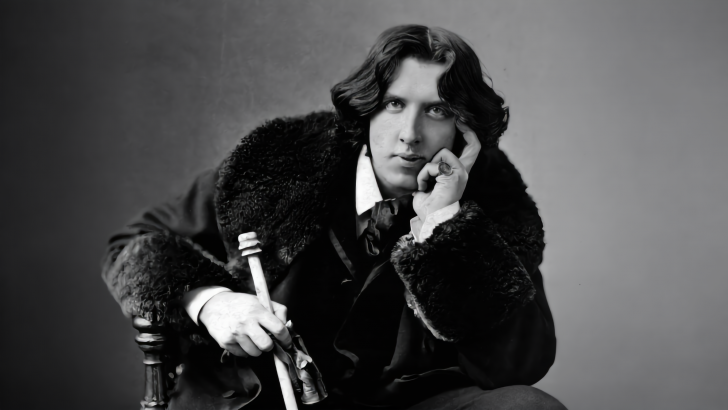
Few writers have lived as brilliantly and as disastrously as Oscar Wilde.
The Irish playwright, novelist, and wit became one of the most famous literary figures of the late 19th century, dazzling London with his intellect, style, and unapologetic devotion to beauty.
Yet Wilde was far more than a clever quote machine. Behind the epigrams and velvet jackets lived a restless, contradictory mind—playful yet philosophical, flamboyant yet deeply observant of society’s hypocrisies.
To understand why Wilde remains so magnetic today, we have to step inside the strange machinery of his mind—the paradoxes and brilliance that made him both a genius and a lightning rod for controversy.
1. He Turned Life Into Performance
Long before social media personalities curated their lives as spectacle, Oscar Wilde had already mastered the art of self-invention.
For Wilde, personality was not something you simply had—it was something you crafted.
He famously said one should “either be a work of art, or wear a work of art.” This wasn’t just witty theater. It was philosophy, and Wilde believed identity could be shaped like sculpture.
His public persona blurred the line between artist and artwork, making him one of the first modern celebrities.
2. His Wit Was Both Weapon and Shield
Wilde’s legendary wit—still quoted endlessly today—was not just entertainment. It was a tool.
In Victorian society, where rigid moral codes governed public life, Wilde used humor to puncture hypocrisy. A perfectly delivered epigram could dismantle an entire social convention.
But wit also protected him. Behind the sparkling one-liners was a man navigating a society hostile to many aspects of his identity.
Humor allowed him to critique the world while keeping emotional distance from it.
3. He Worshipped Beauty Above Morality
Wilde was a leading voice of the Aesthetic Movement, which argued that art should exist purely for beauty—not moral instruction.
Victorian culture expected literature to reinforce moral values. Wilde rejected this entirely. Art, he insisted, should not teach lessons. It should simply be beautiful.
His most famous novel, The Picture of Dorian Gray, embodies this philosophy. The story explores what happens when a man pursues beauty and pleasure without moral restraint.
Ironically, critics condemned the novel as immoral—the very accusation Wilde predicted.
4. He Loved Paradox More Than Truth
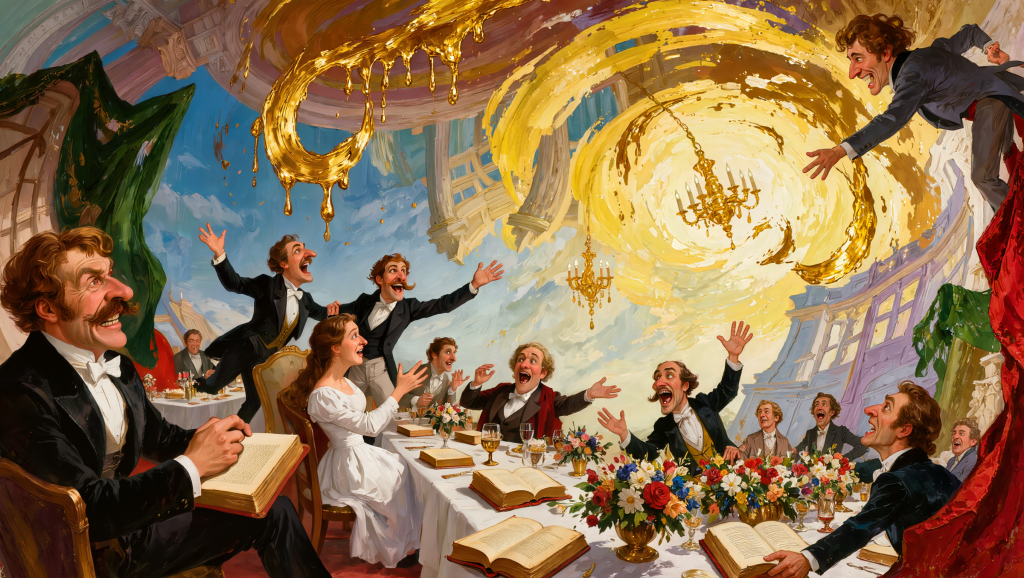
If Wilde had a favorite intellectual game, it was paradox.
He delighted in statements that seemed absurd but revealed deeper truths. Lines like “I can resist everything except temptation” are interesting precisely because they twist logic inside out.
Paradox allowed Wilde to challenge rigid Victorian thinking. By flipping conventional wisdom upside down, he forced audiences to reconsider what they believed about morality, art, and society.
His mind worked like a hall of mirrors where every idea reflected another, slightly distorted but still strangely illuminating.
5. His Plays Mocked the Society That Loved Them
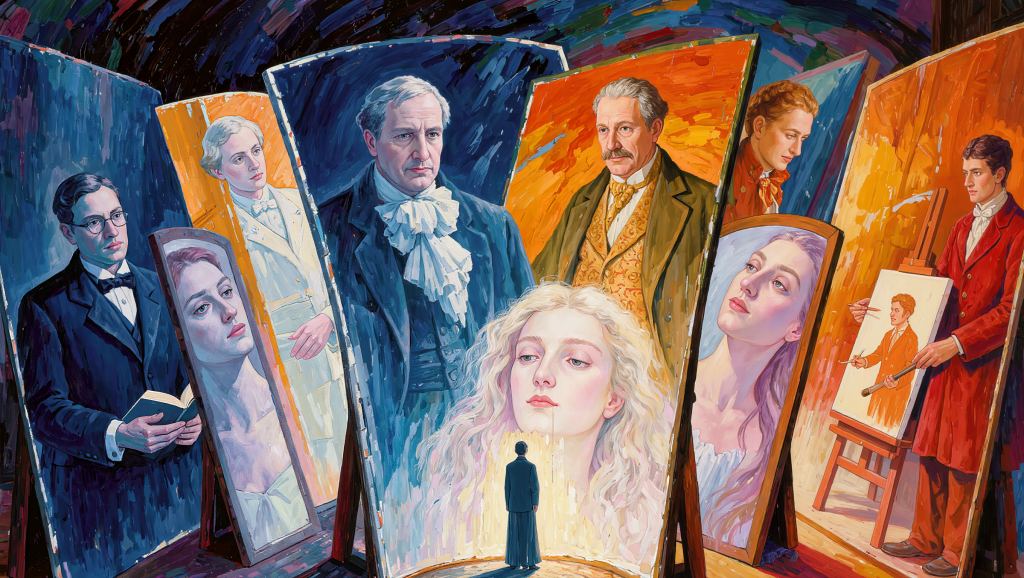
Wilde’s greatest theatrical triumph was The Importance of Being Earnest, a comedy so clever that audiences initially treated it as pure entertainment.
But beneath the sparkling dialogue lies savage satire. The play quietly demolishes Victorian obsessions with respectability, marriage, and social status.
Characters obsess over trivial details while ignoring genuine moral issues. By exaggerating their behavior, Wilde exposed how ridiculous these social rituals were.
Ironically, the same society he mocked adored the play, at least until scandal changed everything.
6. He Was a Master of Reinvention
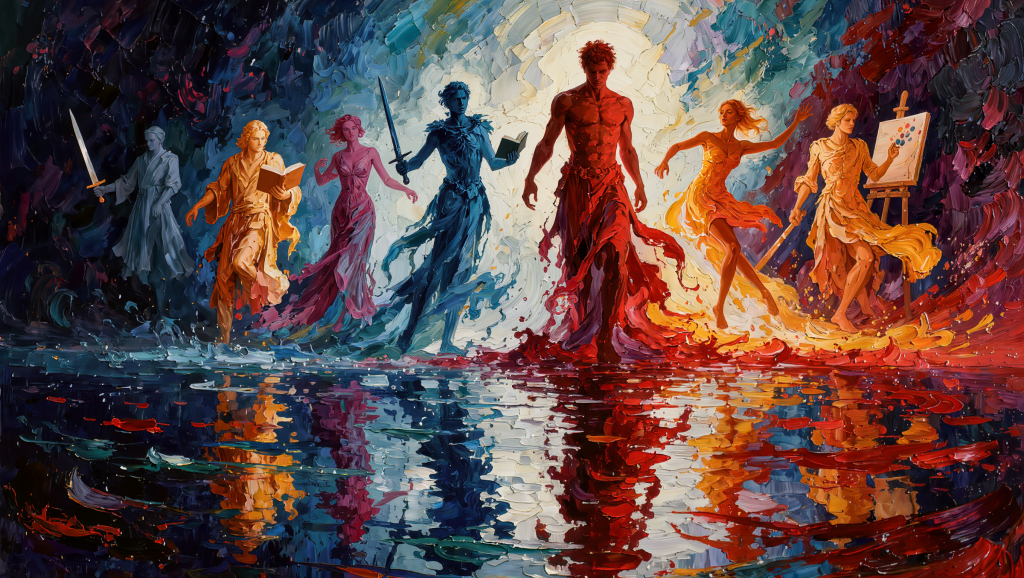
Wilde seemed able to transform himself repeatedly throughout his life.
At Oxford, he was a brilliant classics student. In London, he became a flamboyant aesthete. Later, he turned into a celebrated playwright dominating the West End theater scene.
Each version of Wilde was authentic, yet each was carefully crafted. His genius lay in understanding how identity could shift depending on context.
But constant reinvention came at a cost. The line between the real Wilde and the performed Wilde grew increasingly blurred.
7. His Downfall Was Also a Statement
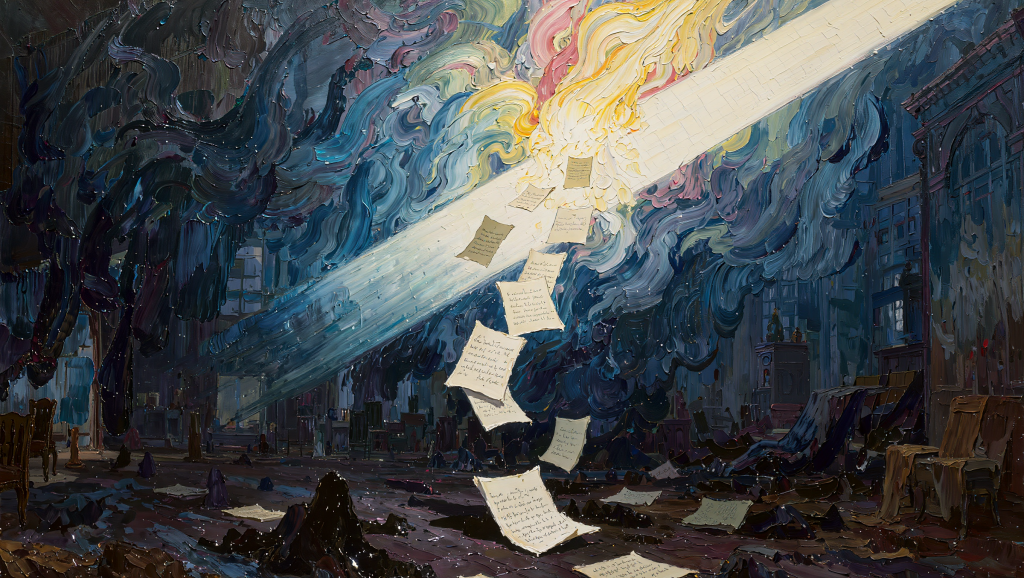
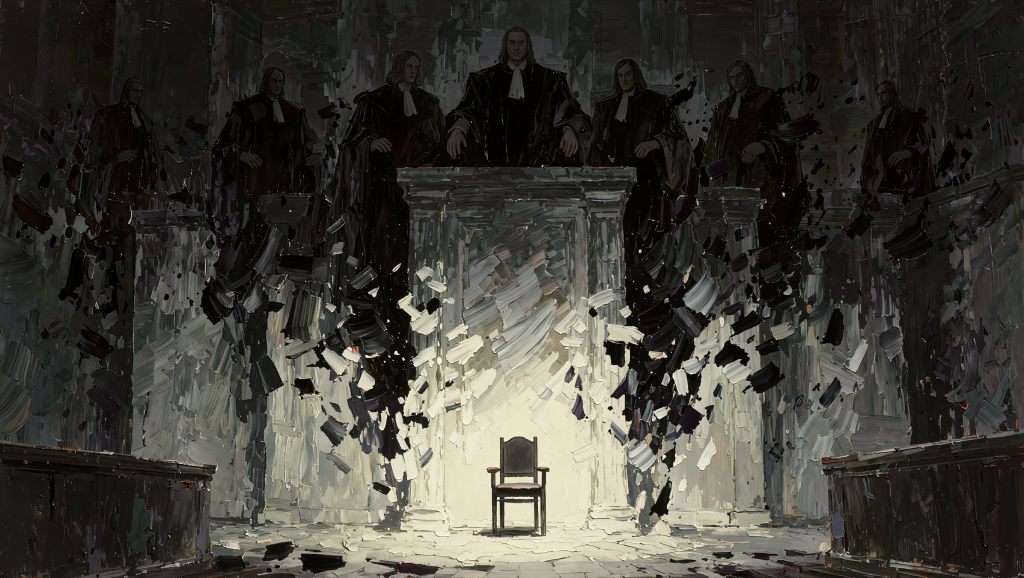
Wilde’s career collapsed after his infamous trials related to his relationship with Lord Alfred Douglas.
In 1895, after a legal battle with Douglas’s father, John Sholto Douglas, 9th Marquess of Queensberry, Wilde was prosecuted for “gross indecency,” a charge used to criminalize homosexual relationships in Victorian Britain.
The result was catastrophic. Wilde was sentenced to two years of hard labor.
The scandal destroyed his career, yet it also exposed the cruelty of the moral system Wilde had spent years satirizing.
8. Prison Transformed His Mind
Before prison, Wilde’s philosophy revolved around pleasure, beauty, and wit. After prison, his thinking grew darker and more introspective.
During his imprisonment in Reading Gaol, he wrote the long letter later published as De Profundis. In it, Wilde reflects on suffering, ego, love, and spiritual growth.
The playful paradox-maker became a deeply reflective writer grappling with pain and humility.
It revealed a new Wilde. Less dazzling perhaps, but more profound.
9. He Understood the Performance of Society
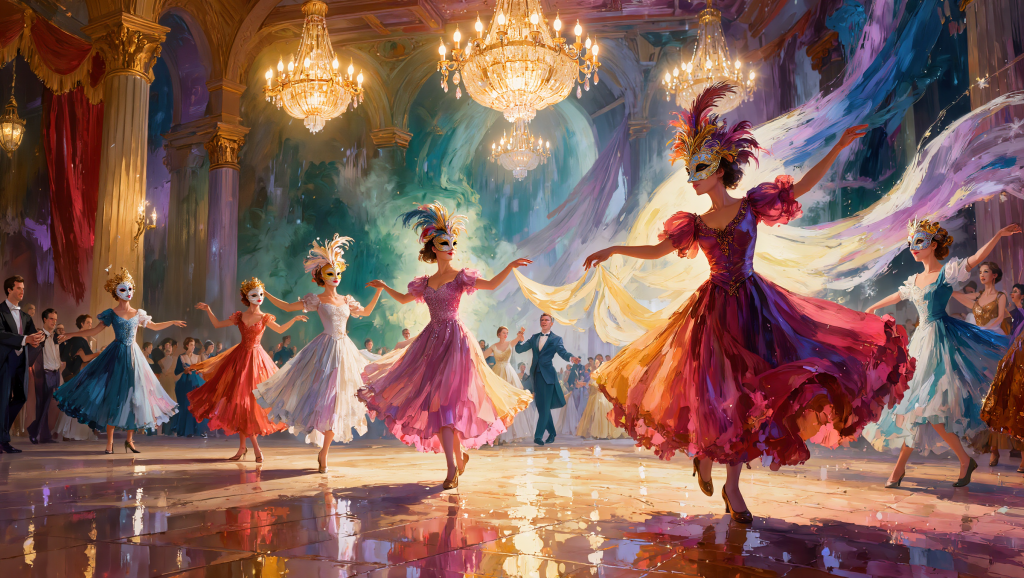
One reason Wilde’s writing still feels modern is his insight that society itself is theatrical.
Victorian respectability was essentially a costume—people performing roles to appear virtuous. Wilde saw through the performance and delighted in exposing it.
Many of his characters maintain elaborate social masks while hiding secrets beneath them.
In today’s world of curated online identities and performative morality, Wilde’s observations feel almost prophetic.
10. His Legacy Is Bigger Than His Scandal
Wilde died in 1900 in relative obscurity in Paris. For years, his reputation remained overshadowed by scandal.
But history has steadily restored him to his rightful place as one of literature’s most brilliant minds.
Today, Wilde is recognized not just as a playwright and novelist, but as a cultural revolutionary—someone who challenged society’s rules about art, identity, sexuality, and individuality.
His wit survives because it contains more than jokes. It contains insight.
And perhaps that is the true secret of Oscar Wilde’s mind: beneath the flamboyance and mischief lay an intellect that saw society more clearly than society saw itself.
