
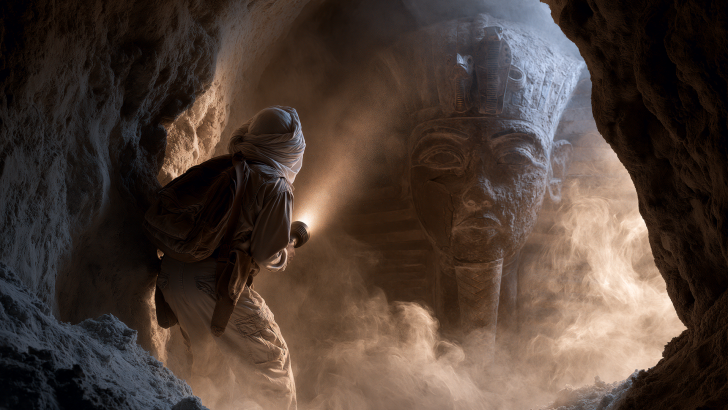
Few archaeological sites have sparked the world’s imagination like the excavation of ancient Egyptian burial sites.
En Pharaoh Tutankhamun’s tomb was found in 1922, rumors of a curse aimed at plaguing anyone who disturbed a pharaoh’s tomb became widespread.
Although modern historians and scientists have reasonable explanations for most of what went wrong, odd coincidences, bizarre events, and long-lasting mysteries have contributed to the lore of one of the most captivating legends in history.
Here are ten mysterious phenomena associated with the famous legend of the Pharaoh’s Curse.
1. The Death of Lord Carnarvon
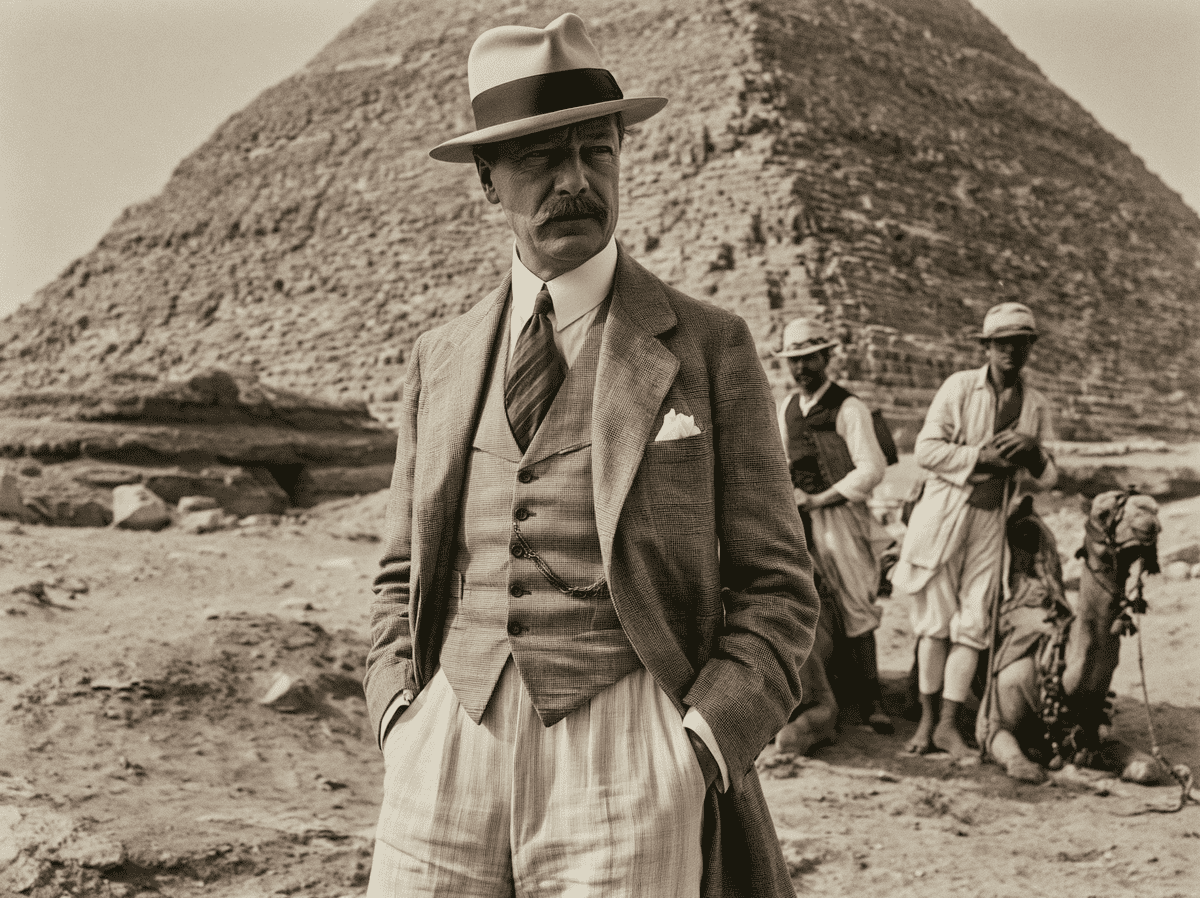
The most famous situation connected to the curse is the death of Lord Carnarvon, Tutankhamun’s investor.
A few months after the tomb was uncovered, he died from an infected mosquito bite, made worse by an accidental cut while shaving.
Newspapers linked his demise to the curse, but while plausible medical explanations are easily available, the circumstances surrounding his death helped propagate one of the most notable legends in the world and introduce the idea of the Pharaoh’s Curse into the minds of millions of people around the globe.
2. The Lights That Went Out in Cairo

According to one of the versions of the story, when Lord Carnarvon passed away, some part of Cairo experienced an electricity failure.
Despite the fact that historians argue with the relevance of this account, the story became one of the episodes in the saga of the curse. During the times when the press and the media were reliable in gathering information, stories like this made their way around the globe in no time.
The phenomenon of lights going out after death feeds into the mystery and is a form of evidence for people who believe in the curse.
3. Howard Carter Escaped the “Curse”
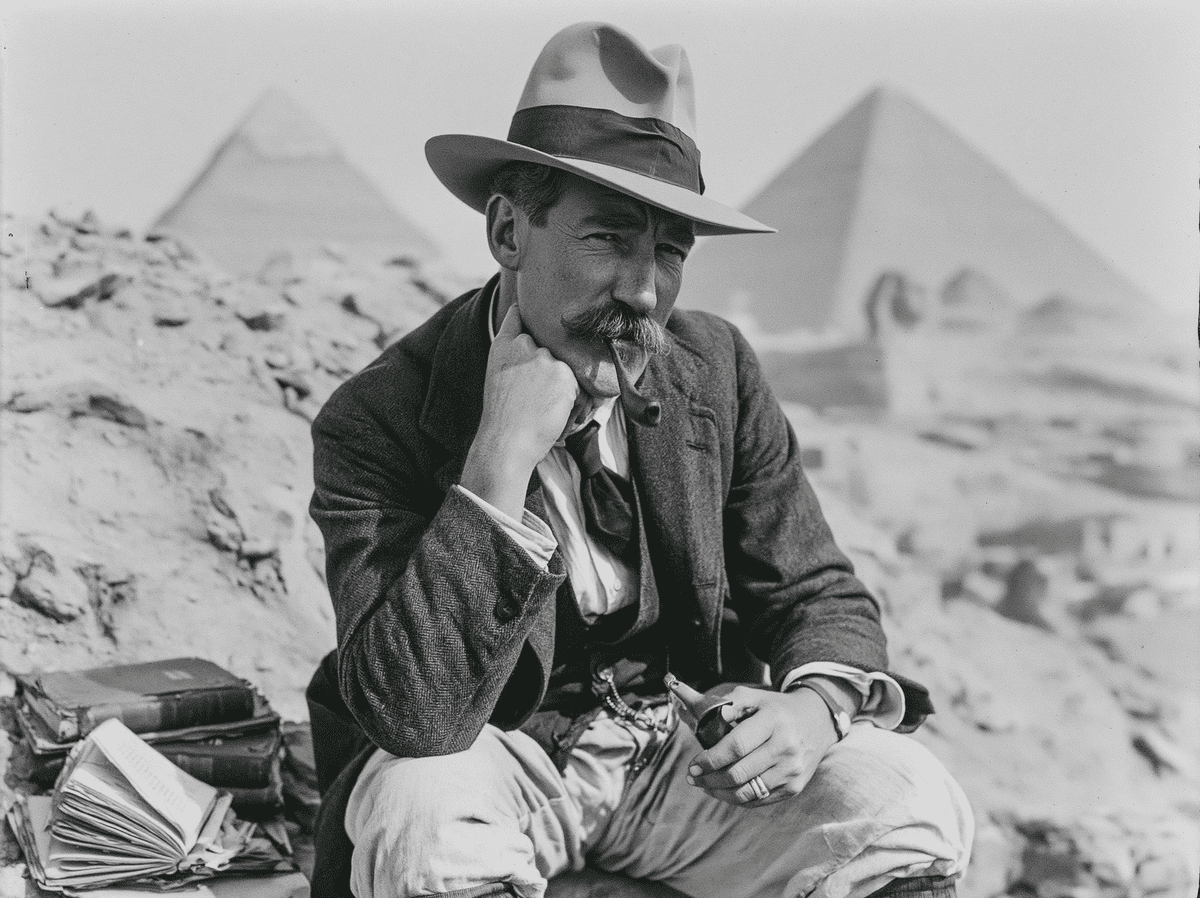
Most of the stories about the “curse” associated with Tutankhamun’s tomb conveniently leave out archaeologist Howard Carter, since he lived for almost two decades after the tomb’s discovery.
Carter’s long life has undermined popular belief that all people involved in the excavation met with fatal misfortune. But the question of why Howard Carter did not die tragically has been troubling the supporters of the curse for many years.
Some people say that the curse affected only specific individuals, while skeptics believe that the archaeologist’s long life serves as proof of the fact that there is no curse at all.
4. Strange Warnings Found Near Tombs
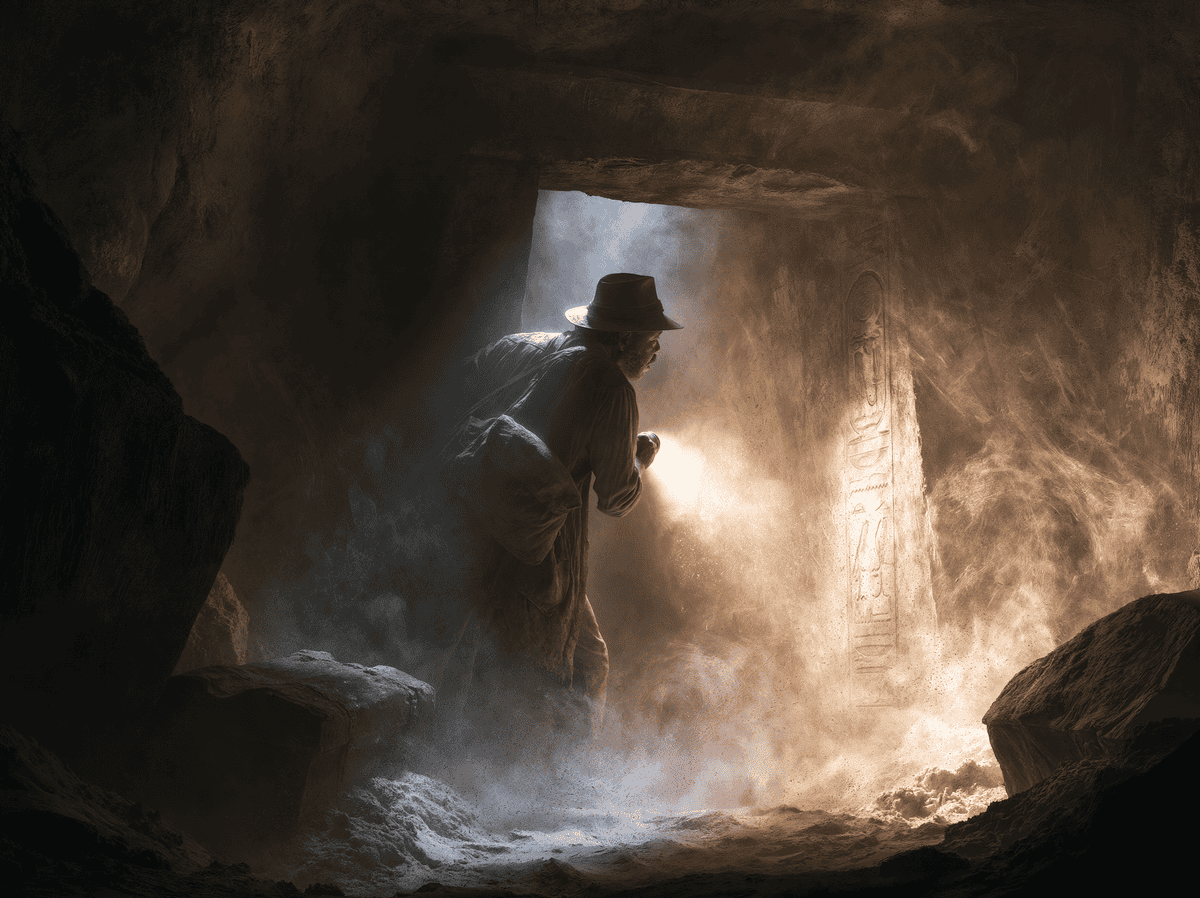
It is believed that ancient Egyptian tombs featured inscriptions that warned trespassers about dangers awaiting them within the tombs.
In reality, actual curse inscriptions are quite rare, especially for the tomb of Tutankhamun.
Over time, the original meaning of these texts has been changed and twisted because of the various books that were written and films that were made concerning this issue.
5. Mold and Ancient Microorganisms

Some scientists have pointed out that the sealed tombs might have dangerous mold, fungi, or old bacteria that may cause diseases in the people who come across them.
Severe air pollution and tiny particles trapped in closed locations could have harmed the crew that discovered the tomb, particularly those with compromised immune systems.
This hypothesis might not account for all accounts that are linked to the curse, but it gives an adequate explanation for the mystery of why explorers went ill as a result of entering ancient burial places.
6. The Cobra and the Canary
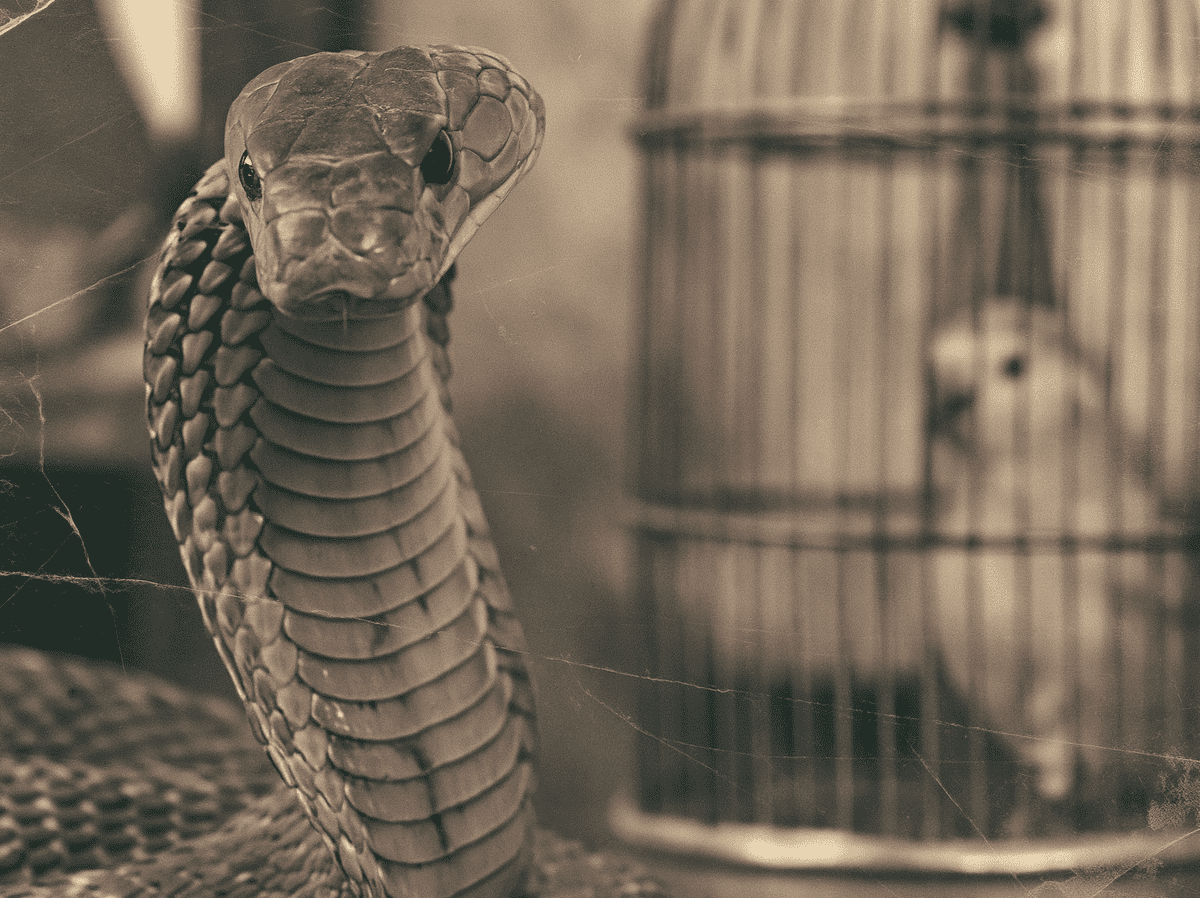
A little-known legend tells about the canary of Howard Carter killed by a snake shortly after the discovery of the tomb.
Since in ancient Egypt snakes were associated with royal power, the locals allegedly perceived this event as a warning sign from the pharaoh himself.
Whether true or spread over time, this story was widely circulated and made people believe in the curse.
7. Coincidences That Became Headlines
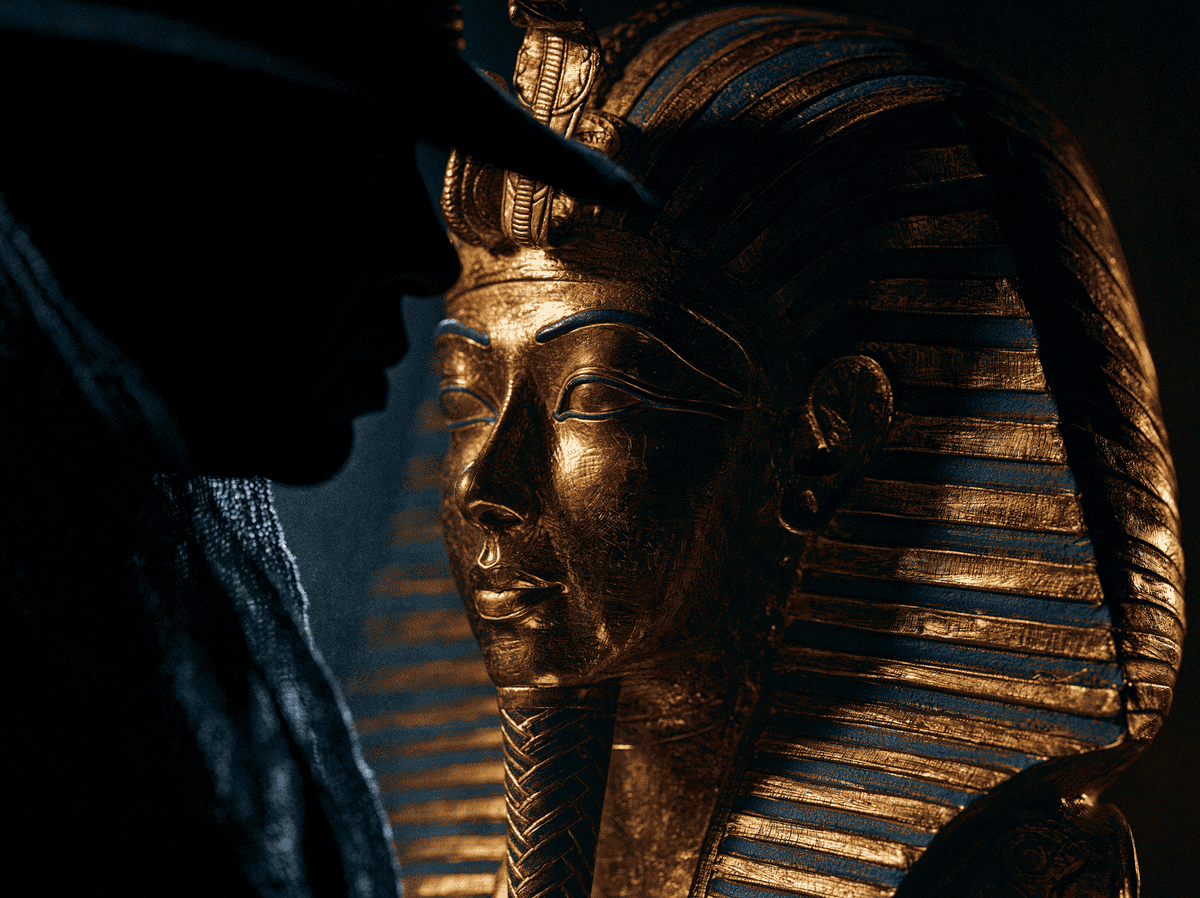
The discovery of Tutankhamun’s tomb coincided with a period of fierce competition among newspapers for sensational stories.
Almost every accident, illness, or sudden death suffered by a person more or less connected to the expedition became newsworthy enough for the front page.
Many people lived long and calm lives, but the stories of dramatic coincidences got much more attention due to the selective approach to journalism. Still, many wonder if these coincidences were truly connected to the curse.
8. Why the Legend Refuses to Disappear
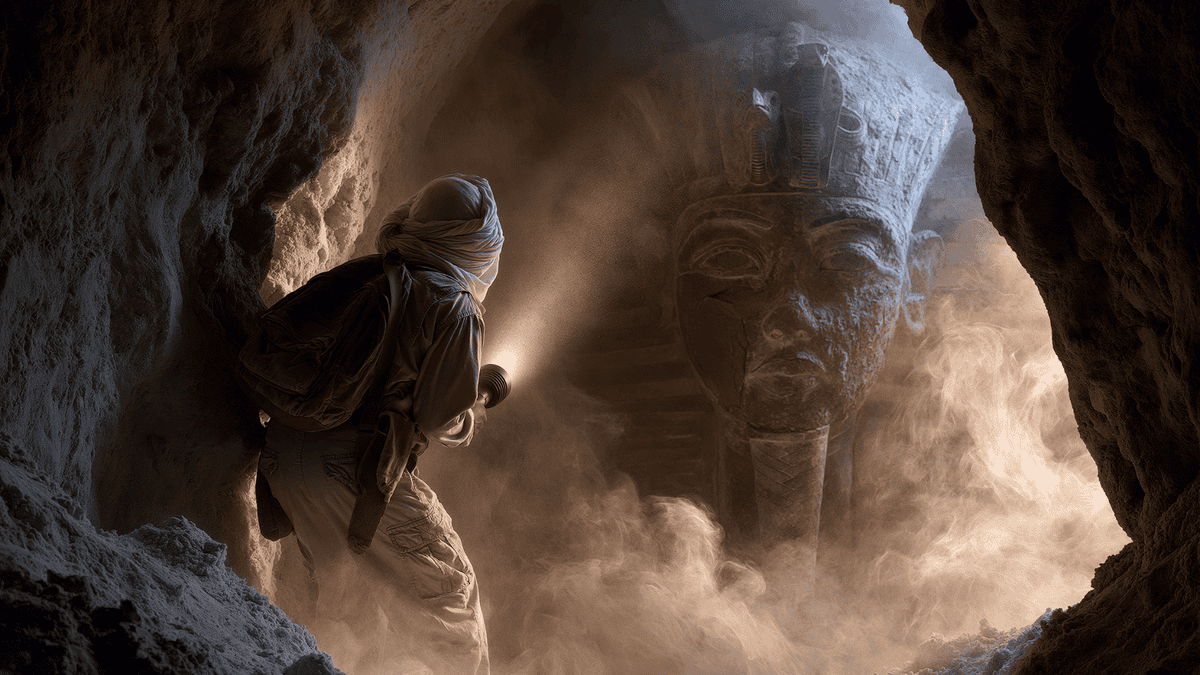
Even though scientific explanations exist for the event, the myth of the Pharaoh’s Curse still develops in literature, documentaries, films, and pop culture as a whole.
La combinación de royal personalities, hidden riches, mysterious deaths, and symbols in the legend allows people to keep reimagining the story.
The myth exists because it has gained considerable fame and because some people still believe in the curse.
9. Ancient Egyptian Beliefs About the Afterlife

The idea of a curse becomes clearer when one applies it to the beliefs of the ancient Egyptians. Huge resources were devoted to the construction of the tombs, considered to be eternal houses of the dead.
Rituals, protective symbols, and sacred texts aimed at the safe delivery of the deceased to the other world. Although these practices did not actually aim at creating traps for future archaeologists, they demonstrate a great respect paid to the places of burials.
Once these sacred sites were disturbed and the dead were not respected, many believed that the curse was a punishment for that behavior.
10. The Greatest Mystery May Be Human Nature

The most surprising thing is not whether there is such a curse or not, but why people still believe in it more than a hundred years after the discovery.
The thing is that humans like to look for patterns, especially in cases when strange happenings coincide. These surprising coincidences easily give rise to grand stories that are transferred from generation to generation.
The curse arouses fascination because it combines true history and unanswered questions. It is a mystery we still cannot give a sure answer to, and maybe we never will.

Born and raised in Bosnia and Herzegovina. Ever since I was a little girl, my imagination knew no bounds. I remember vividly how I’d scribble down short stories, each page bursting with adventures and characters conjured up from the whimsy of my mind. These stories weren’t just for me; they were my way of connecting with my friends, offering them a slice of my fantasy world during our playtimes. The joy and excitement on their faces as we dived into my fictional realms motivated me to keep writing. This early passion for storytelling naturally evolved into my pursuit of writing, turning a childhood hobby into a fulfilling career.