

Most ancient myths fade into the background, but the story of Psyche and Cupid has proved surprisingly durable.
First recorded in the 2nd century CE by the Roman writer Apuleius in The Golden Ass, the tale continues to inspire novels, films, art, and psychology.
At its core, Psyche’s journey is about love, trust, growth, and resilience—topics that never really go out of style.
Here are eight reasons her story still feels relevant more than 2,000 years later.
1. It’s One of the Earliest Beauty and the Beast Stories
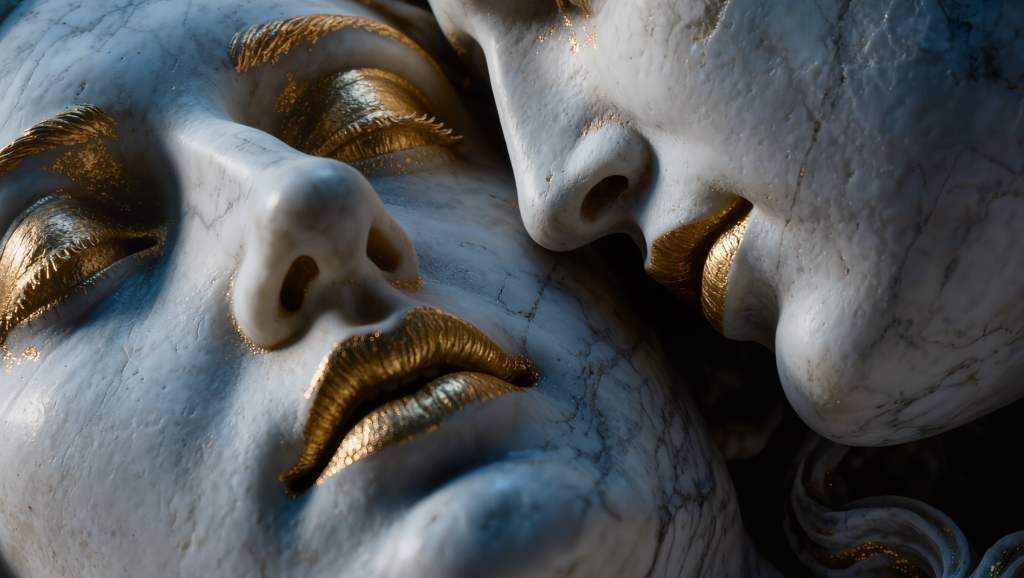
Long before Disney turned fairy tales into blockbusters, Psyche’s story explored learning to love someone beyond appearances.
In the myth, Cupid (or Eros in Greek mythology) visits Psyche only at night and forbids her from looking at him.
She eventually lights a lamp to see his face and discovers that her mysterious husband is actually a god.
The basic structure—a young woman, a mysterious lover, a broken trust, and a difficult path to reconciliation—appears in countless later stories, including Beauty and the Beast.
2. It Captures the Universal Struggle With Trust

One reason Psyche feels so modern is that her biggest challenge isn’t fighting monsters. It’s learning whom to trust.
At first, she trusts Cupid. Then her sisters convince her that he’s hiding something terrible. Their warnings fuel her anxiety until she acts on her fears and betrays Cupid’s confidence.
The situation feels surprisingly contemporary. Psyche’s mistake comes from allowing fear and outside voices to overwhelm her own judgment.
The lesson isn’t that questions are bad. It’s that trust is fragile, and fear can distort our perception of reality.
3. Her Story Is Really About Personal Growth

Many myths focus on heroes defeating enemies. But Psyche’s journey is different.
At the beginning, she’s largely a passive figure. Her extraordinary beauty attracts attention, but she doesn’t have much control over her circumstances.
As the story unfolds, however, she becomes increasingly resourceful and determined.
After losing Cupid, Psyche must complete a series of nearly impossible tasks assigned by Venus, Cupid’s mother.
She sorts mountains of mixed seeds, gathers dangerous golden wool, collects water from a perilous river, and even travels to the underworld.
Each challenge forces her to become stronger and wiser.
And by the end, she’s no longer simply a beautiful mortal. She’s someone who has earned her place among the gods through perseverance.
4. It Speaks to the Power of Resilience

Life doesn’t get easier for Psyche after she falls in love. In fact, it becomes harder.
When Cupid leaves, she experiences heartbreak, rejection, and seemingly impossible obstacles. Yet she keeps moving forward.
The myth never suggests that success comes easily. Instead, it emphasizes persistence. Psyche repeatedly encounters situations that appear hopeless, but she continues trying.
This aspect of the story resonates because resilience remains one of the most admired human qualities.
Most people will never battle mythical creatures or descend into the underworld, but everyone faces setbacks and periods of uncertainty.
5. The Symbolism Still Feels Relevant

The name Psyche has an especially fascinating meaning.
In ancient Greek, the word psique can mean both “soul” and “butterfly.” The butterfly association became particularly important because butterflies symbolize transformation.
That symbolism aligns perfectly with Psyche’s story. She begins as a mortal woman facing external challenges but undergoes a profound inner transformation along the way.
Many scholars and psychologists have interpreted the myth as an allegory of the soul’s development.
Even people unfamiliar with those interpretations often recognize the underlying theme: becoming a fuller version of oneself through struggle and experience.
6. It Influenced Modern Psychology

Psyche’s influence extends far beyond mythology.
The modern word psychology ultimately derives from the Greek word psique, meaning soul or mind.
While the myth itself didn’t create the field of psychology, the story became highly significant to later psychological thinkers.
Swiss psychiatrist Carl Jung and other depth psychologists viewed myths like Psyche’s as symbolic expressions of human development. They saw her journey as representing emotional growth, self-discovery, and the integration of different aspects of the personality.
Even today, therapists, writers, and scholars frequently reference myths because they provide vivid frameworks for understanding human experiences.
The fact that a 2,000-year-old story can still contribute to conversations about personal development says a lot about its enduring power.
7. It Features a Surprisingly Complex Female Hero
Ancient myths aren’t always known for nuanced female characters. But Psyche is a notable exception.
She’s neither perfect nor powerless. She makes mistakes, gives in to doubt, and occasionally acts impulsively. Yet those flaws make her feel human.
Importantly, the story doesn’t define her solely through romance. While her relationship with Cupid drives the plot, much of the narrative focuses on her own trials and achievements.
The tasks she completes require intelligence and determination. She survives not because someone rescues her at every turn but because she continues adapting to challenges.
8. It’s Ultimately a Story About Hope
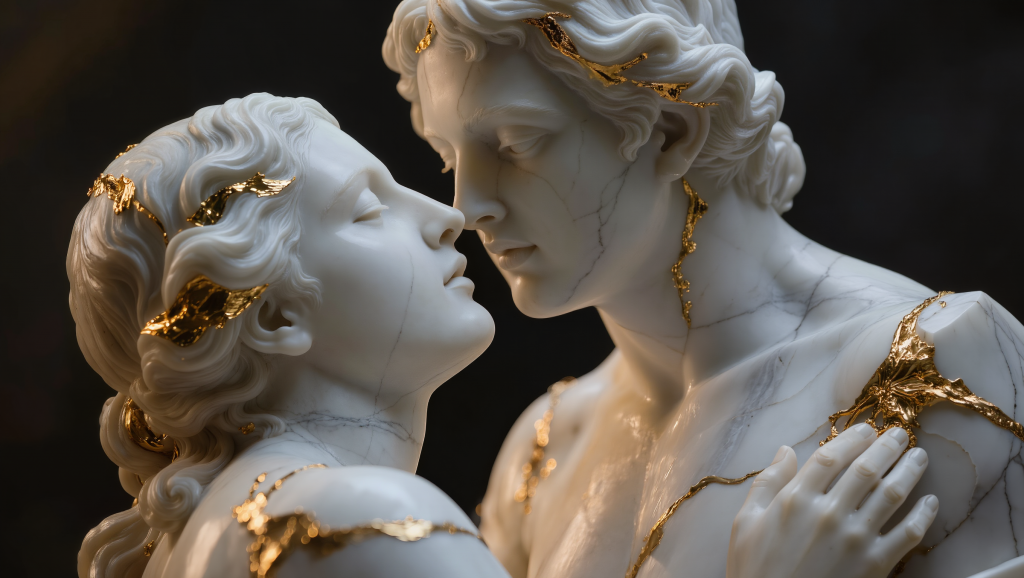
Many ancient myths end in tragedy, but Psyche’s story does not.
After enduring countless hardships, she is finally reunited with Cupid. Jupiter grants her immortality, allowing her to join the gods.
The couple marries officially, and their daughter, Voluptas (often translated as Pleasure or Delight), is born.
The ending matters here because it rewards growth rather than perfection.
Psyche doesn’t succeed because she never makes mistakes. She succeeds because she learns from them and keeps going.
That message remains deeply appealing. People are often drawn to stories that acknowledge suffering without becoming cynical.
Psyche’s tale recognizes loss, fear, and failure, but it ultimately argues that redemption and happiness are still possible.
More than 2,000 years later, that’s a message many of us still need to hear.
