
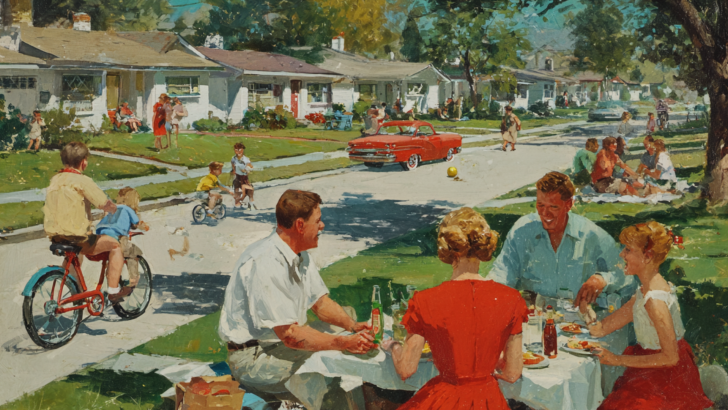
When reminiscing about the past, many Boomers have fond memories of a slower lifestyle, easier connections with other people, and everyday experiences that seem less common today.
Progress through technology has added comfort to our lives, but many of the items that gave warmth and connection to everyday life are now no longer available.
These nostalgic memories do not tell us to reject the present but serve to remind Boomers about all the things that made day-to-day living much more intimate, warm, and meaningful.
1. Unplanned Visits Without a Phone Call
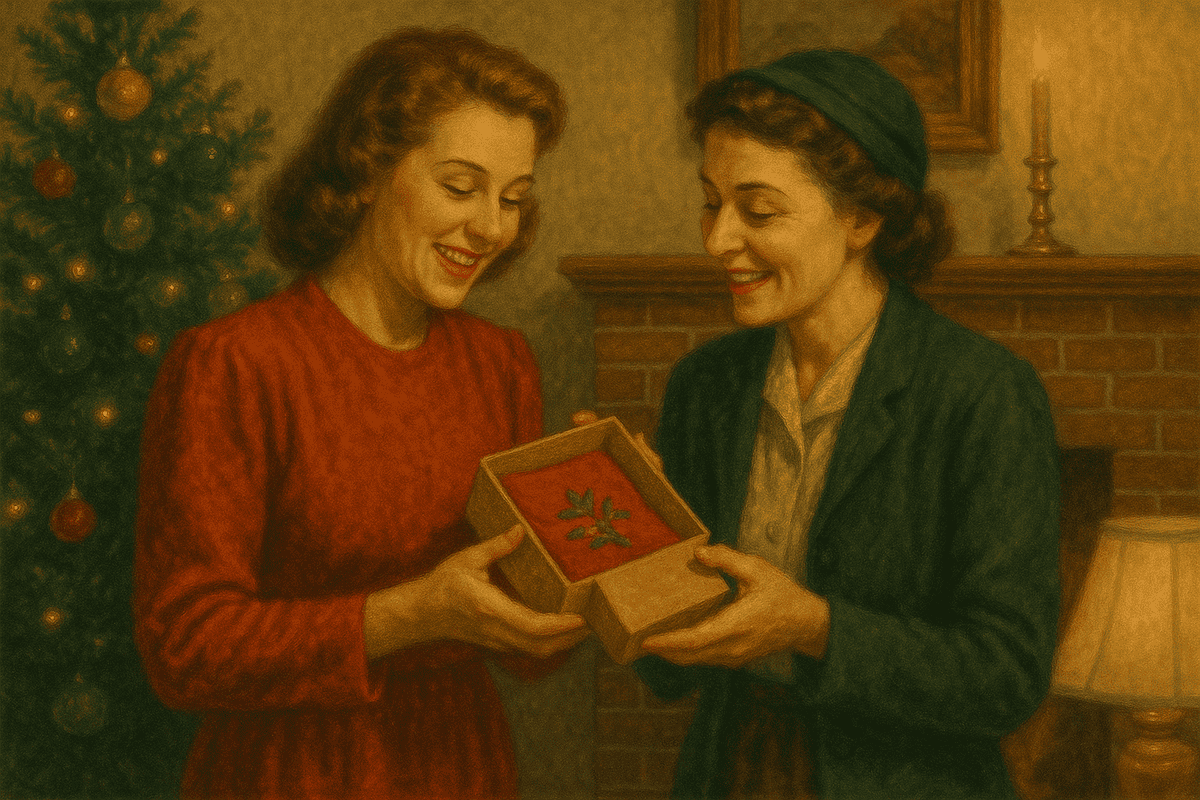
Baby boomers have fond memories of unexpected visits. Friends visited without prior arrangements, and these friendly surprises created feelings of openness and spontaneity in people’s lives.
Nowadays, it’s common to plan and confirm a time to meet, which provides structure but also eliminates the chance for a sudden visit in which you could develop deeper emotional ties to your friends without having to feel prepared to entertain them.
This closeness feels rare today.
2. Talking Instead of Texting

Boomers miss their tedious, long phone conversations or voicemail because they listened to someone’s feelings, tone of voice, and pauses.
Today’s technology allows people to text, which is faster, but sometimes gives the misleading impression of being toneless and unemotional.
Texting has become quick, with little room for misunderstanding; the user may misread the meaning behind a word or phrase.
Compared with the old days, conversations are much less personal or intimate in their content, charm, and engagement because of people’s impatience when talking by text, and therefore, they listen less and interrupt more.
Hence, the ability to understand and connect deeply with another person through communication has been largely lost in today’s world.
3. Privacy That Actually Felt Private

Boomers recall an era where social media wasn’t part of everyday life. In those days, any blunders made would only be known to those around you, and everything else about your personal life was kept confidential.
Being unaware of being watched, filmed, or evaluated by those outside of your social circle gave boomers a sense of liberation. Privacy was prized and is now perceived as being in jeopardy.
Everything that is currently shared or recorded will one day almost certainly be misinterpreted as well. Boomers long for the days when their life was experienced alone with family and friends, not as a show for the world to watch.
By maintaining a sense of privacy, it was possible for boomers to develop, stumble, and advance without having others serve as a continual source of criticism.
4. Clear Separation Between Work and Home
Before the time of technology, when we came home from work, we were no longer working. Boomers long for the time when there were no emails, notifications, or instant messages at the end of the workday, when they came home to see the family.
Home at that time was also a place to gather and recharge. Today, with the use of smartphones, people are taking their jobs home with them and are always holding them in their hands.
The smartphone removes all barriers between work and home (or personal) life. Boomers not only lost the separation between their work and home lives; they also lost their ability to be fully present with their loved ones when they were home.
They also mourn deeply for the balance they lost.
5. Patience in Everyday Life
People just waited in lines without any stress or hurry. The Baby Boomers were raised to expect the slower pace of life, and because of that, they built patience.
Today, since we are constantly under pressure to complete things quickly, most of us experience delay as an extreme source of anger and a cause of extreme stress and anxiety.
A slower pace allowed us to observe the world around us, look at things, reflect upon them, and have time to breathe while reducing the amount of time that we spent under stress and at extreme levels of anxiety or impatience.
Thus, the slower pace of life created calmer interactions with other people every day.
6. Stronger Local Communities
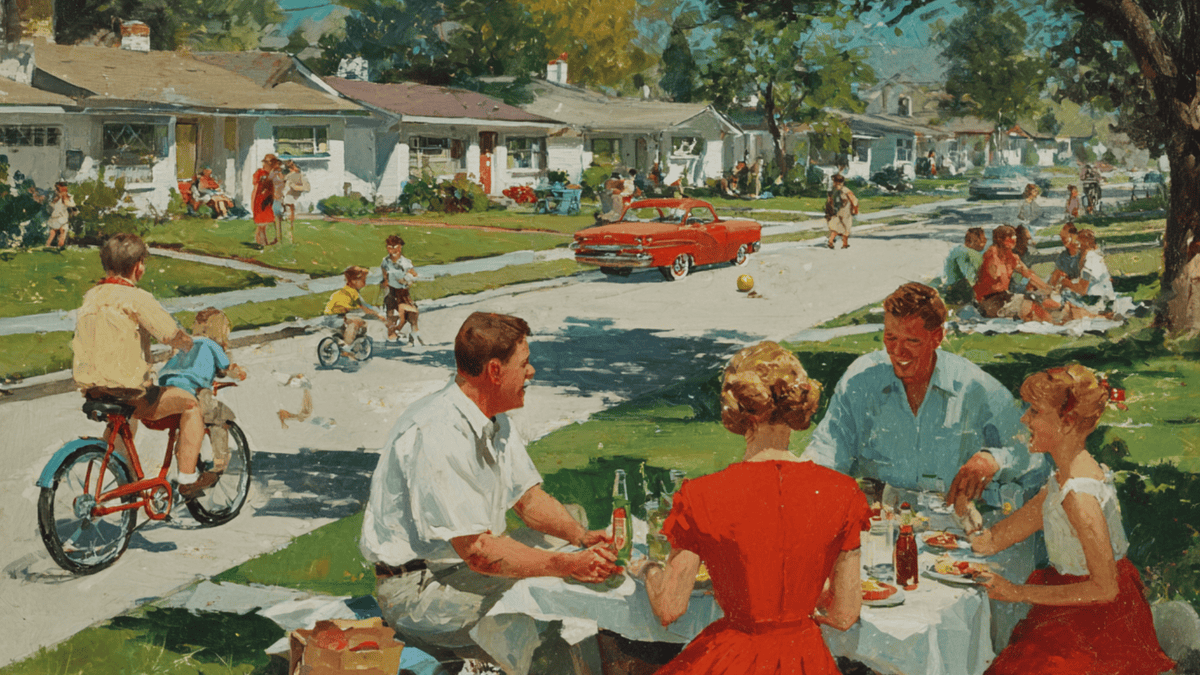
The Boomers have many memories of sharing things and helping each other in their communities. The way people connected with their neighbors and shared time together helped create a bond of safety and trust amongst all of the families within their communities.
Today, because of people’s busy schedules and digital lives, neighbors tend to keep their distance from one another, despite living near one another.
For Boomers, this lack of connection and trust in the community means that there is little support for one another and that the sense of belonging that was once common is no longer available.

Born and raised in Bosnia and Herzegovina. Ever since I was a little girl, my imagination knew no bounds. I remember vividly how I’d scribble down short stories, each page bursting with adventures and characters conjured up from the whimsy of my mind. These stories weren’t just for me; they were my way of connecting with my friends, offering them a slice of my fantasy world during our playtimes. The joy and excitement on their faces as we dived into my fictional realms motivated me to keep writing. This early passion for storytelling naturally evolved into my pursuit of writing, turning a childhood hobby into a fulfilling career.