
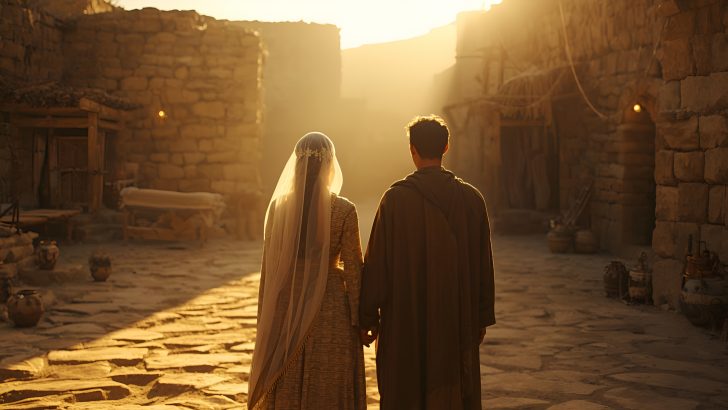
Weddings in biblical times were very different from the ceremonies we know today.
They were not just about love but also about family alliances, property, and spiritual blessings.
Many traditions might seem unusual or surprising to modern readers.
These rituals were deeply symbolic, showing commitment, obedience to God, and respect for community and family.
From unique clothing to specific prayers and customs, biblical weddings reflected cultural, spiritual, and social values.
Understanding these practices gives insight into ancient life, the importance of marriage, and how faith shaped relationships.
Here are seven unusual wedding traditions from biblical times that highlight the fascinating and sometimes surprising ways people celebrated marriage.
1. Betrothal as a Binding Contract
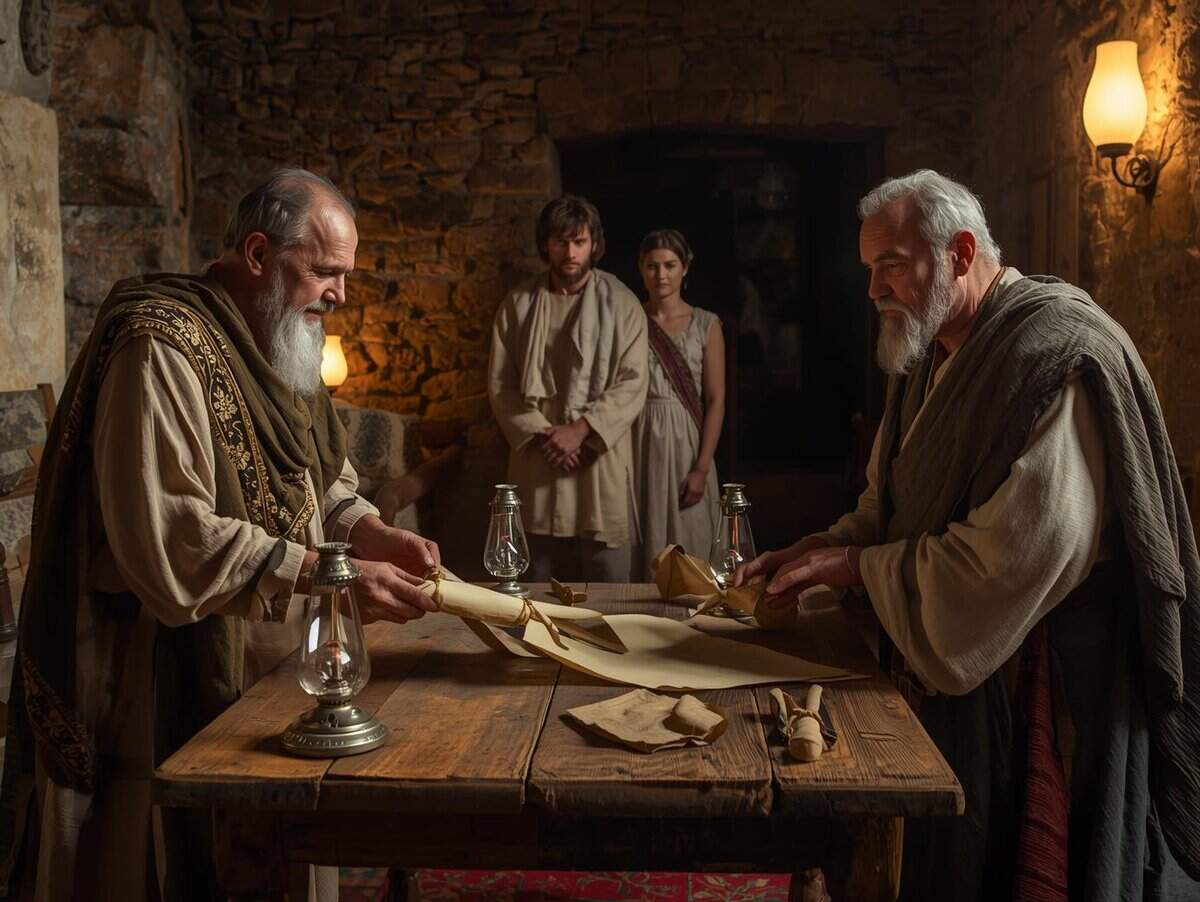
In biblical times, betrothal was a formal binding contract, often more significant than engagement today.
It involved promises between families, sometimes including the exchange of gifts, property, or dowries.
Breaking a betrothal could require legal or religious consequences.
Couples were considered legally married, though they did not yet live together or have full marital rights.
The betrothal period could last months or even a year, allowing time for preparations, family arrangements, and spiritual reflection.
This practice emphasizes how marriage was not only a personal commitment but also a societal and religious obligation.
Modern weddings usually focus on ceremony and celebration, but ancient betrothal reflected legal, spiritual, and family dimensions, making it a binding agreement recognized by God and the community.
2. Bride Price and Dowries
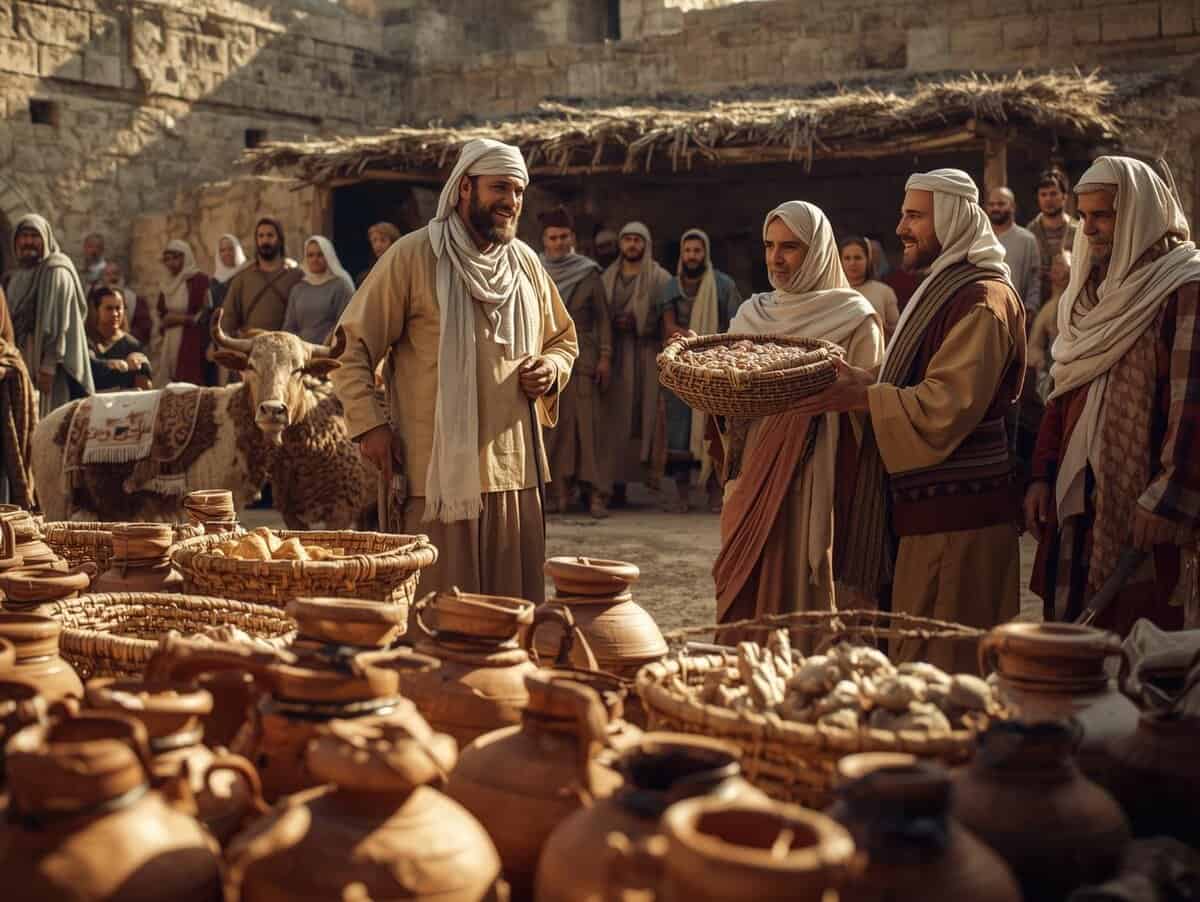
In biblical times, the bride’s family often received a bride price or dowry from the groom’s family.
This payment could include money, livestock, or property and symbolized the groom’s ability to provide and the union of families.
While today exchanging money or goods might seem transactional, in ancient Israel it showed honor, commitment, and the value of the marriage bond.
The bride price also protected the bride, ensuring her welfare and the respect of the groom’s family.
These gifts reinforced social stability and reflected the practical and spiritual significance of marriage.
Families were closely involved in the process, emphasizing that marriage united more than just two individuals—it connected communities.
3. The Veil as Protection
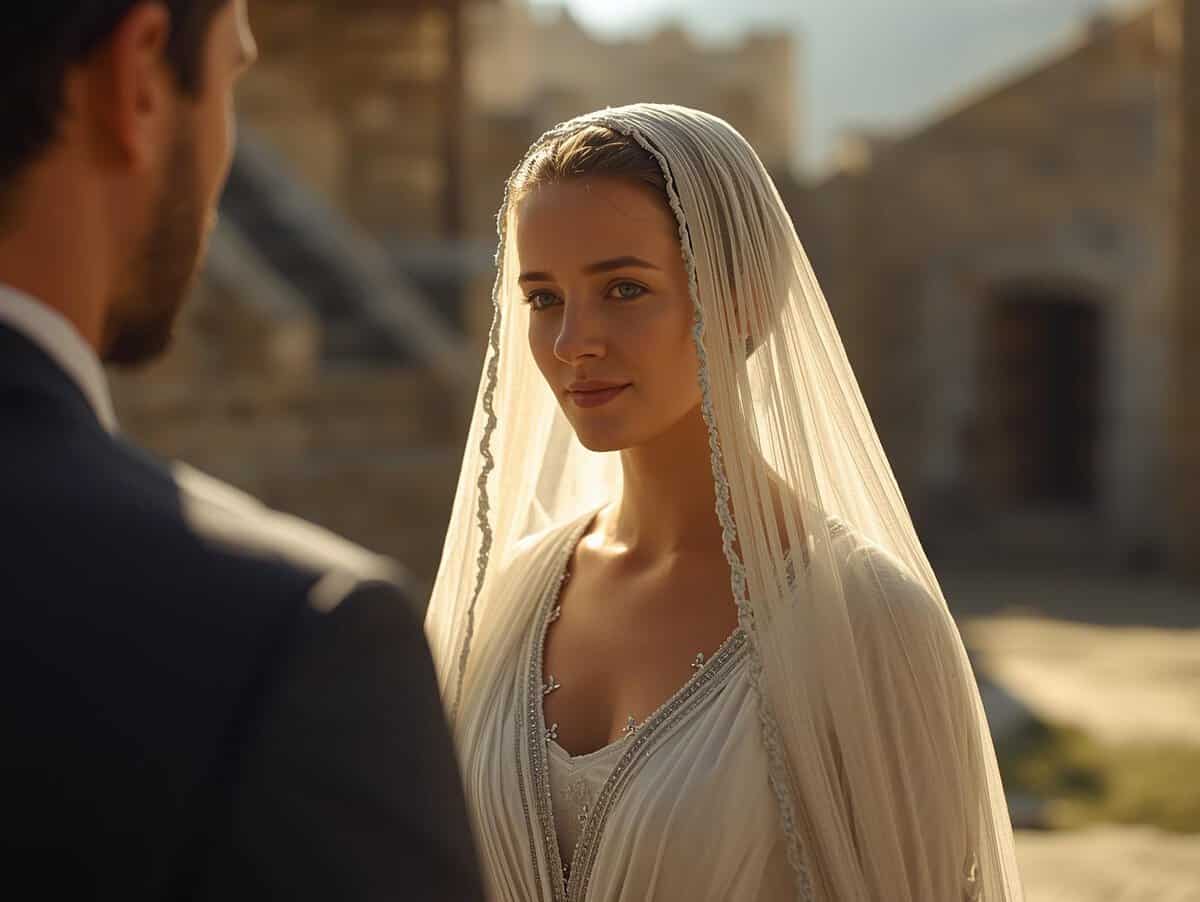
Brides in biblical times often wore veils, not only for beauty but for spiritual protection.
The veil symbolized modesty, purity, and the sanctity of marriage.
It could also protect the bride from evil spirits or the “evil eye,” a common cultural belief in the ancient world.
Wearing a veil was a spiritual and social act, showing obedience to God and respect for family tradition.
The veil hid the bride’s face until the groom lifted it, symbolizing trust and the beginning of their union.
This practice may seem unusual today, but it carried deep cultural, spiritual, and emotional meaning in biblical communities, emphasizing protection, respect, and sacredness.
4. Processions and Public Celebrations
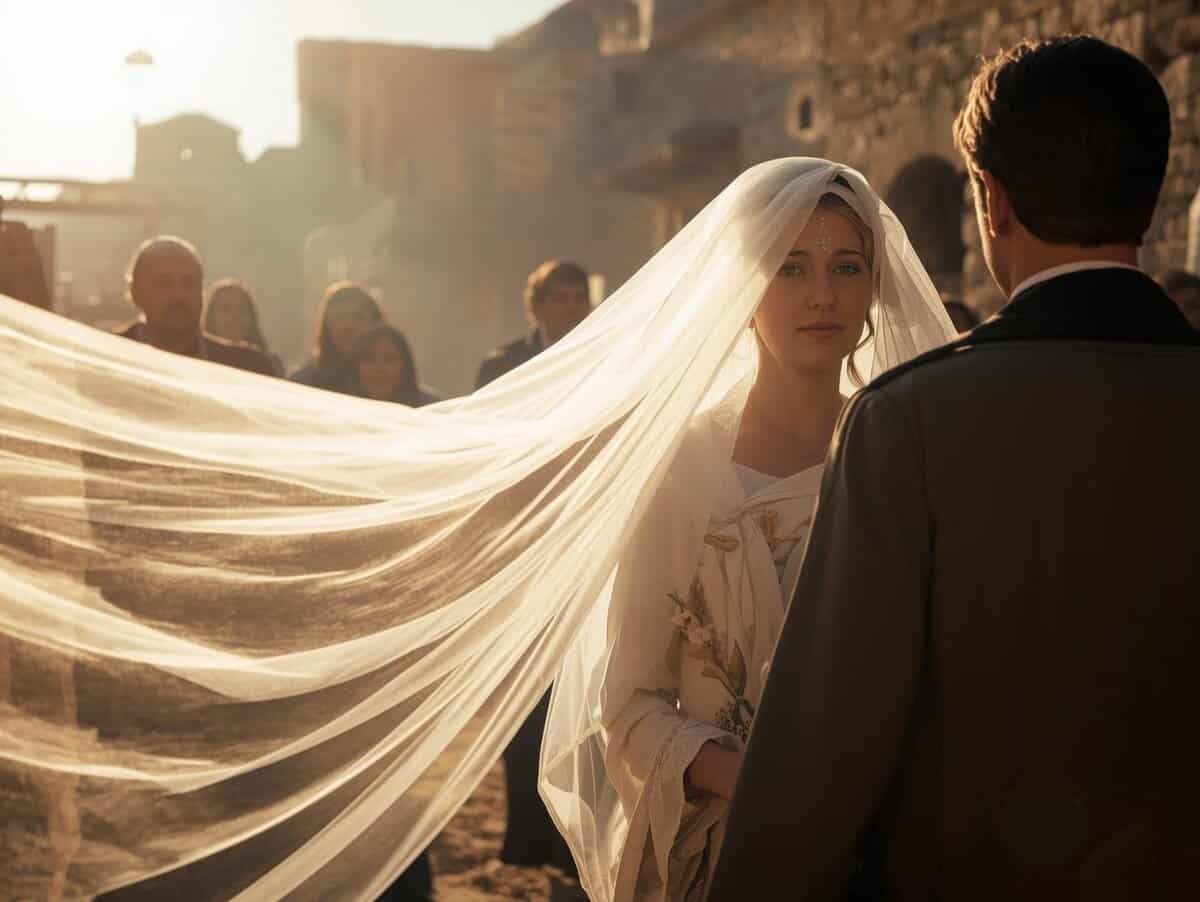
Weddings were public events in biblical times, often involving entire communities.
Processions could include music, singing, and dancing as the bride and groom moved from their homes to the wedding site.
These celebrations marked the union as a communal event and allowed neighbors to bless the couple.
Unlike today’s private or small weddings, public celebrations emphasized social bonds, shared joy, and divine blessing.
Processions also served practical purposes, helping families transport gifts, dowries, or ceremonial items.
These vibrant traditions highlight how weddings were intertwined with community life, faith, and cultural expression, showing that marriage was both a personal commitment and a social, spiritual event.
5. Ritual Sacrifices
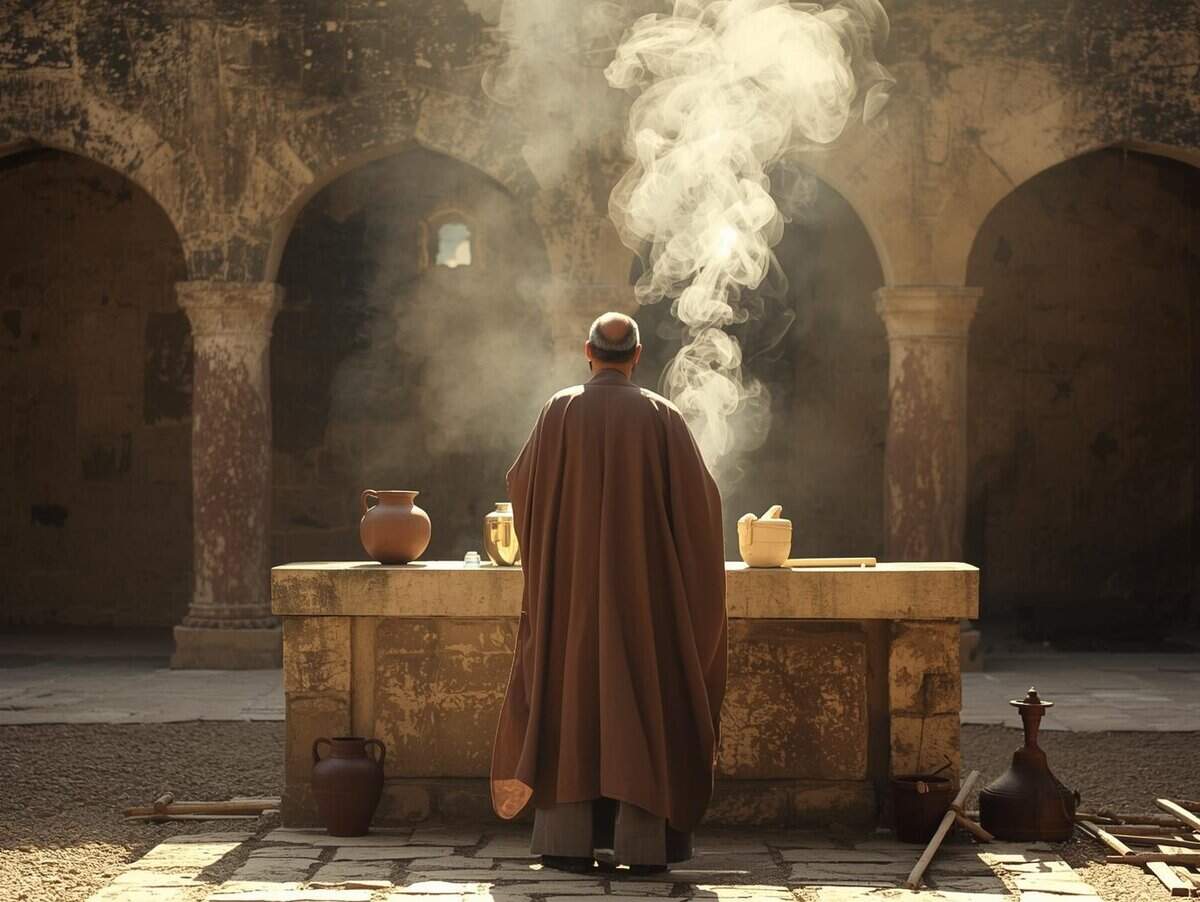
Some biblical weddings included ritual sacrifices to honor God and seek blessings.
Livestock like lambs or goats could be offered as part of the ceremony.
These sacrifices symbolized devotion, gratitude, and the hope for fertility and prosperity in the marriage.
While such practices might seem shocking today, they reflected the belief that divine approval was essential for a successful and blessed union.
Ritual offerings also served as a spiritual reminder of the seriousness of the marriage covenant.
By giving something valuable to God, families demonstrated respect, faith, and commitment, connecting the personal joy of marriage to broader spiritual and cultural responsibilities.
6. Special Wedding Garments
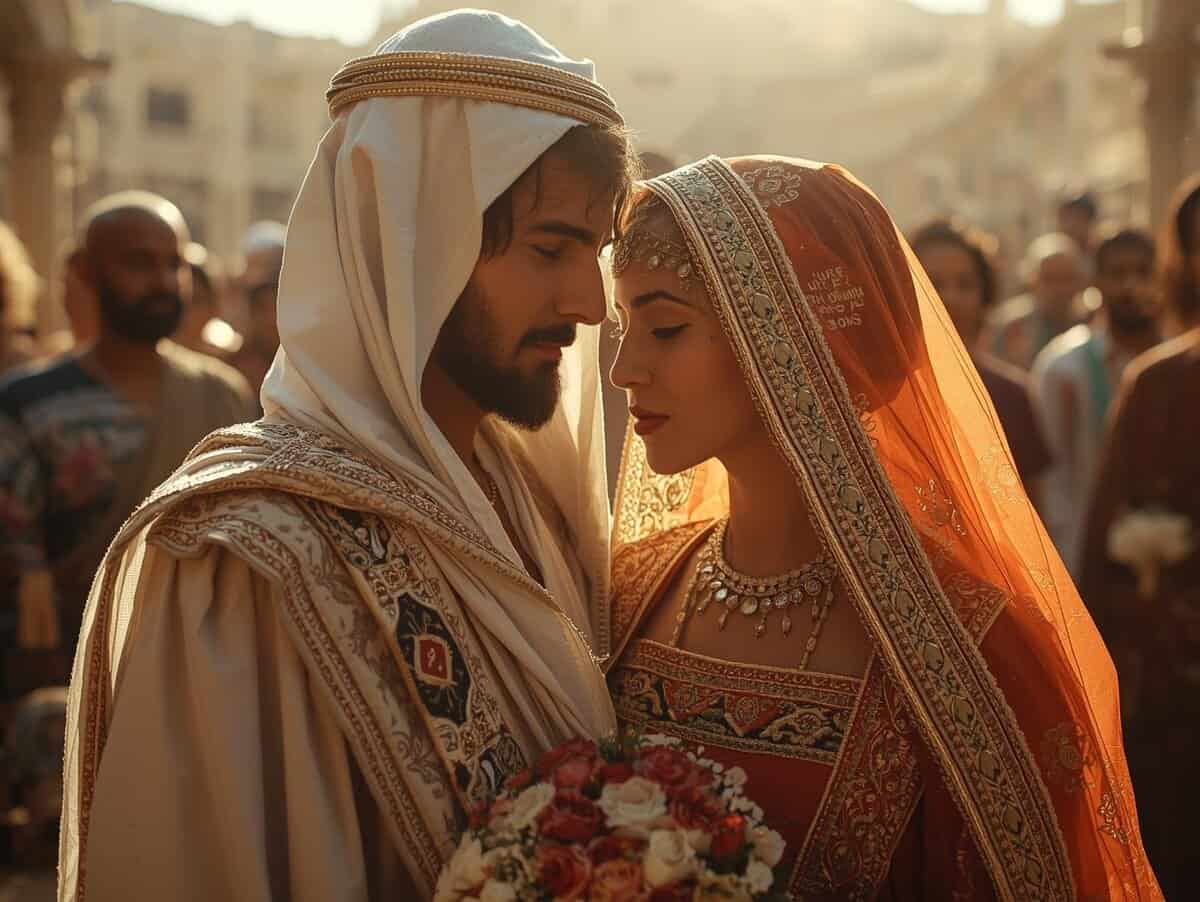
Brides and grooms often wore special garments with symbolic meaning.
The bride’s attire could include colorful dresses, embroidered fabrics, or distinctive head coverings, while the groom wore robes reflecting status or family wealth.
These clothes symbolized purity, prosperity, and social identity.
Unlike modern wedding fashion focused on style or trends, biblical garments conveyed spiritual and cultural messages.
Wearing these clothes reinforced the sacredness of the occasion and honored family traditions.
Guests could recognize social standing, moral character, and familial pride through the attire.
Clothing in biblical weddings was both practical and symbolic, reflecting values of holiness, community recognition, and reverence for God.
7. Marriage Contracts and Witnesses
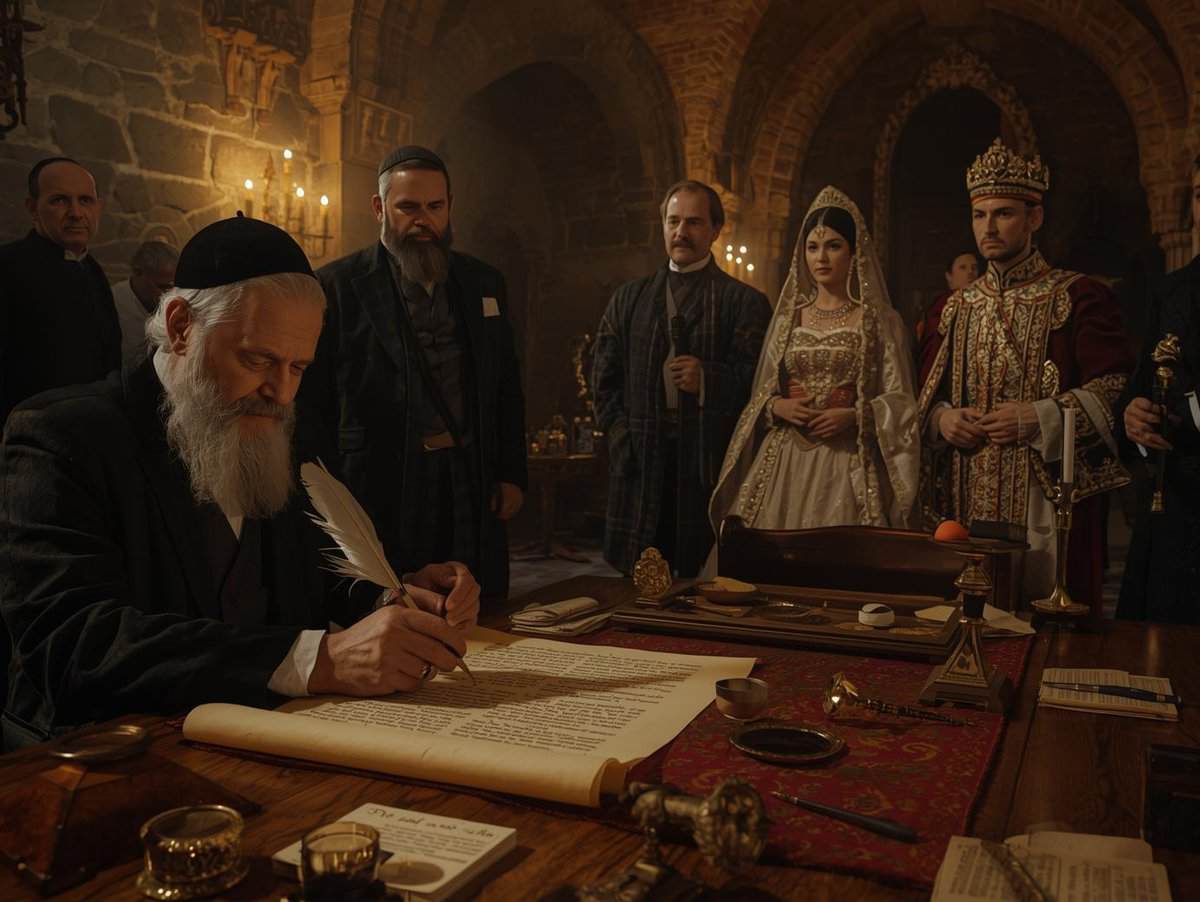
Marriage contracts were often written or formally declared before witnesses in biblical times.
Witnesses confirmed the union and ensured it followed legal and religious guidelines.
This practice emphasized accountability, social recognition, and divine approval.
Contracts often detailed responsibilities, dowries, and promises, showing that marriage was a serious covenant with spiritual and practical obligations.
Witnesses could be family members, community leaders, or religious figures, all ensuring the marriage was valid and respected.
Today, legal paperwork and ceremonies serve a similar purpose, but in biblical times, the combination of witnesses, contracts, and spiritual blessing reinforced the sacredness, social importance, and community accountability of marriage in ancient Israelite culture.

Siempre sentí una fuerte conexión con lo Divino desde mi nacimiento. Como autora y mentora, mi misión es ayudar a los demás a encontrar el amor, la felicidad y la fuerza interior en los momentos más oscuros.