
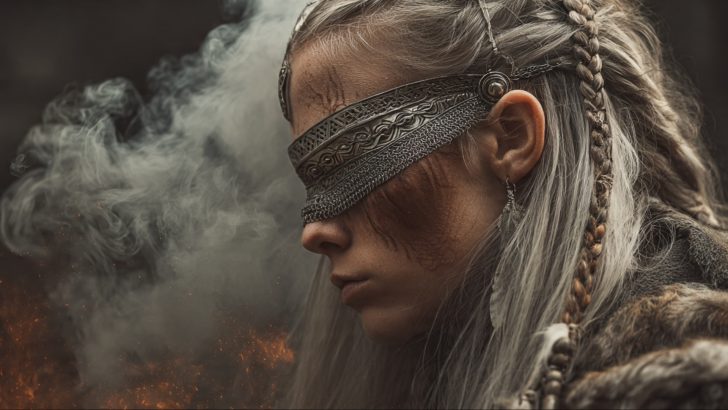
Völuspá, “The Prophecy of the Seeress,” is one of the most haunting poems from Mitología nórdica.
It reveals the cosmic and creation myths that shaped the Norse worldview.
This ancient poem, part of the Poetic Edda, features a seeress who shares her visions with Odin.
It’s a reflection of life, death, morality, destruction, and rebirth.
1. The Void Before Creation
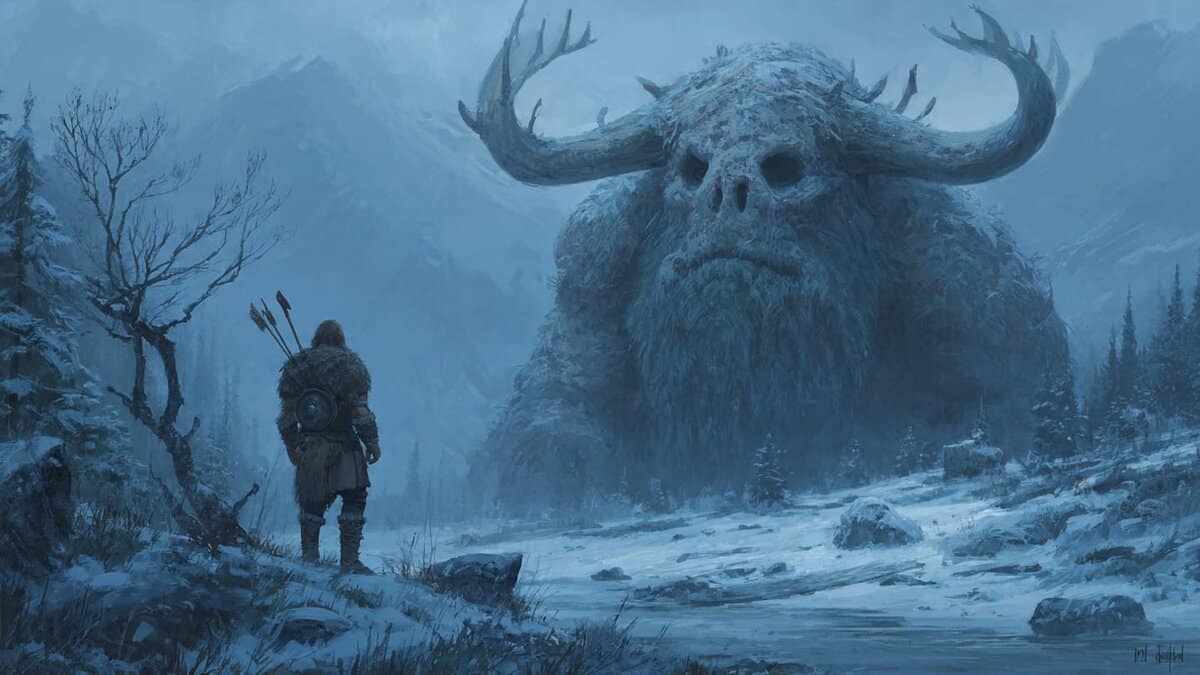
According to the prophecy, long before anything existed, there was Ginnungagap. It’s the void that’s been here before the earth, sky, or even stars were created.
It was a vast, empty nothingness.
Fire and ice met at the edges of this void, and their collision created Ymir, the first giant born of chaos.
From this ice, the other giants emerged, and they created the first Aesir gods – Odin, Vili, and Vé.
From Ymir’s body, the gods created the world, carving out lands, seas, and skies.
This part of the prophecy shows that existence itself came from the balance of opposing forces.
2. The Birth of the Gods and Humanity
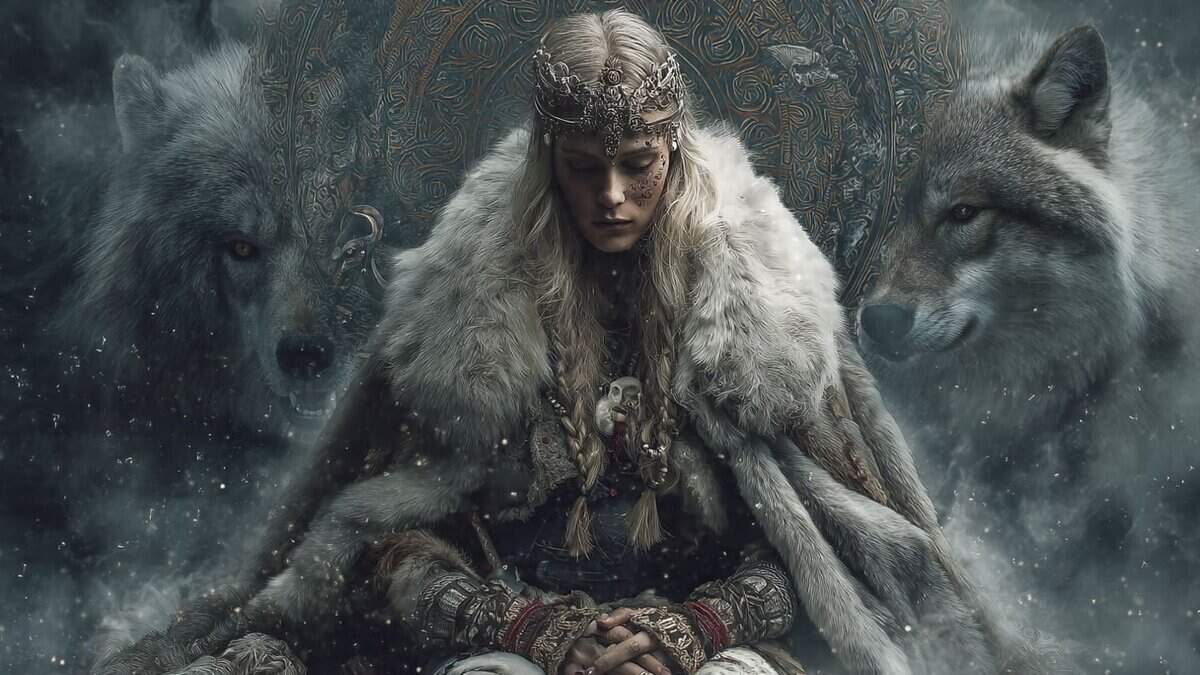
As the world took shape, the gods came into being, each born from the chaos and order that followed.
The first humans, Ask and Embla, were made from driftwood along the shore, crafted by the gods’ hands.
The sun and moon were set in motion, giving light and life to the world. The prophecy even describes how the earth was covered in “green leeks.”
Life was simple and harmonious. Everything was filled with treasures and beauty.
However, this idyllic existence was just a fragile moment before the storm.
The poem creates a haunting sense that it’s all temporal.
3. The Golden Age of the Gods
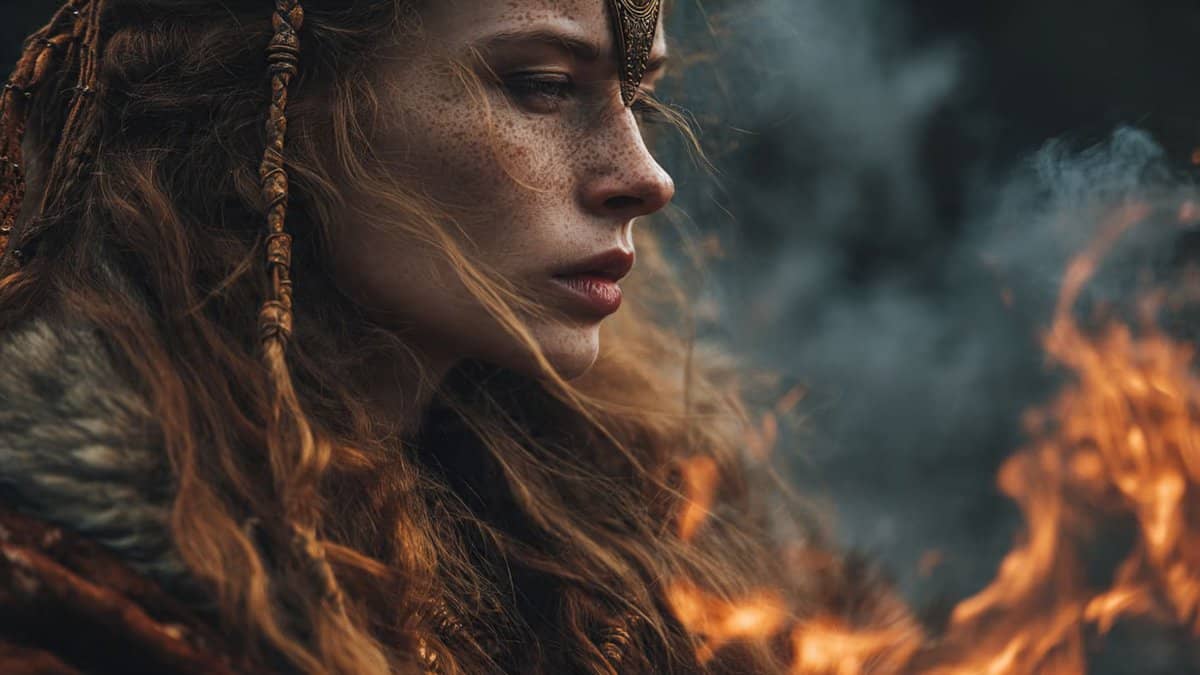
In Asgard, the home of the gods, there’s abundance and harmony.
The gods lived in a shining realm filled with treasures and joy. They kept peace amongst themselves and kept order in the cosmos.
This golden age was a time when gods and humans thrived, and it went beyond riches; it was peaceful and fair.
But even in this paradise, there were seeds of decay.
The prophecy hints that beneath beauty lies the potential for rot.
It’s a warning that even the divine fall into corruption, and that complacencia invites chaos.
4. Corruption and Decline
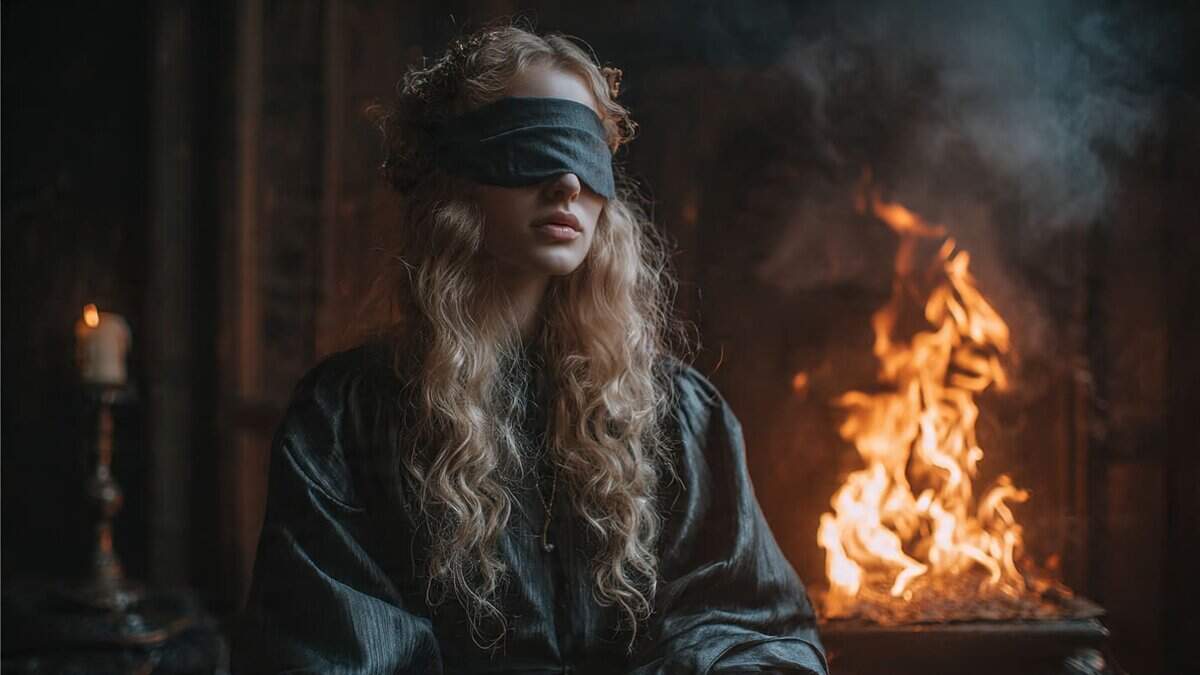
Soon, the harmony of Asgard was disrupted. Codicia settled in, oaths were broken, and violence grew.
The gods who were once mighty and just began to express flaws like jealousy, pride, and betrayal. The morality that held it all together started to fail.
En death of Baldr, the god of light and purity, marks a turning point in the prophecy, revealing that even the gods are powerless against fate.
This decline reflects the human condition: we all fall for corruption.
The poem warns us that moral decay leads to chaos, and if order isn’t maintained, destruction becomes inevitable.
5. The Prophecy of Ragnarök
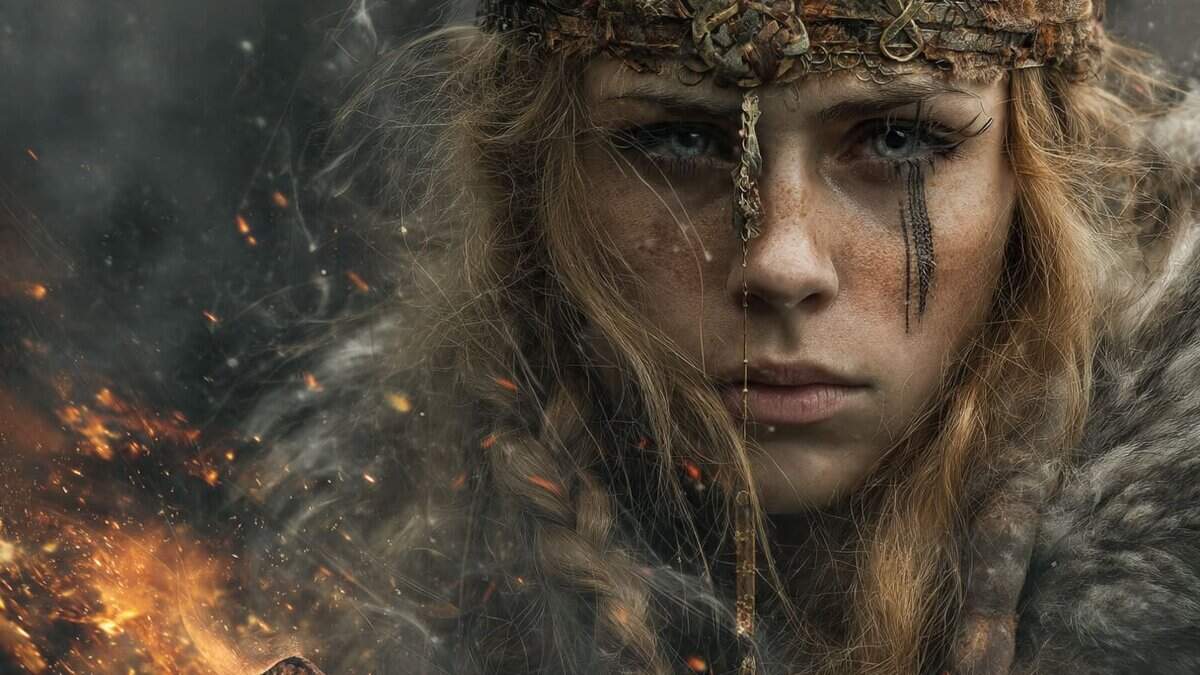
The most famous part of Völuspá is the prophecy of Ragnarök, the doom of gods and men.
The poem describes the sky splitting open, and monstrous beings of chaos break free from their bonds. Fenrir breaks his invisible chains, and Jörmungandr stirs the ocean.
Battles rage and gods fall in combat, dying one by one.
The earth is consumed by fire, and chaos seems unstoppable. It’s a cataclysmic scene that appears final.
However, this isn’t just destruction; it’s a climactic end of the cycle.
Ragnarök reminds us of the mortality of everything that lives and the fragility of order.
6. The Aftermath
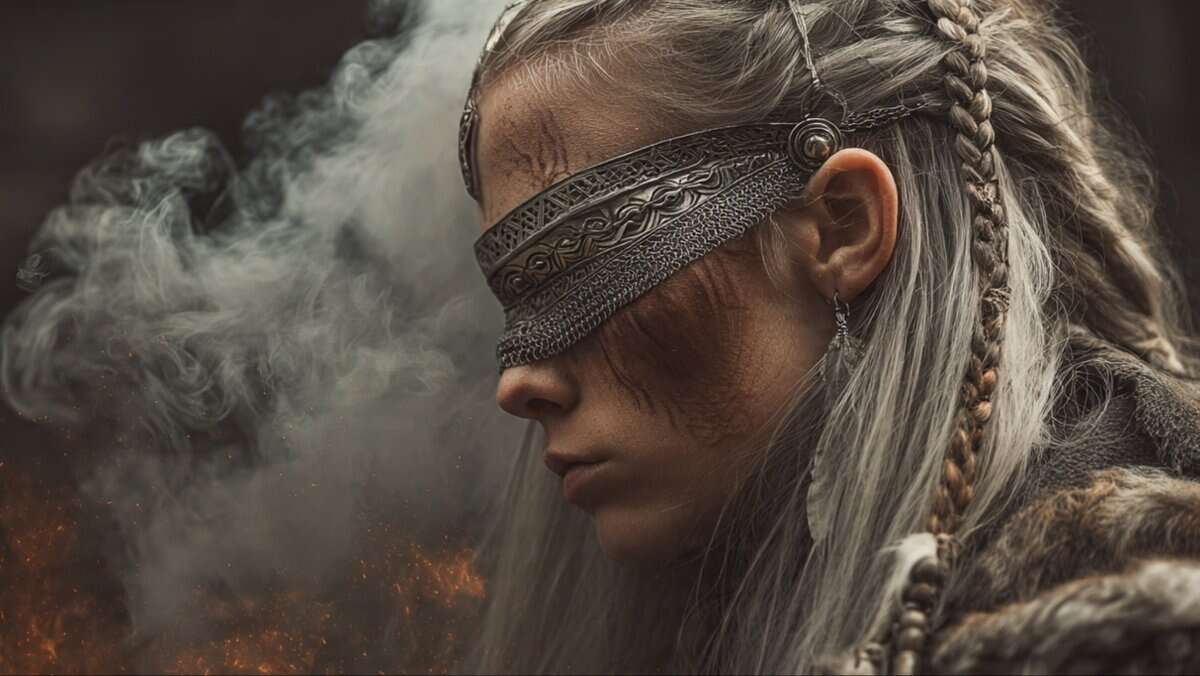
Just when the despair seems absolute, the prophecy presents a twist.
After the flames die out, new land rises from the sea, green and fertile again. A new world begins to form, and a new generation of gods appears.
Humanity is reborn, starting anew on the ashes of destruction.
This renewal is at the core of the cosmic cycle of death and rebirth. The poem makes it clear that destruction isn’t the end.
It’s actually a necessary step toward something new and better.
It gives us hope: As dark and hopeless as things sometimes seem, there’s always a chance to start over.
7. The Cyclical Nature of Existence
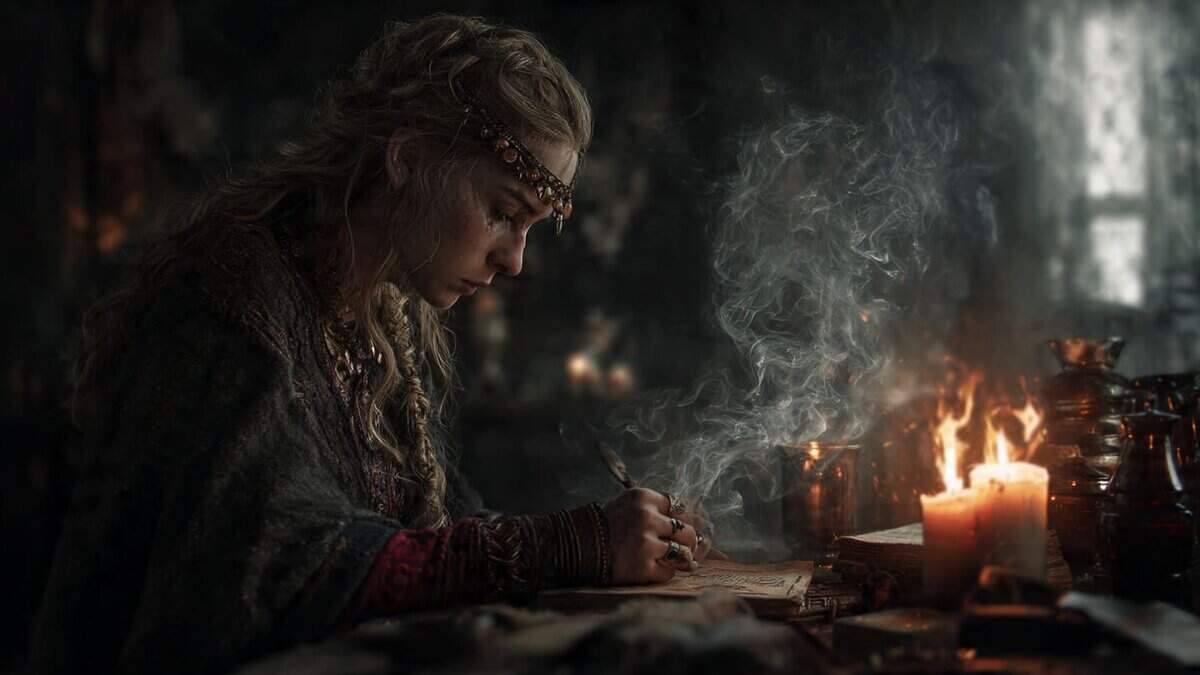
Völuspá highlights that the universe operates in endless cycles: creation, decay, destruction, rebirth.
Nothing is permanent, not even the end. Everything is part of a greater rhythm.
This is reflected in the Norse worldview, where tiempo isn’t linear but circular.
The gods themselves are subject to fate and renewal.
The prophecy offers a humbling perspective, recognizing that these natural processes are above human and divine control.
This cycle also reflects the reality that change is constant, and that we need to be humble enough to embrace it.
8. Human Responsibility and Fate

Prophecy presents the harsh truth that we can’t escape our fate, and underscores it by showing that even gods can’t.
But this isn’t an excuse to give up. Our true character is expressed in how we face our destiny.
The Norse believed that moral strength and dignity matter; how we confront the inevitable defines us.
Völuspá teaches us that power and knowledge don’t grant immunity from faith, so they shouldn’t be the sole focus of our lives.
Becoming adaptable, dignified, and learning how to make the most of what we’re given are the skills we should pursue.
It’s a lesson of responsibility: our choices matter, even as the world ends.
9. The Lesson on Morality
The fall of the gods is the result of moral decay. When order and virtue are abandoned, chaos finds a way to take over.
The prophecy suggests that corrupción isn’t just a personal flaw, but a threat to all life!
The gods’ downfall is a reflection of their moral failings, and this is a warning to human society.
It’s a call for integrity and righteousness, reminding us that our choices always have consequences.
The poem teaches us that maintaining moral discipline is essential if we wish to prevent our own Ragnarök.
10. Hope in Transformation

Despite the dark themes, Völuspá ends on a hopeful note. Endings aren’t final; they’re transformaciones.
Loss clears the ground for rebirth, and chaos is a chance for the renewal of order.
This cycle is the same one we see throughout our own history. Whenever one societal system persisted for too long, it fell into moral decay.
People live for decades, sometimes centuries, in that decay before they rise up and demolish the system. Then they start over, maintain morals, until decay creeps in once more…
The prophecy urges humility. It’s a lesson in accepting our place in the universe, embracing change, and being brave in the face of the unknown.

A little Aquarius, devoted to writing and embroidery. Through my writing, I hope to empower readers to align with their true selves and navigate life’s mysteries with confidence.