
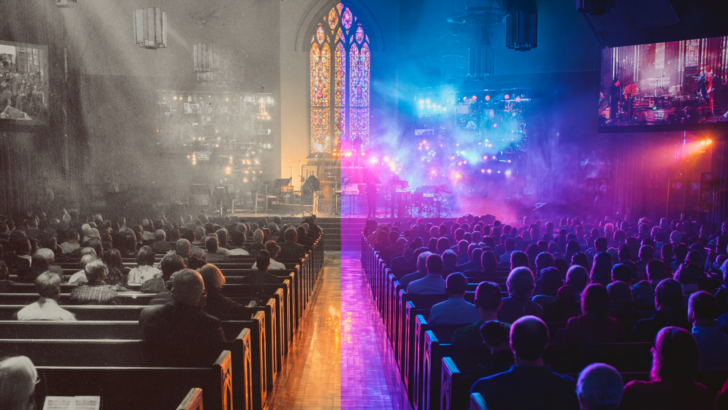
Religion has always responded to the culture in which it exists. Over the last fifty years, the cultural shift, advances in technology, and global communication have all affected how people experience religion.
For example, many traditional ways of worship are being replaced by new ways of connecting to the divine; some communities have become increasingly diverse, while others have become more individualized.
These changes do not indicate that religion has ceased to exist; rather, the way people understand and practice religion has changed dramatically. Below are ten major ways that religion has changed in the last fifty years.
1. Religion Became More Personal
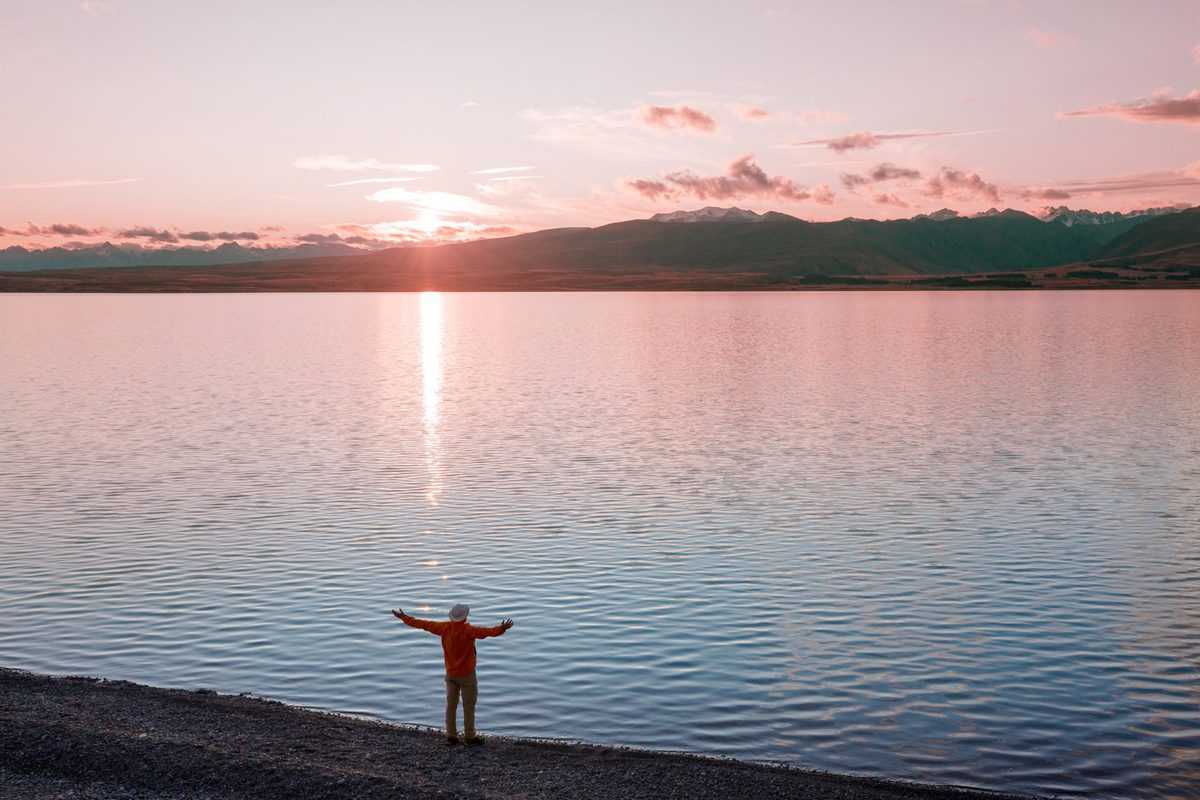
Traditionally, when someone was brought up in a particular religion, their family would have followed that same tradition for many years.
However, now, people are more likely to combine their personal beliefs or follow their spirituality rather than strictly adhere to religious doctrine.
Most people still believe in God but prefer to interpret the teachings of their religion differently from others.
Many people use various forms of prayer and meditation on their own, and religion is more about finding your own meaning in life rather than following the rules set by a community.
2. Technology Changed Religious Practice

People’s relationship with religion has been significantly affected by technology over the years. The internet, online services, livestreamed sermons, and digital prayer groups have allowed anyone to connect with their faith from almost any location in the world.
Social media is another way for religious leaders to share religious teachings with people outside their home church and to share those teachings with much larger audiences than they could have before.
In addition, mobile application technology gives users access to scriptures, guides for meditating, and educational resources about their chosen form of faith, thereby making faith accessible but also changing the way individuals experience traditional gatherings.
3. Interfaith Dialogue Increased

Some communities used to mostly interact with other people of their particular religious tradition, or denomination of that tradition, until recently, when advances in travel and communication have provided opportunities for greater interaction among people of diverse faiths and beliefs.
Interreligious dialogue is now commonplace at universities, community events, and global organizations. These conversations enhance mutual respect and understanding of one another; ultimately, they benefit all people of faith as they combat the misperceptions we may have of one another.
There are numerous religious leaders today who advocate working together across traditions or denominations. Of course, there are negative sides to this as well, as some groups may read misinformation about other groups online.
4. Attendance Patterns Changed
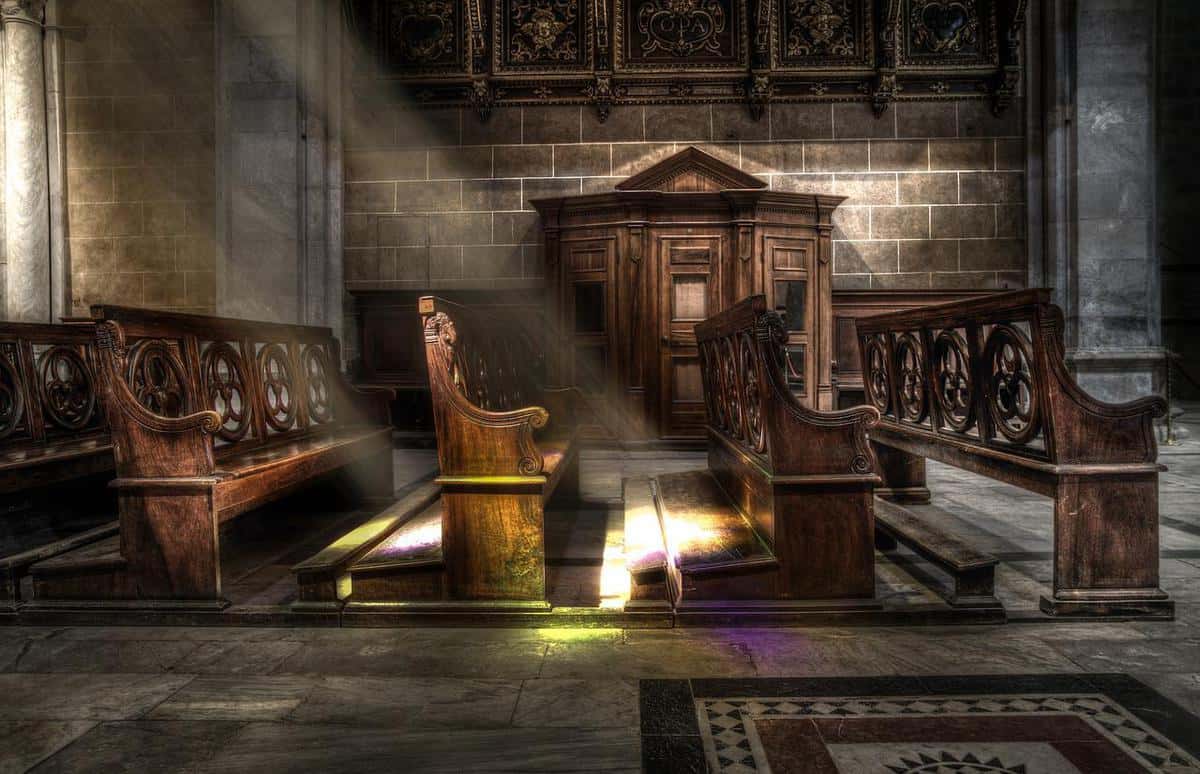
Religious service attendance has shrunk among many age ranges compared to decades ago in some areas. Many younger people have turned away from traditional institutions.
However, this does not equate to total rejection of religion. Exploring spirituality through alternative means is still very common for many people.
Smaller gatherings, doing good in the community, and participating in constructive discussions with others are often used instead of ‘traditional’ forms of worship.
5. Women’s Roles Expanded

Women’s active role in religious communities has expanded dramatically in all faiths. Female roles now include teaching, scholarship, and leadership in several ways.
Gender equity discussions have impacted all of these organizations across the globe.
As such, different religious traditions have shown growth in female participation and visibility in their congregations in the past fifty years.
6. Global Migration Influenced Religious Diversity
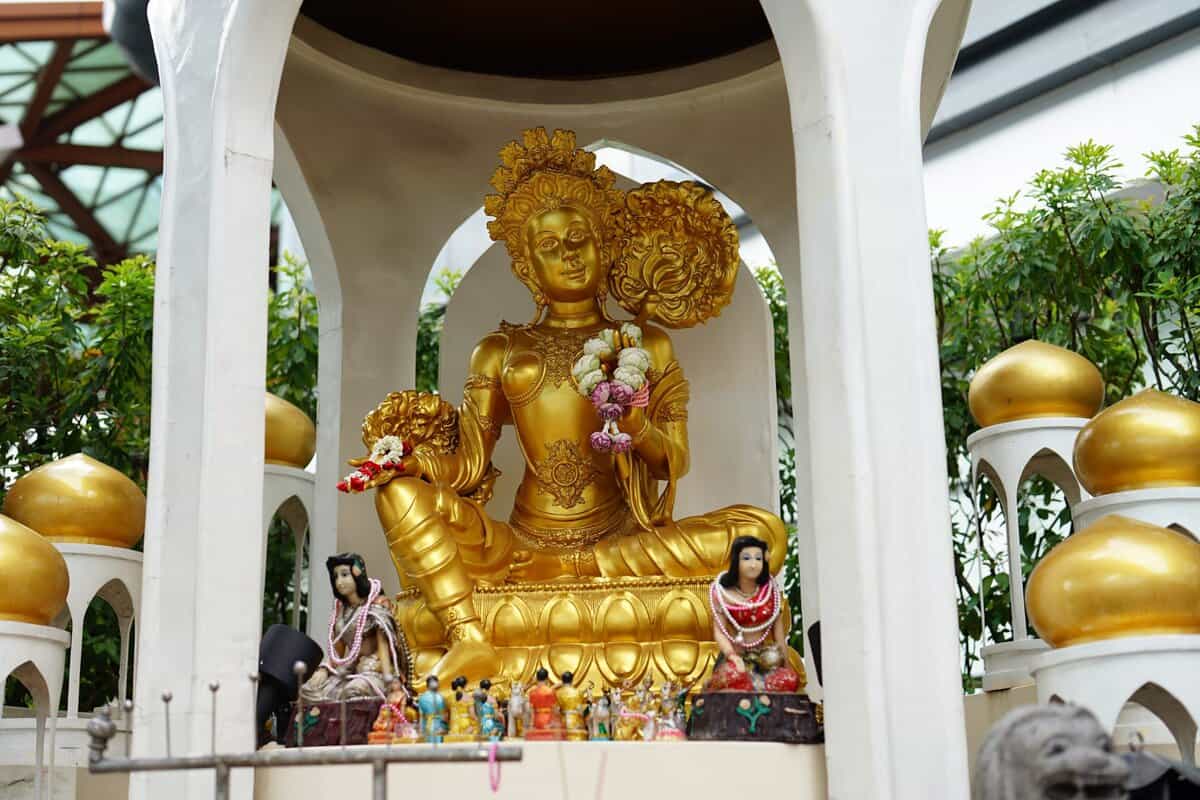
Migration has increased religious diversity worldwide. Some previously singularly faith-based communities now have several faiths being represented within them.
New congregations/places of worship are being developed to accommodate the changing demographics of these areas.
For many, this is a great way to welcome new views, but for some, at times, it is a struggle as a community to figure out how to coexist peacefully with the large number of faiths in proximity to each other.
7. Social Issues Became Part of Religious Discussion
Religious groups today discuss social issues like poverty, climate change, and human rights.
Many religious leaders urge their followers to be active in dealing with these issues.
Religion has connected faith and community service more than ever today.
8. Spirituality Outside Institutions Grew

Not everyone identifies with a conventional religion, and many people are taking a non-traditional approach to exploring their own spirituality.
Examples of this are meditating, practicing mindful living, and reflecting inwardly on themselves.
While traditional religions continue to be relevant for many people, individuals are becoming increasingly open to exploring their spirituality using non-traditional methods.
9. Religious Education Changed

Many different types of educational programs are available, not just through traditional classroom settings.
This includes online courses, podcasts, and digital libraries, making it easier for individuals to explore various aspects of religion, such as religious history, religious philosophy, etc.
Greater availability of information inspires both curiosity and debate among people, allowing them to learn about a wide range of beliefs, which promotes greater cross-cultural understanding of related traditions.
10. Faith Communities Became More Global

Charities using the internet and social media can connect religious groups from many different areas of the world through telephone or video conferences.
They can communicate electronically via various sites, allowing for the rapid spread of religious beliefs and actions.
As a result, global links among religious communities provide opportunities for them to share and exchange ideas, work together on humanitarian projects, and collaborate on international issues.

Born and raised in Bosnia and Herzegovina. Ever since I was a little girl, my imagination knew no bounds. I remember vividly how I’d scribble down short stories, each page bursting with adventures and characters conjured up from the whimsy of my mind. These stories weren’t just for me; they were my way of connecting with my friends, offering them a slice of my fantasy world during our playtimes. The joy and excitement on their faces as we dived into my fictional realms motivated me to keep writing. This early passion for storytelling naturally evolved into my pursuit of writing, turning a childhood hobby into a fulfilling career.