
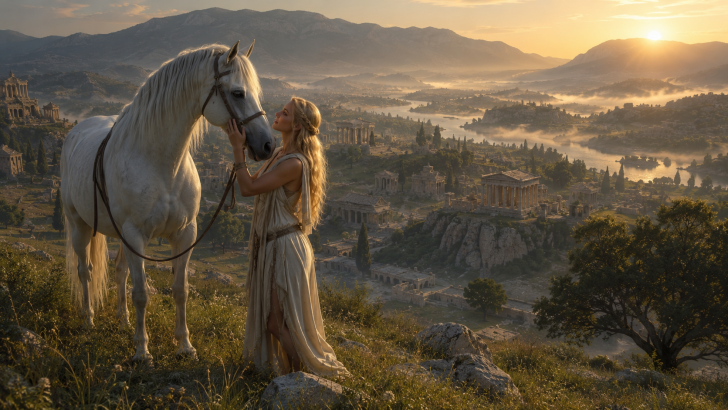
Few animals have inspired as much admiration throughout history as the horse.
For thousands of years, horses carried warriors into battle, pulled royal chariots, and helped build civilizations.
Among all horses, however, white horses held a particularly special place in the imagination of ancient peoples.
Across Europe, Asia, the Middle East, and parts of Africa, white horses were often viewed as sacred creatures connected with gods, kings, prophecy, and the heavens.
Their striking appearance set them apart from ordinary animals and made them seem almost supernatural.
Many myths describe divine beings arriving on white horses or using them to travel between all the worlds.
Some traditions believed these animals carried messages from the gods. Others saw them as symbols of purity, victory, and spiritual power.
Here are nine reasons white horses were considered divine.
1. Their Rare Appearance Made Them Seem Supernatural
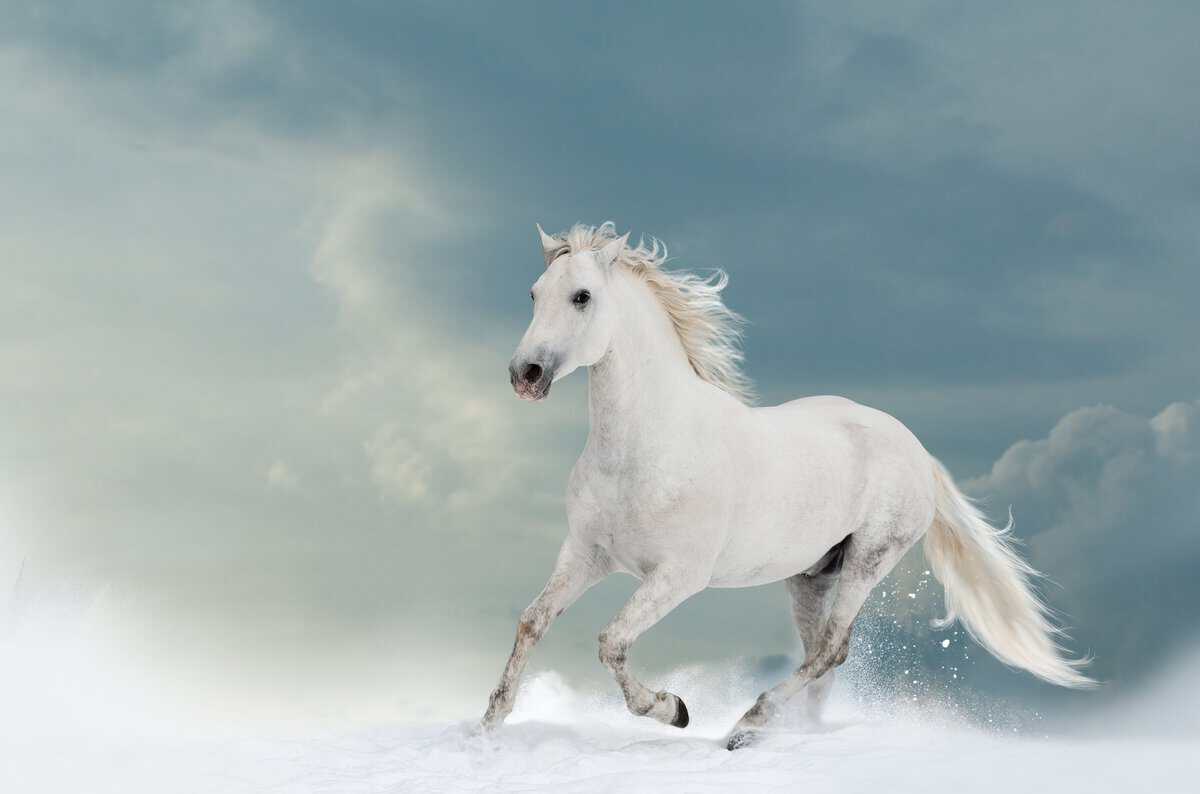
One reason white horses gained sacred status was their rarity. Most horses in the ancient world were brown, black, chestnut, or gray.
A horse with a bright white coat immediately attracted attention. Its unusual appearance made it seem different from the animals people saw every day.
Ancient societies often connected rare natural phenomena with divine forces. Unusual stars, eclipses, and uncommon animals frequently became objects of reverence.
White horses fit naturally into this pattern. Their shining coats stood out against fields, forests, and battlefields, creating an almost otherworldly image.
For many people, something so uncommon could not simply be ordinary. The horse appeared touched by the divine.
2. White Symbolized Purity and Holiness
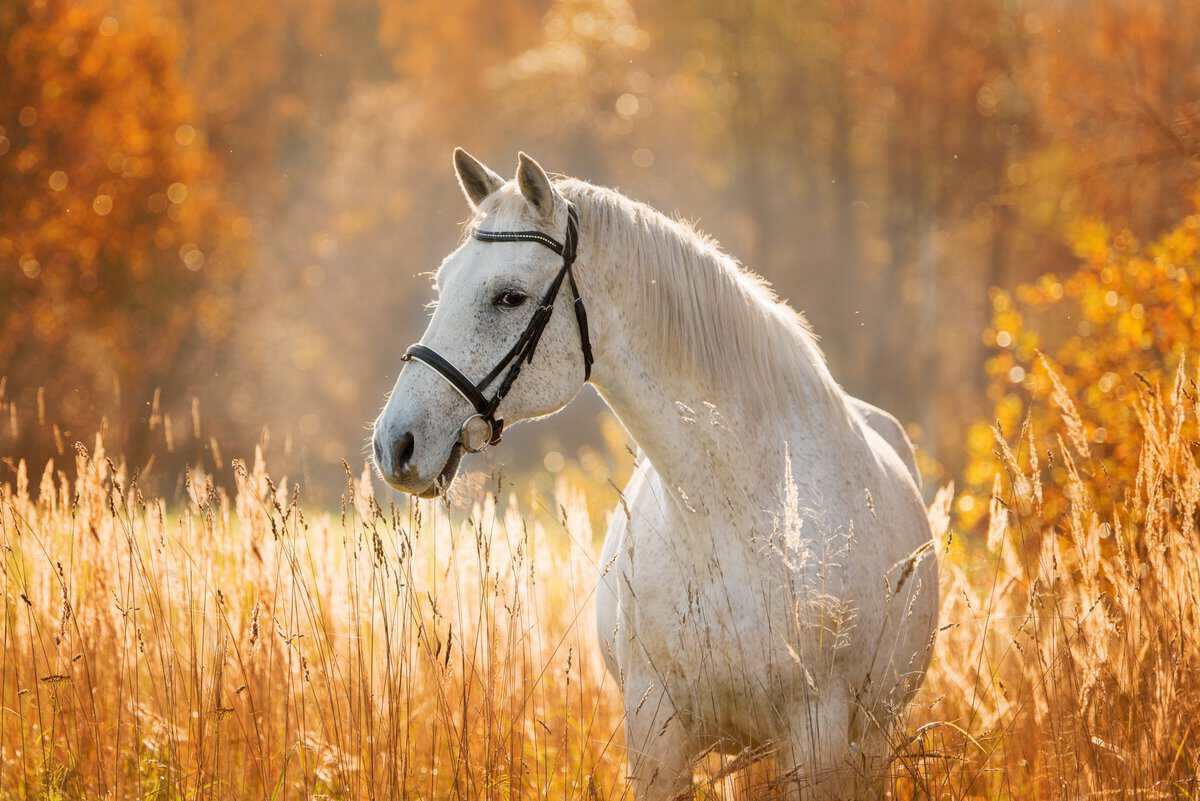
Across many civilizations, the color white represented purity, truth, and spiritual perfection.
Priests often wore white garments during ceremonies. Sacred buildings sometimes used white stone to symbolize holiness and light.
Because white already carried these associations, white animals often inherited similar meanings.
The white horse became a living symbol of these ideals. Its color suggested innocence, wisdom, and closeness to the divine world.
Many religious traditions believed heavenly beings surrounded themselves with brightness and radiance.
The white horse seemed to reflect this celestial quality. Its appearance inspired feelings of peace and reverence.
3. Gods and Goddesses Frequently Rode White Horses
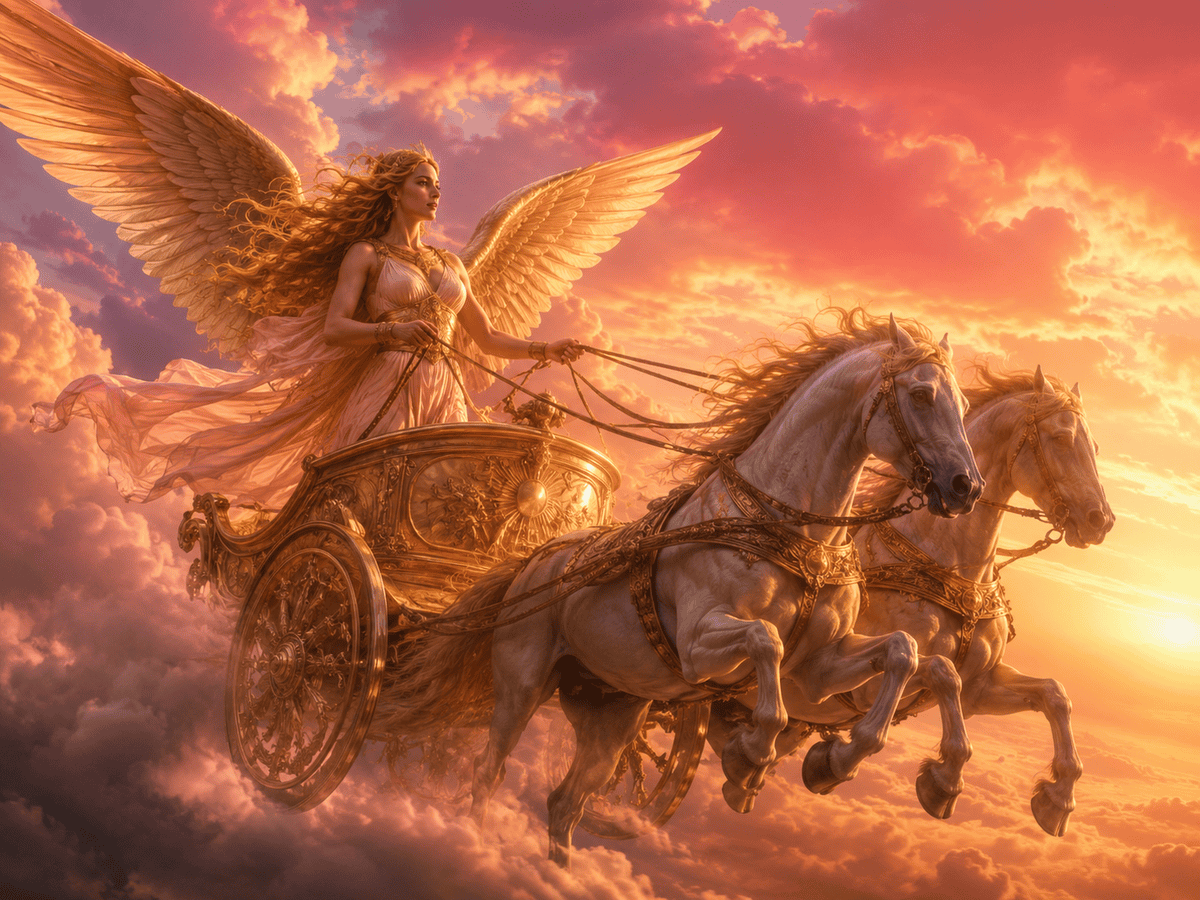
Mythology across the world repeatedly connects white horses with divine beings.
In Greek mythology, the sun god Helios drove a magnificent chariot pulled by shining horses across the sky each day.
Norse traditions describe radiant horses carrying celestial beings through the heavens.
In Hindu mythology, several gods travel using white horses or white horse chariots.
Slavic traditions often associated sacred white horses with important deities and temple rituals.
The repeated appearance of white horses beside divine figures strengthened their sacred reputation.
People naturally assumed that animals chosen by gods must possess extraordinary qualities themselves.
4. They Were Linked With the Sun and the Sky
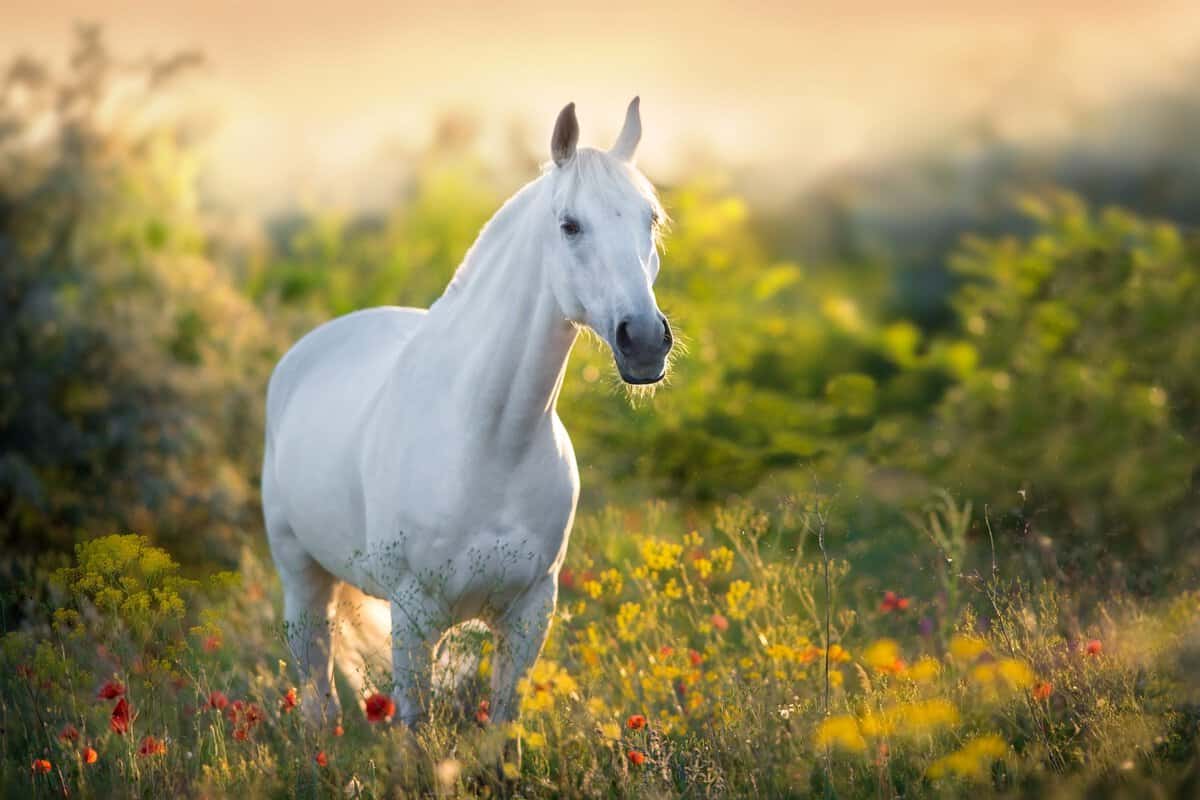
Many ancient cultures connected white horses with sunlight and heavenly realms. Their pale coats reflected light in a way that seemed almost radiant.
This visual effect encouraged associations with the sun, dawn, and celestial powers.
Solar gods frequently traveled in chariots pulled by brilliant horses racing across the sky.
The movement of the sun itself was sometimes imagined as a divine journey carried out by sacred animals.
White horses therefore became symbols of cosmic order and the passage of time. Their speed and grace mirrored the movement of heavenly bodies.
5. Ancient Kings Used White Horses During Ceremonies
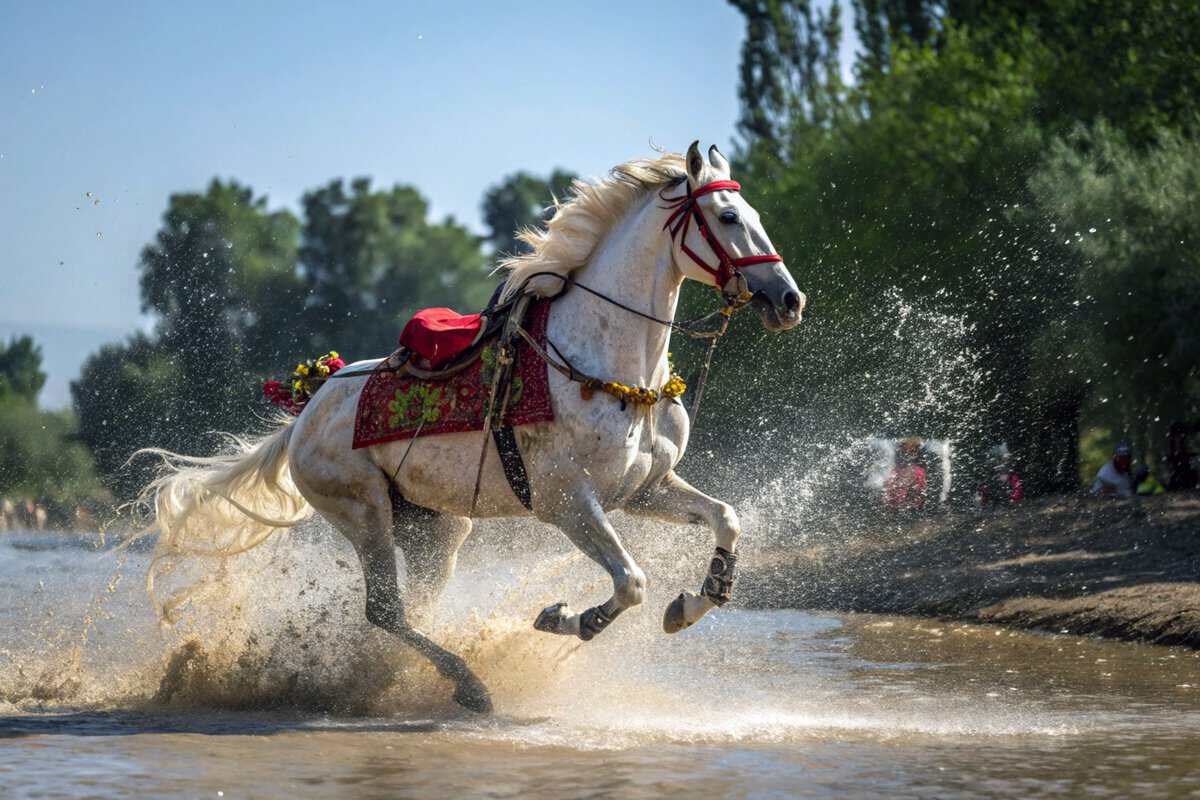
Rulers often used white horses during coronations, military victories, and religious festivals.
The animals communicated prestige and authority in a way few other symbols could match.
Because white horses were less common and more visually striking, they became associated with wealth and status.
Many kings reserved them for special occasions. The sight of a ruler riding a white horse reinforced the idea that he ruled with divine approval.
Some monarchs even claimed direct connections with the gods, making the symbolism especially powerful.
6. They Became Symbols of Victory and Triumph
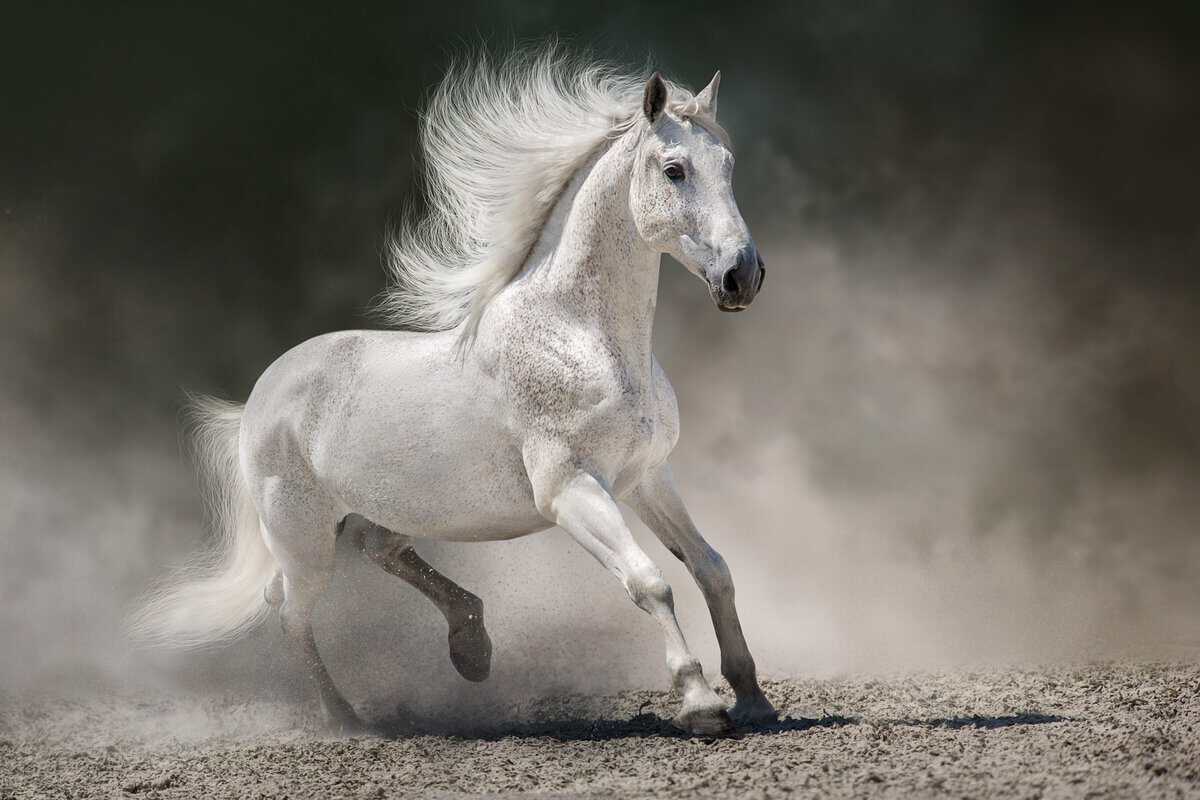
Throughout history, victorious leaders were often portrayed riding white horses. The image communicated success, honor, and divine favor.
Roman generals celebrated military triumphs in grand processions that emphasized their achievements and status.
Later traditions continued this symbolism. Artists frequently portrayed heroes, saints, and conquerors mounted upon white horses after great victories.
The association became so widespread that the white horse evolved into a universal symbol of triumph.
Victory was rarely viewed as purely human in ancient societies. Success in battle was often believed to depend upon divine support.
7. Some Cultures Used White Horses in Sacred Divination
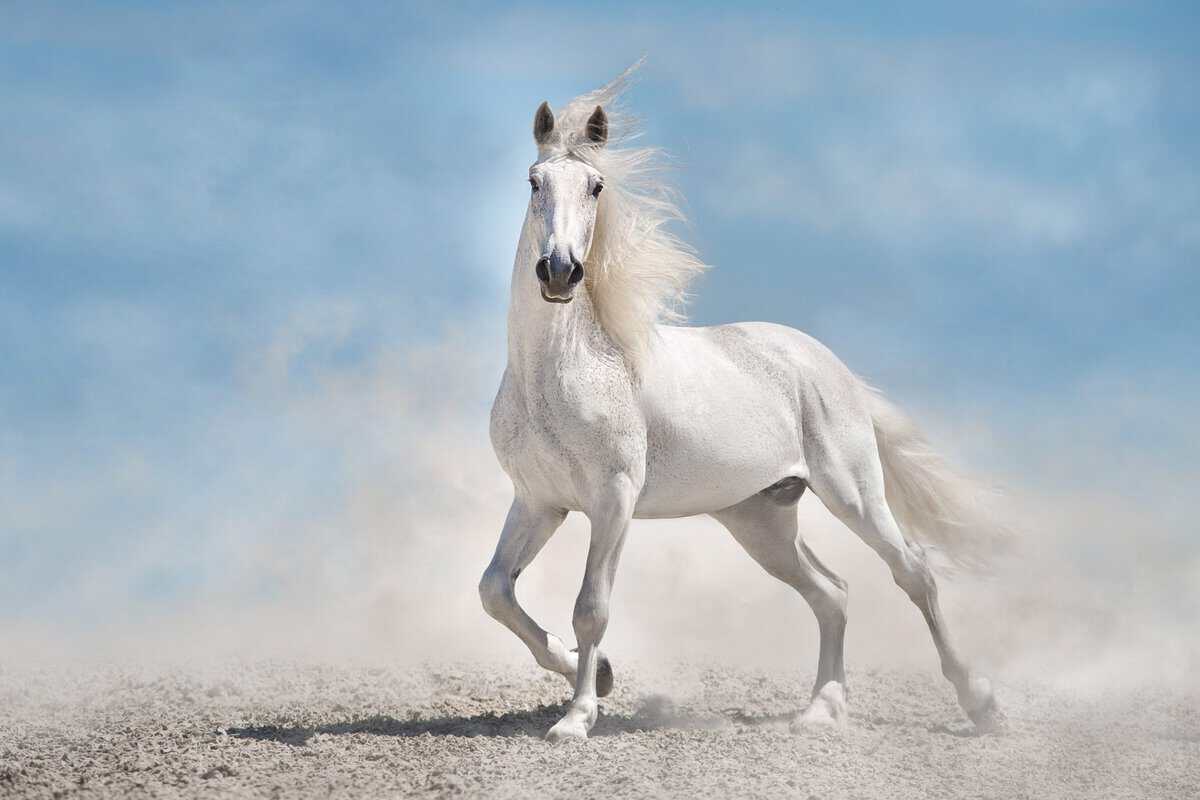
Several ancient civilizations believed white horses possessed prophetic abilities.
Among certain Germanic and Slavic peoples, sacred white horses lived within temple grounds and participated in religious rituals.
Priests carefully observed the animals’ movements and behavior when seeking guidance from the gods.
The direction of a horse’s steps or reactions during ceremonies could influence important decisions involving war, harvests, or politics.
Because these horses were believed to communicate divine messages, they received special treatment and protection.
Their role elevated them beyond ordinary animals. They became living instruments of prophecy and sacred knowledge.
8. White Horses Were Seen as Guides Between Worlds
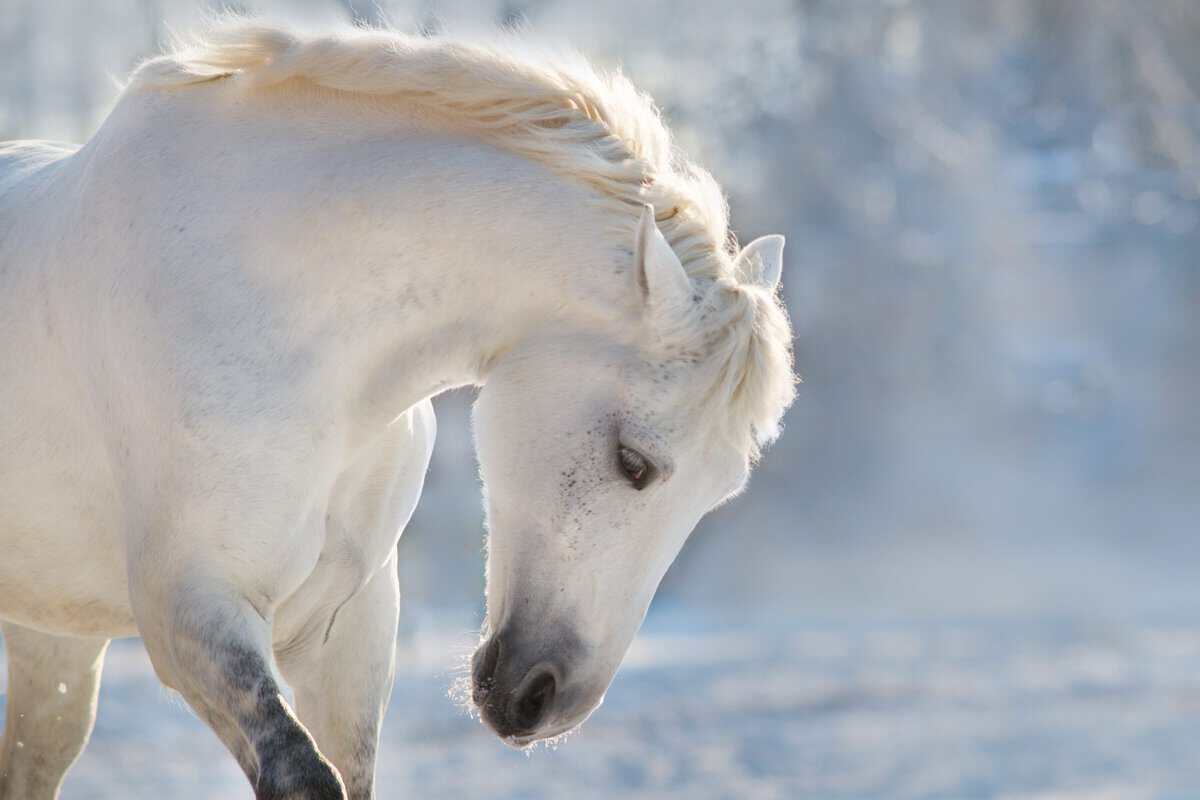
Many myths describe white horses carrying souls, heroes, or divine beings between different realms.
Their speed and grace made them natural symbols of travel between heaven and earth.
Some traditions believed white horses escorted the dead into the afterlife. Others portrayed them as companions of spiritual messengers.
Since horses already represented movement and journeys, assigning them a role in supernatural travel felt natural to many cultures.
The white color added an extra layer of sacred meaning. The animal became a bridge connecting mortal life with divine realities.
9. Their Symbolism Endured Across Continents and Centuries
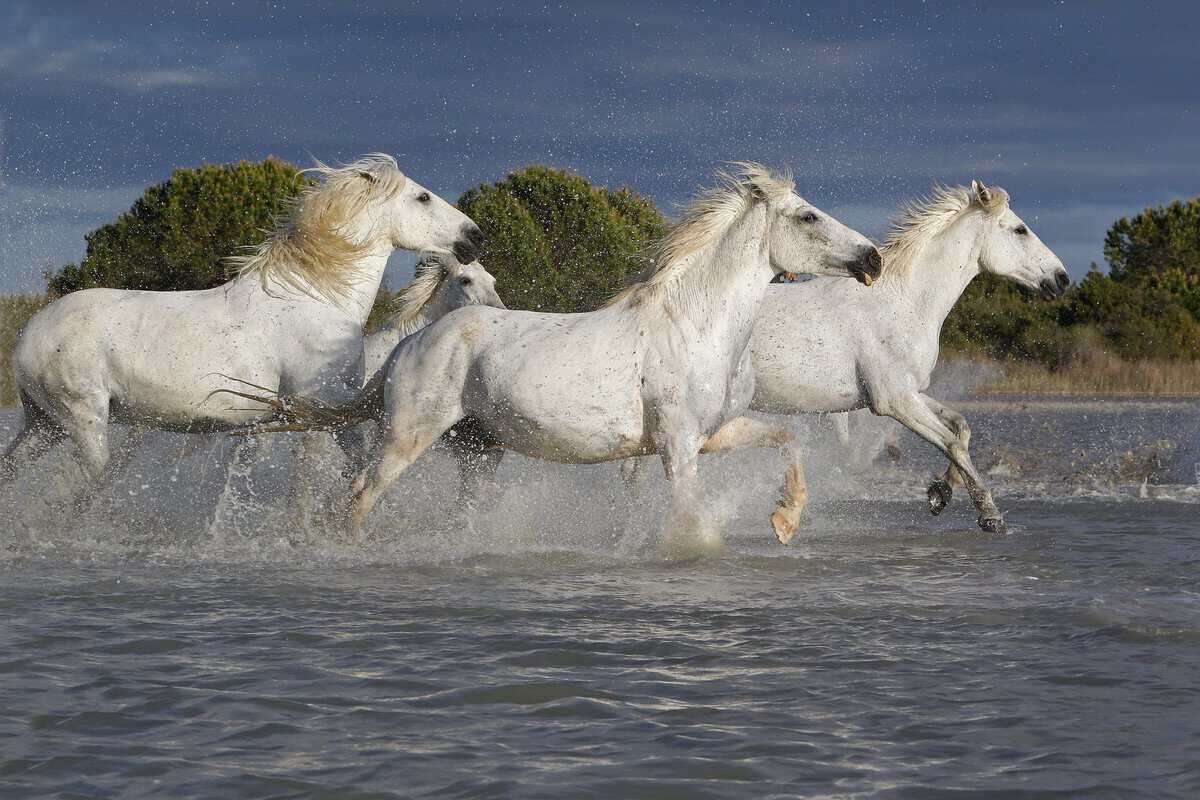
Perhaps the most remarkable aspect of white horse symbolism is how widely it spread.
Civilizations separated by enormous distances often developed remarkably similar beliefs.
Europeans, Indians, Persians, Slavs, and many others connected white horses with gods, kings, prophecy, and sacred power.
This consistency suggests that the animal’s appearance naturally inspired awe and reverence.
Its beauty and rarity created a powerful impression that transcended individual cultures.
Even today, white horses continue to appear in fantasy stories, religious imagery, and national legends as symbols of nobility and hope.

Siempre sentí una fuerte conexión con lo Divino desde mi nacimiento. Como autora y mentora, mi misión es ayudar a los demás a encontrar el amor, la felicidad y la fuerza interior en los momentos más oscuros.