

We tend to think relationships end because of dramatic betrayals—infidelity, explosive arguments, obvious disrespect. But more often, love erodes quietly. Many men lose relationships not because they cheated or constantly fought, but because of subtler patterns that slowly create emotional distance.
In long-term dynamics, it’s rarely one catastrophic moment that causes a breakup—it’s the accumulation of unmet needs, unspoken frustrations, and emotional disconnection.
The truth is, being “a good guy” isn’t always enough to sustain intimacy. Emotional presence, growth, and attentiveness matter just as much as loyalty.
Here are the deeper reasons relationships can slip away, even when there’s no obvious wrongdoing.
1. Emotional Unavailability

A man can be faithful, financially responsible, and physically present—yet emotionally absent. Emotional unavailability doesn’t always look cold or cruel. Sometimes it looks like deflecting serious conversations, avoiding vulnerability, or shutting down when feelings arise.
Over time, a partner may feel alone even while in the relationship. Humans bond through emotional attunement—feeling heard, understood, and validated. When a man struggles to articulate his inner world or consistently minimizes emotional discussions, intimacy weakens.
The issue isn’t conflict; it’s the absence of connection. Many breakups happen not because love vanished, but because emotional access never fully developed.
2. Complacency and Lack of Effort

Relationships require maintenance. In the early stages, effort is natural—planning dates, communicating consistently, showing affection. But when comfort turns into complacency, attraction can quietly fade. A man might assume that because there’s no fighting and no betrayal, everything is fine.
Meanwhile, his partner may feel taken for granted. Emotional and romantic investment needs reinforcement over time. Small gestures, curiosity about her evolving goals, and continued intentionality matter.
Love isn’t sustained by default; it’s sustained by attention. When effort plateaus, emotional drift begins—even in peaceful relationships.
3. Avoiding Difficult Conversations

Not fighting isn’t always a positive sign. Sometimes it means conflict is being avoided altogether. Many men are socialized to keep the peace or suppress emotional discomfort rather than engage directly. But unaddressed issues don’t disappear—they accumulate.
When concerns aren’t discussed openly, resentment builds quietly beneath the surface. A partner may eventually feel unheard or dismissed, even if arguments never occurred.
Healthy relationships require productive tension and repair. Avoidance may preserve short-term harmony, but long-term intimacy depends on courageously addressing what feels uncomfortable.
4. Stagnation and Lack of Growth

Personal growth is deeply attractive. When one partner evolves and the other remains stagnant, imbalance develops. A man who resists self-reflection, dismisses feedback, or avoids personal development can unintentionally create distance.
This doesn’t mean he needs to reinvent himself—but growth signals emotional maturity. If a partner feels she is outgrowing the relationship, disconnection follows. Stability is valuable, but rigidity is not.
Long-term love thrives when both people adapt, learn, and expand over time. Without growth, even stable relationships can feel limiting.
5. Inconsistent Emotional Support

A man may believe that providing financially or being physically present equals support. But emotional support requires attunement—listening without fixing, validating without minimizing.
When a partner expresses stress or vulnerability and receives solutions instead of empathy, she may feel unseen. Emotional connection deepens when feelings are acknowledged, not managed. If support feels conditional, distracted, or impatient, intimacy erodes.
Many relationships end not because of wrongdoing, but because one partner no longer feels emotionally safe to share openly.
6. Taking Loyalty as the Only Standard

Faithfulness is foundational—but it’s not the full picture. Some men assume that because they don’t cheat, they’re fulfilling their role entirely. However, loyalty alone doesn’t create romance, depth, or emotional intimacy.
A partner may crave affection, quality time, affirmation, or shared experiences. When loyalty becomes the sole benchmark of “good behavior,” other relational needs go unmet.
Relationships are sustained by connection, not merely the absence of betrayal. When emotional richness is missing, dissatisfaction quietly grows.
7. Poor Communication Skills
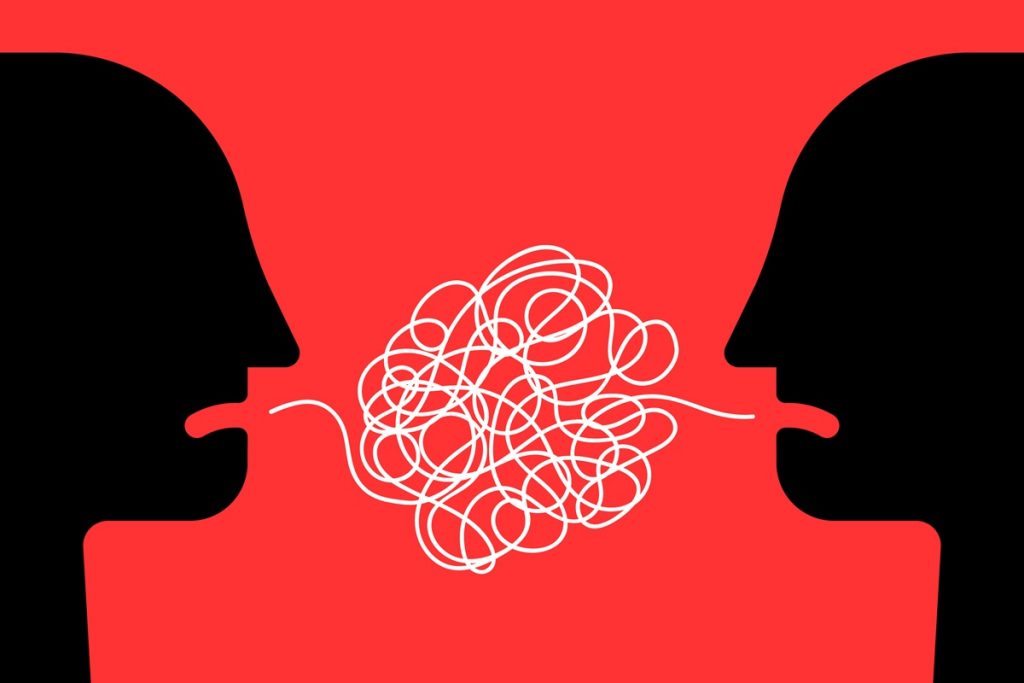
Communication is more than exchanging information—it’s how partners build understanding. Men who struggle to express needs, boundaries, or feelings may unintentionally create confusion. Silence, vague responses, or emotional withdrawal can be interpreted as indifference.
Over time, miscommunication breeds assumptions. A partner may stop trying to connect if she feels clarity never comes. Effective communication doesn’t require eloquence—it requires willingness.
When communication remains surface-level, the relationship can feel emotionally thin, even without overt conflict.
8. Neglecting Emotional Intimacy

Physical closeness may remain intact, but emotional intimacy requires deliberate nurturing. Sharing fears, dreams, insecurities, and future plans strengthens bonds. If a man avoids deeper topics or keeps parts of himself compartmentalized, a partner may feel shut out.
Emotional intimacy is built through mutual vulnerability. Without it, the relationship may feel functional rather than fulfilling. Over time, that distinction becomes significant.
Many breakups stem not from dramatic betrayal, but from a quiet longing for deeper connection that was never fully met.
9. Prioritizing Comfort Over Passion

Comfort is beautiful—but passion requires intention. Routine can quietly replace romance. If date nights disappear, flirtation fades, and appreciation goes unspoken, attraction may diminish. A man may feel secure and assume stability is enough. But emotional and romantic energy needs renewal.
Passion doesn’t always mean grand gestures; it can mean curiosity, playfulness, and presence. When comfort becomes complacency, desire weakens. Relationships need both safety and spark to thrive long-term.
10. Failing to Recognize Emotional Drift

Perhaps the most common reason relationships end quietly is simple unawareness. Emotional distance rarely appears overnight. It grows subtly—less laughter, fewer meaningful conversations, reduced enthusiasm.
If a man doesn’t notice these shifts or assumes they’re temporary, he may miss the opportunity to repair them. Awareness is critical.
Checking in regularly—“How are we doing?”—can prevent long-term disconnection. Relationships don’t usually collapse because of one explosive event; they fade when small cracks go unaddressed.

Lover of good music, reading, astrology and making memories with friends and spreading positive vibes! 🎶✨I aim to inspire others to find meaning and purpose through a deeper understanding of the universe’s energies.