
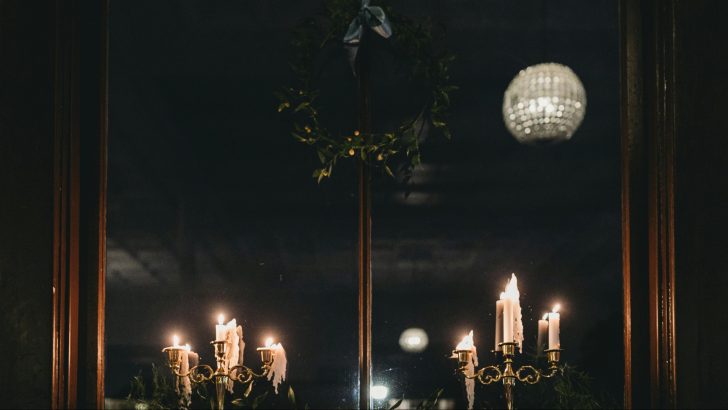
The winter solstice marks the longest night of the year, but at the same time, it’s a promise of light returning.
For centuries, people have looked to this night as more than just a change in the seasons – it’s a time when the veil between worlds feels thin enough to touch.
Whether it’s legends or rebirth, omens in fire, or ancestral spirits wandering close, the solstice stirs something primal in all of us.
It’s a night when old stories come alive, and we celebrate the rebirth of light, whether it’s in the form of Jesus or the Sun god.
1. The Sun’s Victory
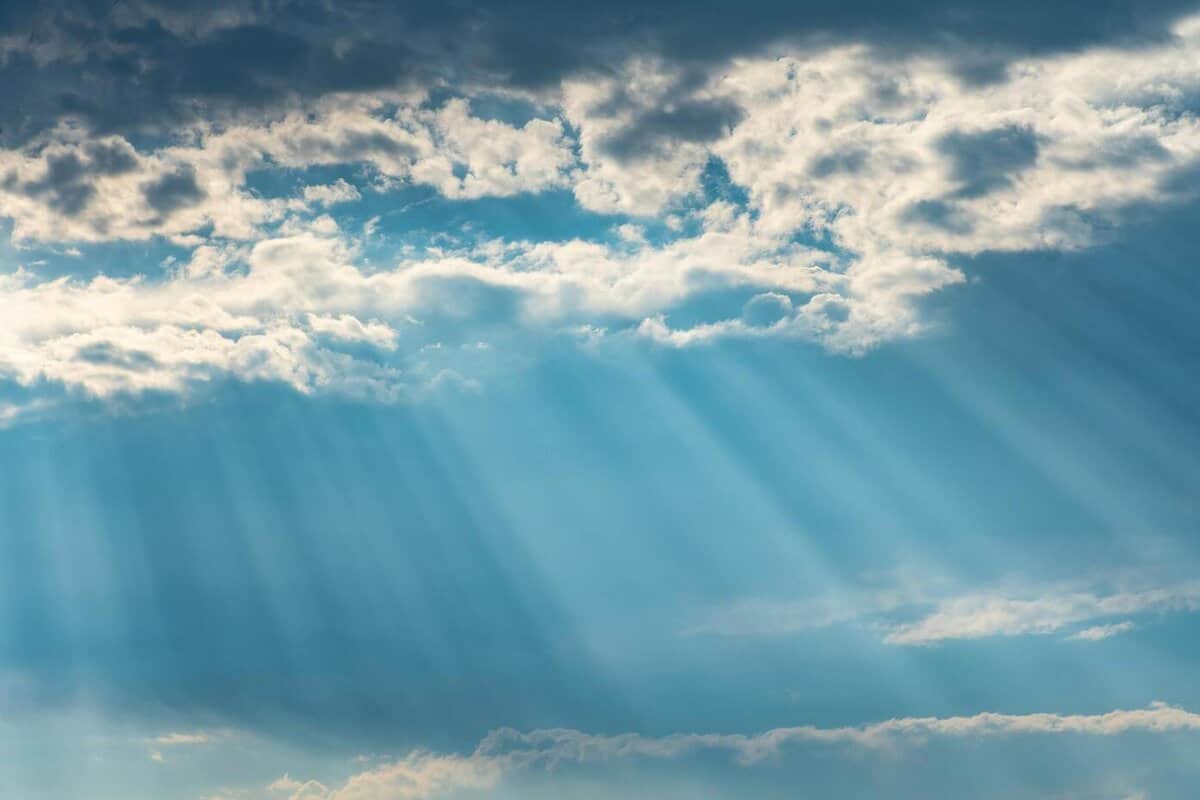
Across civilizations, the solstice has been celebrated as the day the sun fights back against the long, cold night.
The Romans honored the Sol Invictus, the undefeated Sun god, marking the day with feasts and rituals celebrating the triumph of light and life.
The Norse burned a great Yule log, believing that it would bring warmth and protection through the dark months ahead.
The Slavs also burned an oak log, lit massive fires, and made special breads for the solstice, which they called “Koledo.”
These traditions show a universal truth: no matter where in the world, humans instinctively knew that after the longest night, brighter days are coming.
It’s a celebration of hope, and the eternal dance between darkness and light.
2. Yule Log and Fortune Telling
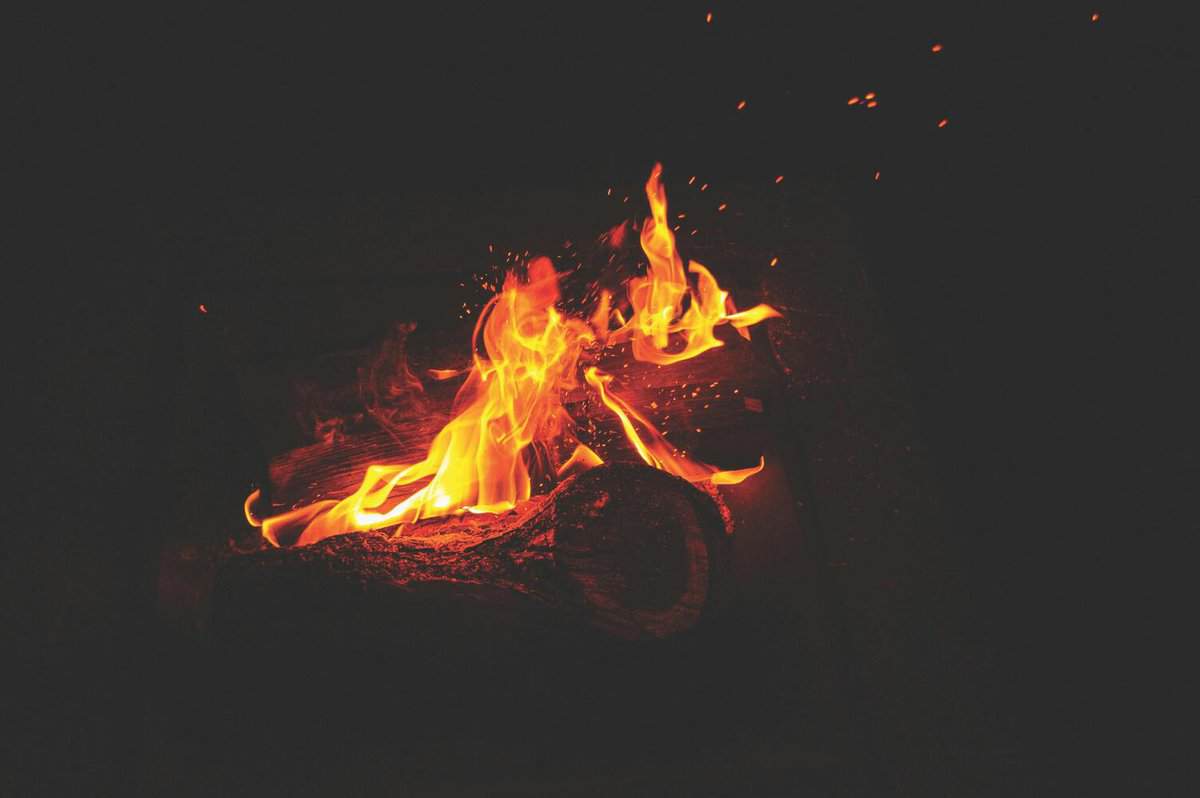
In many parts of Europe, burning the Yule log is an ancient ritual that still holds up today.
The log, often anointed with wine, honey, or salt, is decorated with gifts and set on fire.
As it crackles, families watch for omens in its sparks – how many fly up, how they dance, or how long they dance – each sign a whisper of what’s to come.
Sometimes, people count sparks or note their colors, believing they hold secrets about fortune or love.
The ashes and remnants are kept for luck, and some even believe the way the log burns can foretell the coming season.
3. Candles in the Window
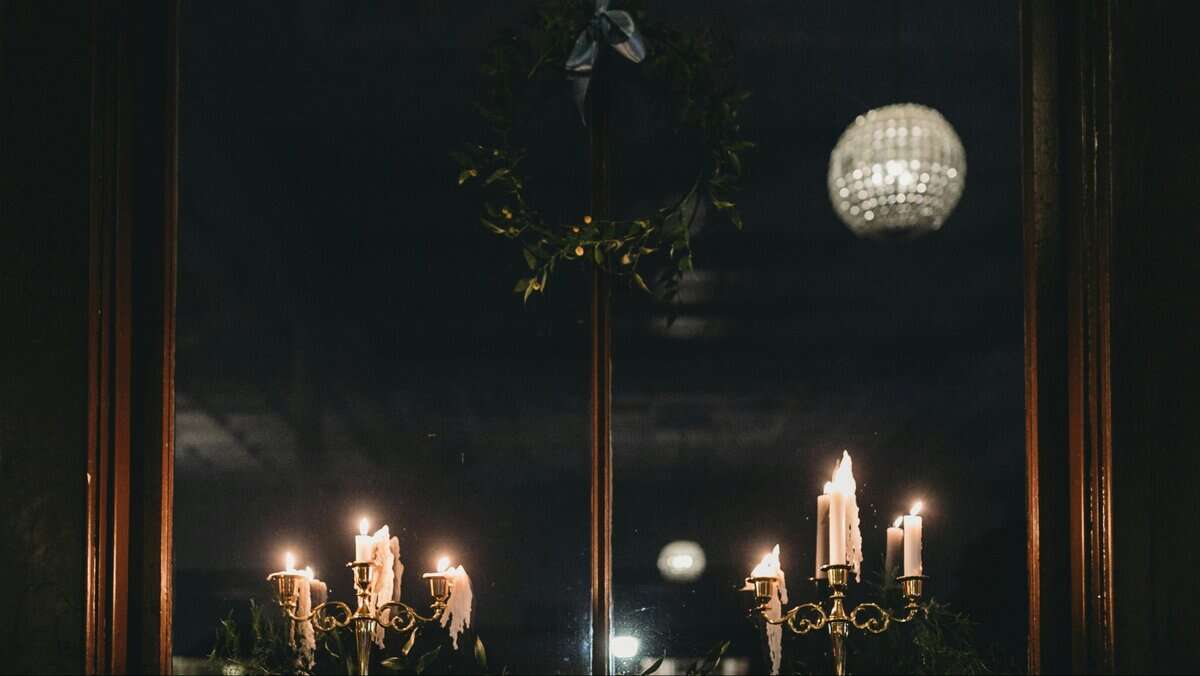
On solstice night, the veil between the living and spirits is thinnest.
Lights on your windows aren’t only decorative; they’re an invitation. People used to place candles – like we now place string lights – on their windows to attract ancestral spirits.
These lights were believed to ensure that only the kind spirits enter the home.
In the Alps, for instance, people light candles during Rauchnächte (The 12 Nights), because spirits roam freely during this period.
The flame is a symbol of remembrance and a sign of respect.
Putting up lights or lighting candles is a simple act that connects us to those who came before, reminding us that they’re never truly gone.
4. The Celtic Battle of Kings
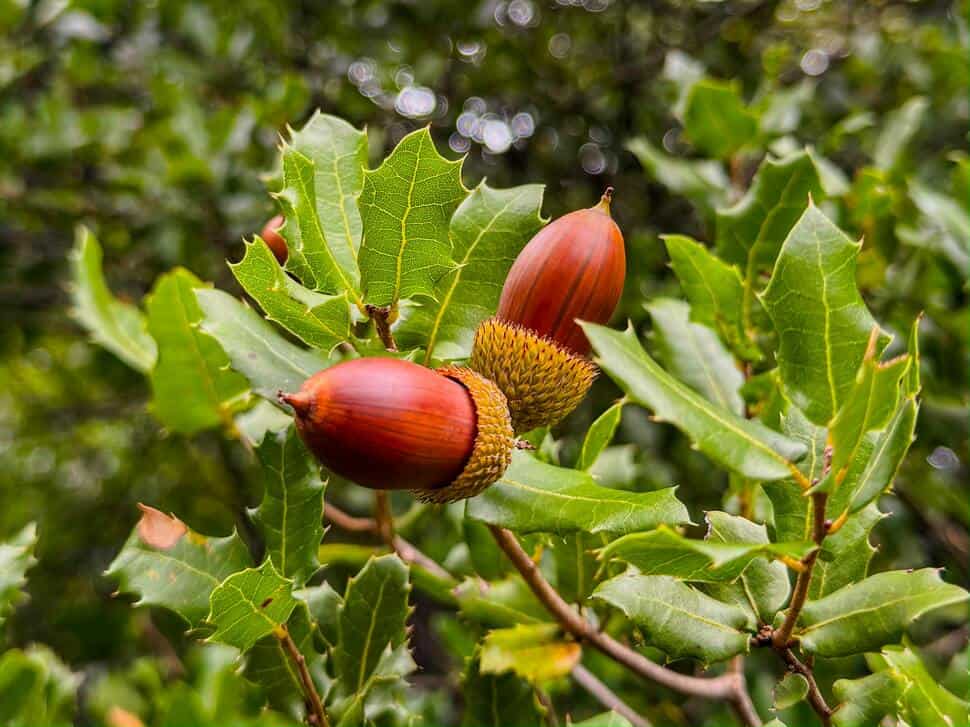
In Celtic lore, the winter solstice is a fierce battle between two kings – one ruling the dark half of the year, the other the light.
En Holly King, who embodies winter and darkness, fights the Oak King, the symbol of spring and growth.
On solstice night, the Oak King wins, and the light slowly starts to return.
It’s a cosmic battle, played out in myth and nature, and it’s why we still revere the oak tree and decorate our homes with holly on Christmas.
The Holly King symbolizes hope and renewal, because a new beginning and new light come from his darkness.
5. Animals Speak at Midnight
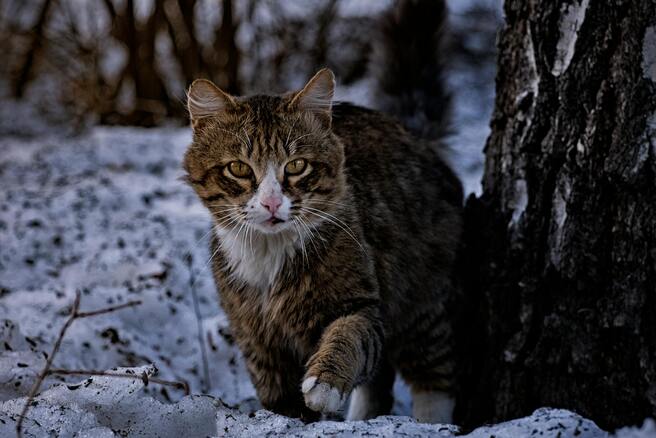
Old tales say that, on solstice night, at midnight, animals could speak in human language.
However, this gift of speech is strictly taboo, and if you try to eavesdrop, you risk curses or misfortune!
It’s believed that animals are sharing sacred knowledge from spirits or ancestors at this time, and it’s not for us to hear.
This ties into the belief that it’s not good for us to know our future, since we might learn something we’d rather not know.
Still, the idea of animals whispering in the dark makes the solstice feel alive with old magic!
6. Dreams Carry Messages
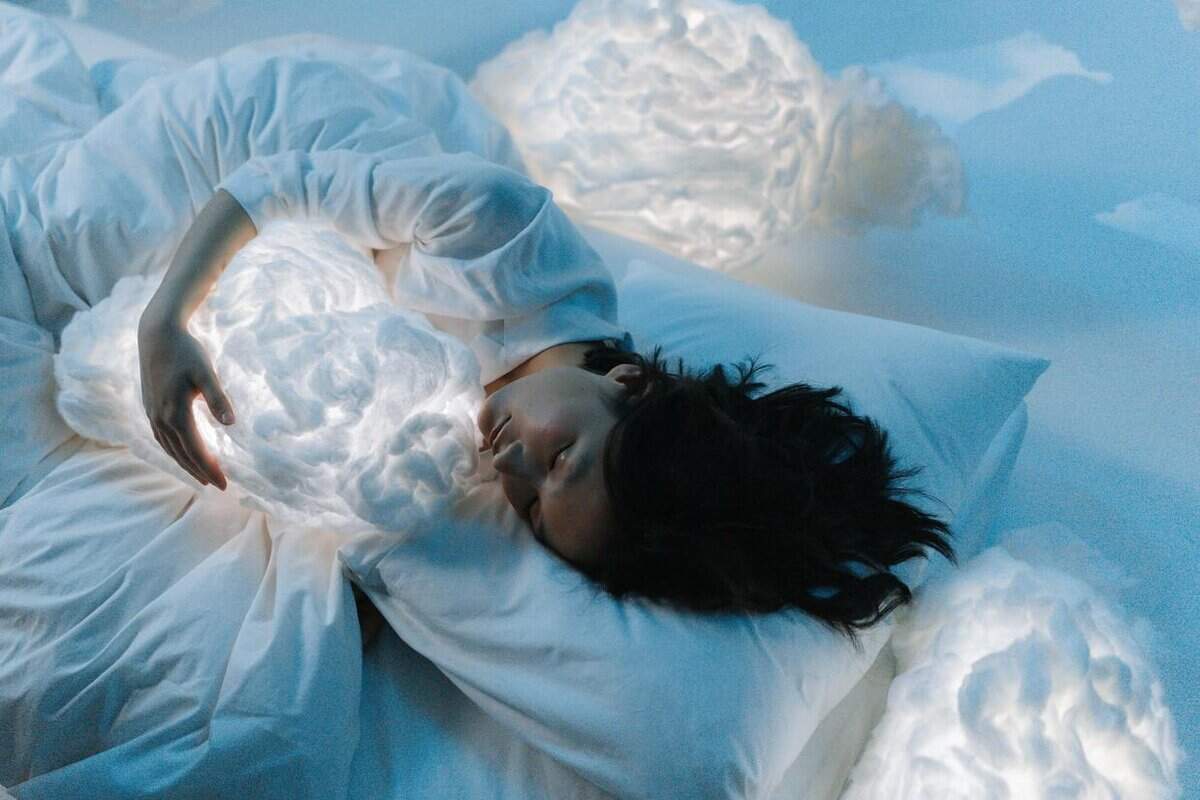
The night of the winter solstice is thought to be a portal for divine messages, especially through dreams.
It was believed that gods or spirits sent important messages in sleep, such as visions that could give us guidance or prophecies.
In the past, people used to brew herbal teas or drink special infusions to make their dreams more vivid.
It was important to pay close attention to all the things they encountered in their sleep because everything could be a símbolo – an animal, a number, or a plant.
On the night of the solstice, dreams are more than your subconscious. They’re mystic messages from the beyond and a gift of wisdom to take into the next year.

A little Aquarius, devoted to writing and embroidery. Through my writing, I hope to empower readers to align with their true selves and navigate life’s mysteries with confidence.