
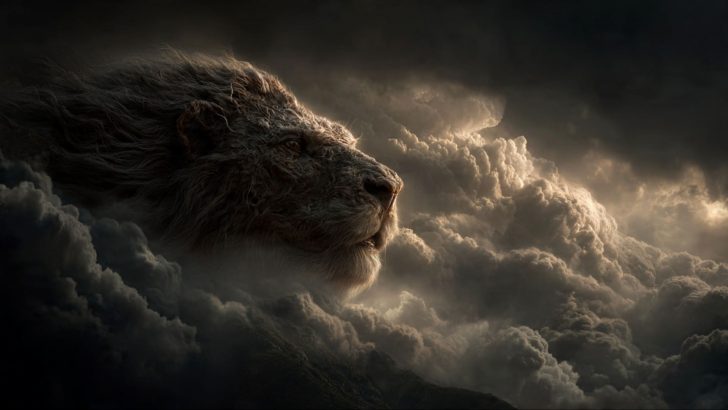
Gnostic tradition paints a different picture of the biblical God, one where the creator of our physical world isn’t the benevolent figure we often think of.
Instead, he’s a blind, malevolent deity called Yaldabaoth. He’s a symbol of ignorance, pride, and the illusion of authority.
Understanding Yaldabaoth means asking difficult questions about the very foundation of what we call divine.
1. The Origins of Yaldabaoth
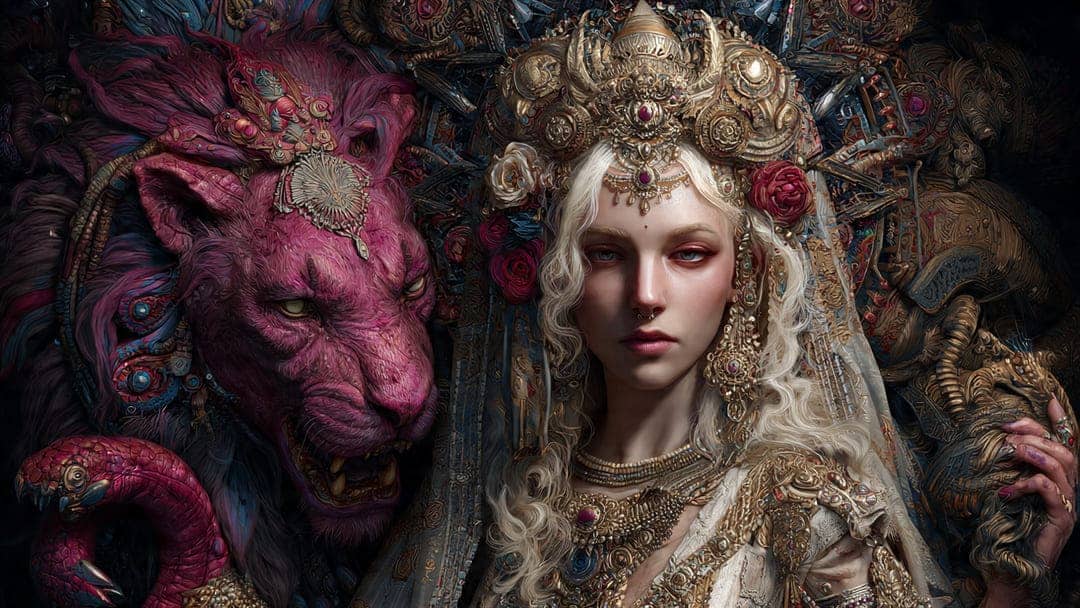
The idea of Yaldabaoth goes all the way back to ancient Egyptian influences, where he’s often linked to chaotic gods like Set or the Greek giant Typhon.
In gnostic art and texts, he’s depicted as a lion-faced serpent, an embodiment of hubris and ignorance.
His appearance is meant to awaken fear and awe, and he’s seen as a false creator who believes himself to be the ultimate divine authority.
This is a mirror of chaos that comes from a flawed understanding of power.
Yaldabaoth’s origins come from mythologies that predate Gnosticism; however, many suspect that his connection to Yahweh is a gnostic invention from the 1st or 2nd century AD.
2. The Gnostic Cosmogony
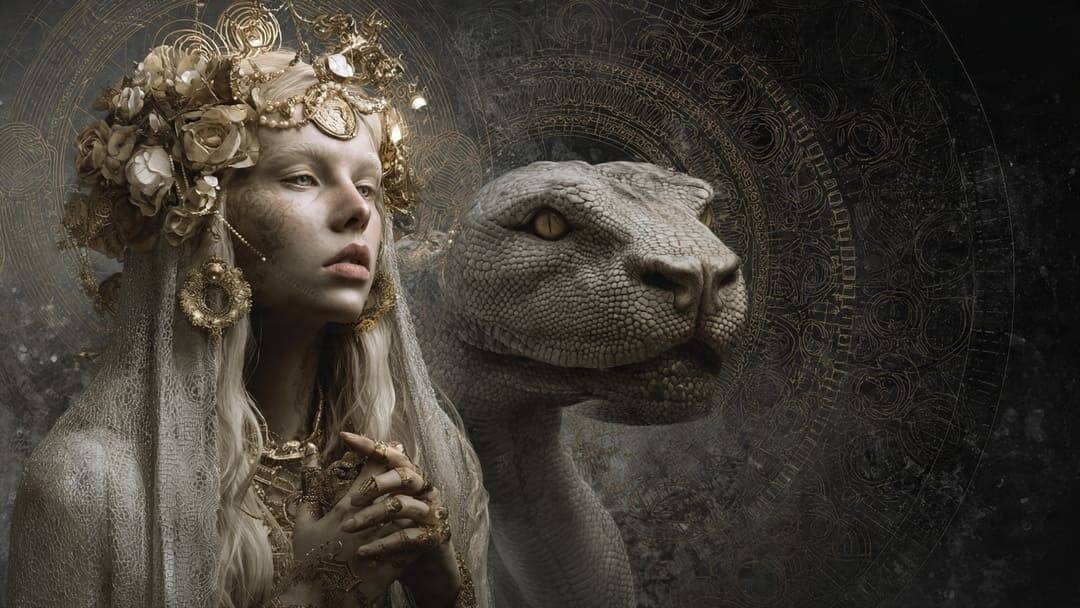
In gnostic stories, the universe begins with Sophia (wisdom). She goes on to create Yaldabaoth without getting the approval from other divine beings, and it goes terribly wrong.
Filled with pride and ignorance, he claims to be the only true god.
Sophia, realizing her mistake, hides him out of shame, and he crafts the material world.
This sets off the creation of a universe built on illusion and suffering, where humanity is trapped in a flawed physical existence.
This supports the religious idea that the material realm is a prison, a shadow of the divine realm.
Yaldabaoth’s creation is seen as a reflection of our own arrogance, as he, a demiurge, sees himself as the ultimate god.
3. Yaldabaoth and Authority
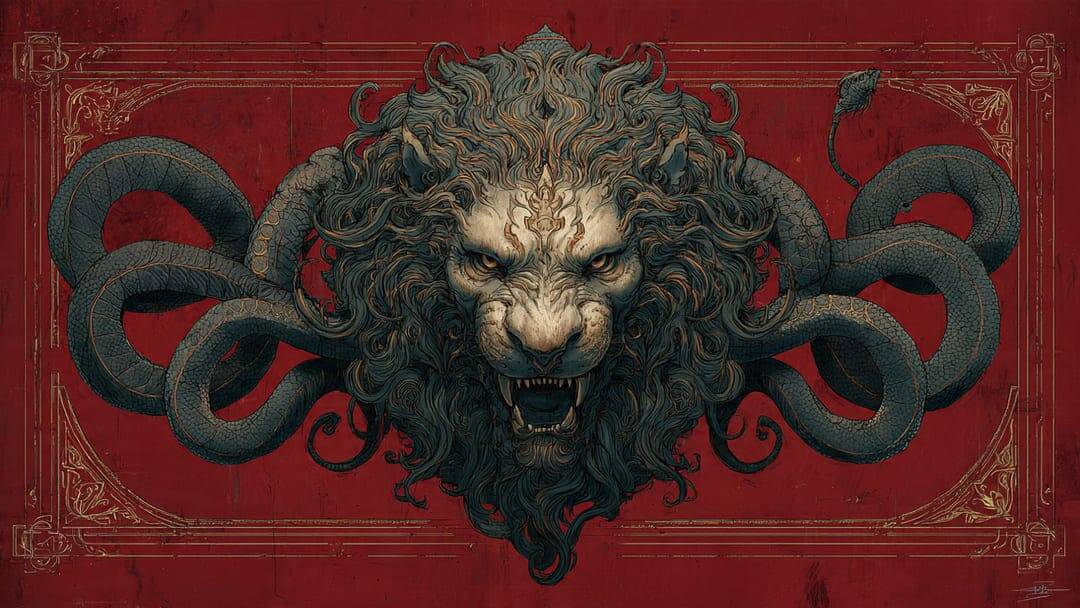
Yaldabaoth’s role in gnostic myth highlights the dangers of unreasonable pride. He reflects out own flaws; he holds on to authority out of fear, not divine truth.
Here comes the most controversial part: According to Gnostics, the God of the Old Testament is Yaldabaoth in disguise.
He’s a tyrant who demands blind obedience and enforces ignorance. He claims to be the only true divine being, but he’s only a usurper.
His authority is built on deception, and his followers are kept in spiritual darkness, unaware of the true divine light that exists beyond his domain.
4. The Connection to Yahweh
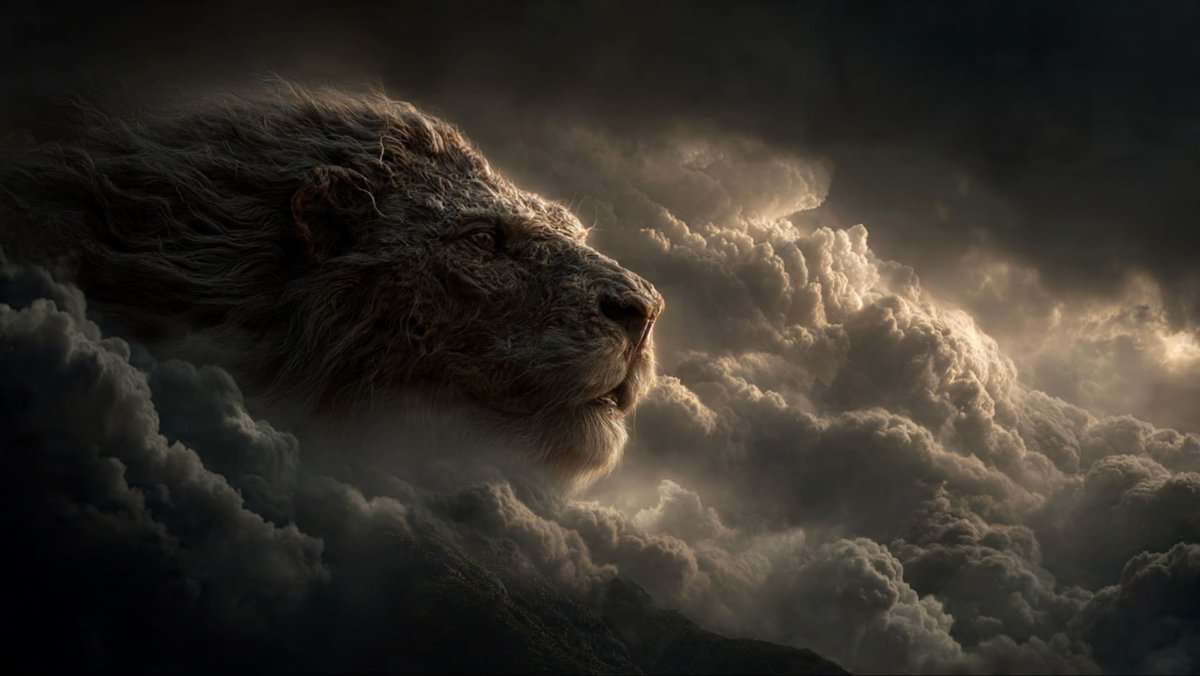
Most gnostic sects present Yahweh as a false deity, a demiurge, in an attempt to reframe el biblical narrative.
Like Yahweh, Yaldabaoth believed himself to be the only deity, demanding unquestioning obedience from humanity.
The biblical Yahweh is depicted as a jealous, wrathful figure, and these traits align with Yaldabaoth’s arrogant nature.
This connection suggests that the God of the Old Testament is a flawed being, a demiurge who claims divine authority out of hubris.
It’s a perspective that radically affects our interpretation of scripture, and even questions monotheism.
Gnostic cosmogony includes Sophia and numerous other divine beings, while Yaldabaoth falsely claims to be the only one.
This ties back to the fact that Yahweh was originally a storm deity of a polytheistic pantheon, and only later became the one God.
5. The Evolution of God’s Image

Archeologists and biblical scholars support the idea that Yahweh wasn’t always the sole god of Israel.
Originally, he was likely a regional deity worshipped alongside Baal and Asherah.
Over time, Yahweh absorbed characteristic of these deities, transforming from a divine warrior into the national god of Israel.
This evolution reflects a move toward monotheism, but also exposes the polytheistic roots of the tradition.
The story of Yahweh shows a divine figure claiming exclusive authority, which some interpret as an echo of Yaldabaoth’s hubris.
6. Gnosis and the Path to Liberation
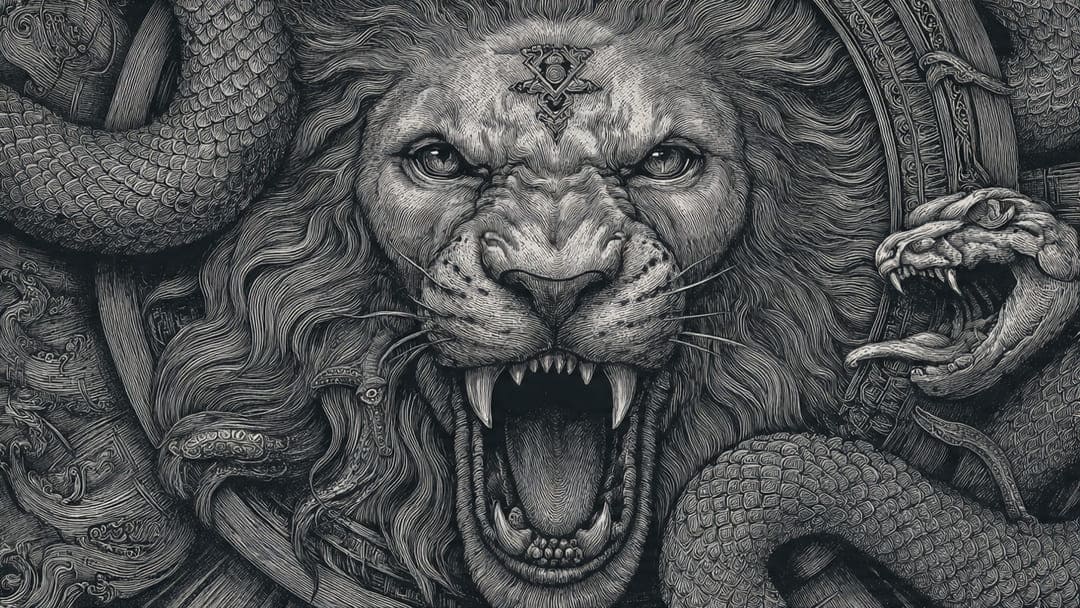
For Gnostics, the key to escaping Yaldabaoth’s illusion isn’t obedience, but knowledge (gnosis).
This spiritual awakening involves recognizing the higher divine realm beyond the physical prison.
Figures like Christ are seen as messengers who illuminate the path out of darkness, helping humans realize their divine spark.
Gnosis is a transformative experience that awakens the soul to its true nature.
Liberation comes from understanding and knowledge, the very things Yaldabaoth doesn’t want from us.
Gnostics relate this deception to the Tree of the Knowledge of Good and Evil that Yahweh forbade Adam and Eve to eat from.
7. The Reflection of Human Pride
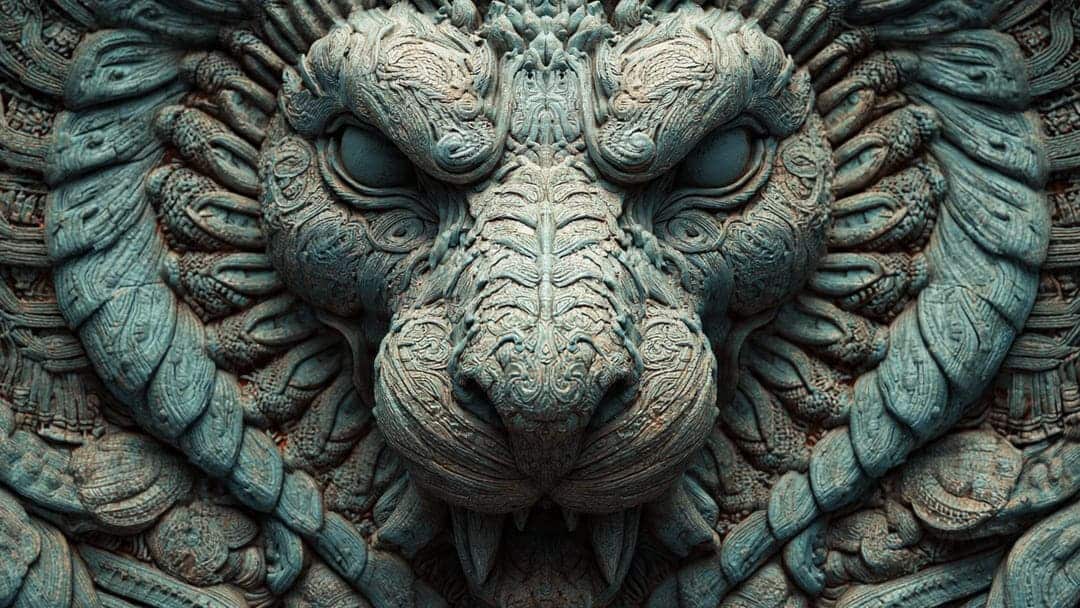
Yaldabaoth isn’t merely a mythic villain; he’s a reflection of our worst flaws – arrogance and desire for control.
His hubris parallels our own tendencies to believe in our limited understanding of reality as though it’s the only truth.
Yaldabaoth’s fear of losing power keeps him blind to the higher truths.
In this way, the false god symbolizes the ego that refuses to see beyond its own illusions, trapping us in spiritual blindness.
The real enemy is the internal falsehood and pride that don’t let us evolve.
8. The Hidden God
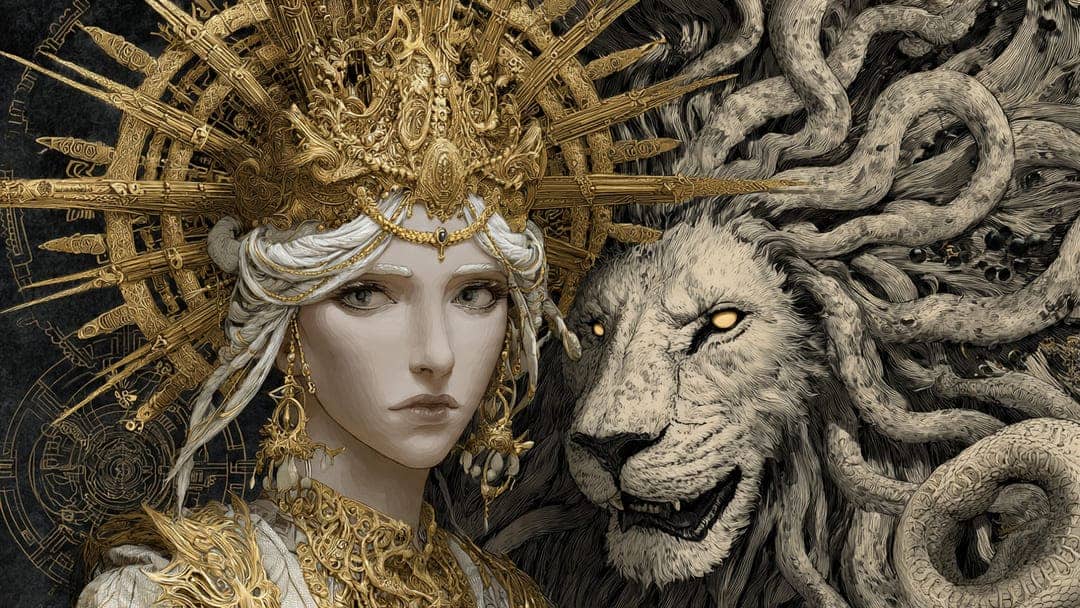
To Gnostics, Yaldabaoth represents the hidden god many have been unknowingly worshipping. His illusion of divine authority keeps us prisoners of the material world.
This view invites us all to question the nature of divine authority and seek its wisdom.
Gnostics ask a very uncomfortable question: Would the real god want us to remain ignorant? What does he gain from keeping knowledge from us?
Their idea flips the story of the benevolent creator on its head and gives an upsetting interpretation of unconditional obedience.
According to them, we’ll have liberation once we reconnect with the divine source beyond the demiurge’s dominion.

A little Aquarius, devoted to writing and embroidery. Through my writing, I hope to empower readers to align with their true selves and navigate life’s mysteries with confidence.