
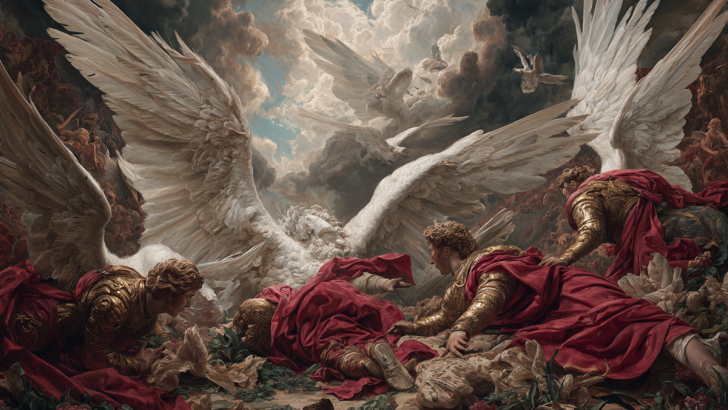
The story of fallen angels is basically the ultimate cosmic fallout—think workplace rebellion, but with eternal consequences and significantly more fire. Across biblical and theological traditions, these beings weren’t just mildly disobedient; they staged a full-scale revolt against divine authority. And unlike humans—who get chances, second chances, and “okay, but really try this time” chances—fallen angels didn’t exactly get a redemption arc.
Why? The reasons are a mix of theology, philosophy, and the uncomfortable realization that some mistakes are… less “oops” and more “you absolutely knew better.” Here are ten funny-yet-accurate reasons often cited for why forgiveness wasn’t on the table.
1. They Knew Exactly What They Were Doing
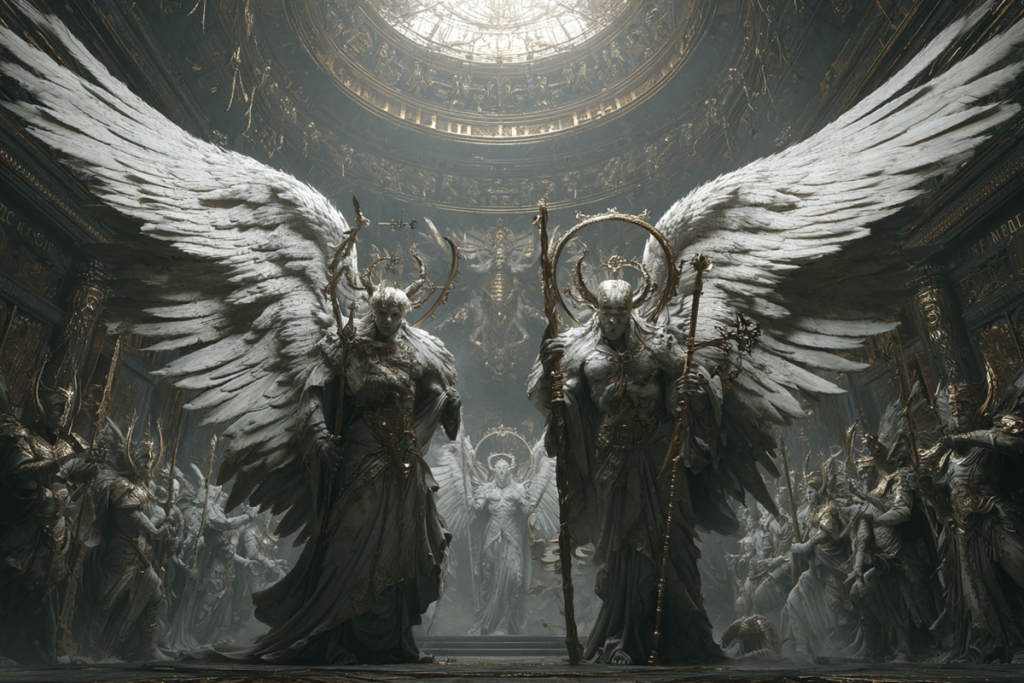
Unlike humans, who are out here making questionable decisions based on vibes, stress, and poor sleep, angels are traditionally understood to have clear, direct knowledge of God. No confusion, no ambiguity, no “I misunderstood the assignment.”
So when they rebelled, it wasn’t a moment of weakness or a bad day—it was a fully informed, deliberate choice. The theological argument goes: it’s one thing to mess up when you’re uncertain; it’s another to knowingly reject absolute truth. That’s less “mistake” and more “bold strategic decision with consequences.” Unfortunately for them, there’s no appeal process for that level of certainty.
2. Pride Was the Main Character
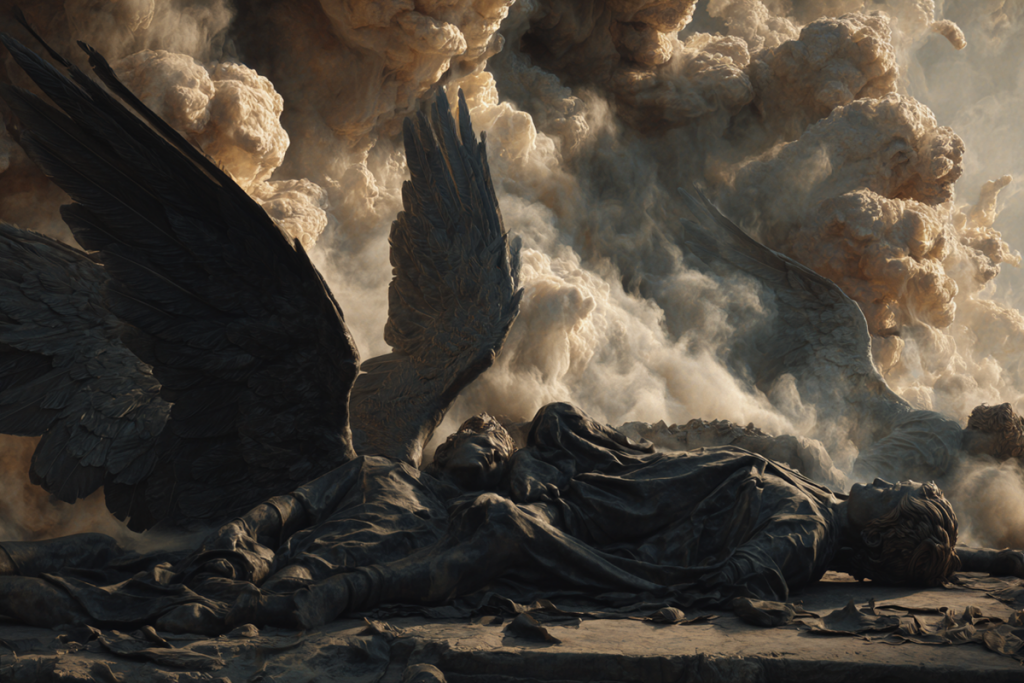
If fallen angels had a personality trait, it would be pride—loud, dramatic, and absolutely unwilling to back down. The rebellion is often framed as a refusal to accept divine authority, fueled by the belief that they deserved better (or at least equal billing).
And pride, in theological terms, isn’t just a flaw—it’s その flaw. It’s the root of other sins, the thing that says, “I know better,” even when… you very much do not. Forgiveness requires humility, and humility was not exactly trending among the fallen crowd. It’s hard to be forgiven when you’re still convinced you were right.
3. No Repentance, No Redemption

Forgiveness typically requires some version of repentance—acknowledging wrongdoing, feeling remorse, and wanting to change. Fallen angels? Not exactly lining up for that.
Traditionally, their rebellion is seen as a fixed state, not a temporary lapse. They didn’t go, “Wow, that was a bad call.” They doubled down. Eternally. It’s like arguing with someone who refuses to admit they’re wrong, except the argument lasts forever. Without repentance, forgiveness doesn’t really have anywhere to land.
4. Their Nature Doesn’t “Evolve”

Humans grow, change, learn, and occasionally become better people after embarrassing themselves publicly. Angels, however, are often described as having a fixed nature.
This means their initial choice—whether to remain loyal or rebel—is permanent. There’s no character development arc, no redemption montage, no “I’ve really reflected on this.” Once they chose rebellion, that choice defined them permanently. It’s less like making a bad decision and more like locking in a setting you can’t undo.
5. They Rejected Their Purpose
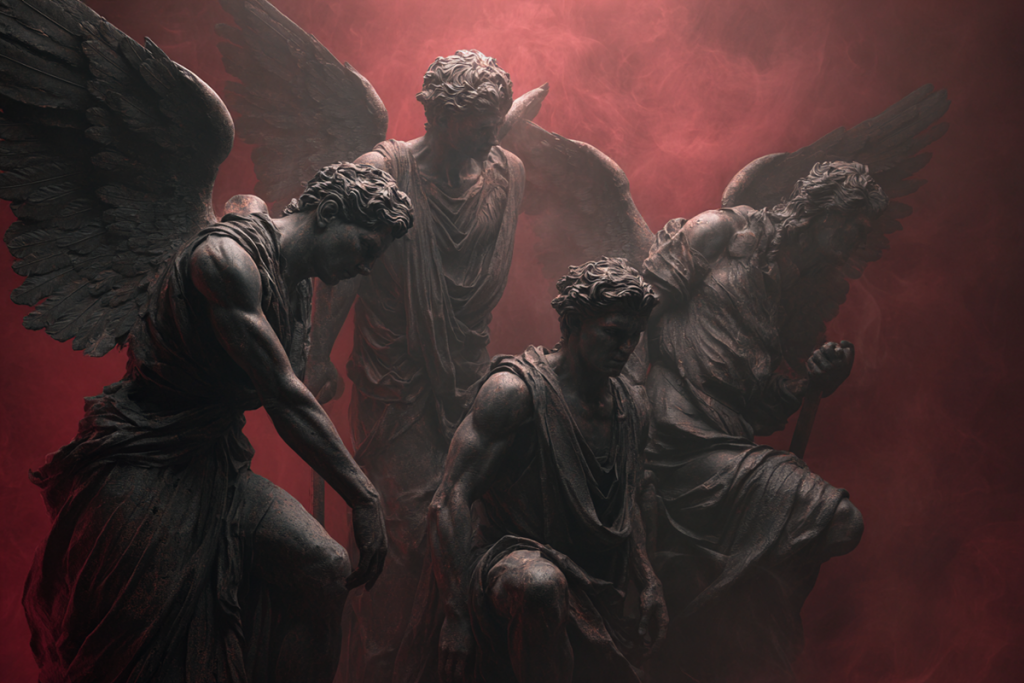
Angels, in traditional theology, were created with a specific role: to serve and align with divine will. The fallen ones essentially said, “Actually, no thanks.”
Rejecting your purpose is one thing. Rejecting it when your entire existence is built around it? That’s a bigger issue. It’s like being hired for a job and immediately trying to overthrow the company. Not exactly the kind of behavior that earns a second chance—or a positive performance review.
6. The Rebellion Was Collective—and Serious
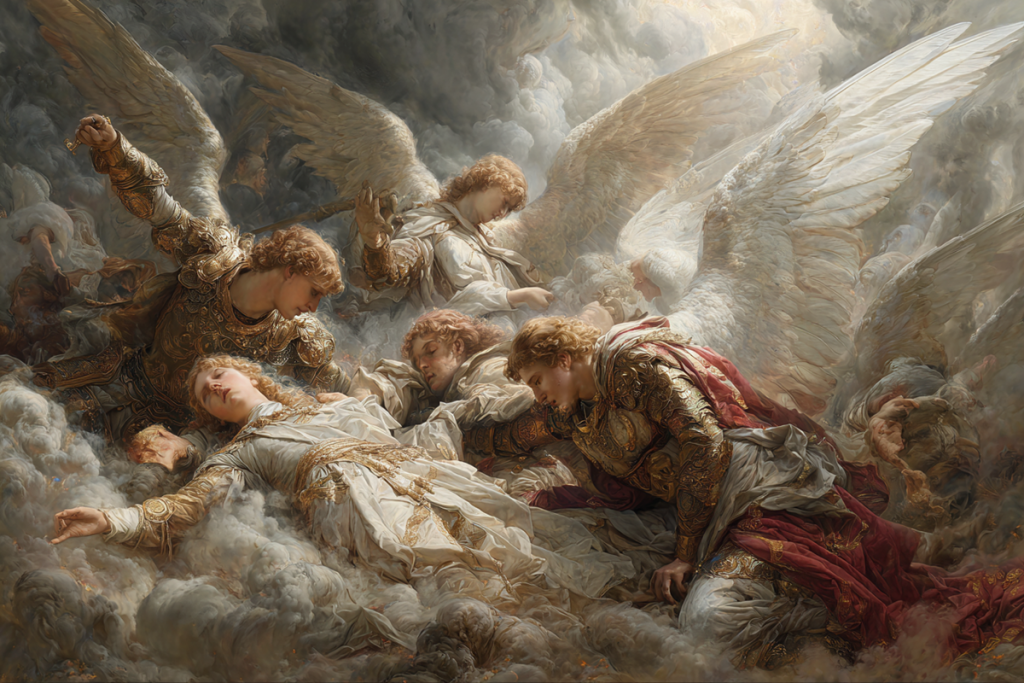
This wasn’t one angel having a minor existential crisis. It was a large-scale rebellion involving multiple beings, often described as a cosmic conflict.
When something is that organized and intentional, it’s harder to frame it as a misunderstanding. It’s not “I slipped up,” it’s “we planned this.” The scale and coordination make it less forgivable in traditional interpretations—because it shows commitment, just unfortunately to the wrong cause.
7. Justice Still Has a Say
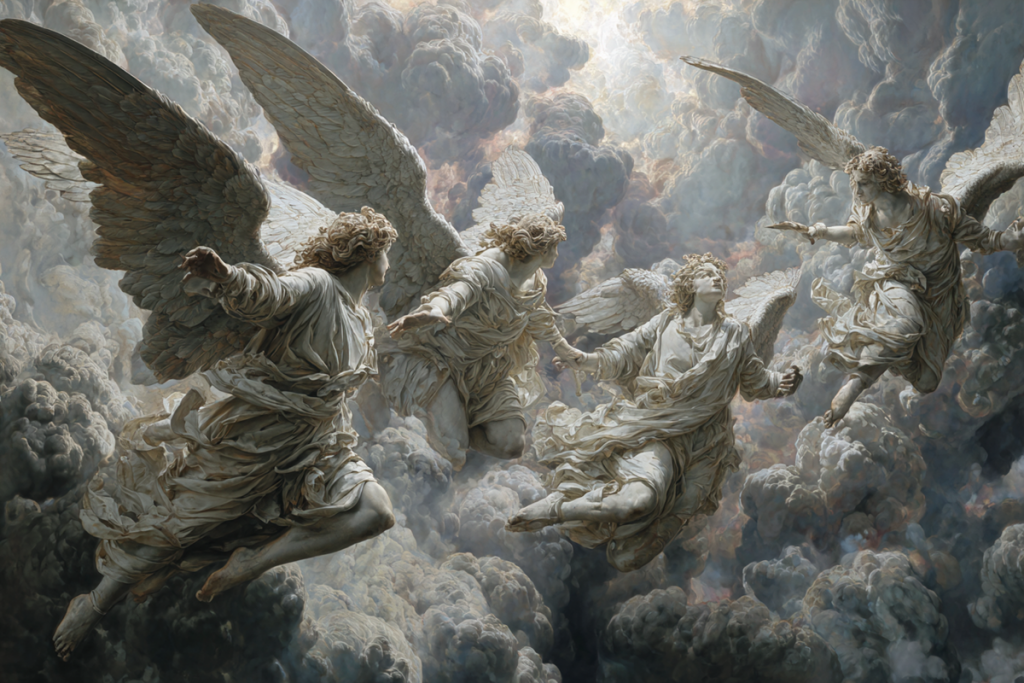
The idea of divine justice plays a big role here. Forgiveness isn’t just about mercy; it also has to coexist with justice.
In many theological views, the consequences faced by fallen angels reflect a balance—actions have outcomes, even on a cosmic level. If beings with full knowledge could rebel without consequence, it would raise some serious questions about fairness in the universe. So, while mercy exists, justice still gets its moment.
8. Humans Got a Different Deal

It might seem unfair at first—humans mess up constantly and still get offered forgiveness, while fallen angels do not. But the reasoning often comes down to differences in nature and knowledge.
Humans are limited, learning, and frequently confused (case in point: most of history). Angels weren’t. So the standards—and consequences—are different. Think of it as grading on a curve, except the angels were expected to ace the test… and then tried to rewrite the exam instead.
9. Free Will Comes With Real Stakes
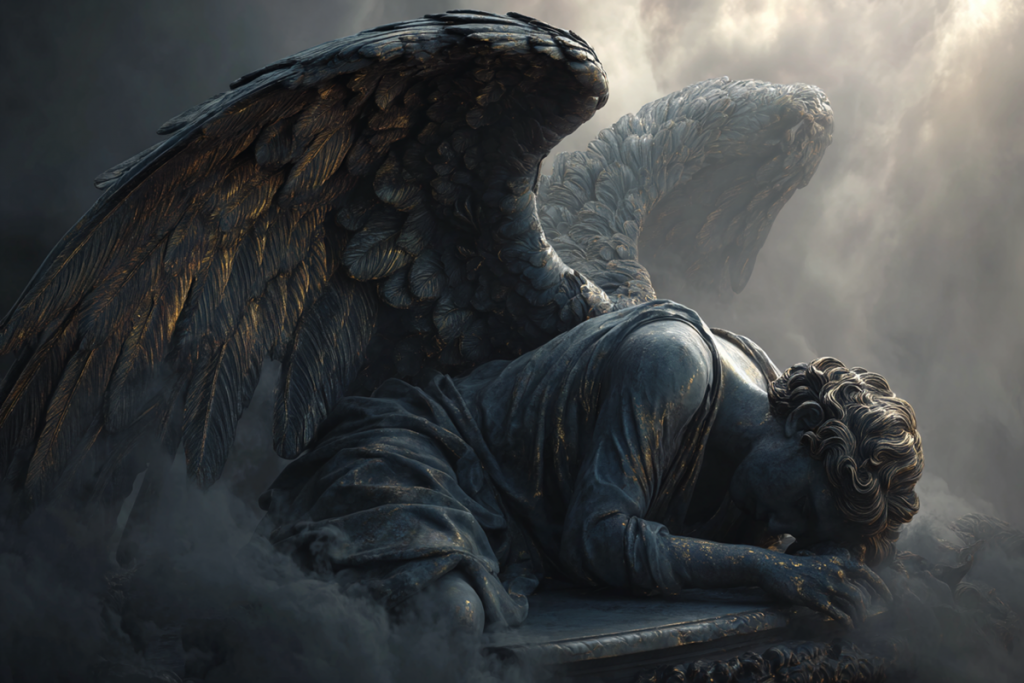
Both humans and angels are often said to have free will, but the angelic version comes with… fewer safety nets.
Their choice to rebel is seen as a full exercise of that freedom, with permanent consequences. It’s the ultimate “you made your choice” situation. Free will sounds great until you realize it includes the possibility of making a decision so final there’s no undo button.
10. It’s a Lesson, Not Just a Story

Beyond theology, the story of fallen angels serves as a cautionary tale. It’s less about punishment for its own sake and more about illustrating the consequences of pride, rebellion, and refusing to change.
In that sense, their lack of forgiveness becomes part of the lesson. It highlights the importance of humility, growth, and, occasionally, admitting you were wrong before things spiral out of control. Because while humans may get second chances, the story gently suggests: don’t push your luck too far.

Lover of good music, reading, astrology and making memories with friends and spreading positive vibes! 🎶✨I aim to inspire others to find meaning and purpose through a deeper understanding of the universe’s energies.