
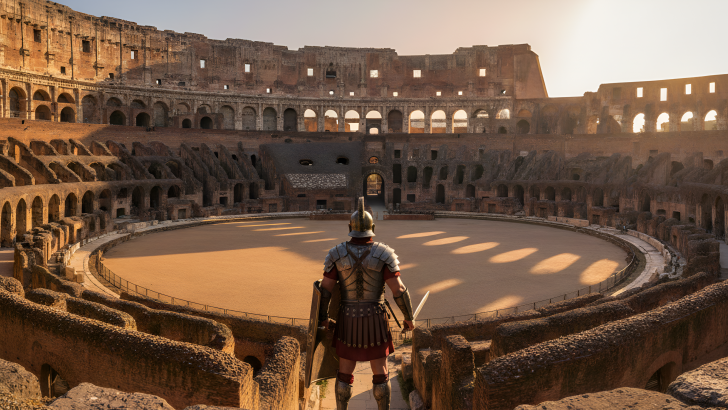
Gladiators are some of the most famous figures of Ancient Rome. They fought in arenas for public entertainment, often risking their lives for the approval of the crowd.
Movies and stories usually portray them as fearless warriors battling to the death, but the reality of gladiatorial life was far more complex.
Gladiators came from different backgrounds, had unique training, and followed strict rules both in and out of the arena.
Some became celebrities, while others were little more than slaves forced to fight. Their lives reveal fascinating details about Roman society, law, and culture.
These ten truths about gladiators shed light on their skill, courage, and the surprising ways they influenced history, showing that there is much more to them than the popular myths suggest.
1. Not All Gladiators Were Slaves
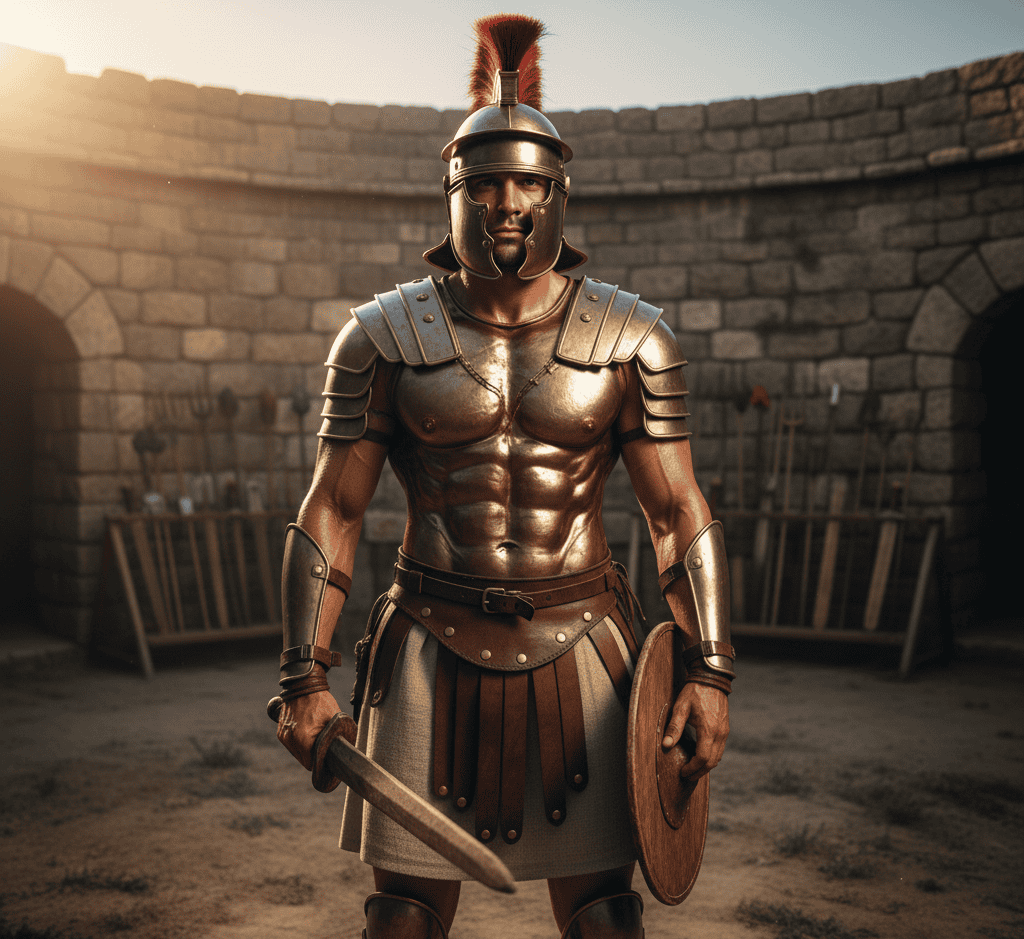
Many people think all gladiators were slaves, but this is not entirely true. While a significant number were captured in wars or sold into slavery, some volunteered to fight as a career.
These free men were known as auctorati and often sought fame, money, or social advancement.
Volunteers signed contracts with gladiator schools, agreeing to rigorous training and strict discipline.
They could earn considerable rewards if they performed well, sometimes rivaling the pay of skilled tradesmen.
This reality shows that gladiatorial combat was not only a punishment but also a profession. Fame and fortune were possible, though the risks remained extreme.
2. Gladiators Underwent Intense Training
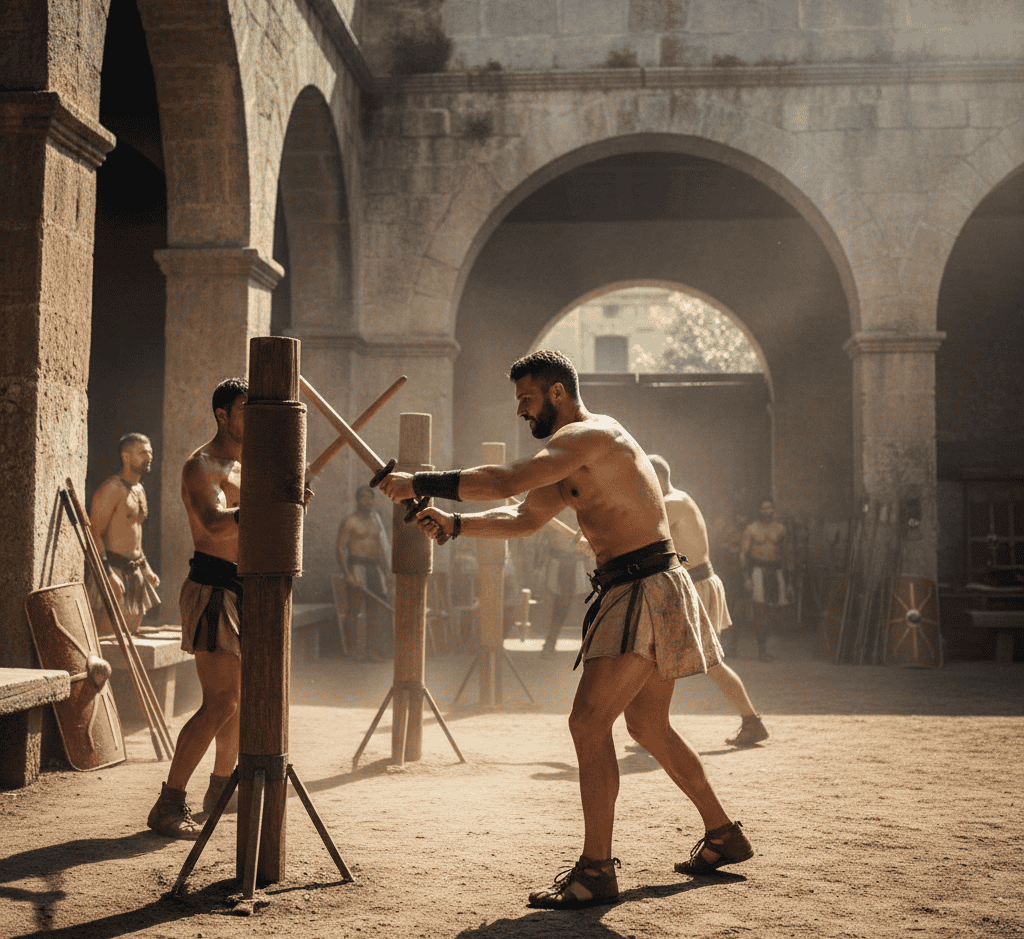
Training for gladiators was harsh and highly structured. They were sent to special schools called ludi, where instructors called lanistae oversaw their progress.
Training included mastering weapons, learning combat techniques, and building physical strength.
Gladiators practiced repeatedly in mock fights to develop strategy and endurance. Proper diet, exercise, and medical care were also emphasized to keep them in peak condition.
The dedication required shows that gladiators were not only fighters but also skilled athletes.
Their training was comparable to modern professional sports in intensity and discipline.
3. There Were Different Types of Gladiators
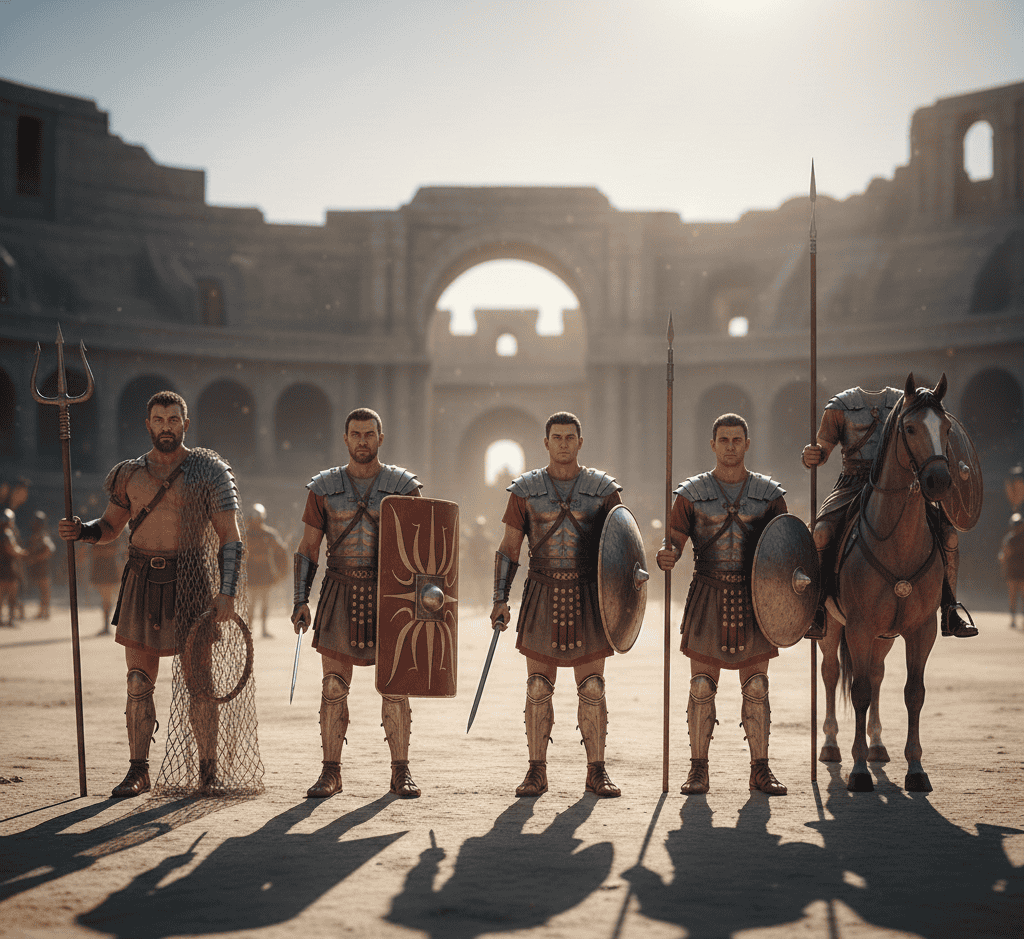
Gladiators were not all the same. Different classes, or types, specialized in particular weapons and fighting styles.
For example, murmillo gladiators used large shields and swords, while retiarii fought with nets and tridents. Thracians wielded curved swords and small shields.
This specialization added variety to the games and allowed for strategic matchups. Spectators could watch battles with contrasting styles, increasing entertainment and excitement.
The diversity of gladiator types shows how sophisticated Roman organizers were in creating dramatic and engaging spectacles.
4. Gladiators Could Become Celebrities
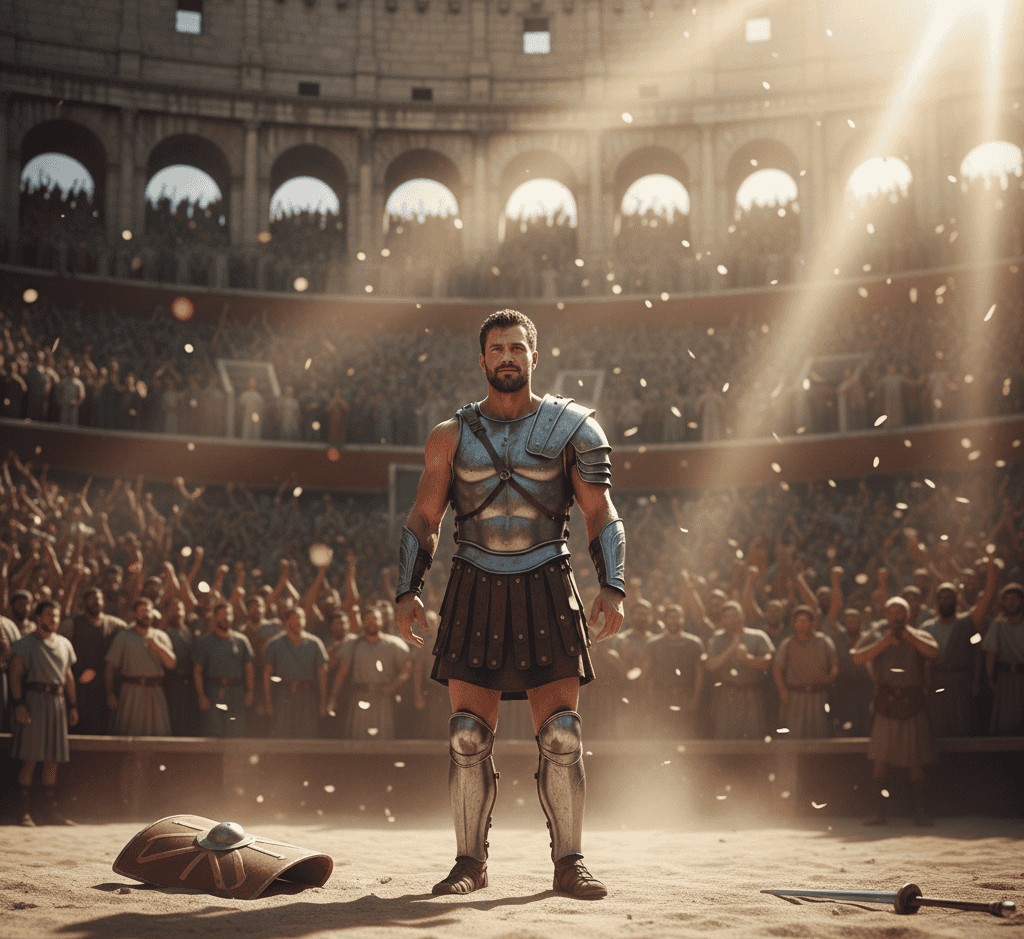
Successful gladiators often gained fame and admiration from the public. They could earn endorsements, prizes, and even freedom if they impressed the crowd and sponsors.
Some gladiators had fan followings similar to modern athletes. They received gifts, invitations to banquets, and recognition from high-ranking officials.
This celebrity status highlights how Roman society both celebrated and commodified combat.
Gladiators were admired for courage and skill, even as they remained under strict control.
5. The Life Expectancy of a Gladiator Was Short

Gladiators faced extreme danger in the arena, and their life expectancy was often lower than that of ordinary citizens.
Despite careful training and medical care, injuries and death were common.
Nevertheless, some gladiators survived for many years and fought in hundreds of matches.
The most skilled could avoid fatal blows through technique, experience, and luck.
The short life expectancy reflects the brutal reality behind the glamour of the games. Each fight carried real risk, making their courage and endurance all the more remarkable.
6. Gladiatorial Games Served Political Purposes
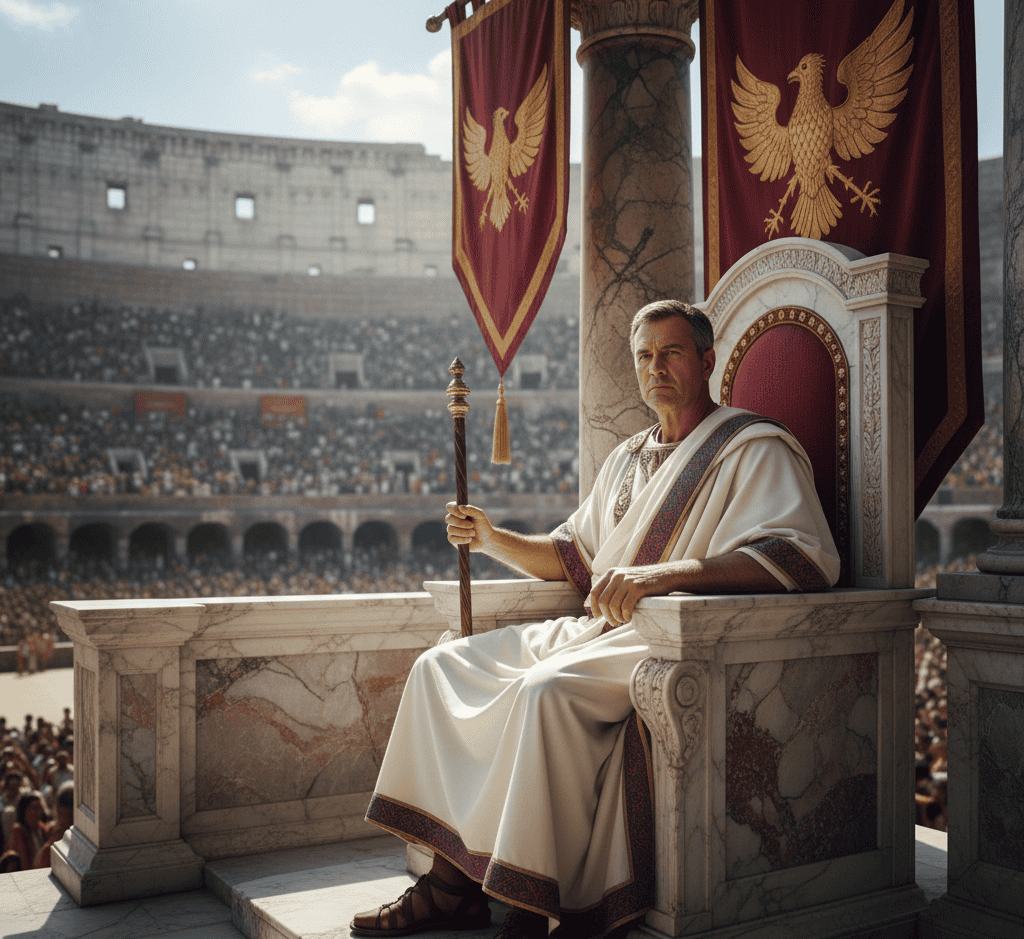
Gladiatorial games were not just entertainment. They were tools for political power.
Emperors and politicians sponsored games to gain favor with the public and distract from social problems.
Spectacular events could demonstrate wealth, reinforce authority, and encourage loyalty.
By giving the people thrilling spectacles, rulers secured their position and maintained social order.
These political dimensions show that gladiators were part of a larger system of control, not merely fighters in isolated contests.
7. Women Could Be Gladiators
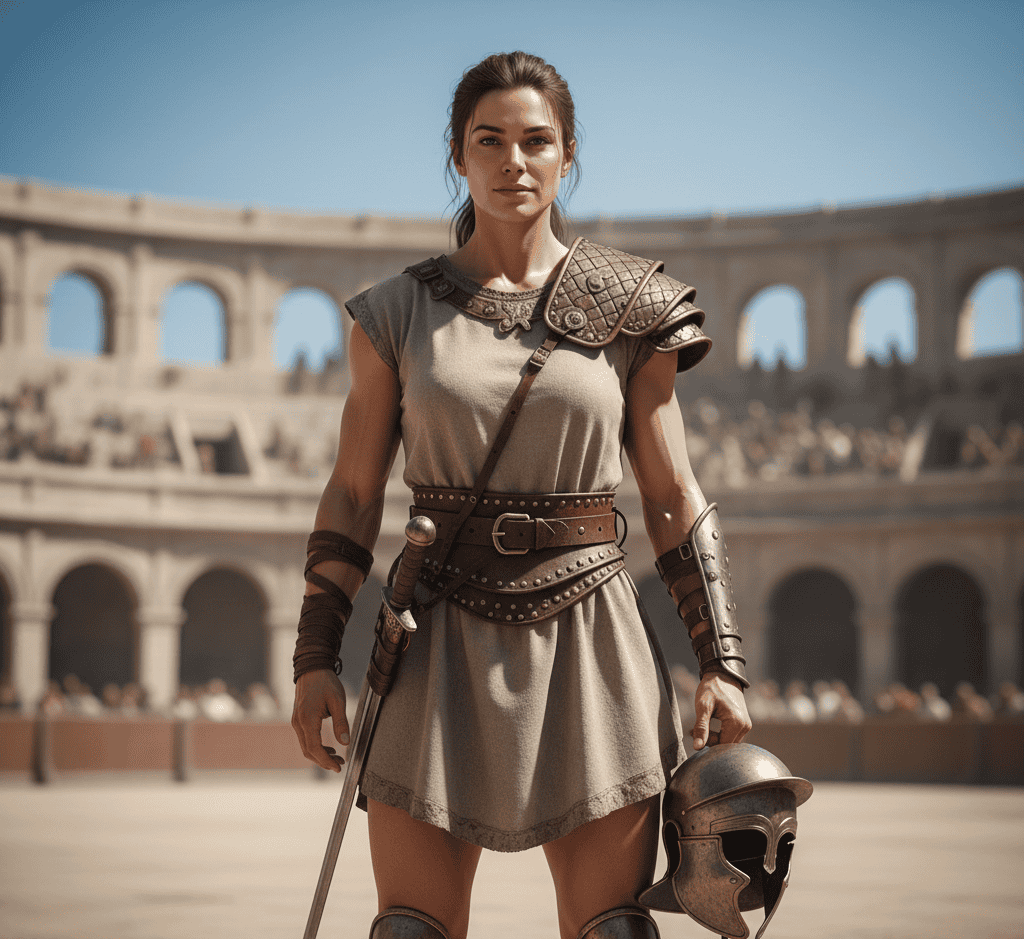
Although rare, some women became gladiators, known as gladiatrices. They trained and fought in public matches, often appearing as novelty or spectacle.
Their participation challenged traditional gender roles in Roman society.
Historical records and inscriptions suggest that female gladiators were admired but also treated as curiosities.
This fact reveals that Roman gladiatorial culture included surprising exceptions to social norms and demonstrates the broad appeal of arena combat.
8. Gladiators Had Specialized Diets
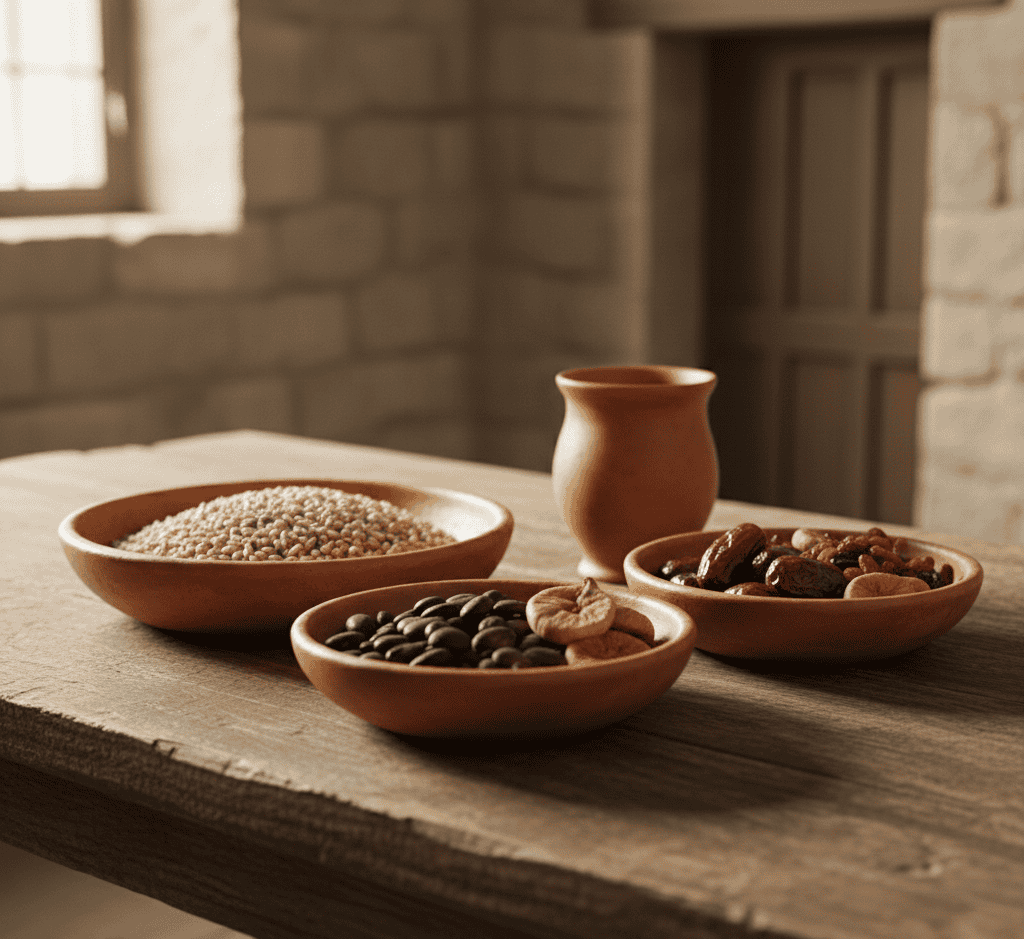
Gladiators followed diets designed to strengthen their bodies and maintain endurance.
They consumed a high-carbohydrate diet, including barley, beans, and dried fruits, earning them the nickname “barley men” in some records.
They also drank a drink made of ash and vinegar, thought to strengthen bones and aid recovery after fights.
Proper nutrition was critical to survive intense training and repeated matches.
This attention to diet shows that gladiators were managed with scientific care, reflecting how seriously their schools treated their athletes.
9. Gladiators Followed Strict Rules in Combat
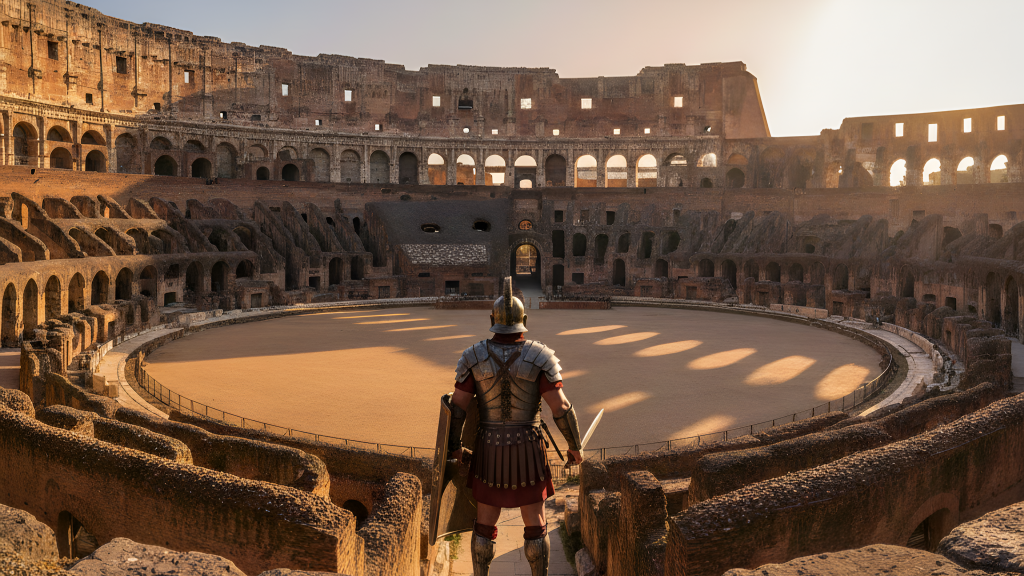
Combat in the arena was not entirely free-form. Gladiators fought under rules, and referees monitored matches to ensure fairness.
Weapons, armor, and fighting styles were regulated, and signals determined the outcome of a fight.
Matches could end in surrender, victory, or death, depending on the context and audience reaction. The referee ensured that contests were exciting but not chaotic.
These regulations demonstrate that gladiatorial games were carefully organized spectacles, not random acts of violence.
10. Gladiators Left a Lasting Legacy
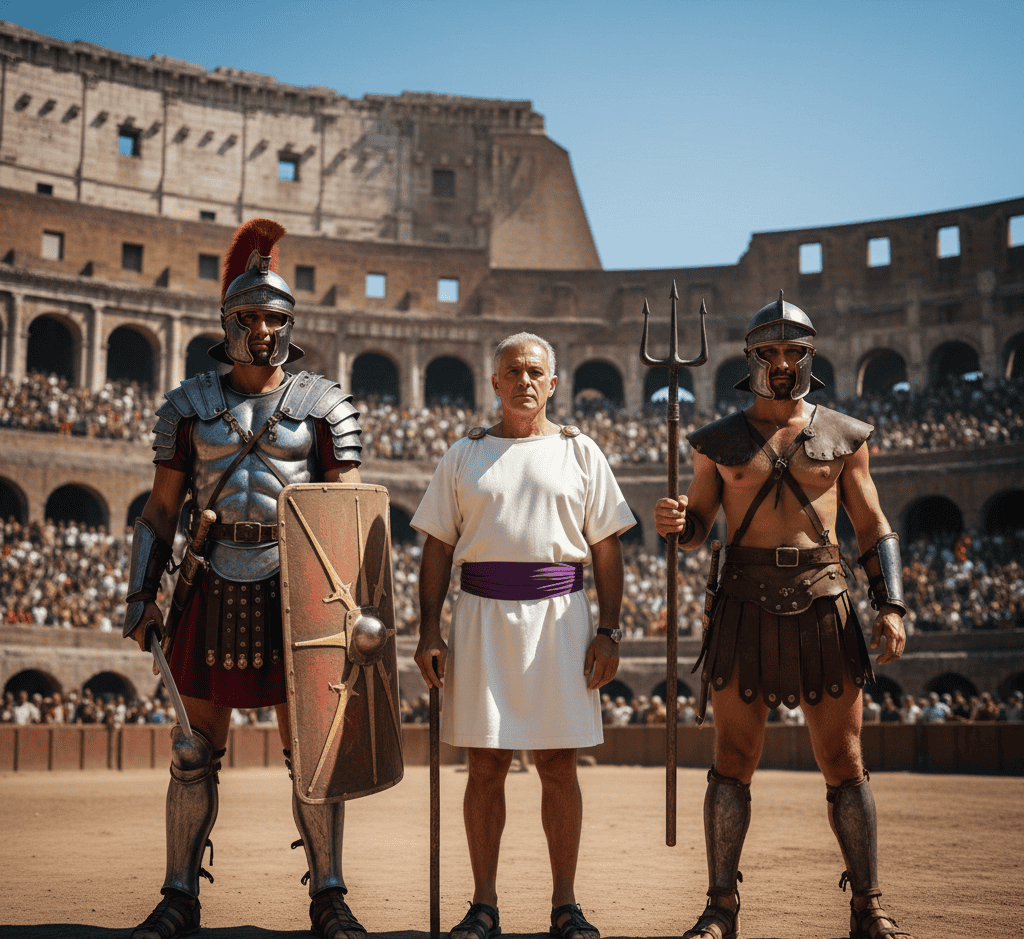
Even though gladiatorial games ended over a thousand years ago, their legacy persists.
Stories, art, and literature preserve the image of the gladiator as a symbol of courage, skill, and endurance.
Modern movies, sports, and even martial arts draw inspiration from gladiatorial combat.
The lessons of discipline, strategy, and resilience continue to captivate audiences worldwide.
Gladiators were more than fighters; they were cultural icons whose lives and struggles still fascinate people today.
Their influence endures far beyond the Roman arena. They’re a synonym for strength, fight, and courage.

私は生まれたときから、常に神との強いつながりを感じていた。作家として、また指導者として、私の使命は、人々が最も暗い時代に愛と幸福と内なる強さを見つけるのを助けることである。