
Full moons often trigger physical symptoms like sleep disturbances, increased tension, and changes in appetite before people become aware of their emotions.
Understanding the reasons for your body’s intense reaction can help lessen its intensity.
Here are the ten reasons full moons tend to affect your body more than your mind.
1. Your Sleep Cycle Becomes More Sensitive
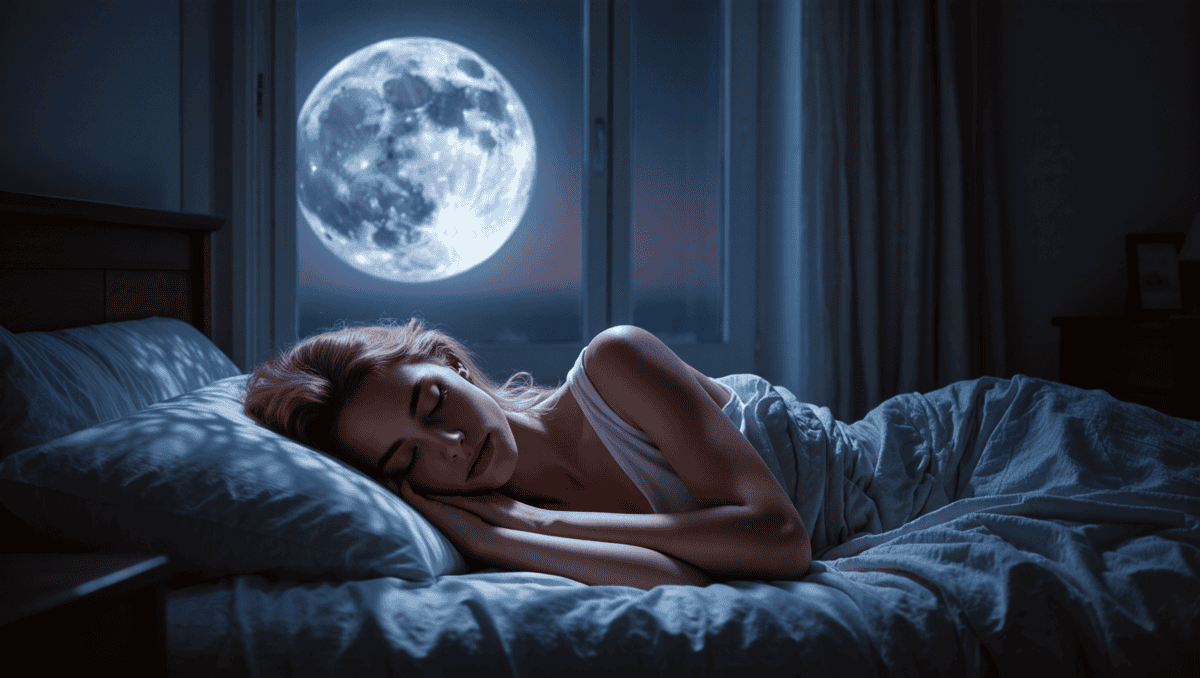
A full moon may cause people to be unable to fall asleep or stay asleep. This disruption of natural rhythms causes alertness and muscle tension during the night.
As a result, people will feel tired the next day due to a lack of deep sleep. Sometimes, people are unable to figure out why they feel tired. The body is much better at recognizing environmental changes than the mind.
A restless night of sleep is a physical response to these changes rather than a mental one.
2. Your Nervous System Reacts Before You Think

When there’s a full moon, your nervous system can become sensitive to energy and activity by being overstimulated. This will cause reactions such as feeling anxious, having difficulty concentrating, and having an increased level of alertness.
You may feel “wired” without being worried about anything. When you feel an increased sense of alertness in your body, your heart rate can change, and you may experience a shallow breath.
These are all physical signals sent from your body to you before your mind has a chance to respond logically.
3. Stored Stress Releases Through Physical Symptoms

Your entire body can hold onto the stress from daily living. As this stored stress builds, your body may seek out a way to let it go. With the full moon, your muscles relax and allow the body to release stress.
Release may manifest as headache, back pain, stomach upset, or even soreness with no reason. Most of these releases are related to emotional blockages stored in the body over time.
The body will continue to release these emotions through physical discomfort. Your mind may not know what it is trying to let go of, but your body will always know how to let it go.
4. Hormones Fluctuate More Than You Realize

Hormones control our sleep, hunger, mood, and energy levels. As such, when the moon is full, our hormones may not be balanced as normal, meaning that you could crave certain types of food more than usual or have increased hunger, and/or the shift in energy could come abruptly.
This happens very subtly inside your body, but usually you will notice the effect in your mind at a later time.
One reason that physical effects feel much stronger than mental effects during the lunar peaks can be attributed to increased changes in hormones.
5. Your Digestion Becomes More Reactive

Bloating, nausea, and appetite changes occur for many during a full moon. Stress and shifts in your body’s natural rhythm cause your body’s sensitive digestive system to react.
Even positive thoughts will not stop negative reactions from your gut. Energy shifts in your body are processed by your digestive system.
Thus, you will not necessarily feel any emotional problems before an awareness of physical discomfort develops. Overall, the sensitivity of your gut will be greater than that of your mind.
6. Muscle Tension Builds Without Mental Stress

The full moon can cause tight shoulders, clenched jaws, and stiffness regardless of your emotional state because of an unconscious biological reaction to prepare the body for releasing tension.
Therefore, there is a physiological response in your muscles responding to an elevated level of energy. In addition, while you may not consciously be anxious about the current state of affairs, your body still holds onto this build-up of tension.
The best way to alleviate and release this stored tension is through stretching and movement.
7. Your Immune System Feels the Shift

The majority of people have weak immune systems and are more susceptible to viruses and colds when the moon is full.
You may feel tired and have more or greater responsiveness to minor symptoms, but this doesn’t mean that you are weak; you are just oversensitized.
The body adjusts to this change long before the mind will, and you should put extra importance on getting enough rest during this phase.
8. Sensory Awareness Increases

Sensitivity increases to sounds, lights, touches, and overall physical sensations.
This occurs due to sensory overload affecting comfort and emotions through the way the body receives input from the nervous system.
Reducing noise and other forms of stimulation can help return the body to equilibrium.
9. Emotional Energy Moves Through the Body First
Emotions exist beyond just thoughts; emotions are physical, too, and they move through your body.
When there is a full moon, emotional energy will rise and move; you might have physical symptoms such as tightness in your chest, a tight throat, or a heavy feeling, but you may not know what the feeling is yet.
The physical sensations that occur before you get emotional awareness are alerting you that these emotions need attention.
10. The Body Is More Honest Than the Mind

The body can’t hide emotions. The body reacts to suppressed emotion during full moons through fatigue, feeling tense, or discomfort. These are truth signals.
The body has a unique way to tell you something that your mind would rather you not know. By listening to the physical cues that signal how your body feels, you can gain clarity.
By listening to what it has to say to you, you can determine what to do to restore your balance, such as sleep, drink fluids, or ground yourself.

Born and raised in Bosnia and Herzegovina. Ever since I was a little girl, my imagination knew no bounds. I remember vividly how I’d scribble down short stories, each page bursting with adventures and characters conjured up from the whimsy of my mind. These stories weren’t just for me; they were my way of connecting with my friends, offering them a slice of my fantasy world during our playtimes. The joy and excitement on their faces as we dived into my fictional realms motivated me to keep writing. This early passion for storytelling naturally evolved into my pursuit of writing, turning a childhood hobby into a fulfilling career.