
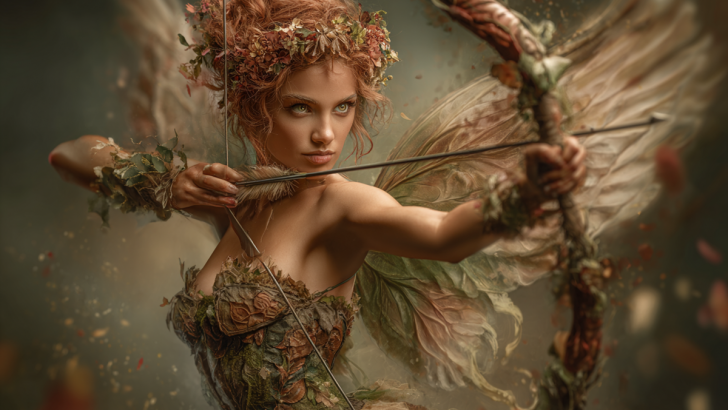
If your understanding of fairies comes from glitter, wings, and aggressively cheerful sidekicks in animated movies, folklore would like a word.
Traditional fairies — especially in Celtic mythology — were not tiny garden décor. They were powerful, unpredictable beings who lived in mounds, stole children, cursed livestock, and absolutely did not appreciate being disrespected. In fact, calling them “cute” might be the first mistake.
So why are fairies across European traditions often so… sinister?
Let’s investigate.
1. They Weren’t “Cute.” They Were Otherworldly.
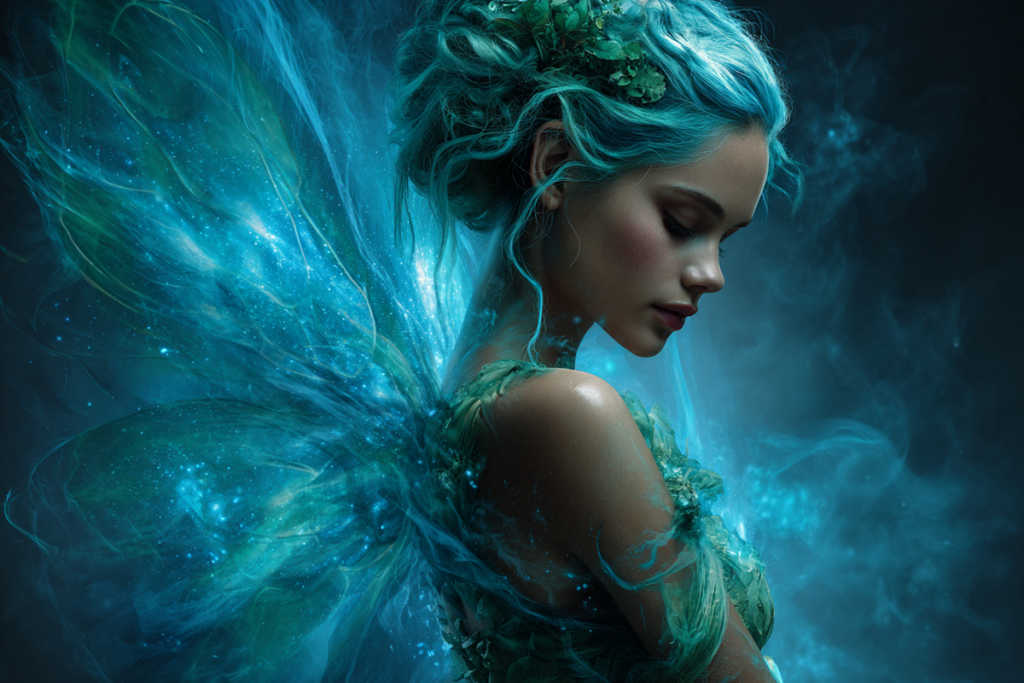
In Irish and Scottish folklore, the Aos Sí (fair folk) weren’t sparkly sprites — they were remnants of ancient supernatural beings who retreated underground after being displaced. They weren’t small. They weren’t cuddly. They were simply not human.
And that’s the key.
They existed in a parallel realm with different rules, different morality, and different expectations. They could bless you… or ruin your life… sometimes for the exact same reason. They weren’t evil — they were alien. And anything that doesn’t share your moral framework will automatically feel sinister.
2. They Operate on Extremely Petty Rules
Forget “good vs evil.” Fairy folklore runs on “Did you say thank you correctly?”
Step on a fairy mound? Bad year. Forget to leave milk out? Cows stop producing. Thank them too directly? Insulting. Call them “fairies” instead of “the good folk”? Risky.
Their world is powered by etiquette, and humans are terrible at it.
Much of their sinister reputation comes from how easily offended they are — and how wildly disproportionate their punishments can be. You forgot an offering? That’s adorable. Here’s seven years of misfortune.
3. The Changelings Were Terrifying
Perhaps the darkest fairy legend is the changeling myth.
In many parts of Ireland, Scotland, and Scandinavia, people believed fairies would steal healthy babies and replace them with weak, strange-looking fairy children. This belief tragically influenced real historical behavior toward sick or disabled children.
From a folkloric perspective, the changeling myth reflects ancient attempts to explain illness and developmental differences. But emotionally? It’s nightmare fuel.
Nothing says “sinister” like child-swapping.
4. They Mess With Time (And It Never Ends Well)
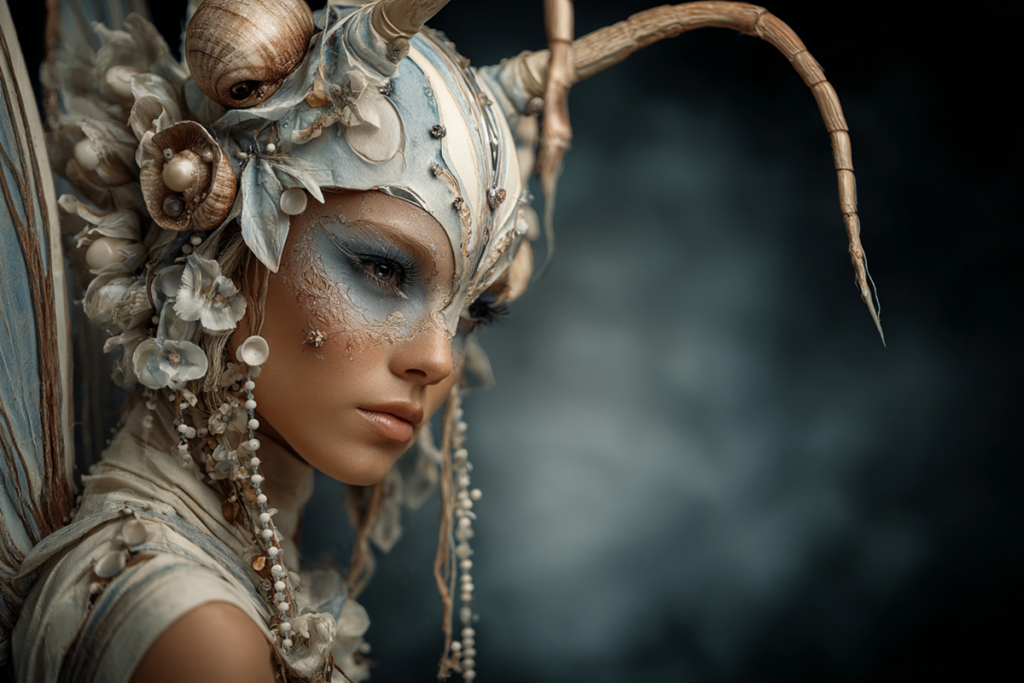
In fairy lore, time runs differently in their realm. A person might spend what feels like one night dancing in a fairy ring — only to return home and discover decades have passed.
Or worse: they crumble to dust the moment they step back into human time.
This theme appears across Celtic and European myths. It reinforces the idea that the fairy realm isn’t just magical — it’s dangerously seductive. You can go in, but you won’t come back unchanged.
Fairies don’t kill you outright. They dislocate you from reality.
5. Iron Is Their Mortal Enemy (Which Is Suspicious)
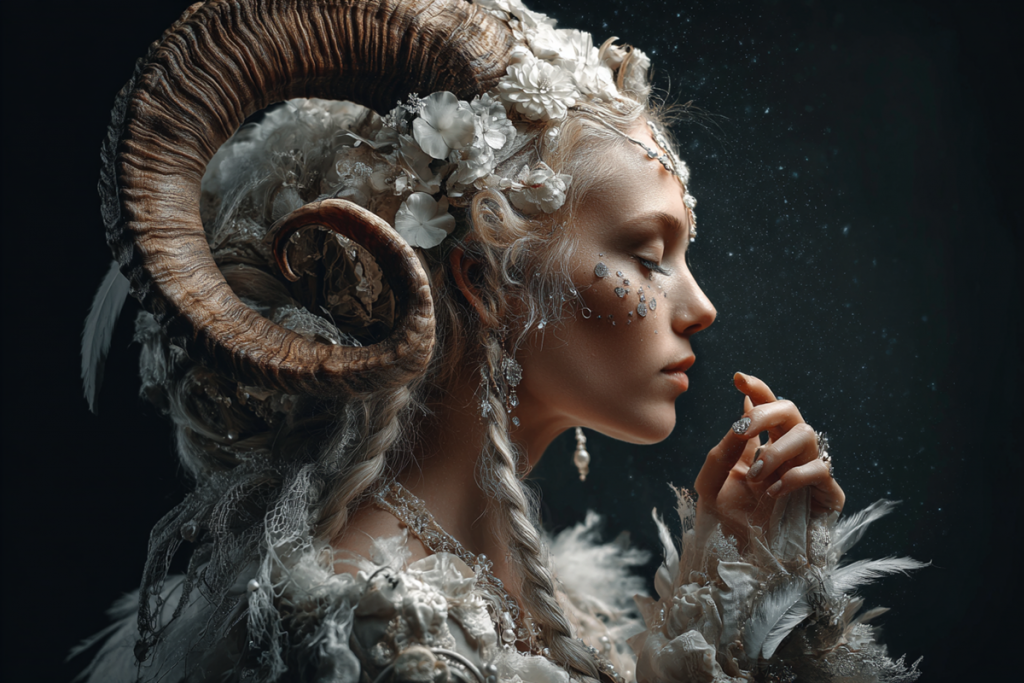
Traditional folklore insists that iron wards off fairies. People hung horseshoes over doors, placed iron scissors near cradles, or carried iron objects for protection.
Why iron?
Some scholars believe this reflects ancient cultural shifts — iron technology symbolizing human progress and the decline of older pagan belief systems. The fair folk became associated with the old world, pushed back by advancing civilization.
In other words, fairies might represent what humanity tried to leave behind — nature spirits, ancient gods, or wild forces that don’t appreciate industrialization.
And that tension? It feels ominous.
6. They’re Not Evil — They’re Amoral
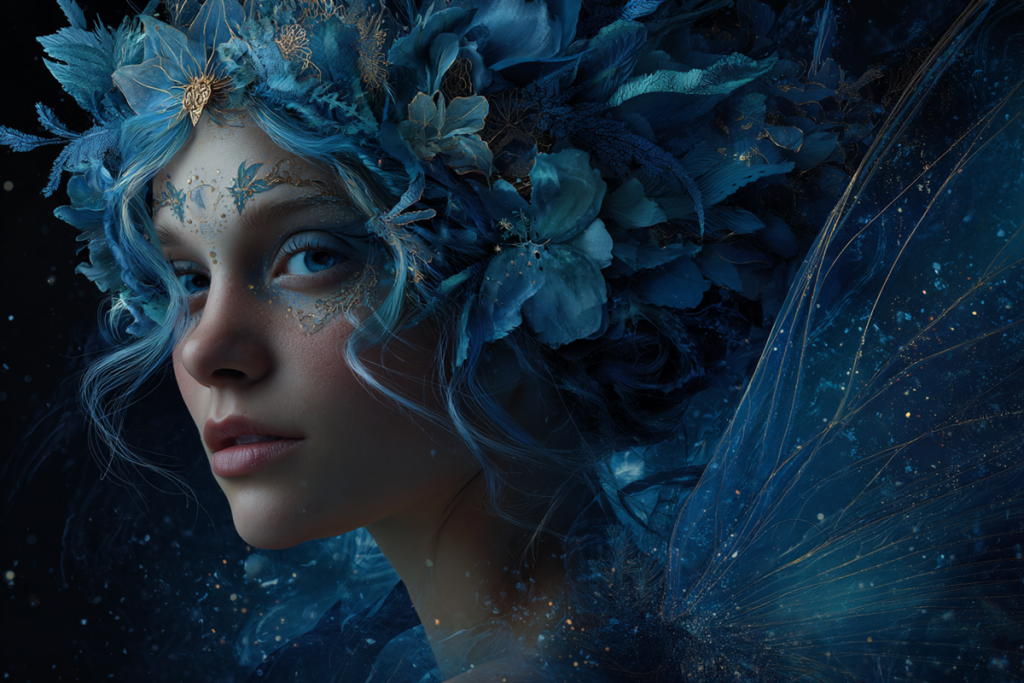
Here’s the subtle but important distinction.
Fairies aren’t demons. They aren’t agents of pure evil. They are deeply transactional beings.
You give them respect? They bless you. You break a taboo? They punish you. You intrigue them? They abduct you.
Their morality doesn’t center human comfort. It centers balance, pride, territory, and ancient laws we barely understand.
That unpredictability — the inability to reason with them the way you would a human — is what makes them unsettling.
7. Victorian Writers Tried to Soften Them (But It Didn’t Stick)
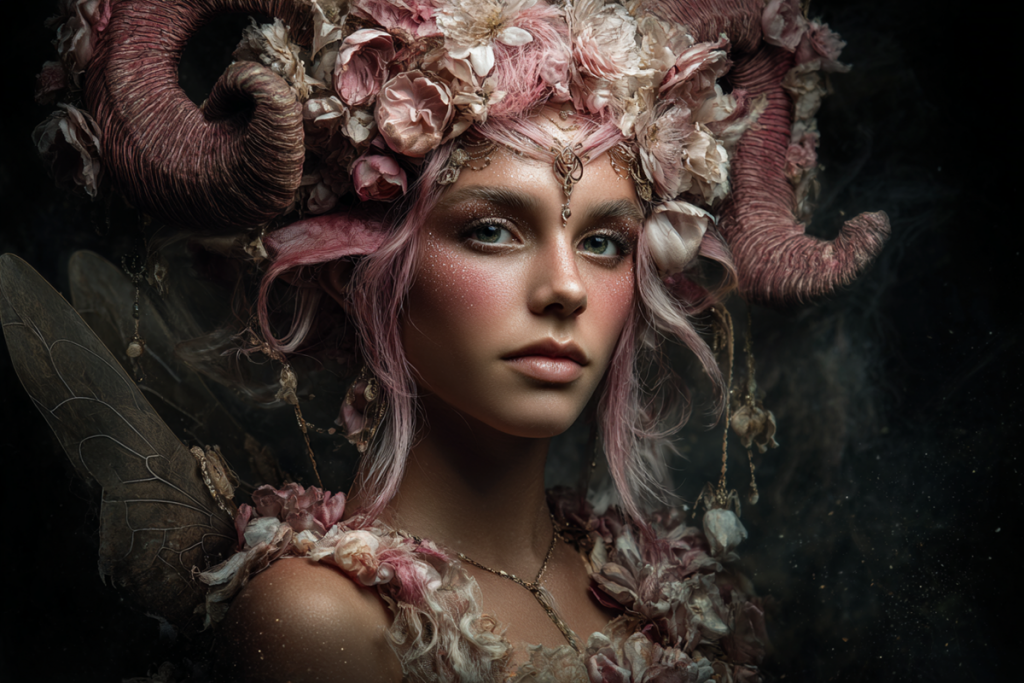
By the 19th century, Victorian literature shrank fairies into dainty winged creatures suitable for children’s stories. This aesthetic makeover erased much of their darker edge.
But the older folklore never disappeared.
Modern fantasy keeps bringing back the dangerous fairy trope — seductive, clever, morally ambiguous, and slightly terrifying. Because deep down, we know glitter doesn’t erase centuries of eerie storytelling.
The sinister fairy is simply the original version.
8. They Represent Nature — And Nature Is Not Gentle
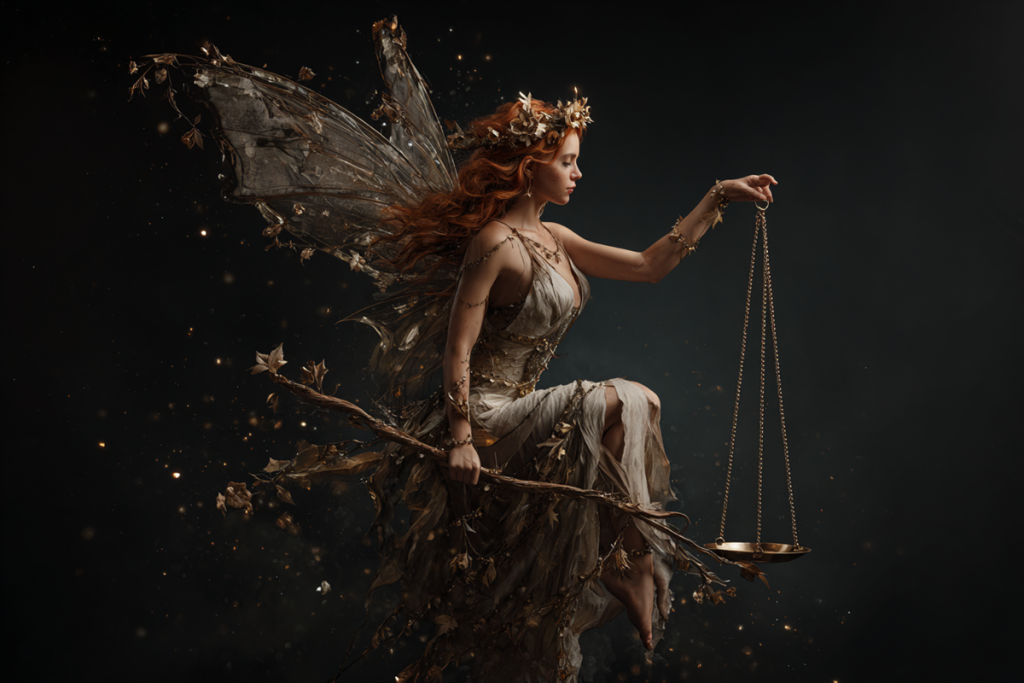
At their core, fairies are tied to wild places: forests, hills, lakes, and crossroads. These are liminal spaces — thresholds between safety and danger.
Nature nurtures. Nature also floods villages.
Fairies embody that same duality. They reward harmony and punish intrusion. They are guardians of boundaries — and humans have always had a habit of crossing boundaries.
So when we call fairies “sinister,” we may just be reacting to something older and wilder than ourselves.
9. So… Are Fairies Actually Sinister?
Not exactly.
They are powerful, prideful, ancient beings operating under rules we don’t control. And anything that refuses to revolve around humanity tends to feel threatening.
The real reason fairies seem sinister is this:
They remind us that magic isn’t here to make us comfortable.
And if you’re planning to wander into a mushroom ring at midnight, maybe bring some iron… and impeccable manners.

Lover of good music, reading, astrology and making memories with friends and spreading positive vibes! 🎶✨I aim to inspire others to find meaning and purpose through a deeper understanding of the universe’s energies.