

As children develop and their personalities form, each day can bring a new challenge for the parents.
Many kids go through a phase where they tell seemingly pointless lies, making us worry whether they’ll grow up to be dishonest people.
But more often than not, it’s the parents’ mistakes that make the child feel as though lies are necessary.
You can have all the deep conversations that you want, begging them to just come clean next time, but it all comes down to just one thing: Does truth feel safe in your family?
Let’s explore some common mistakes that might be causing your kids to tell lies.
1. Punishment Trumps Understanding

If your child is too afraid of punishment to tell the truth, you’re teaching them that 正直 isn’t worth the リスク.
Instead of reacting with anger and harshness, try understanding where they’re coming from.
For instance, if they spill juice and hide it, avoid cornering them to get a confession.
When you interrogate them on things you already know, they don’t feel like there’s any other option but to defend themselves with more lies.
Instead, acknowledge what was done, and show them that it’s no big deal and that it can be handled.
By saying, “I see you spilled the juice. Come, let’s clean it up together,” you’re showing them how to take responsibility for their mistakes.
At the same time, they learn that telling the truth won’t cause you to explode in anger but will allow you to help them.
2. Overreacting to Small Mistakes

Big reactions to minor mistakes teach kids that honesty is dangerous.
If you yell or punish them every time they spill something, forget to make their bed, or leave food on their plate, all you’re teaching them is that they need to hide things better.
This teaches them that lying は better alternative because it gives them a higher chance of avoiding trouble.
Instead, try to stay calm and handle these little accidents with understanding.
When there’s no fear of overblown reactions, children feel safe to be honest, and they’re much more likely to come clean about some bigger issues down the line.
3. Lie and Confession Get Punished Equally

If you punish lies and truth equally, you’re sending mixed signals.
For instance, if they’re yelled at and their phone gets taken away both when they come clean about a bad grade and when they lie about it – what’s the point of being truthful?
Why would a child risk telling the truth, then? Lying actually gives them a chance to fix the grade before you find out about it.
This literally teaches children that they should lie.
However, when they admit a mistake, and they’re met with support, or their punishment is lessened as a result, then you’re actually encouraging them to be honest.
Honesty should be rewarded, so it’s clear to them that telling the truth is the right choice.
4. The Role of Little White Lies
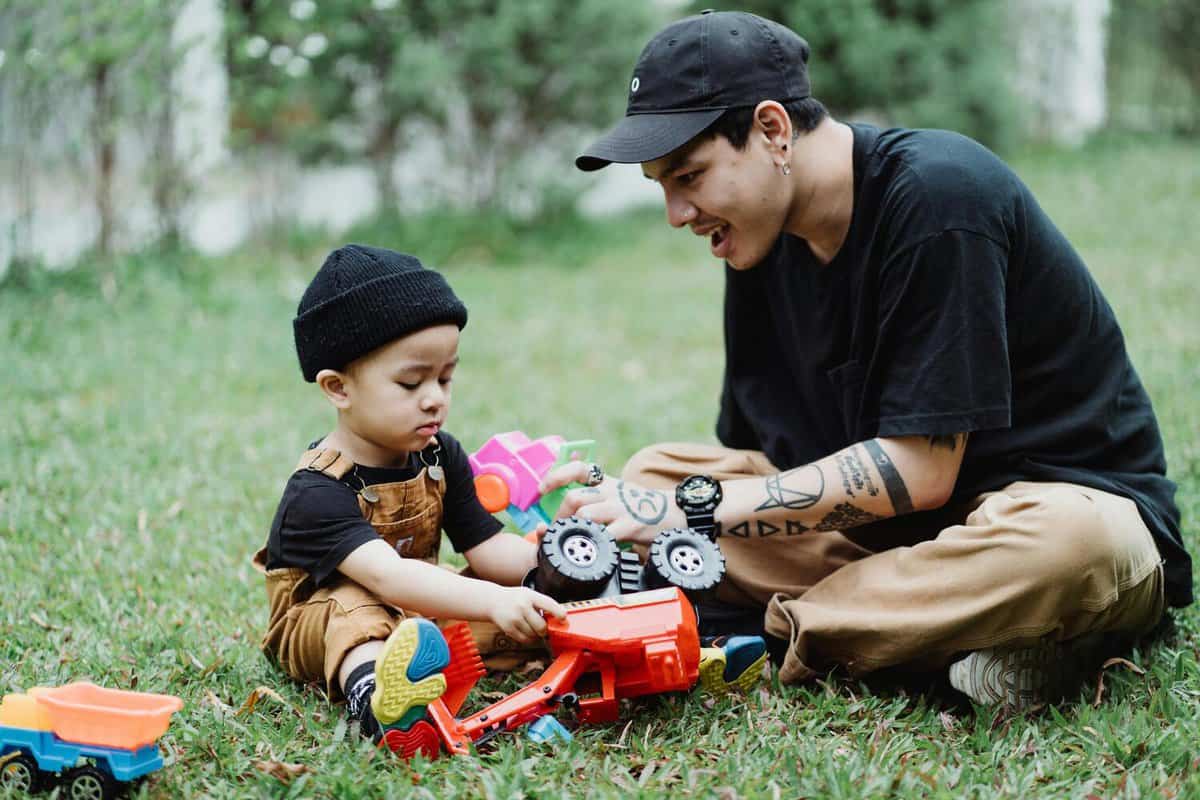
Kids learn a lot from what they see us do.
When parents tell little white lies – like asking the child to keep a secret from the other parent – they’re teaching their kids that lying is okay sometimes.
If your child overhears you lying about not being home when a friend calls, the same thing happens.
This mistake confuses your child.
As grown-ups, we are able to understand that truth is important, but that lies are also necessary sometimes. Children’s minds are rarely able to comprehend these paradoxes.
Instead, show them that honesty is always better, even when it’s uncomfortable.
Teaching by example is one of the most powerful ways to encourage integrity in your kids.
5. Building a Bridge of Trust

Creating an environment where your child feels safe to tell the truth is essential.
When they trust that honesty won’t lead to trouble, they’re more likely to open up. So, show them empathy and respond calmly.
Jumping to conclusions and having big reactions will just make them trust you less.
If your child confesses a mistake, even if it’s something worth grounding them over, at least acknowledge their honesty.
Let them know that everyone slips up sometimes, but we have to learn from our errors.
When kids understand they’re supported and loved even when they’re not perfect, honesty becomes a natural part of your relationship.
Then they’re more likely to come to you when they mess up big time or when they need your help.
If a child is afraid to tell you about a bad grade, they’ll also be afraid to tell you when they’re experiencing hardship or are in danger.
6. Positive Reinforcement

Instead of focusing on interrogation and catching your child in a lie, focus on praising their honesty.
When they tell the truth, especially about a mistake, keep in mind that it probably took a lot of courage to come clean. So, acknowledge it with warmth and appreciation.
This positive reinforcement encourages them to keep being honest because they see 真実 as something that earns respect and benefits.
For example, saying, “Thanks for telling me, that was brave of you,” makes telling the truth a rewarding experience.
Over time, this teaches them that telling the truth feels good, which motivates them to be more honest.
This approach cultivates a safe environment where truth is valued and respected.
7. Why Honesty Matters for Their Future

Children absorb everything around them, and they learn from us as we handle various situations.
Funny thing is, they rarely learn what you wanted them to learn, so always keep in mind how your behaviors and actions can come across to them.
If they grow up thinking lying is a useful tool because the truth got them into trouble, they might become manipulative and irresponsible later on in life.
But if honesty is encouraged and valued, they learn to trust themselves and others.
This helps them develop into a person who has integrity and wants to do the right thing.
Your role is to teach them when and why truth matters, shaping their values for a lifetime of healthy relationships.

A little Aquarius, devoted to writing and embroidery. Through my writing, I hope to empower readers to align with their true selves and navigate life’s mysteries with confidence.