
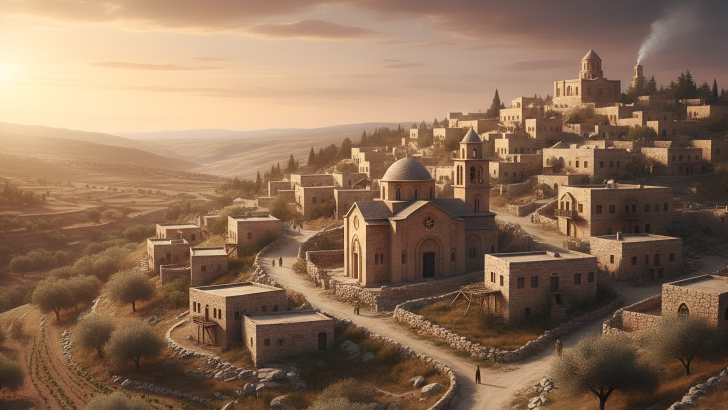
The Bible is not only a spiritual guide but also a historical map filled with intriguing locations that have captured the imagination of believers and historians for centuries.
Some of these places are well-known, like Jerusalem or the Jordan River, while others remain mysterious or less explored.
Many locations mentioned in biblical texts still exist today, often blending archaeology, legend, and ongoing discovery.
These sites provide a tangible connection to stories of faith, conflict, and human experience recorded thousands of years ago.
Exploring them allows us to see the ancient world through the lens of scripture while uncovering mysteries that have persisted over millennia.
The following seven places are particularly fascinating, combining historical significance, spiritual resonance, and an enduring sense of wonder that continues to draw researchers, pilgrims, and tourists alike.
1. Mount Sinai
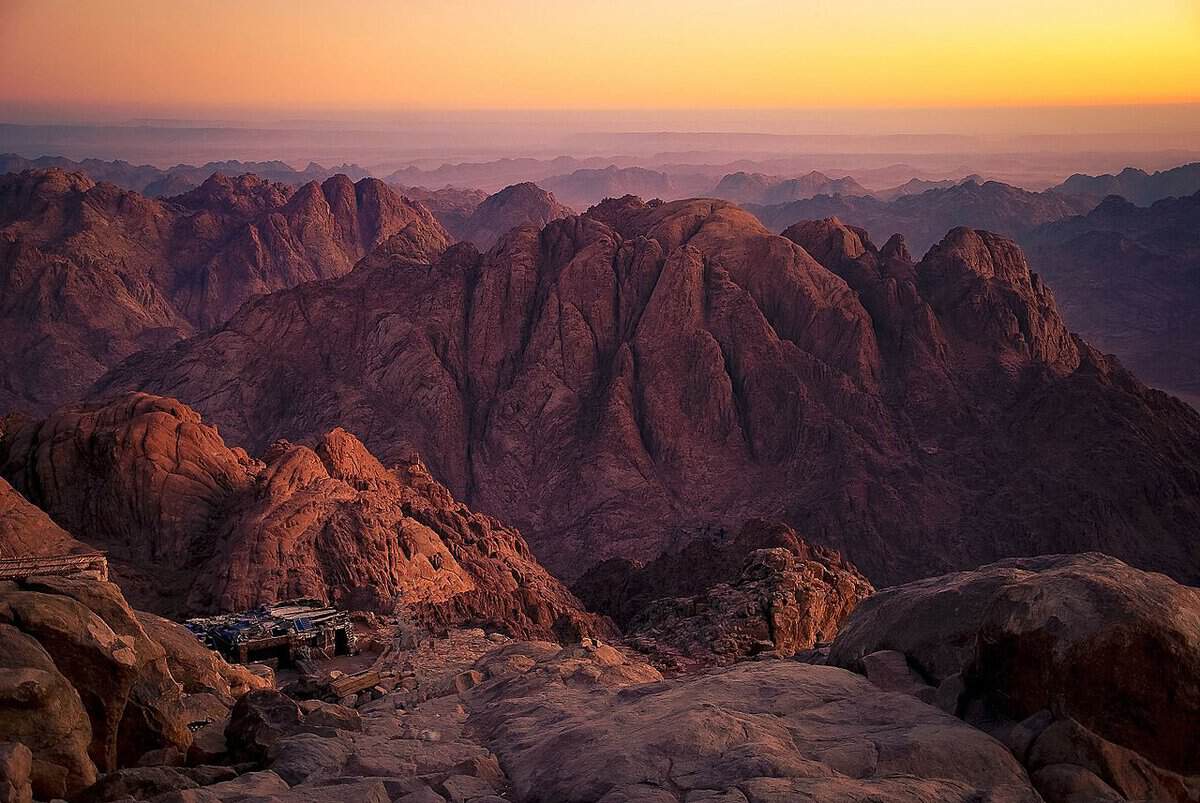
Mount Sinai is renowned as the place where Moses received the Ten Commandments from God.
Its exact location is still debated, with candidates including peaks in the Sinai Peninsula of Egypt and areas in northwestern Saudi Arabia.
Archaeologists have explored caves, ancient altars, and paths that may correspond with biblical descriptions.
Pilgrims and travelers continue to climb its slopes, seeking spiritual connection and historical insight.
The mountain remains a powerful symbol of divine law, leadership, and covenant between God and the Israelites.
Even without absolute certainty of the precise peak, Mount Sinai’s enduring presence allows people to reflect on the dramatic events described in the Bible.
Its rugged terrain and panoramic views capture the imagination of anyone exploring the story of Moses and the Exodus.
2. The Dead Sea
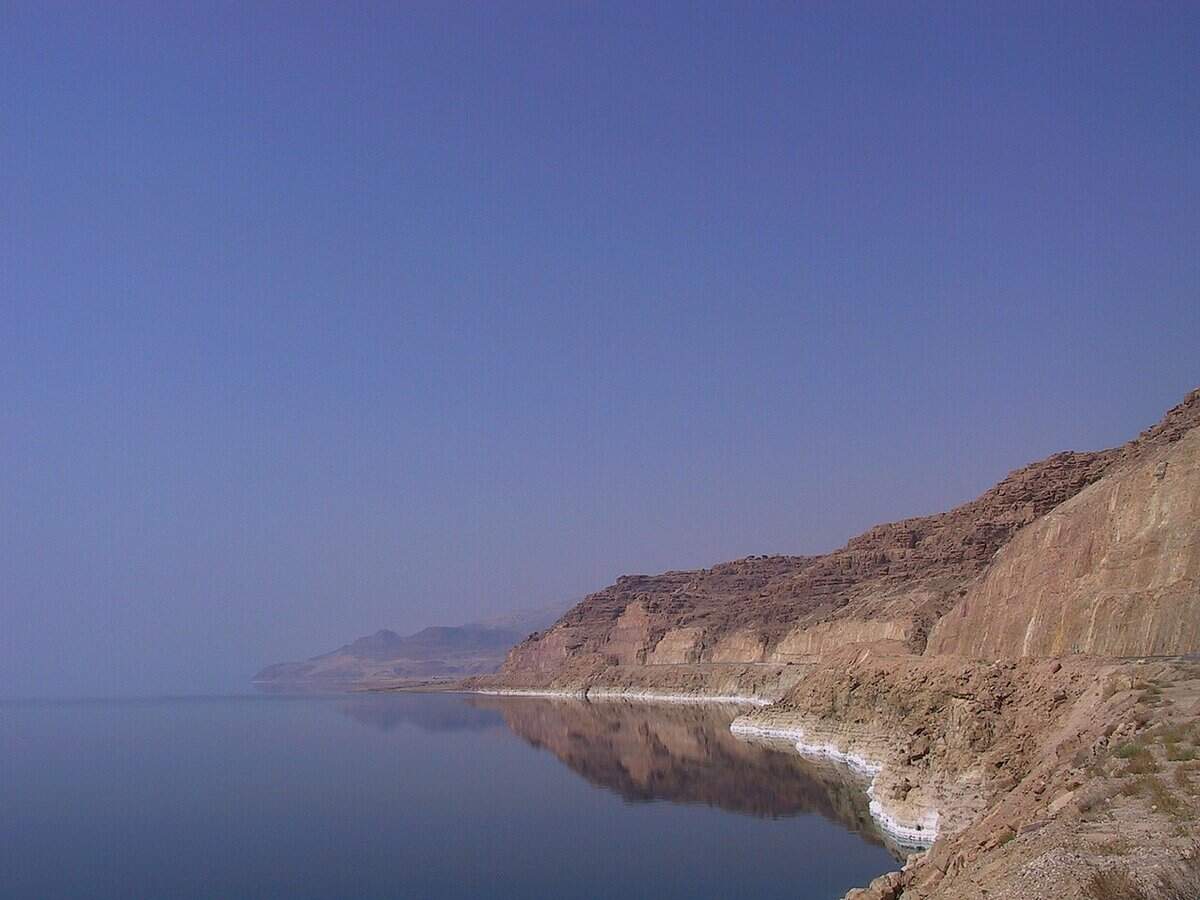
The Dead Sea, a salt-rich body of water located between modern-day Israel and Jordan, is mentioned in several biblical texts.
Known for its extreme salinity and ability to keep objects afloat, it is often associated with the cities of Sodom and Gomorrah, which were reportedly destroyed due to wickedness.
Archaeological sites around the Dead Sea, including ancient fortresses and settlements, provide insight into civilizations that lived near this unique environment.
The Dead Sea’s dramatic landscape, combined with its historical and biblical significance, makes it one of the most mysterious and enduring locations.
3. Jericho
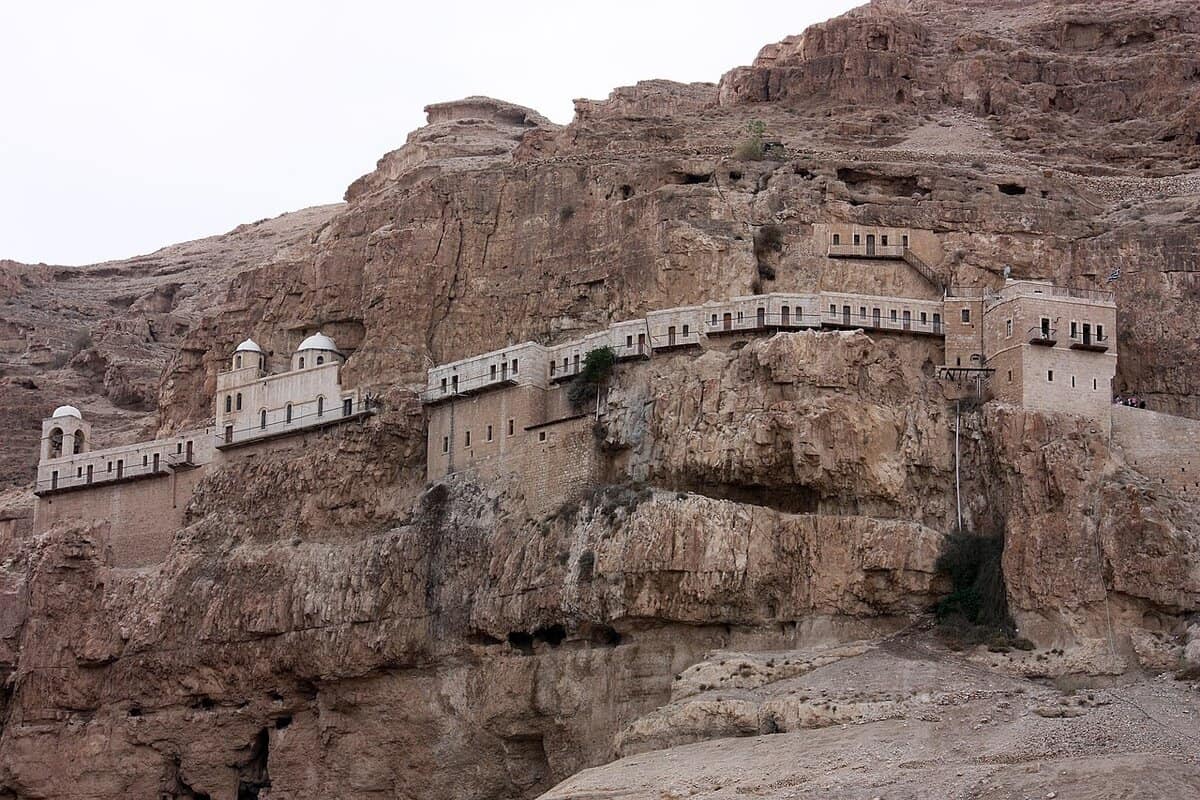
Jericho is one of the oldest continuously inhabited cities in the world and plays a crucial role in the Bible, especially in the story of Joshua and the miraculous fall of the city walls.
Archaeological excavations have uncovered ancient fortifications, remnants of collapsed walls, and evidence of early settlements dating back thousands of years.
Jericho’s fertile location near the Jordan River allowed it to flourish as a center of trade and agriculture.
Today, it is a small city in the West Bank, but visitors can explore ruins, ancient towers, and artifacts that hint at its long and storied past.
Jericho’s combination of archaeological discovery and biblical narrative continues to make it a site of fascination and study.
4. Mount Carmel
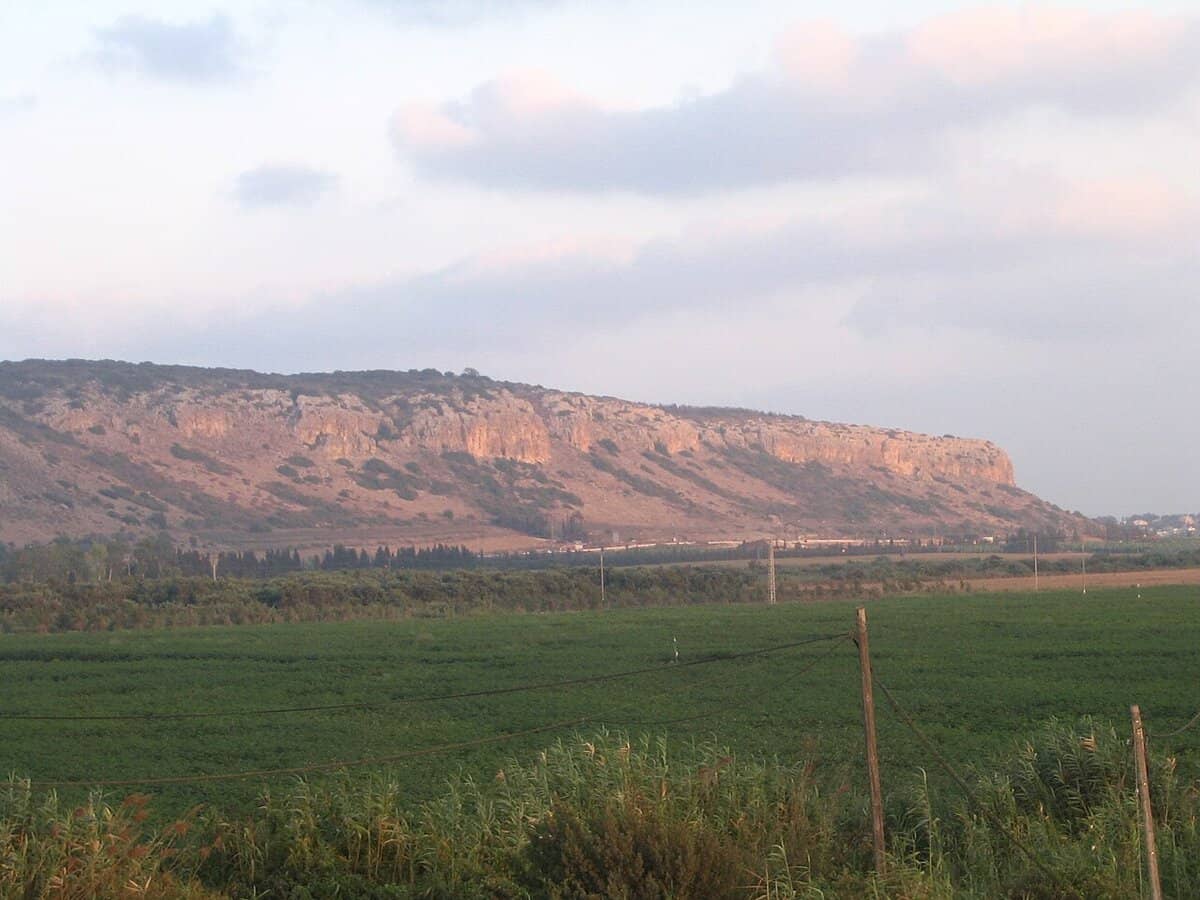
Mount Carmel, located in northern Israel near the Mediterranean coast, is famous for the biblical story of the prophet Elijah challenging the prophets of Baal.
The mountain’s lush landscapes and striking cliffs have long captured human imagination.
Archaeological findings in the area suggest ancient settlements and religious sites, including altars that may have been used for worship.
Mount Carmel remains a place of pilgrimage and natural beauty, offering both spiritual reflection and historical exploration.
The story of Elijah’s dramatic confrontation on the mountain adds to its significance, making it a location where legend, faith, and history intersect.
Modern visitors can hike its slopes while imagining the events described in scripture.
5. The Sea of Galilee
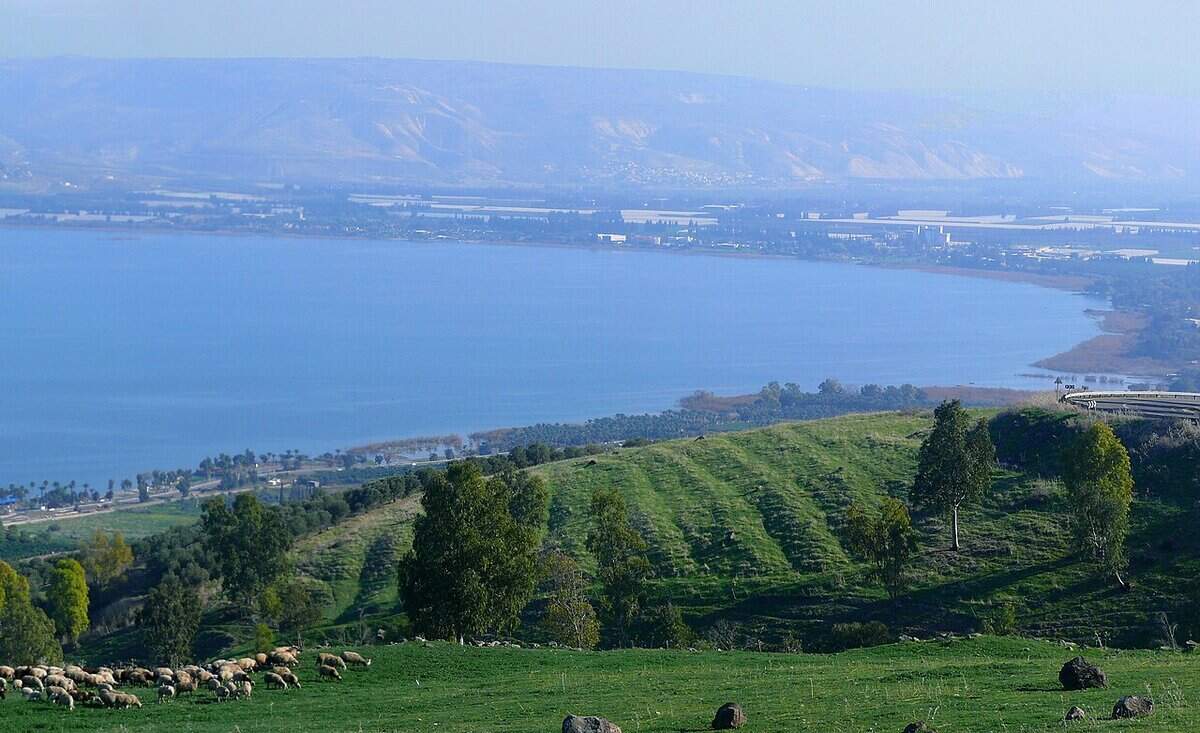
The Sea of Galilee, a freshwater lake in northern Israel, features prominently in the New Testament.
It is associated with the ministry of Jesus, including miracles such as walking on water and calming storms.
Towns along its shores, such as Capernaum and Bethsaida, contain ruins of ancient synagogues, homes, and fishing villages that date back to biblical times.
The lake’s serene waters and surrounding hills continue to draw pilgrims and tourists seeking a connection to the life of Jesus.
Archaeology, combined with centuries of oral tradition, helps keep the story alive.
Today, the Sea of Galilee remains both a practical resource for local communities and a spiritual site that maintains its place in the biblical imagination.
6. Bethlehem
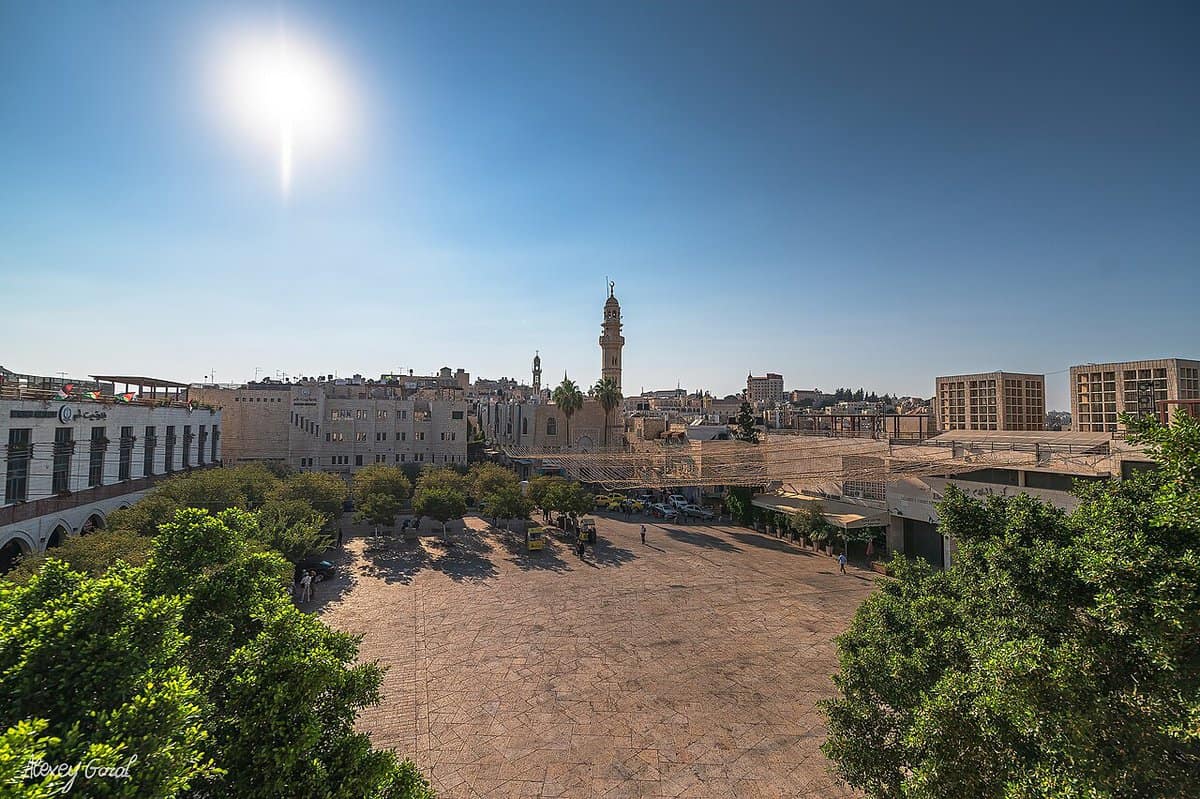
Bethlehem, located in the West Bank, is famously recognized as the birthplace of Jesus. Its historical significance dates back to the Old Testament as the city of David.
Archaeological excavations have revealed ancient structures, burial sites, and remnants of early Christian churches.
The Church of the Nativity, built over the site traditionally associated with Jesus’ birth, remains a major pilgrimage destination.
Bethlehem’s small streets, historic buildings, and religious importance make it a living connection to biblical narratives.
Visitors can explore the ancient city while reflecting on its role in both Jewish and Christian history.
Its enduring presence provides a tangible link to stories that continue to influence faith and culture worldwide.
7. The Jordan River
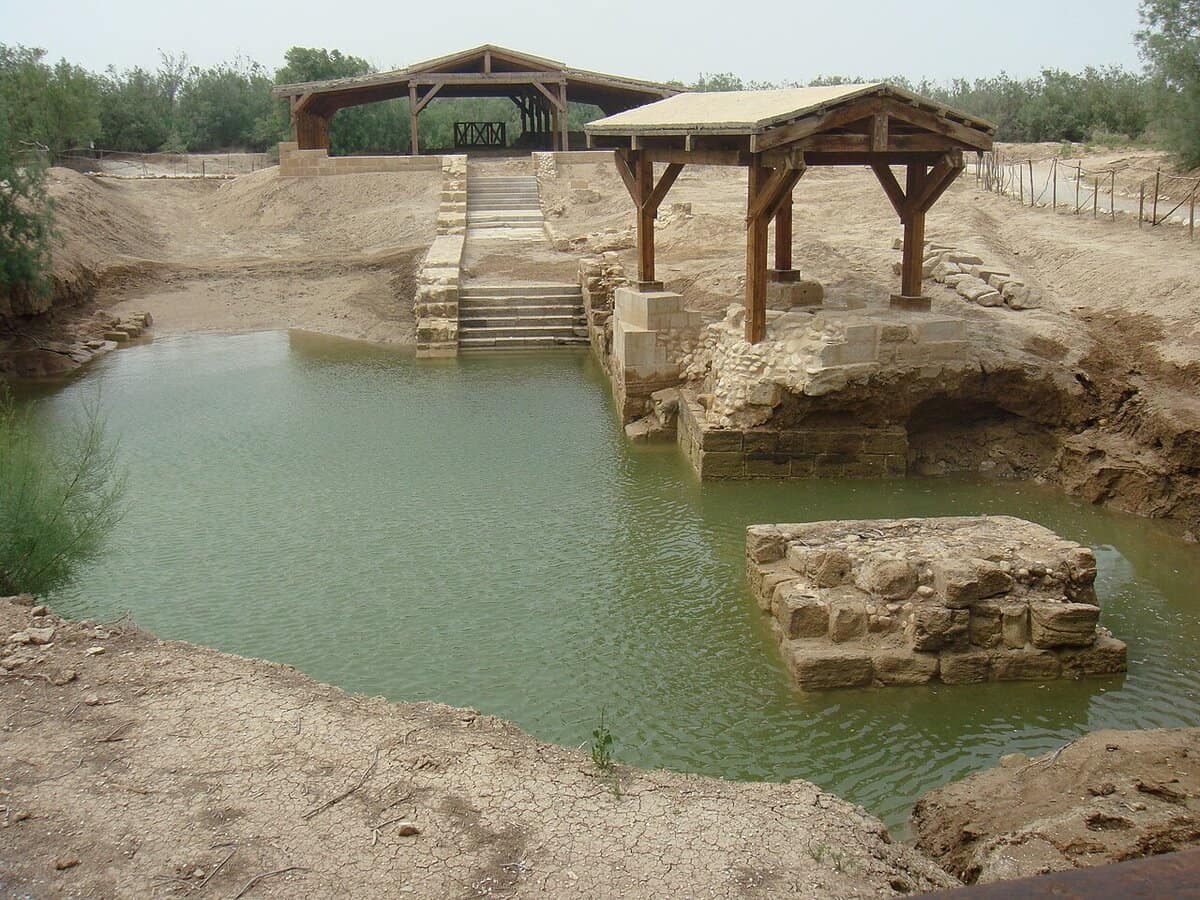
The Jordan River is one of the most significant bodies of water in the Bible.
It is mentioned in events ranging from the crossing of the Israelites under Joshua to the baptism of Jesus by John the Baptist.
Today, it remains a flowing river that borders Israel, the West Bank, and Jordan. Archaeological and religious sites along its banks offer insight into its historical and spiritual importance.
Pilgrims often visit for ceremonial baptisms and reflection. The river’s symbolism of cleansing, renewal, and covenant endures alongside its physical presence.
Its waters continue to connect modern travelers with the stories, miracles, and traditions that have made the Jordan River one of the most mysterious and revered locations mentioned in scripture.

私は生まれたときから、常に神との強いつながりを感じていた。作家として、また指導者として、私の使命は、人々が最も暗い時代に愛と幸福と内なる強さを見つけるのを助けることである。