
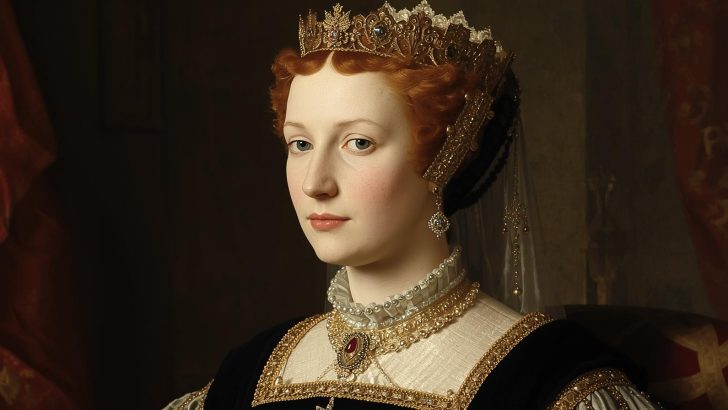
Matilda of Scotland is often overlooked in the history of English royalty, yet her life and influence were remarkable.
Born in 1080 as the daughter of King Malcolm III of Scotland, she was carefully educated in the customs and politics of European courts.
She later married Henry I of England, becoming queen consort and playing a crucial role in shaping the monarchy during a turbulent period.
Matilda was known for her intelligence, piety, and diplomatic skills, which helped stabilize England after years of conflict.
Despite her contributions, she is less remembered than other medieval queens. Here are ten fascinating facts about Matilda of Scotland and her enduring legacy.
1. Matilda Was Born Into Two Royal Dynasties

Matilda was the daughter of King Malcolm III of Scotland and Saint Margaret of Scotland, linking her to both Scottish and Anglo-Saxon royal bloodlines.
Her mother was renowned for her piety and influence, instilling a strong sense of morality and religious devotion in Matilda.
This heritage gave her a unique perspective on kingship and duty, combining Scottish traditions with the values of the Anglo-Saxon church.
Her dual lineage also strengthened her position in England, allowing her to unite different cultural and political interests through marriage.
Matilda’s birthright gave her authority and respect, which she later used to support her husband and secure her family’s legacy.
2. She Married Henry I of England

Matilda married Henry I in 1100, shortly after he became king. This marriage was both a political alliance and a personal partnership.
Matilda’s education, intelligence, and royal background made her a valuable consort, capable of advising the king and assisting in governance.
The union helped legitimize Henry’s rule, as he needed a queen with strong royal connections to strengthen his claim to the throne.
Matilda brought stability to a court recovering from civil unrest. Her presence as a learned and pious queen also influenced English court culture.
She was setting an example for behavior, etiquette, and devotion that would resonate for generations.
3. She Was Highly Educated

Unlike many medieval women, Matilda received a broad and thorough education. She studied Latin, literature, theology, and the history of European kingdoms.
Her mother, Saint Margaret, emphasized literacy, religion, and charitable values, ensuring Matilda was well-prepared for a leadership role.
This education allowed her to participate in political decision-making, correspond with religious leaders, and advise her husband on complex matters.
Her learning distinguished her from many other queens of her time and helped establish a model of intellectual and moral leadership for future medieval women.
Matilda’s education also contributed to the promotion of culture and scholarship at the English court.
4. She Supported Religious Reform

Matilda was deeply pious and actively supported the church. She encouraged religious reform, including the establishment of monasteries and improved practices in church governance.
Her influence extended to appointments of clergy and the promotion of moral conduct at court.
Through her efforts, she strengthened ties between the monarchy and the church, reinforcing the moral and political authority of the crown.
Her dedication to religion helped set a standard for royal involvement in spiritual life, reflecting her mother’s values.
Matilda’s support of ecclesiastical reform played an important role in shaping England’s religious landscape during a critical period of church development.
5. She Served as a Diplomatic Mediator
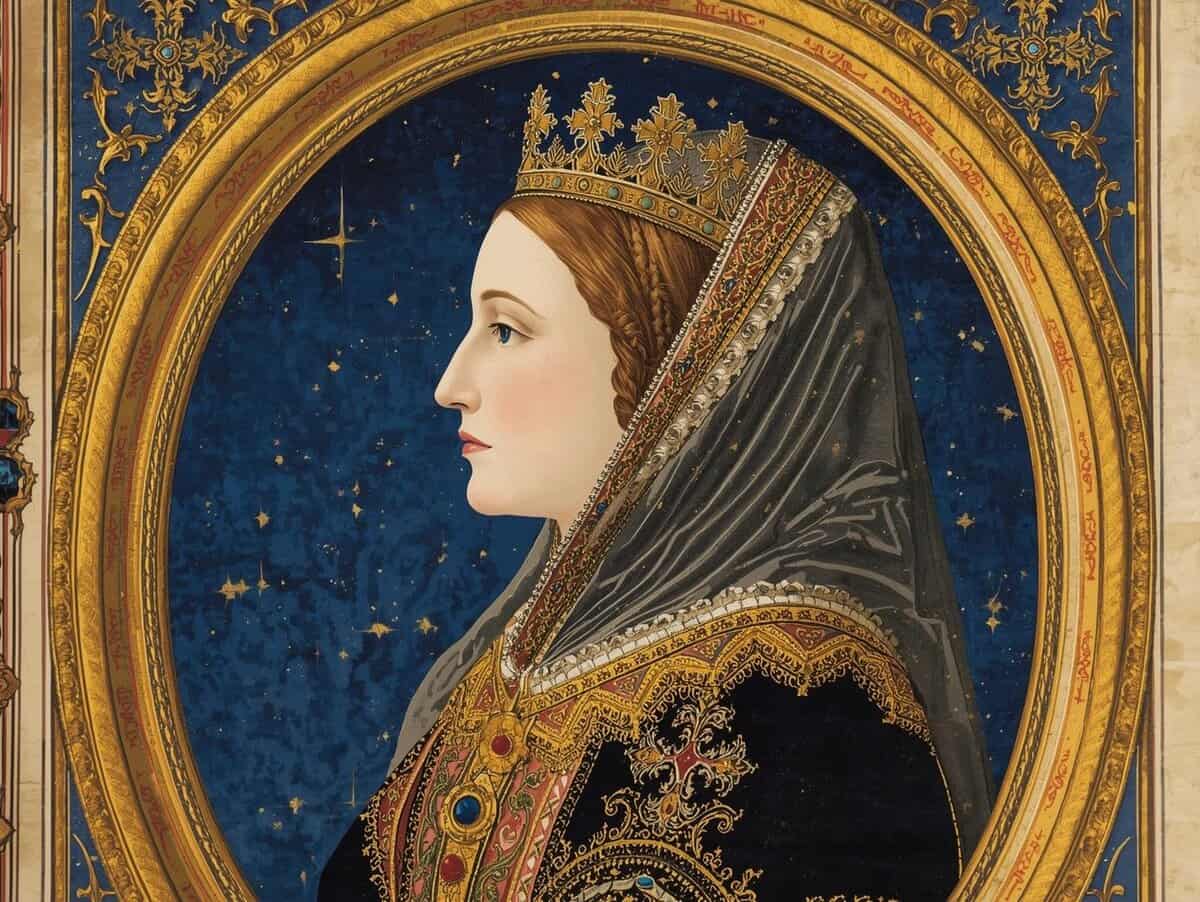
Matilda often acted as a mediator between her husband and rebellious nobles.
Her calm demeanor, intelligence, and family connections allowed her to negotiate disputes and reduce conflict.
She was skilled at diplomacy, helping Henry I maintain alliances and secure the loyalty of his subjects.
Her interventions were crucial during times of unrest and rebellion, demonstrating that a queen could wield influence through negotiation rather than force.
Matilda’s ability to balance power, maintain relationships, and promote peaceful resolutions reflects her political acumen and highlights her often underappreciated role in supporting the stability of the English monarchy.
6. She Bore Many Children, Including the Heir

Matilda and Henry I had several children, though many died young. Their most famous offspring was William Adelin, Henry’s only legitimate son and heir.
Matilda’s ability to provide heirs was essential to the continuity of the monarchy and the legitimacy of Henry’s dynasty.
Sadly, William’s death in the White Ship disaster led to a succession crisis, plunging England into civil war.
Despite this tragedy, Matilda’s role as a mother helped shape the royal lineage and cemented her importance in the dynasty.
Her dedication to her children reflected both personal commitment and political responsibility, ensuring that her family’s influence endured through turbulent times.
7. She Promoted Culture and Learning

Beyond politics and religion, Matilda was a patron of culture and learning.
She encouraged the study of Latin texts, commissioned religious manuscripts, and promoted scholarship at court.
Her refined taste influenced courtly behavior and helped foster a more sophisticated and educated elite.
By supporting intellectual and artistic development, she strengthened cultural ties across Europe and enhanced the prestige of the English monarchy.
Matilda’s patronage demonstrated her understanding that soft power was just as important as political alliances, leaving a lasting legacy that extended beyond her lifetime.
8. She Was Known for Her Piety and Charity
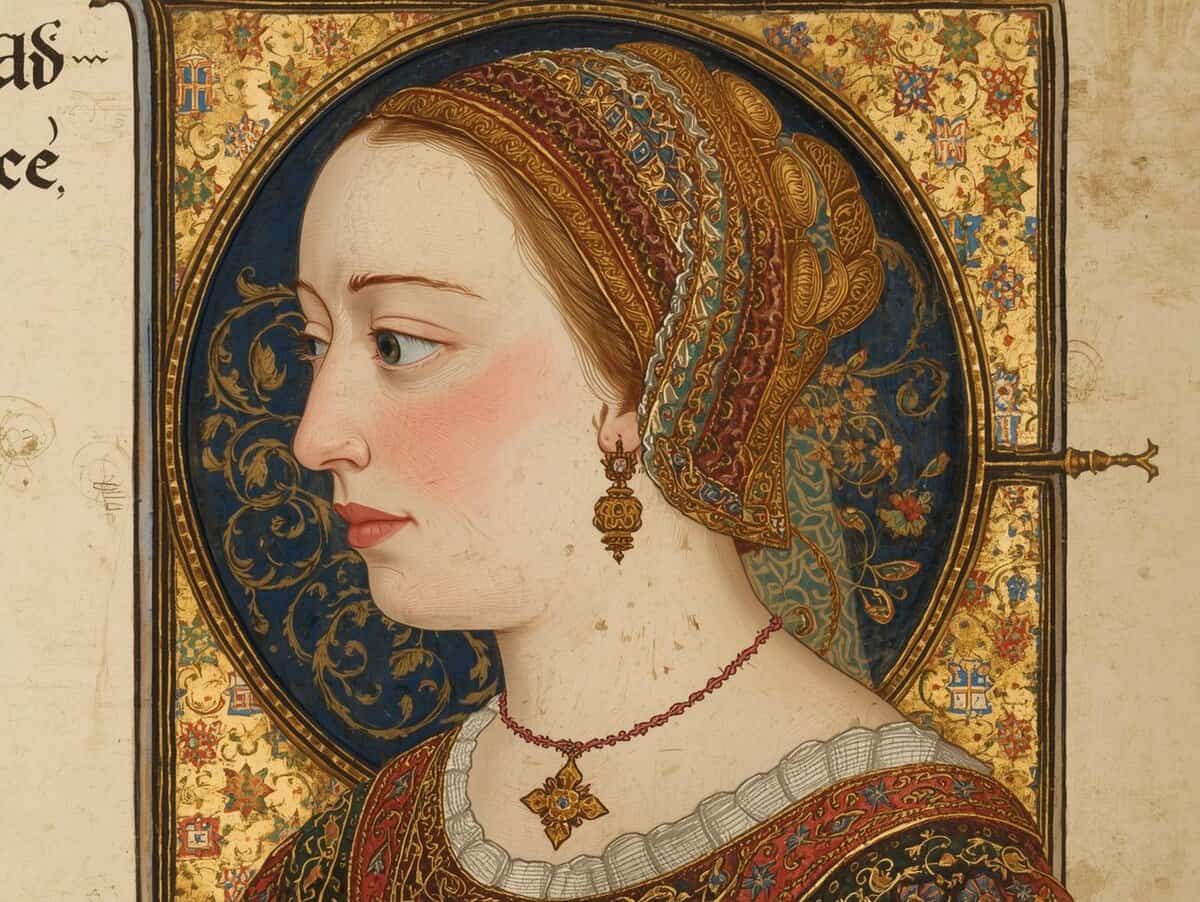
Matilda’s devotion to God and charitable works was widely recognized during her lifetime.
She distributed alms to the poor, supported hospitals, and ensured that the court modeled moral behavior.
Her example of piety earned respect from both religious leaders and common people.
This charitable approach enhanced the moral authority of the monarchy and helped promote stability and social cohesion.
Matilda’s consistent religious practice and acts of generosity demonstrated a commitment to the welfare of her subjects.
9. She Helped Strengthen the Monarchy
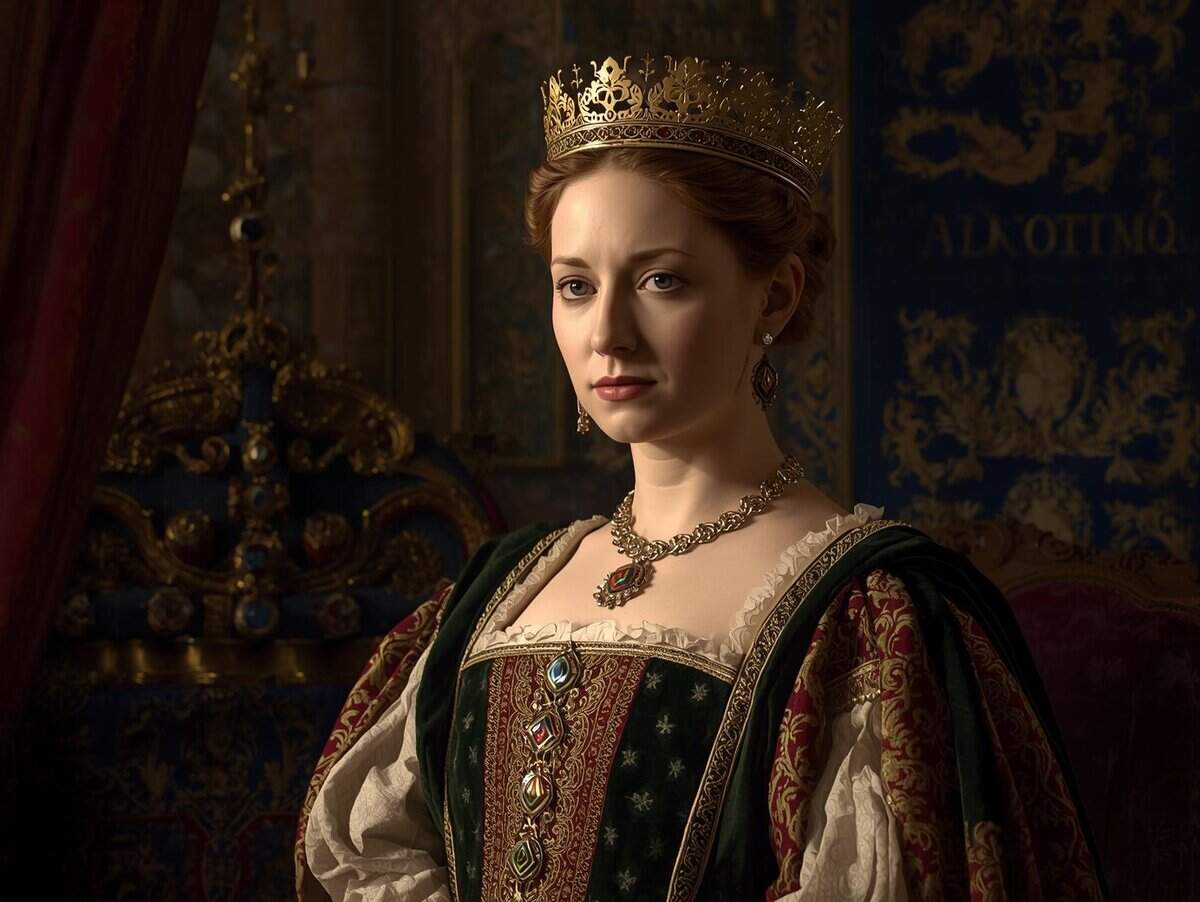
Matilda’s influence extended to the political consolidation of England.
Through her marriage, her education, and her mediation skills, she helped Henry I strengthen his rule during a period of instability.
Her diplomacy, moral authority, and family connections reinforced the king’s legitimacy.
Matilda’s behind-the-scenes work contributed to maintaining alliances, supporting the church, and promoting internal stability.
Her efforts ensured that the monarchy could recover from civil unrest and remain resilient in the face of challenges.
Although her contributions are often overlooked, historians recognize her as an essential figure in supporting the strength and continuity of the English crown during the early 12th century.
10. Her Legacy Is Underappreciated

Despite her significant contributions to English politics, religion, and culture, Matilda of Scotland is often forgotten in popular history.
Her influence as a queen, diplomat, mother, and patron helped shape England’s monarchy and society in lasting ways.
Modern historians increasingly appreciate her role in promoting stability, education, and piety, recognizing her as a capable and intelligent ruler.
Matilda’s legacy reminds us that the accomplishments of medieval women often remain hidden behind male-dominated narratives.
By examining her life, we can better understand the subtle yet powerful ways queens influenced politics, culture, and society during the Middle Ages.

私は生まれたときから、常に神との強いつながりを感じていた。作家として、また指導者として、私の使命は、人々が最も暗い時代に愛と幸福と内なる強さを見つけるのを助けることである。