
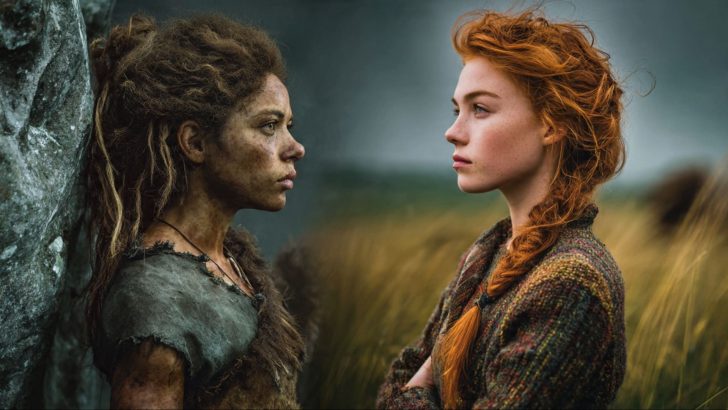
Early humans lived tens of thousands of years before us, and we still have a lot to learn about them.
As we know them currently, they stand somewhere between terrifying and relatable.
They engaged in cannibalism and crafted insane weapons, but they also loved their pets and made art. Here are 8 facts about prehistoric humans that sound made up!
1. A Man and Woman Buried With Their Dog (14,000 years ago)
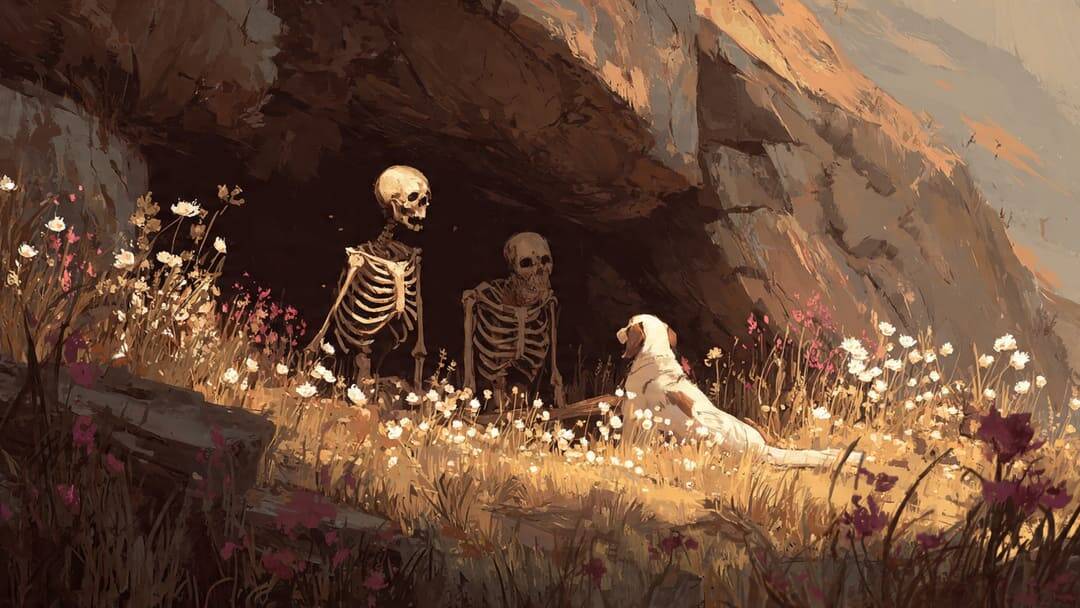
14,000 years ago in today’s Germany, early humans buried their loved ones with their dog. This is considered the earliest evidence of humans keeping pets.
The dog was laid to rest alongside a man and a woman, showing that even in those times, humans formed bonds with animals much like we do today.
It suggests they valued their pets, and even saw them as family.
This discovery adds nuance to the story of domestication, proving animals weren’t just tools or food; they were companions, with emotional ties that lasted even after death.
2. Neanderthals Buried Their Dead With Flowers
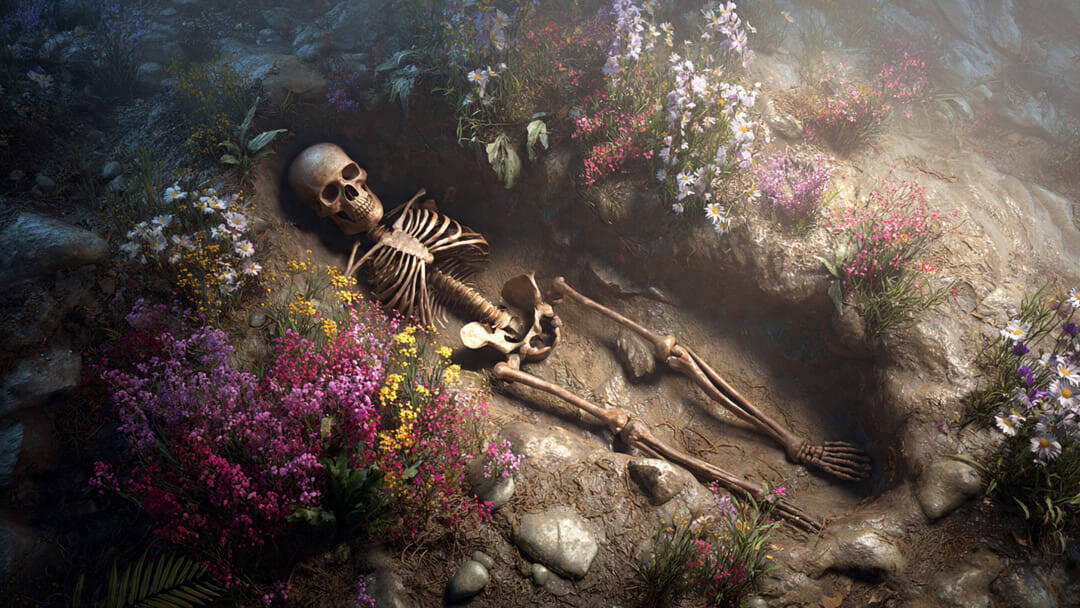
Neanderthals were among the most brutal early human species, and yet this discovery paints them as more sophisticated.
Some findings suggest they buried their dead with flowers or plant materials, which could mean they held rituals, and even that they had beliefs about an afterlife.
This kind of behavior points to a form of spirituality or, at least, a recognition that death was significant.
If true, it suggests Neanderthals possessed emotional depth to care for their loved ones after death.
It would mean they’ve had complex social and spiritual lives, similar to our own ancestors.
3. Most People Outside Africa Carry Neanderthal DNA
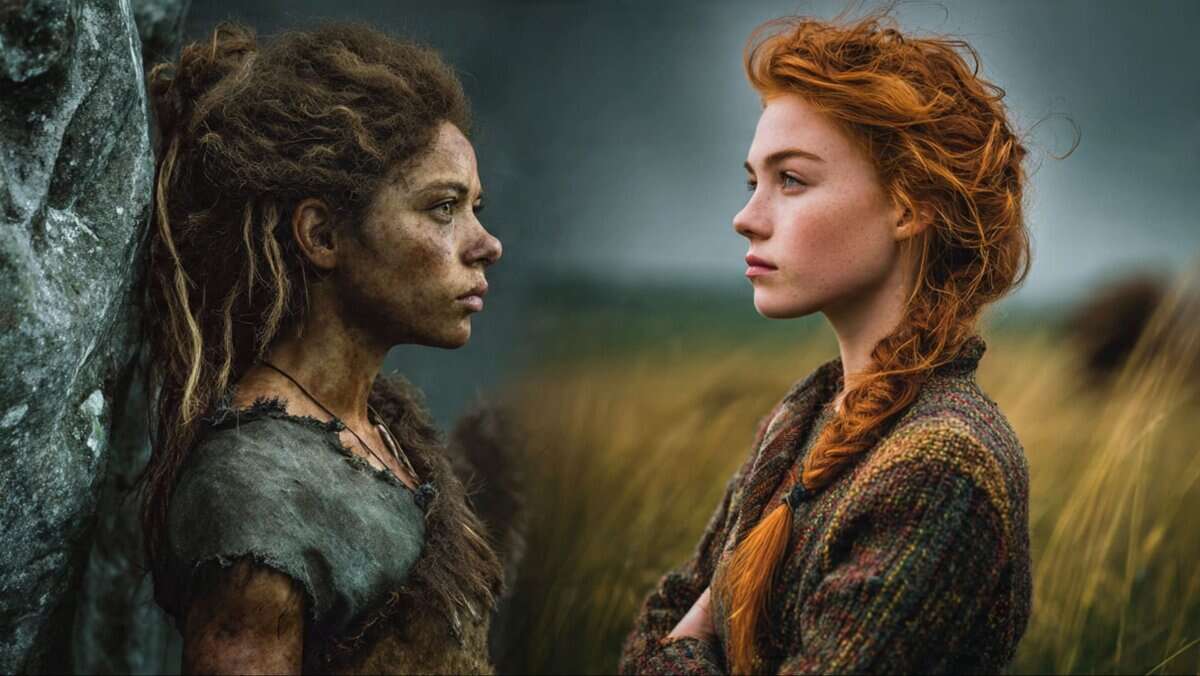
If you’re not African, chances are you carry some Neanderthal DNA, especially if you’re a ginger.
Early humans who left Africa mixed with Neanderthals, which means that a small part of our DNA might be from them.
In fact, modern medicine recognizes that gingers need to be medicated differently from people with darker hair, due to their MC1R gene.
This gene was also found in Neanderthals, suggesting some of them might have been pale and red-haired.
This interbreeding has left traces in our immune systems, pain tolerance, as well as skin and hair color.
It’s incredible to think that a part of us is a literal remnant of prehistoric Neanderthal life, influencing who we are to this day.
4. Terrors of Cannibalism
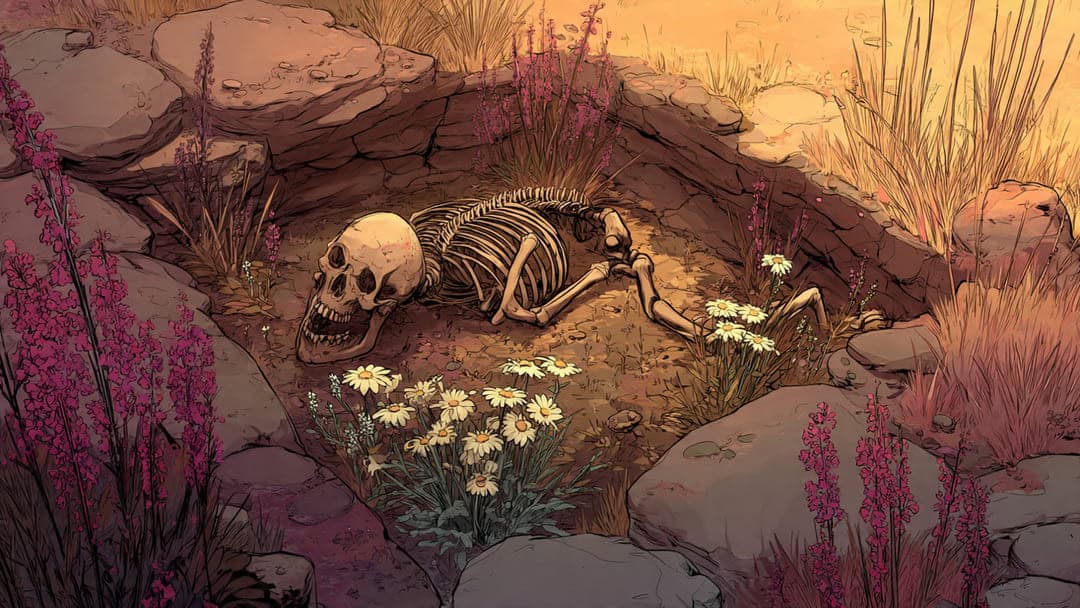
Cannibalism among early humans was tragically common; in times of famine, it was a survival strategy.
The earliest concrete evidence shows that groups sometimes ate their own, and that not even the young members of the group were spared.
This suggests that no one was safe – not even the children who were the hope of the group.
And even more terrifyingly, we can’t say for certain that cannibalism was driven by starvation only; it might have been ritualistic.
Today, tales of cannibalism among the elites exist as scary conspiracy theories. To think that it might have been an ordinary thing among prehistoric humans…
5. Humans Were Creating Art 40,000 Years Ago
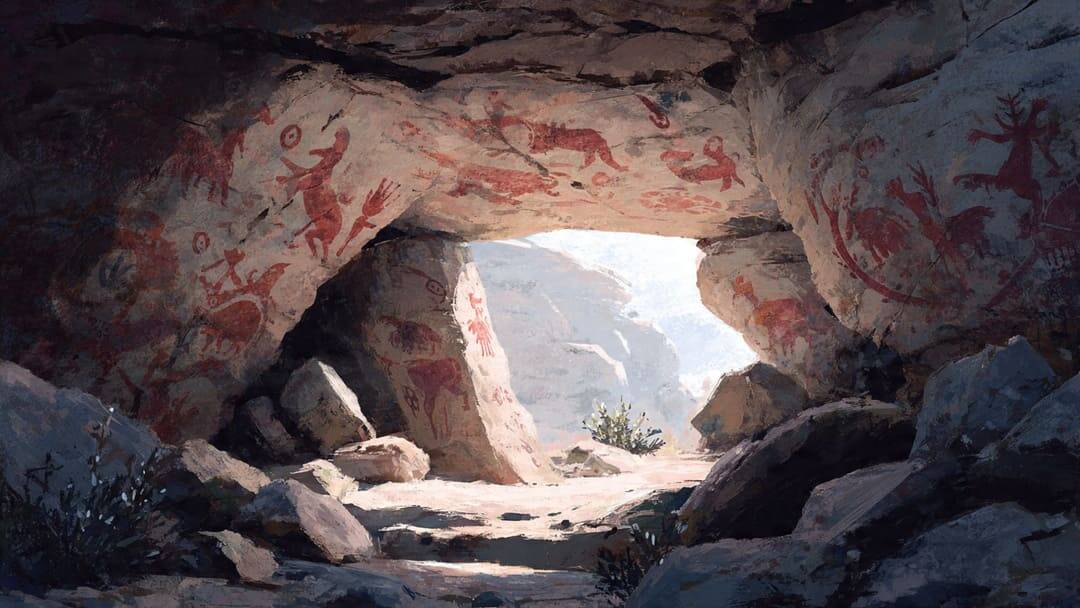
Long before the first letters were invented, early humans created art.
について Chauvet Cave paintings in France, dating back around 40,000 years, are among the oldest known art on Earth.
These stunning images of animals and abstract shapes predate written language by at least 35,000 years!
It means prehistoric humans had a desire to express themselves, tell stories, recreate what they saw, and maybe even perform rituals through art.
This creative drive shows they had culture and imagination.
The prehistoric sense of beauty laid the groundwork for all art and storytelling we have today.
6. At Least 5 Different Human Species Lived At the Same Time
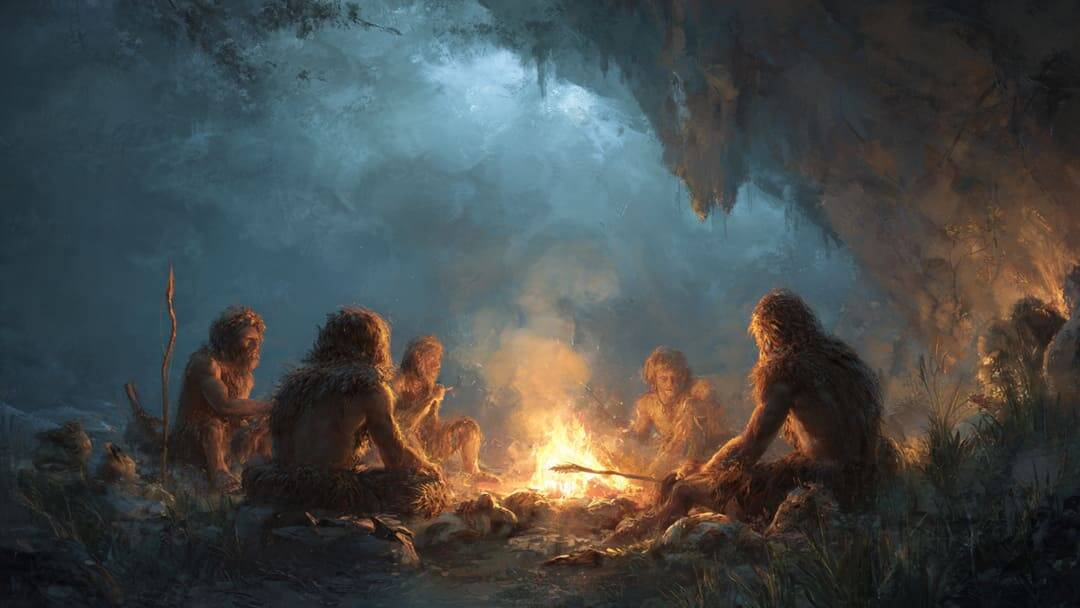
At some point, at least five different early human species coexisted and roamed the Earth. The estimated time is 300,000 years ago.
Mind you, these weren’t the same kind of humans who looked a bit different due to their environment and race.
These species evolved differently; they competed and were even predatory to each other.
Some evidence suggests that Neanderthals actively hunted our ancestors, while others suggest the very opposite, that we hunted them.
There were Homo Erecturs, Neanderthals, Denisovans, and others, each with their own traits and adaptations.
This diversity shows how complex and long human evolution was, with various species competing, adapting, and sometimes interbreeding.
7. The Atlatl
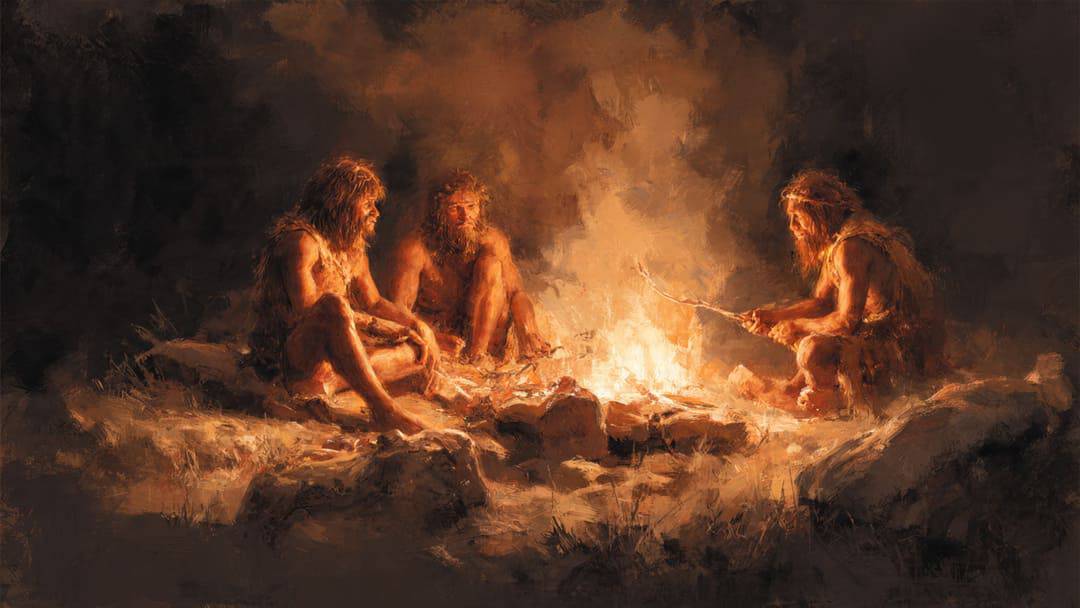
Early humans had to be very inventive with their weapons. They hunted bigger and deadlier game than we can even imagine.
Plus, they did it all on foot, with minimal shelter and basically no gear.
So, they came up with the atlatl, a spear-thrower that could hit targets with the force of a rifle; it made hunting more efficient and deadly.
The first spear-throwers date back to 15,000 BC, but the name atlatl comes from the Nahuatl language of the Aztec, who were still using it in the 1500s.
It allowed hunters to take down bigger prey from a safer distance.
It’s a testament to prehistoric ingenuity and understanding of physics.
8. No One Knows When Early Humans Started Speaking
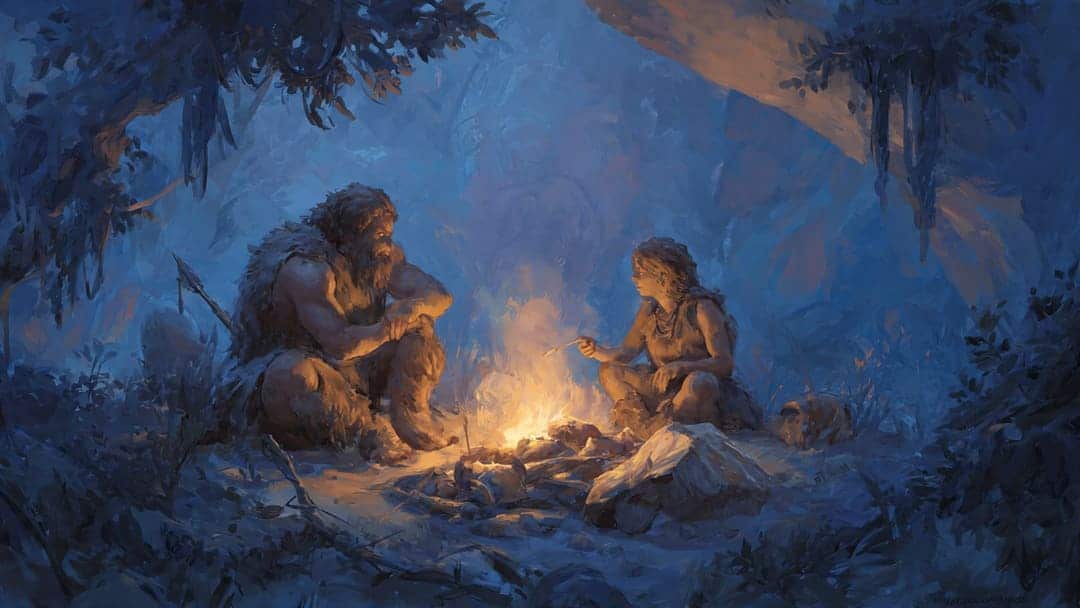
Language is one of humanity’s greatest achievements, but no one can say precisely when it began.
Some experts believe that the development of clear speech might have taken 500,000 years! This slow evolution started with primitive sounds and developed into a complex language.
Early humans communicated with gestures, noises, grunts, and basic words before developing full sentences.
The ability to speak clearly and articulate ideas changed everything; it enabled culture, cooperation, passing on knowledge, and so much more.

A little Aquarius, devoted to writing and embroidery. Through my writing, I hope to empower readers to align with their true selves and navigate life’s mysteries with confidence.