

April 30 has been commonly connected with strange beliefs in Europe.
On this date, known as Walpurgis Night, it was believed that things were less stable than they typically would be, and myths were made about gatherings of witches and unusual rituals that did not seem to follow normal rules of logic.
To understand Walpurgis Night, it is important to look at how many different factors work together to form this belief.
1. The Timing Between Seasons
April 30 is a time in nature’s cycle that represents transition and change. This time of year was particularly difficult for agricultural reasons. Crops were not entirely secure, and there was little certainty surrounding the weather conditions.
Many people believed there were mystical powers controlling everything from the settling of the crops to the weather; this belief continued into the modern day.
On April 30, the night was more than just a normal night; it represented a time when the world appeared less orderly than it had been during the previous season.
2. Pre-Christian Traditions
Many areas had established seasonal ceremonies prior to Christianity’s significant expansion.
Many were tied to fertility, protection, or the cycle of nature. Gatherings, fires, and symbolic ritual actions were often part of these traditions.
Over the years, these functions and actions were reinterpreted and replaced as newer religions replaced older faiths. What had previously been viewed as a normal process was subsequently viewed with skepticism.
3. The Influence of Saint Walpurga
Walpurga Night is named after Saint Walpurga, an English missionary who has a feast day on May 1. She is associated with protection from sickness and bad influence.
The night before her feast day was known for its association with both protection and fear.
Henceforth, there was a clear dichotomy between the two associations. This dichotomy reinforced the belief that there were entities that needed to be protected from.
4. Stories of Gatherings on Mountains
The idea that witches met on high land, particularly mountains, is one of those time-honored beliefs. In Germany, this was represented by the Brocken Mountain.
Gathering places for witches were said to have been held overnight, either symbolically or literally, resulting in an enduring belief that was enhanced due to the number of times it was told.
All of these sources provided the setting for Walpurgis Night, thereby establishing a basis for a clearer comprehension and discussion of what happened during that time.
5. Fear of Unseen Forces
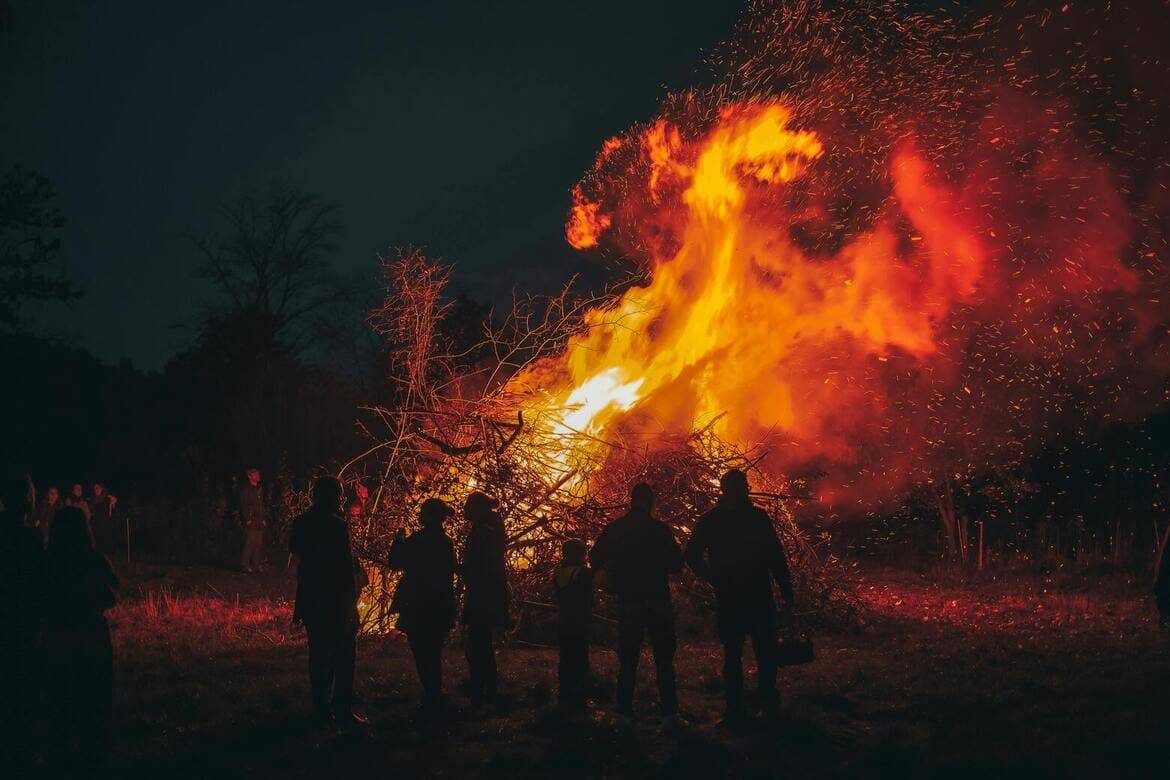
In the past, many things could not be explained; for example, why people got sick, fire, bad crop yields, or how the weather could change so quickly.
People living at that time used nights like April 30 to express fear of these unknown forces. It was difficult to understand because many were unfathomable; thus, they created witches as a way to define that terrible fear.
When witchcraft appeared to be part of culture, people began sharing their fears and passed along the idea. As time continued, these thoughts remained in society with or without proof.
6. Protective Rituals and Practices
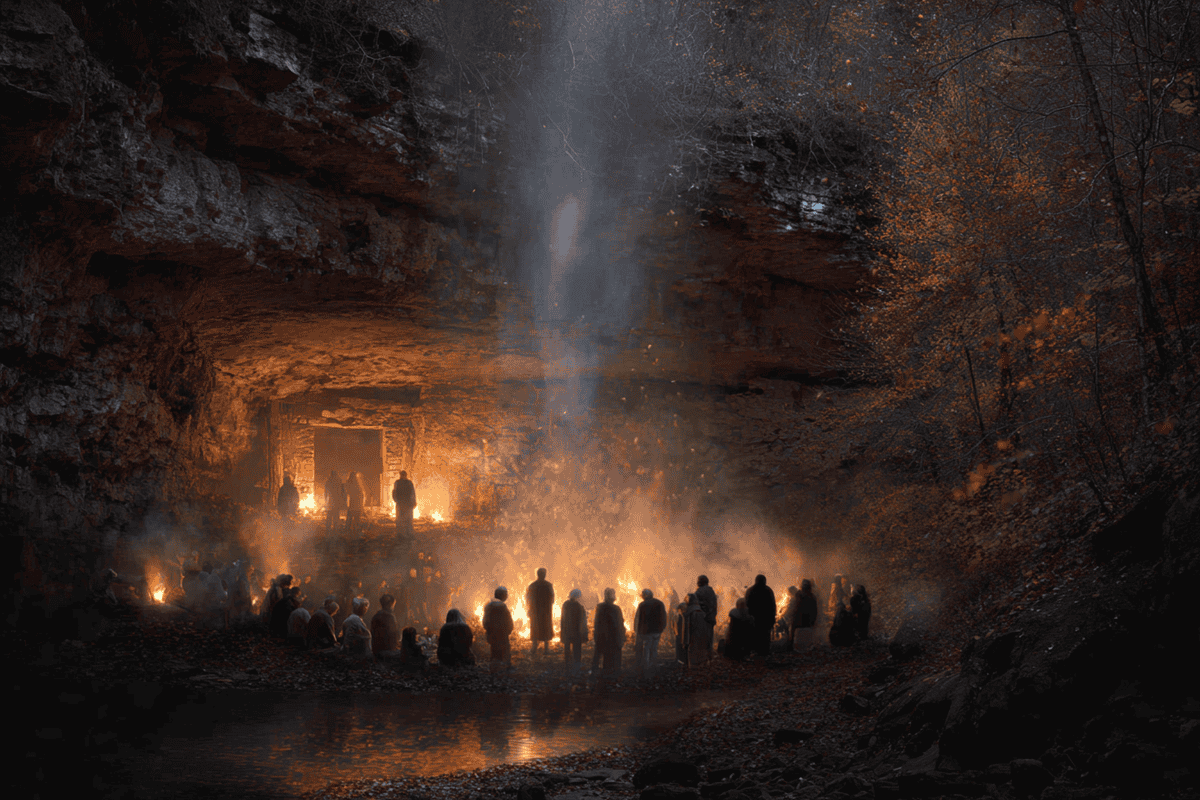
People feared this transitional night, but they found ways to respond. People would light fires, make chanting noises, and gather with others as a way to protect themselves from anything bad that could happen.
The rituals gave the people a sense of their own control and turned their fear into something they could actively prevent.
These traditions continued from one year to the next.
7. The Role of Storytelling
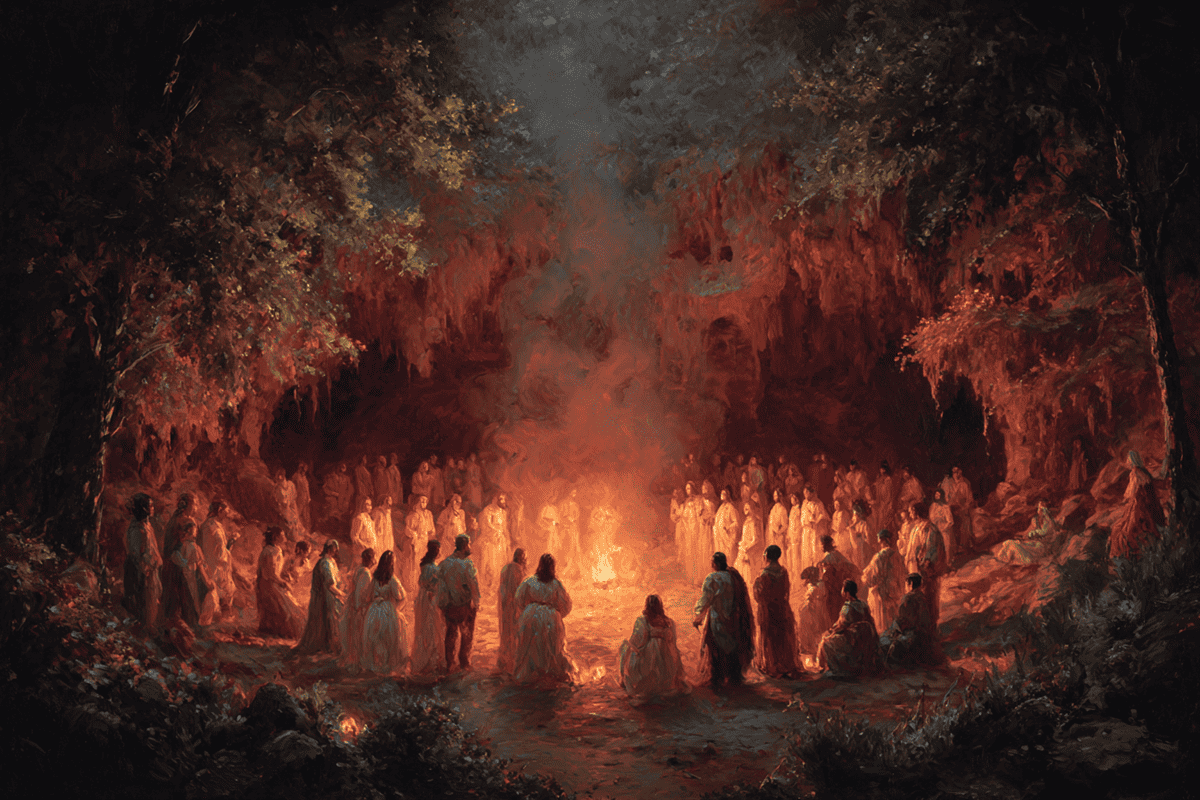
Walpurgis Night was originally described through storytelling. Stories describing Walpurgisnacht began as simple fables and were passed down through the generations until every generation made their story more complete than the generation before.
Every time a story was told about Walpurgisnacht, it gave life to the belief and verified its significance in that culture.
The more detailed the story became over time, the more real the event became, and the longer the memory lived on.
8. Changes Over Time
Walpurgis Night changed significantly over time; what used to be a symbol of fear has become a ritual celebrated annually in many parts of the world with little concern for its original meaning.
The original concept of Walpurgis Night hasn’t disappeared completely but rather has moved into the background.
This blend of old and new now allows us to continue observing Walpurgis Night even as our perception of it evolves.
9. The Influence of Literature and Art
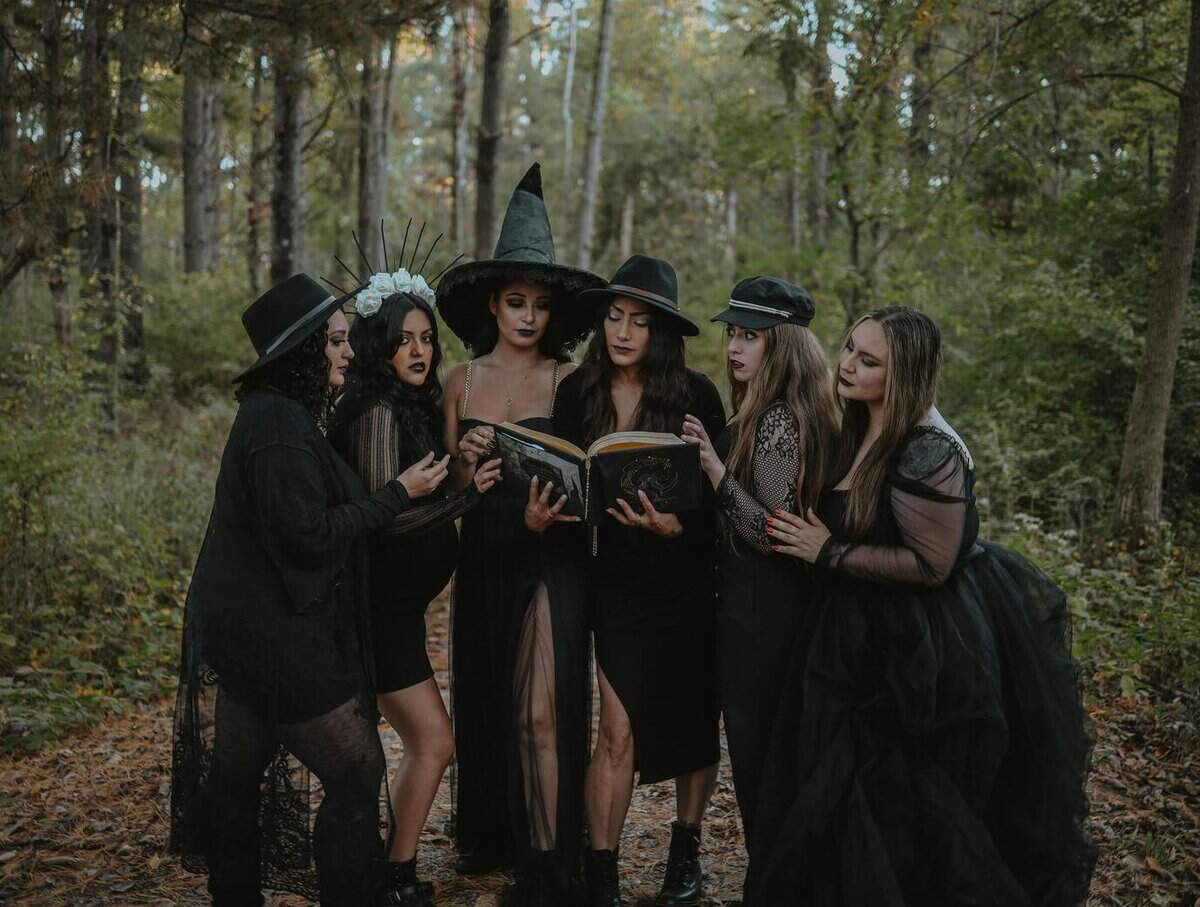
Writers and artists influenced how many see Walpurgis Night, depicting it in poetic, theatrical, and pictorial ways, which created a wider spread of the idea outside of the areas where it was celebrated.
Many works focused on the more dramatic aspects of the night and created more vivid and memorable imagery.
Witches became a symbol of this night, as did many other ‘negative’ beings.
10. Why It Still Captures Attention
Walpurgis Night is still of interest today with an interesting mix of history, belief, and storytelling that all feel somehow unique.
As with anything, one night of so much meaning holds people’s attention, and this also relates to how humanity has tried to wrap its head around change and uncertainty.
The fear of the night may not exist as it did in the past, but the story continues to exist in our collective cultural memory.

Born and raised in Bosnia and Herzegovina. Ever since I was a little girl, my imagination knew no bounds. I remember vividly how I’d scribble down short stories, each page bursting with adventures and characters conjured up from the whimsy of my mind. These stories weren’t just for me; they were my way of connecting with my friends, offering them a slice of my fantasy world during our playtimes. The joy and excitement on their faces as we dived into my fictional realms motivated me to keep writing. This early passion for storytelling naturally evolved into my pursuit of writing, turning a childhood hobby into a fulfilling career.