
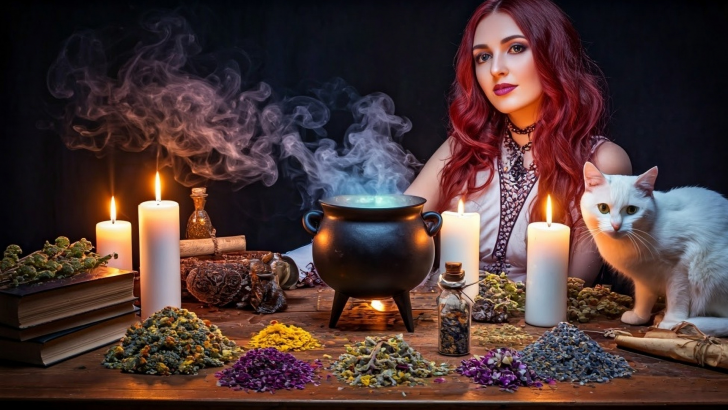
Before modern science and medicine developed, people relied on observation, experience, and tradition to understand how the natural world worked.
Plants played a central role in this process, especially in healing practices. Herbal medicine was not just seen as a physical remedy, but as something deeply connected to mystery, intuition, and unseen forces.
Because people did not fully understand how or why certain plants worked, their effects often felt magical.
Knowledge about herbs was usually passed down through generations, sometimes kept within specific groups, which made it feel rare and powerful.
In many cultures, those who understood plants were respected, but also sometimes feared, because their knowledge seemed beyond ordinary understanding.
This connection between healing and mystery shaped how herbal medicine was viewed for centuries.
In this article, we explore eight reasons why herbal medicine was once seen as magical knowledge and how that perception developed over time.
1. Limited Scientific Understanding Made Effects Feel Mysterious
In early societies, people did not have scientific explanations for how the body worked or how plants affected it.
When someone used a plant and saw improvement, the result often felt surprising and unexplainable.
Because there was no clear understanding of chemistry or biology, the healing effect seemed almost supernatural.
This created a sense of mystery around herbal remedies. People knew that certain plants worked, but they did not know why.
This knowledge gap made herbal medicine feel magical rather than logical. Over time, repeated success strengthened this belief.
It started turning practical healing into something that felt connected to unseen forces and hidden knowledge.
2. Knowledge Was Passed Down Secretly
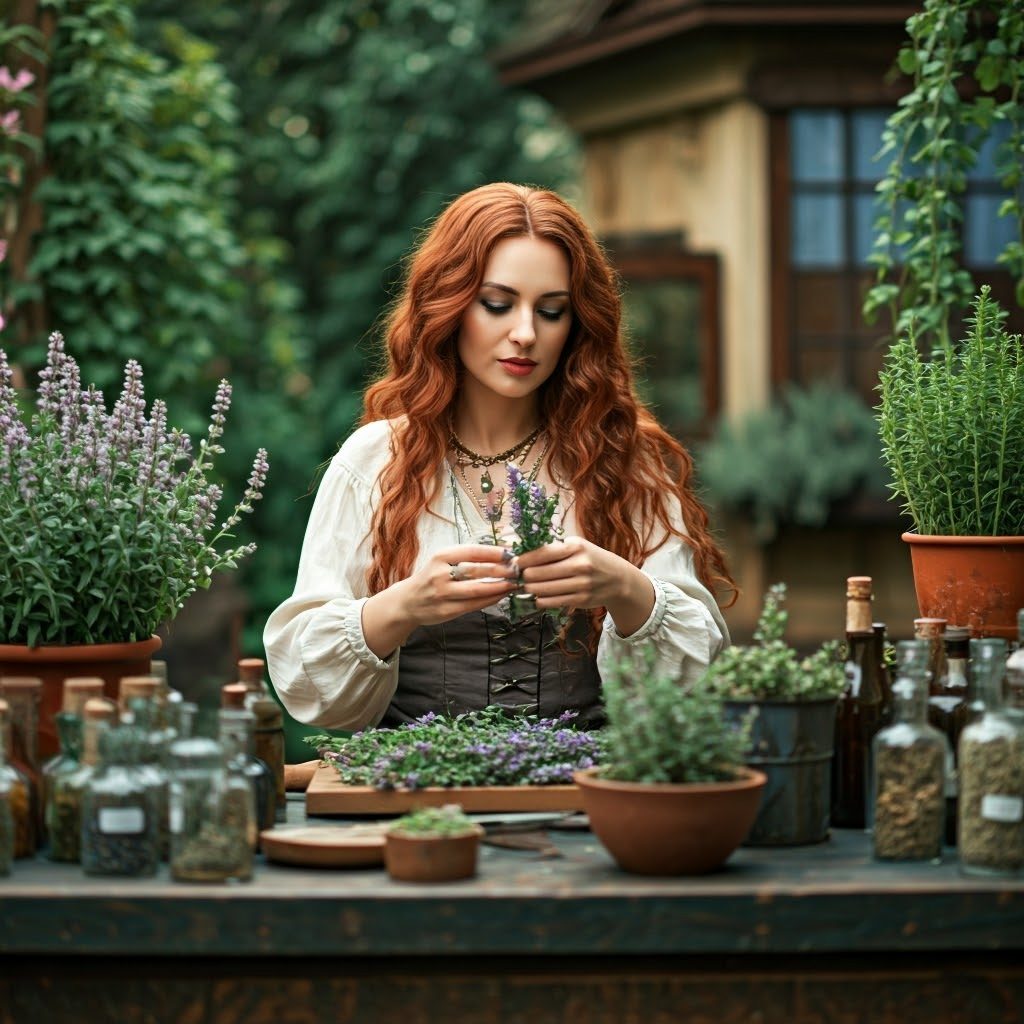
Herbal knowledge was often passed down within families or small groups rather than shared openly. This created a sense of exclusivity around it.
Those who knew how to use plants effectively were seen as holding special or hidden knowledge. Because not everyone had access to this information, it appeared rare and powerful.
In many cultures, healers learned through direct teaching, observation, and experience over many years.
This secrecy added to the idea that herbal medicine was something magical rather than something anyone could learn. It also increased respect for those who practiced it.
3. Healers Were Seen as Special Figures

People who practiced herbal medicine were often seen as different from others in their community.
They were sometimes viewed as wise, intuitive, or connected to nature in a deeper way. Because they could help people feel better using plants, they were given a special role.
In some cases, they were respected and trusted, while in others, they were also feared or misunderstood.
This combination of respect and mystery contributed to the idea that their knowledge was magical. Their ability to heal without visible tools or modern methods made their work seem unusual and powerful.
4. Plants Were Linked to Spiritual Beliefs
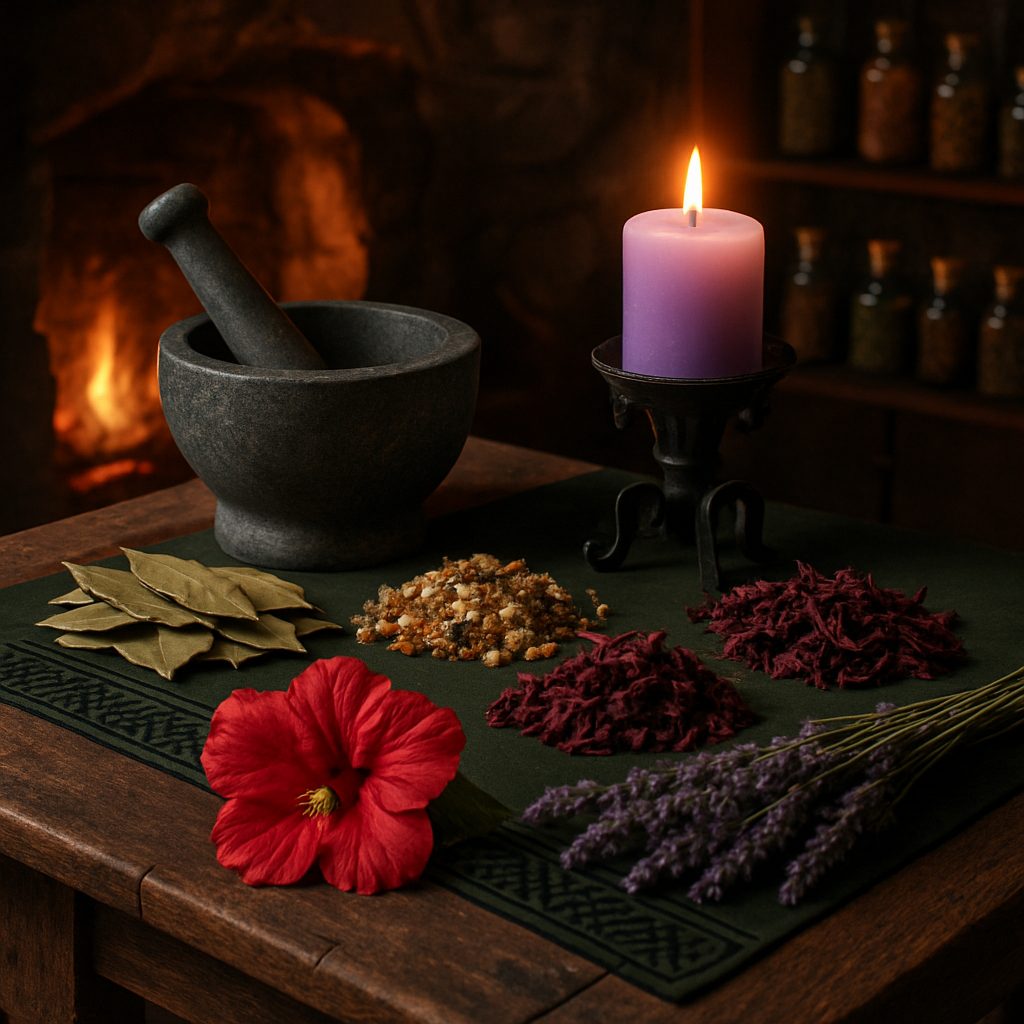
In many traditions, plants were not seen as simple natural objects, but as part of a larger spiritual system.
People believed that plants had their own energy or meaning, which could influence human life. Because of this, using herbs for healing was sometimes connected to spiritual practices or rituals.
This made herbal medicine feel more than physical. It became something that connected the body, mind, and spirit.
The belief that plants carried deeper meaning strengthened the idea that working with them required special understanding and respect, adding to the sense of magic.
5. The Effects Were Not Always Immediate
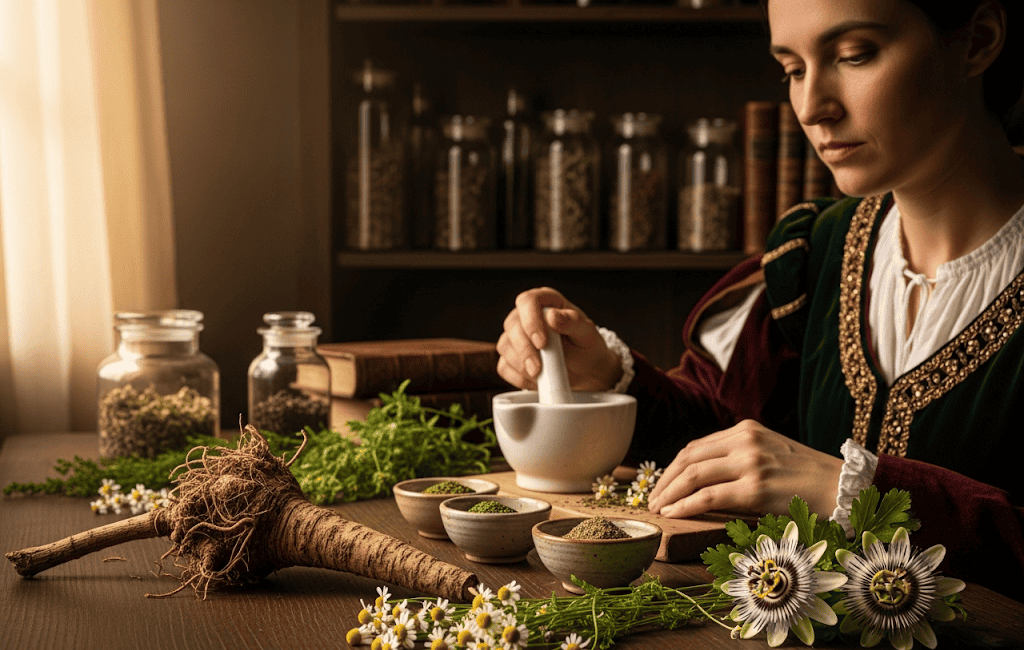
Herbal remedies often work gradually rather than instantly. In the past, this slow change could feel mysterious because the process was not always clear.
People might take a plant for days or weeks and then notice improvement. Without a scientific explanation, this delayed effect could feel like something hidden was happening over time.
This added to the belief that the plant was working in a subtle or unseen way.
The gradual nature of herbal healing made it feel less predictable and more mysterious, which reinforced its connection to magical thinking.
6. Symbolism Was Often Involved
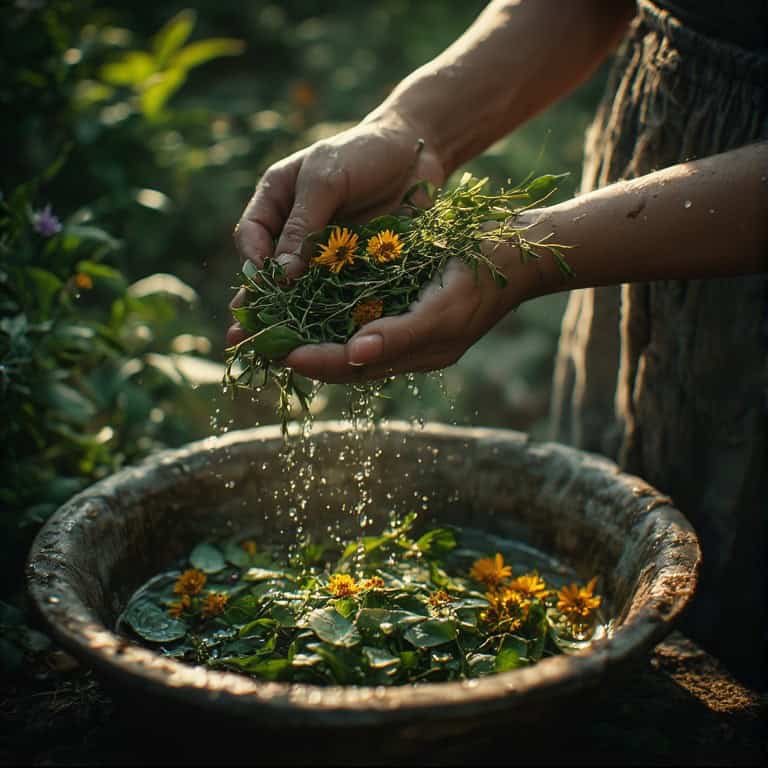
Many herbal traditions included symbolic meanings connected to plants. Certain herbs were chosen not only for their physical effects but also for what they represented.
For example, a plant’s shape, color, or environment might influence how it was used. This practice, sometimes called the doctrine of signatures, made herbal medicine feel more symbolic than scientific.
People believed that nature gave clues about how plants should be used. This blending of observation and symbolism added to the sense that herbal knowledge was based on deeper, hidden meanings rather than simple logic.
7. Results Varied From Person to Person
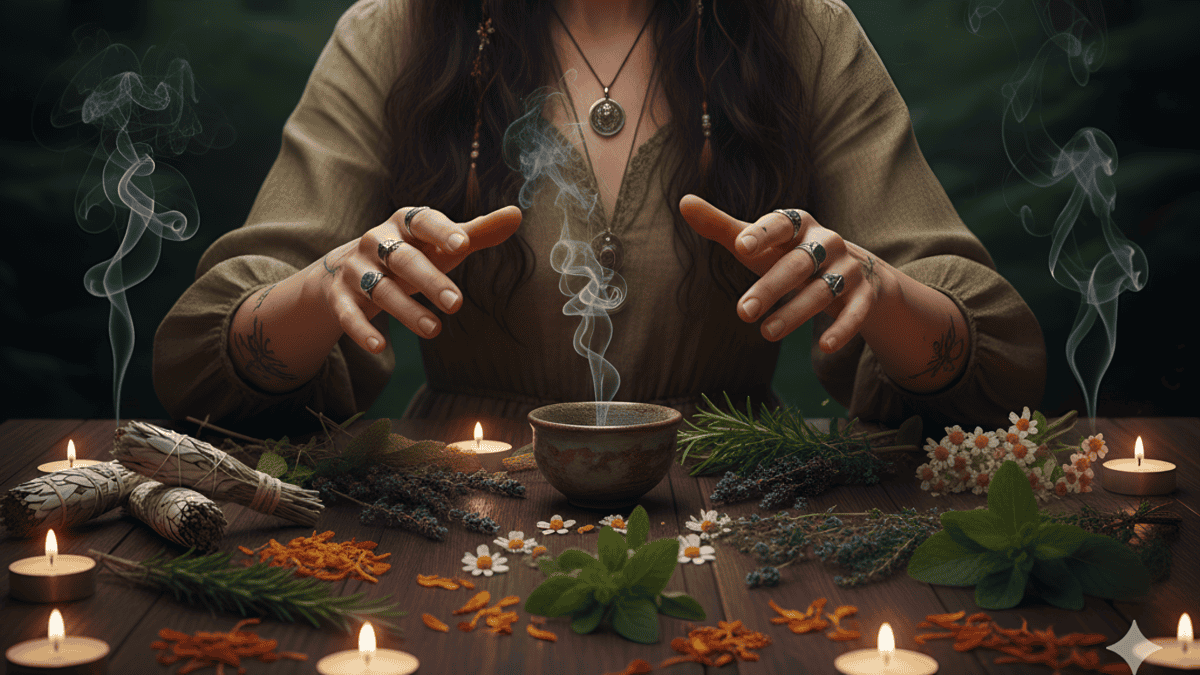
Herbal medicine does not always produce the same result for every person. In early times, this variation made it harder to understand and predict.
When something worked for one person but not another, it created uncertainty. This unpredictability made herbal medicine seem less controlled and more mysterious.
People could not easily explain why results differed, so they sometimes connected it to unseen forces or individual conditions that were not fully understood.
This added to the belief that herbal healing involved more than just physical cause and effect.
8. It Was Closely Connected to Nature
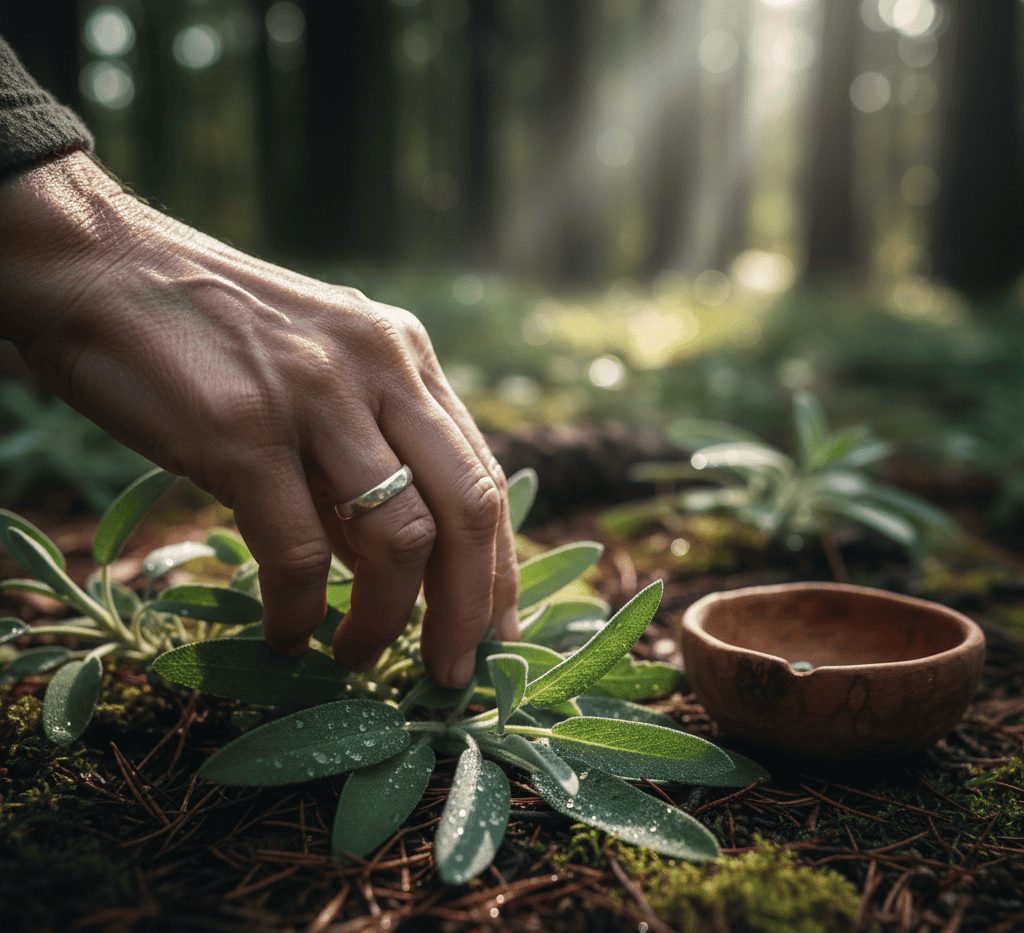
Finally, herbal medicine was deeply connected to the natural world, which itself was seen as mysterious and powerful.
Forests, plants, and natural landscapes were often viewed as places of hidden knowledge and energy.
People believed that nature held answers, but those answers were not always easy to access. Working with herbs meant interacting with this larger system.
This connection made herbal medicine feel like a bridge between humans and nature’s deeper forces.
Because nature was not fully understood, anything linked to it carried a sense of wonder and mystery.
This helped shape the idea that herbal medicine was a form of magical knowledge rather than just practical healing.

私は生まれたときから、常に神との強いつながりを感じていた。作家として、また指導者として、私の使命は、人々が最も暗い時代に愛と幸福と内なる強さを見つけるのを助けることである。