
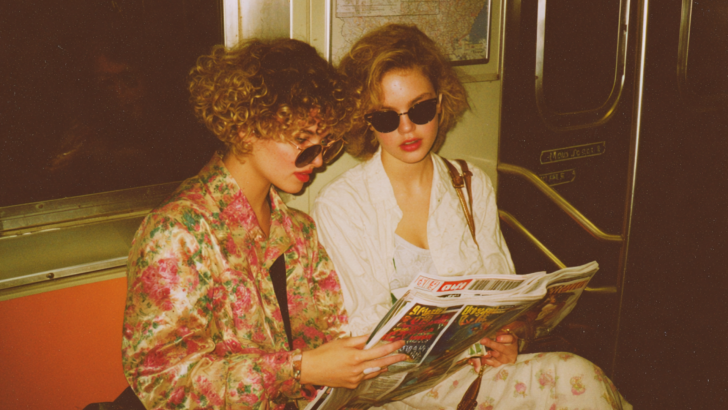
の中で ’90s and early 2000s, everyday practices seemed like they were normal and would last forever, and yet some of those experiences are now rare and becoming extinct.
Once commonplace habits dwindled over time as テクノロジー shaped habit formation and changed our patterns of communication.
Remembering these types of things demonstrates the amount of change that exists in daily life, and it creates a nostalgic feeling.
1. Reading Product Reviews in Magazines
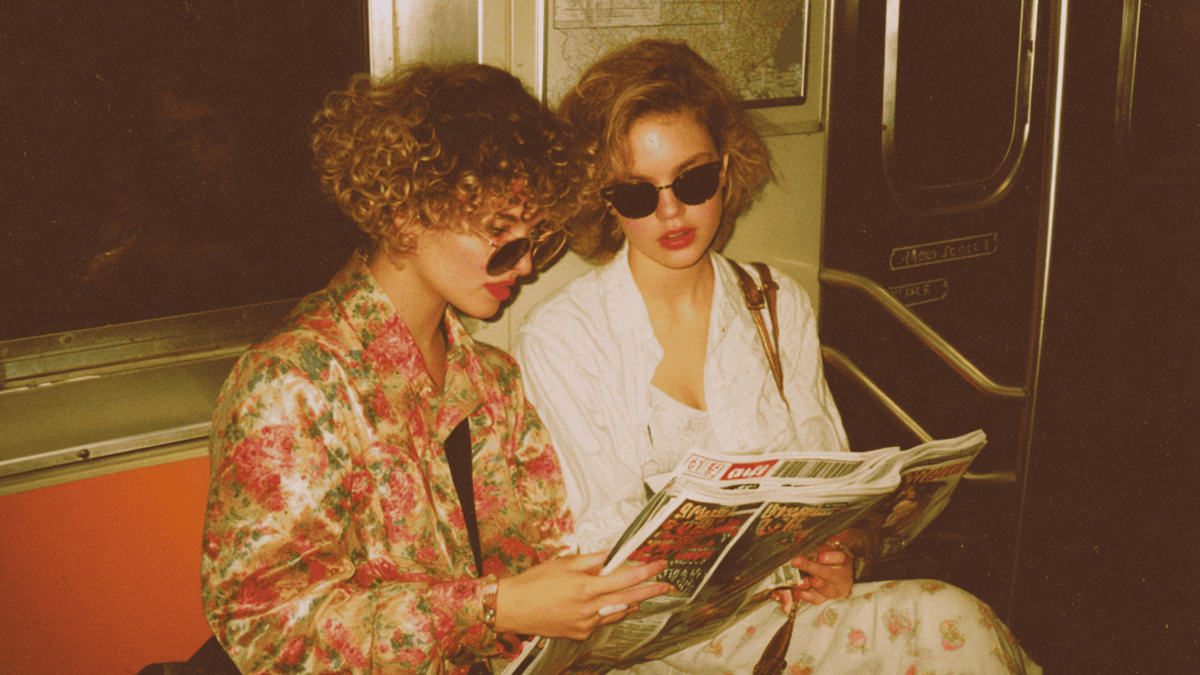
Before we had instant and limitless access to read product reviews online, people used many different outlets, i.e., magazines, TV shows, etc., to determine what to purchase.
The delay between print reviews being published to you in magazines or television shows allowed you to take longer to make an informed purchase and disabled you from becoming overwhelmed by too much information at one time when purchasing products.
Today, we can do research relating to product purchases by watching videos, reading ratings, and reading other people’s reviews on social media instantly.
Since shopping has become more digital and more immediate, the old habit of reading product reviews in magazines is not present in our purchasing decisions any longer.
2. Memorizing Phone Numbers
As each household had one phone, people used to remember dozens of phone numbers (friends, relatives, businesses, and local businesses).
They used their memory much more than we do today, and it was also part of daily life. In the present day, however, most people know fewer than five or six phone numbers by memory because the phone is now a computer, and phone number storage is automatic.
The most interesting part of this change is that it has occurred quietly and unexpectedly. When your phone is lost, you often lose the ability to call people who are not in your top five memorized numbers.
3. Watching Whatever Was on TV
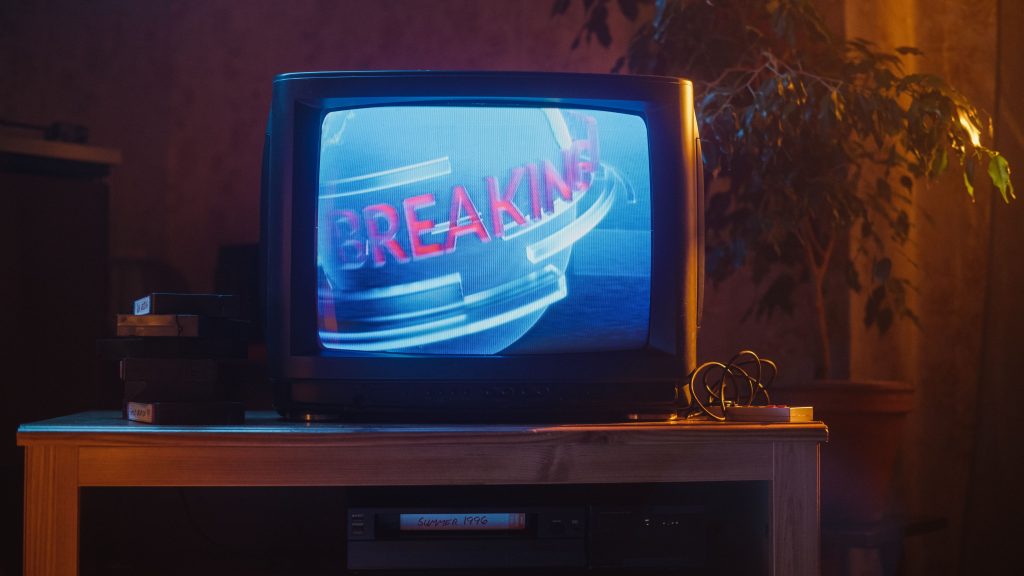
Remember waiting the whole day until you could watch your favorite show at 8 PM? Viewers used to watch television shows whenever they were scheduled.
Now, viewers are currently watching programs whenever the timing works for them, with the increase in streaming options.
Over time, viewers’ habits have changed, and randomly discovering programs has become less frequent. In addition to becoming less frequent, viewing has become more personalized than shared.
4. Printing Directions Before Leaving Home

Before there were smartphones or navigation applications, many people relied on printed maps or directions to find their way around.
If someone missed a turn while finding a new location, it would take them hours to sort out what happened so they could find their way back.
People relied upon other people’s memories, landmarks, and directions as a source of guidance. Finding the best route to a new destination has been made simpler with instant access to directions through smartphones.
Most people do not even realize the length of time so many people had to rely upon printed maps for assistance with directions.
5. Video Rental Store Experience

When people rented videos, it took them a long time to go through the aisles of a video rental store to select a video.
Now, people have switched to streaming viewing and renting, so they don’t have to worry about how long it will take to select a title before watching it.
Before streaming services made entertainment easy to get without doing anything physical, people used to go into rental stores and browse for movies using the old-fashioned method. That is no longer possible because rental stores no longer exist (almost all are gone now).
6. Waiting for Photos to Be Developed

There was once a time when having photos required patience; until you finished an entire roll of film, it had to stay in your camera.
By the time you received the prints of the photos you took, you would often forget what you took a picture of (indeed, seeing your pictures was part of the experience).
Instant photo sharing via smartphones means that there is no longer an anticipatory feeling compared to getting pictures developed; the experience of taking the photo has become immediate and continuous.
Although people will take many more pictures than in the past, they will no longer have that sense of excitement when seeing them for the first time and having a laugh.
7. Using Desktop Computers for Everything
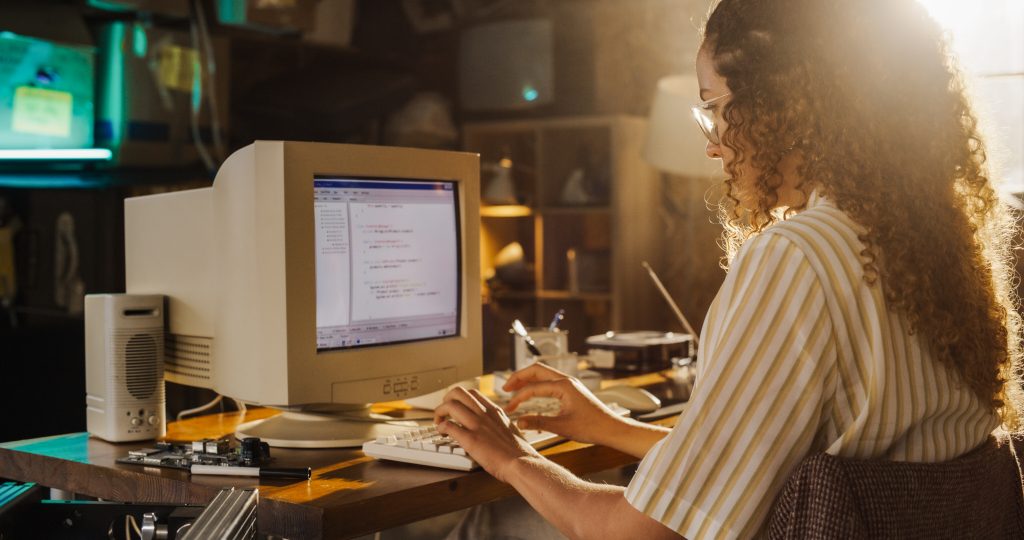
Even in the 1990s and early 2000s, when you were going to surf the internet, you usually sat down at one designated computer at a designated location to do so; generally, your family would share that computer with you. Surfing the internet was much more intentional.
The advent of the smartphone has completely changed the manner in which we access the internet by providing constant and portable internet access; no longer can we “go online,” we are continually connected to the internet.
Technology went from something that we only accessed once or twice daily to being part of our everyday lives; we now go to work, home, or any location while being online all day.
8. Burning CDs for Friends

When creating a playlist, you had to put a lot of thought into the selection process while burning the playlist on a CD.
You showed your friend that you took the time to create a physical CD with a playlist on it, rather than just providing a link to the same playlist they could access immediately through a streaming service. Both processes allow people to access music quickly.
But the process of creating a mixtape was so much slower and purposeful. Even though we have more access to music now, we have lost the connection of listening to a given mixtape while making physical memories/connections to that specific music.
9. Hanging Out Without Constant Updates
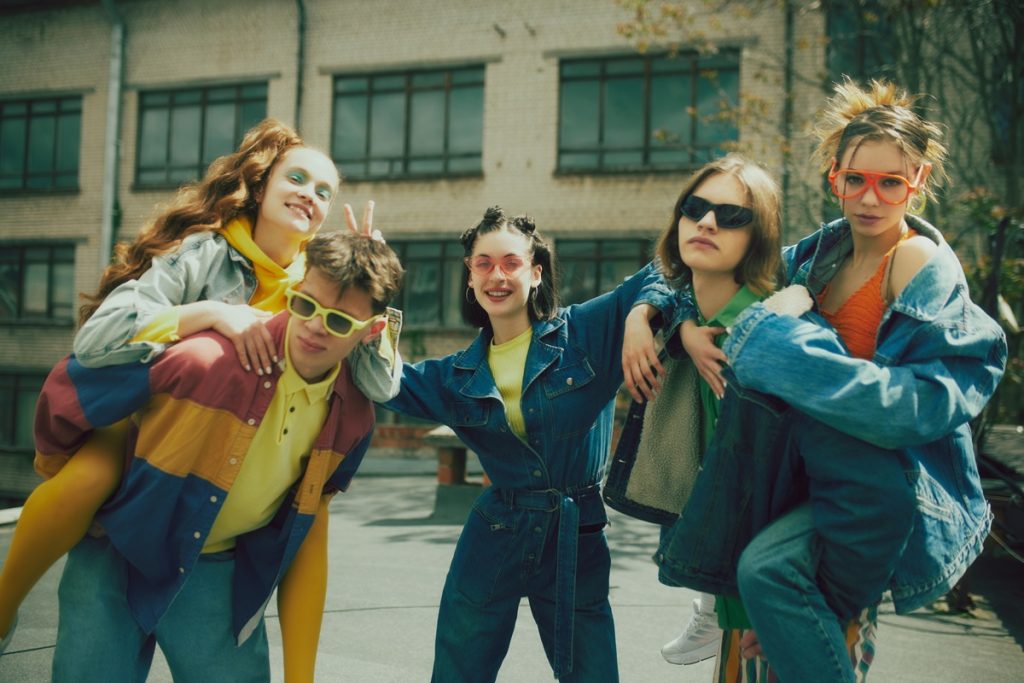
In the early 90s and 2000s, you could leave home for several hours every day without being in constant communication with others about what you were doing.
If you had made plans to be with someone, those plans would be taken seriously. Since the advent of text messaging, people expect instantaneous communication from one another today.
We share our present locations with one another in real-time, and the feeling of temporary separation from others has all but disappeared.
10. Calling Someone Without Sending a Message First

In the past (the ’90s and early 2000s), calling someone was much more direct and spontaneous. You picked up the phone and called someone, whether that person was expecting to get a call or not.
You had no expectation of any successful communication until you answered the phone or were told no. Nowadays, most people send an initial text message to ask if it is okay to phone someone.
Therefore, in the modern age, there is a different expectation for an incoming call; it is sometimes seen as unwanted.
The availability of texts as communication methods and calls being the second resort makes both the older and the younger generations use text as the preferred mode of communication.

Born and raised in Bosnia and Herzegovina. Ever since I was a little girl, my imagination knew no bounds. I remember vividly how I’d scribble down short stories, each page bursting with adventures and characters conjured up from the whimsy of my mind. These stories weren’t just for me; they were my way of connecting with my friends, offering them a slice of my fantasy world during our playtimes. The joy and excitement on their faces as we dived into my fictional realms motivated me to keep writing. This early passion for storytelling naturally evolved into my pursuit of writing, turning a childhood hobby into a fulfilling career.