
The name Beelzebub has echoed through religious texts, legends, and popular culture for centuries.
It sounds dark, mysterious, and a little unsettling, which is probably why it has captured people’s imagination for so long.
In some traditions, Beelzebub is described as a powerful demon. In others, the name is connected to false gods and spiritual corruption.
Over time, this figure became one of the most recognizable names associated with evil. Yet the story of Beelzebub is more complex than many people realize.
It begins in the ancient world, passes through the Bible, and later appears in literature and folklore.
Whether seen as a symbol of temptation, decay, or rebellion, Beelzebub continues to fascinate readers today.
Here are seven things to know about the figure known as the Lord of the Flies.
1. The Name Beelzebub Has Ancient Roots
The name Beelzebub comes from a much older title, often linked to the Philistine god Baal-Zebub. This deity was worshipped in the ancient city of Ekron.
The name is usually translated as “lord of the flies.” At first glance, that title sounds strange, even a little disgusting.
But in the ancient world, names often carried symbolic meaning. Flies were associated with decay and filth, so the title may have been used as an insult by later writers.
Over time, what began as the name of a foreign god became associated with something much darker. This shift shows how names can change meaning as cultures and beliefs evolve.
2. The Bible Mentions Beelzebub
Beelzebub appears in the Bible, where the name is used in a negative spiritual context.
In the New Testament, some people accuse Jesus of casting out demons by the power of Beelzebub, described as the prince of demons.
This accusation was meant to discredit him, but it also reveals how well-known the name had become. By this point, Beelzebub was no longer viewed as a local deity.
He had become a symbol of demonic power. The mention is brief, but it helped cement the name in religious imagination for centuries to come.
3. He Became Known as the Lord of the Flies
The title “Lord of the Flies” is one of the most memorable names in demonology. It creates a vivid image of decay, swarming insects, and corruption.
In many traditions, flies symbolize things that gather where something is rotting. This makes the title feel deeply symbolic.
Beelzebub is often associated with spiritual decay, moral corruption, and the attraction to what is unhealthy.
The image is unpleasant, but that is exactly the point. It reflects the idea that evil often appears where something has already begun to break down.
4. Later Traditions Ranked Him Among Powerful Demons
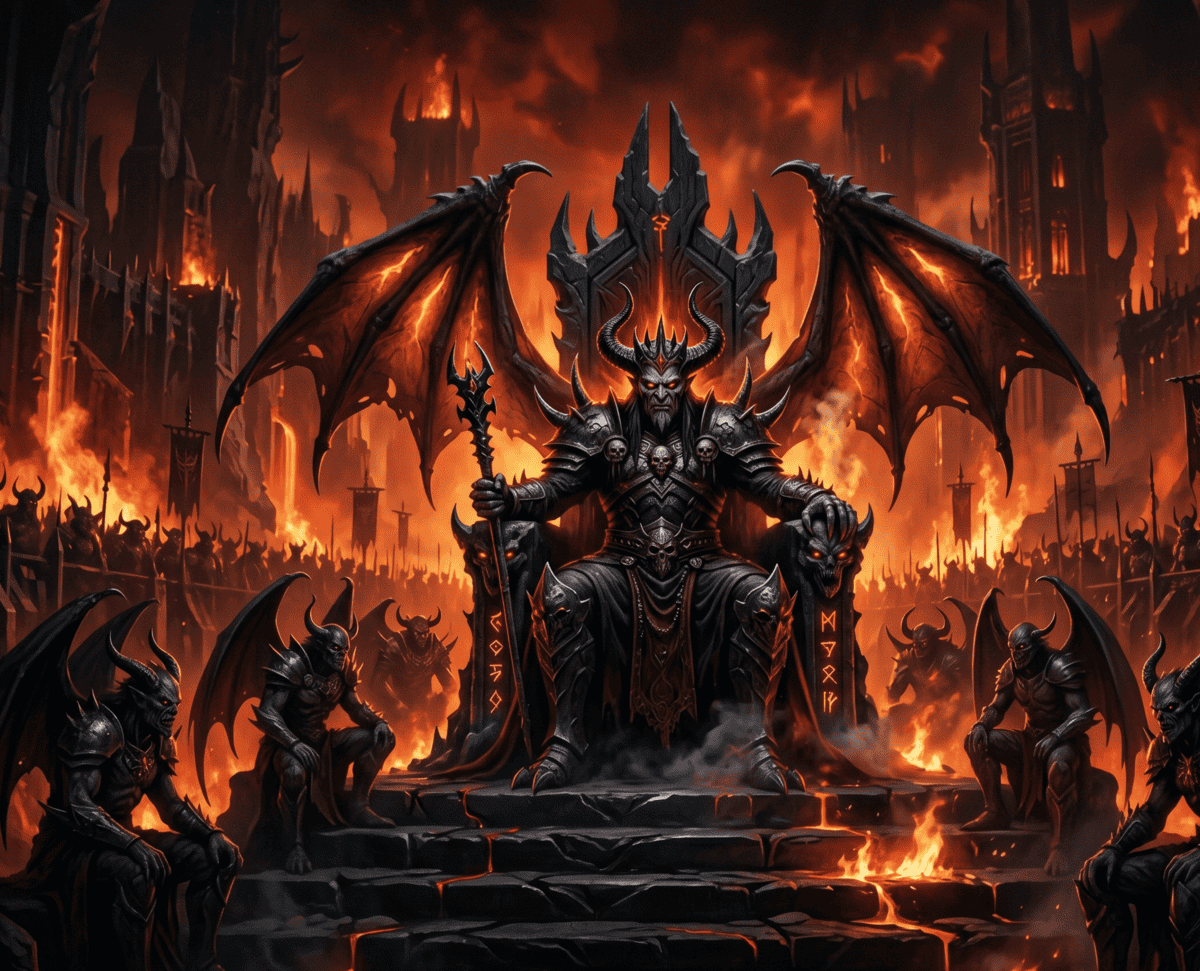
In medieval demonology, Beelzebub was often listed as one of the highest-ranking demons. Some writers placed him just below Satan himself.
These later traditions expanded on brief biblical references and created detailed hierarchies of infernal beings.
In these writings, Beelzebub became a major figure associated with pride, temptation, and rebellion.
While these descriptions are not all found in scripture, they had a huge influence on how people imagined the demonic world.
His name grew from a single reference into one of the most feared in religious folklore.
5. He Symbolizes Corruption and Temptation
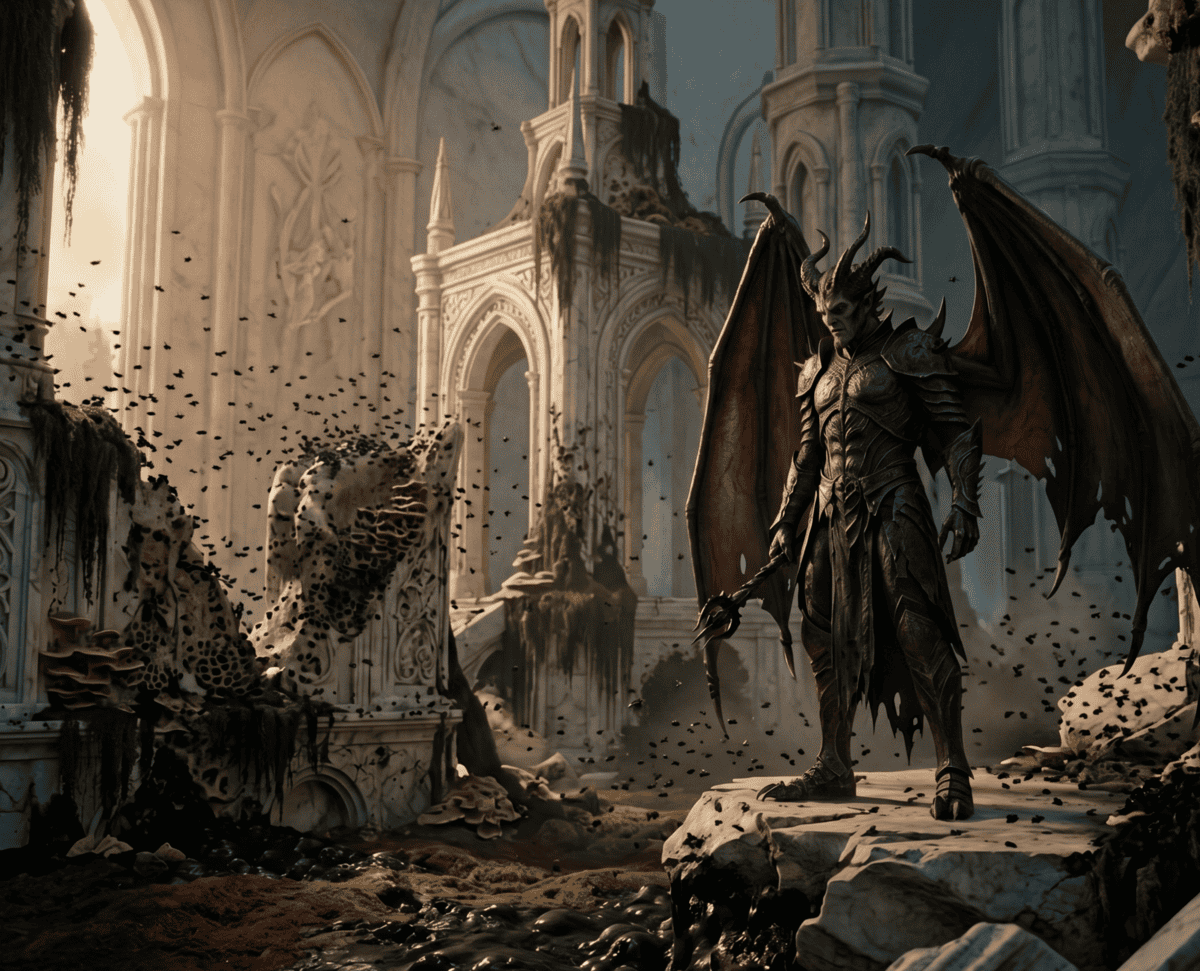
Beelzebub is often understood symbolically rather than literally. His title and reputation connect him with decay, moral collapse, and spiritual distraction.
In this sense, he represents the forces that pull people away from what is healthy and meaningful. The symbolism is powerful because it uses a simple image.
Flies gather where something is rotting. In the same way, harmful habits often gather where people neglect their inner lives. This interpretation gives the figure a deeper meaning beyond fear alone.
6. Literature Helped Keep His Name Alive
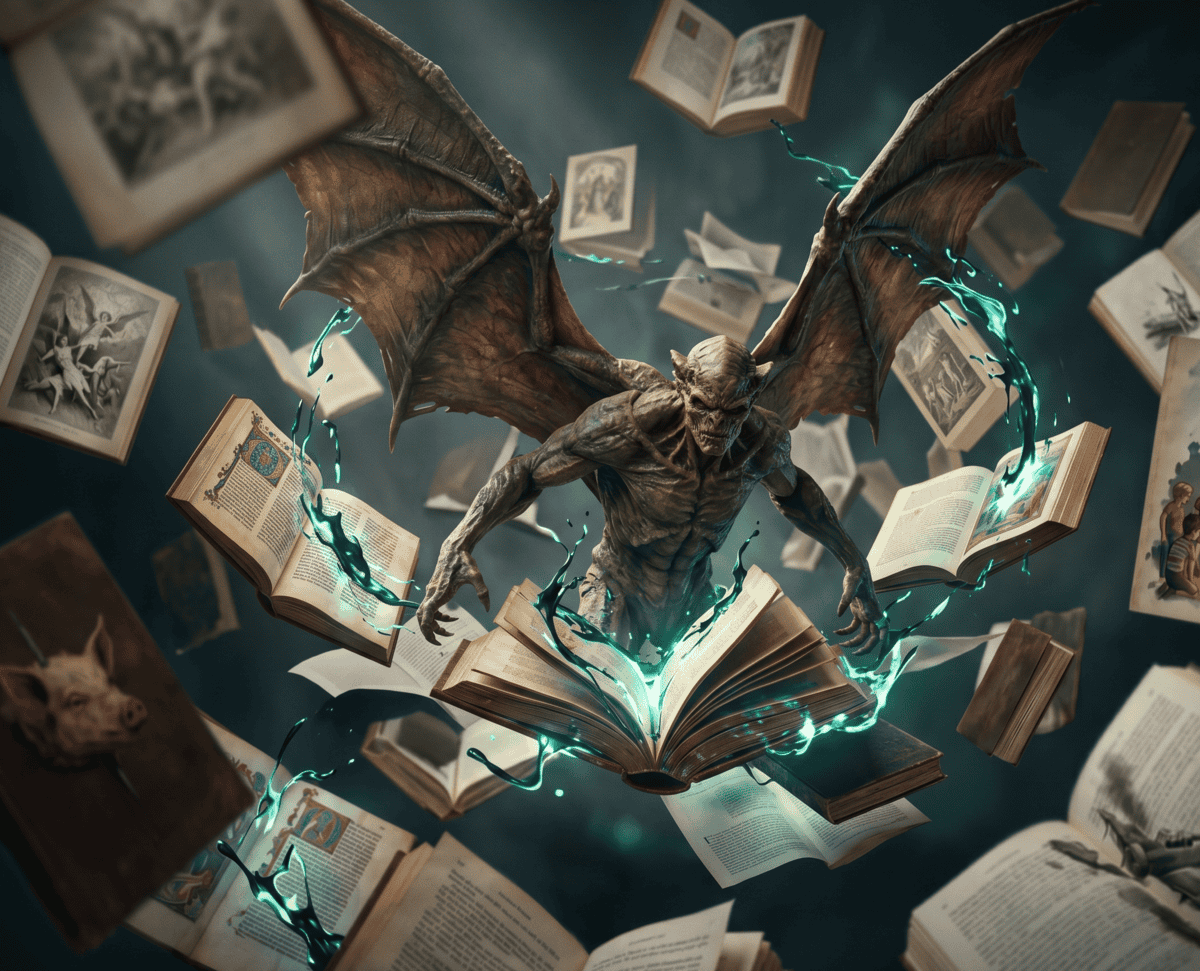
Beelzebub appears in famous works of literature, including John Milton’s Paradise Lost and William Golding’s Lord of the Flies.
These works used the name to explore themes of evil, power, and human nature. Even people who have never read ancient texts may recognize the name because of these stories.
Literature helped transform Beelzebub from a religious figure into a lasting cultural symbol. His presence in books and art shows how old myths and beliefs continue to shape modern imagination.
7. His Story Reflects Humanity’s Fear of Inner Decay
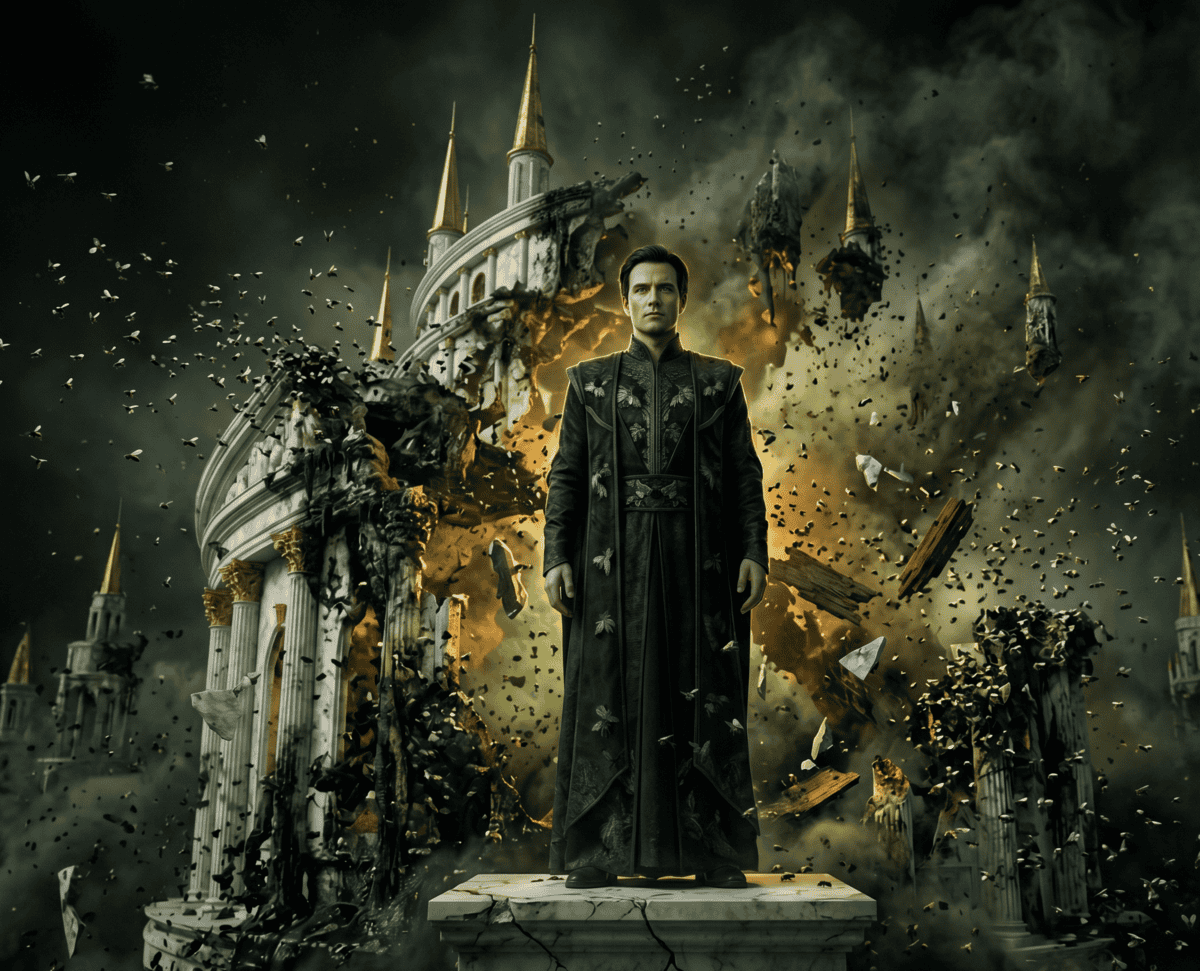
What makes Beelzebub so memorable is not just the strange name, but what it represents. He symbolizes the fear that corruption can begin quietly and spread if ignored.
The image of flies gathering around decay captures that idea in a simple but powerful way.
Whether seen as a literal demon or a symbolic figure, Beelzebub reminds people to pay attention to what they allow into their lives.
His story endures because it speaks to a timeless concern: that what seems small at first can grow into something much more destructive over time.

私は生まれたときから、常に神との強いつながりを感じていた。作家として、また指導者として、私の使命は、人々が最も暗い時代に愛と幸福と内なる強さを見つけるのを助けることである。