
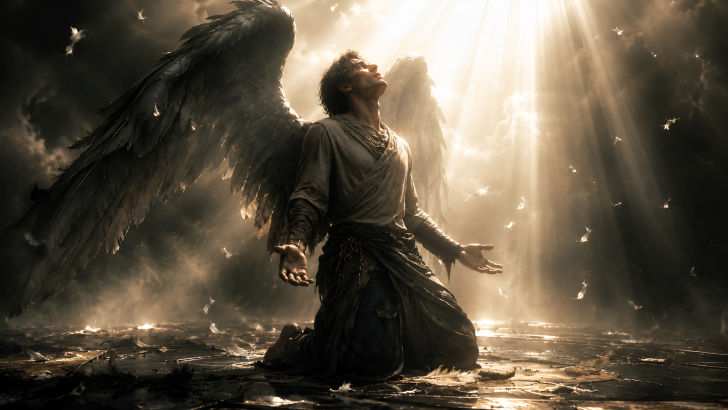
Few questions are as fascinating as this one. If God is all-knowing, then He would have known from the very beginning that some angels would rebel.
He would have known that one of the highest and most beautiful beings would become Satan. He would have known that other angels would follow him.
He would have known about the deception, the conflict, and all the suffering that would come afterward. So why create angels at all?
At first, the question feels difficult. It touches on the mystery of free will, love, and the nature of creation itself.
But the more you think about it, the more it begins to sound like a very human question. Why create anything that has the freedom to reject you?
Why allow the possibility of betrayal? Why make beings capable of both loyalty and rebellion?
That freedom is what makes love meaningful. Without choice, obedience would be automatic, and worship would be empty.
So when we ask why God created angels knowing some would fall, we are really asking a bigger question about the value of freedom itself.
Here are five ways to think about this mystery and why the story of the angels still carries deep meaning today.
1. God Created Angels for Relationship, Not for Programming

The Bible presents angels as personal beings who worship, serve, and carry out God’s will. They are not machines following a script.
They are aware, responsive, and capable of joy. This is important because a genuine relationship requires freedom.
If angels could not choose, their obedience would have no real meaning. Imagine receiving a compliment from someone who had no choice but to say it.
The words might sound nice, but they would feel hollow. What gives loyalty value is that it is freely offered.
The same principle applies to the angels. Their worship matters because it comes from willing devotion.
Some angels used that freedom to remain faithful. Others turned away.
God’s decision to create beings with freedom suggests that authentic love and loyalty were worth the risk of rebellion.
This idea also sheds light on human existence. We are given the same gift and the same responsibility.
Freedom can be misused, but without it, love would lose much of its meaning.
2. The Fall of Angels Reveals the Seriousness of Pride

The story of fallen angels highlights the destructive power of pride. According to Christian tradition, Satan’s rebellion began when he desired to exalt himself above his proper place.
That image feels surprisingly relatable. Pride often starts quietly. It begins with the desire to place ourselves at the center.
The fall of the angels shows that even glorious beings are not immune to this temptation.
God may have allowed this possibility because freedom without the option to reject humility would not be true freedom.
The consequences reveal that pride is not a small flaw. It has the power to fracture even the highest forms of created order.
This story becomes a warning, not only about angels, but about the inner tendencies present in all moral beings. The lesson is sobering, but also clarifying. Great gifts still require humility.
3. Faithful Angels Show That Free Will Can Lead to Lasting Loyalty
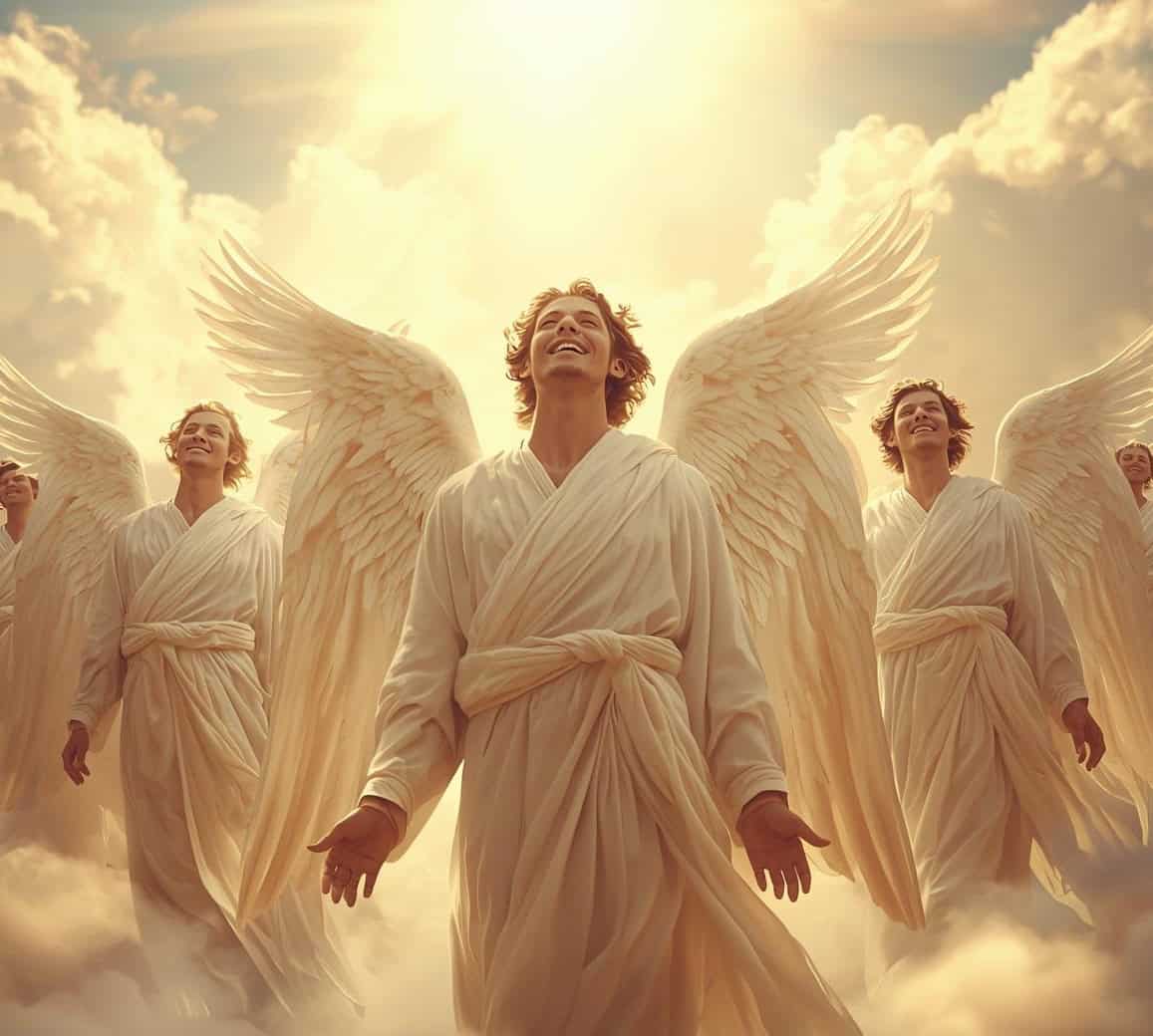
While much attention goes to the angels who fell, the majority remained faithful to God. This is a meaningful detail.
Freedom did not inevitably lead to rebellion. Countless angels continued to worship and serve with joy.
Their faithfulness shows that love freely chosen can endure. This part of the story often receives less attention, but it carries an encouraging message.
The possibility of failure does not erase the reality of enduring loyalty. In that sense, the faithful angels are a testimony to what freedom can produce when it is rooted in trust.
Their continued presence in Scripture reminds readers that obedience can be joyful rather than burdensome.
The story of the angels is not only about rebellion. It is also about steadfast devotion.
4. God Can Bring Greater Good Even From Rebellion

One of the most profound themes in the Bible is that God can bring good out of events that appear destructive.
The rebellion of Satan introduced conflict, but it did not derail God’s purposes.
Instead, the larger biblical story reveals justice, mercy, redemption, and grace in ways that might otherwise remain hidden.
This does not mean rebellion was good in itself. Actually, it means that evil never has the final word.
The same pattern appears throughout Scripture. Betrayal, suffering, and opposition become settings where God’s wisdom is displayed more clearly.
The fall of angels fits within this broader theme. What seems like a devastating disruption becomes part of a story that ultimately reveals God’s character in deeper ways.
5. The Story of the Angels Reflects the Mystery of Human Freedom

In the end, the question about angels is also a question about us. Why would God create beings with the ability to reject Him?
The biblical answer appears to be that freedom is essential to meaningful love. The angels mirror the same tension humans experience every day.
We are given the ability to trust, obey, resist, or turn away. That gift makes life both beautiful and serious.
The story of the angels reminds us that choices matter, but also that God’s purposes are not defeated by rebellion.
The existence of fallen angels does not suggest that creation was a mistake. It suggests that a genuine relationship was considered worth the cost.
That idea may not remove every mystery, but it offers a deeply meaningful way to understand why God created angels, even knowing some would fall.

私は生まれたときから、常に神との強いつながりを感じていた。作家として、また指導者として、私の使命は、人々が最も暗い時代に愛と幸福と内なる強さを見つけるのを助けることである。