
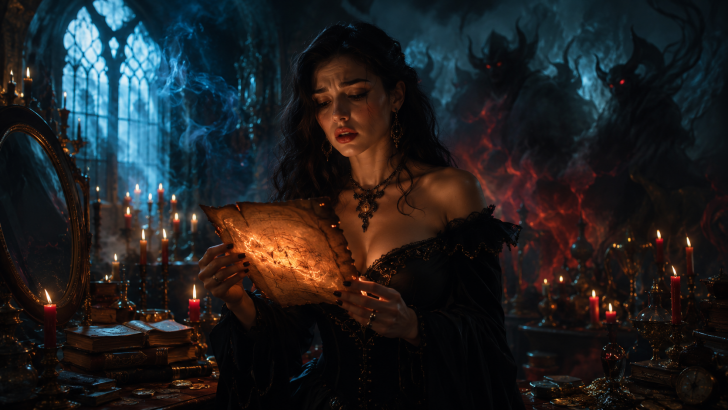
Have you ever noticed how stories about “selling your soul” appear almost everywhere in the world?
You can find them in old legends, religious warnings, dark fantasy stories, and even modern movies and music.
Sometimes the deal is made with a demon. Sometimes it is a spirit, a mysterious figure, or a supernatural force promising power, wealth, beauty, or forbidden knowledge.
Even though cultures around the world developed separately, many created strangely similar stories about dangerous bargains that come with terrible hidden costs.
These tales survived for centuries because they touch something deeply human. Almost everyone understands the temptation of wanting more than they already have.
In many traditions, “selling your soul” became a symbol for sacrificing morality, peace, or identity in exchange for temporary success or desire.
Here are five important reasons why this dark idea appears in so many cultures across history.
1. People Have Always Feared the Price of Unlimited Power
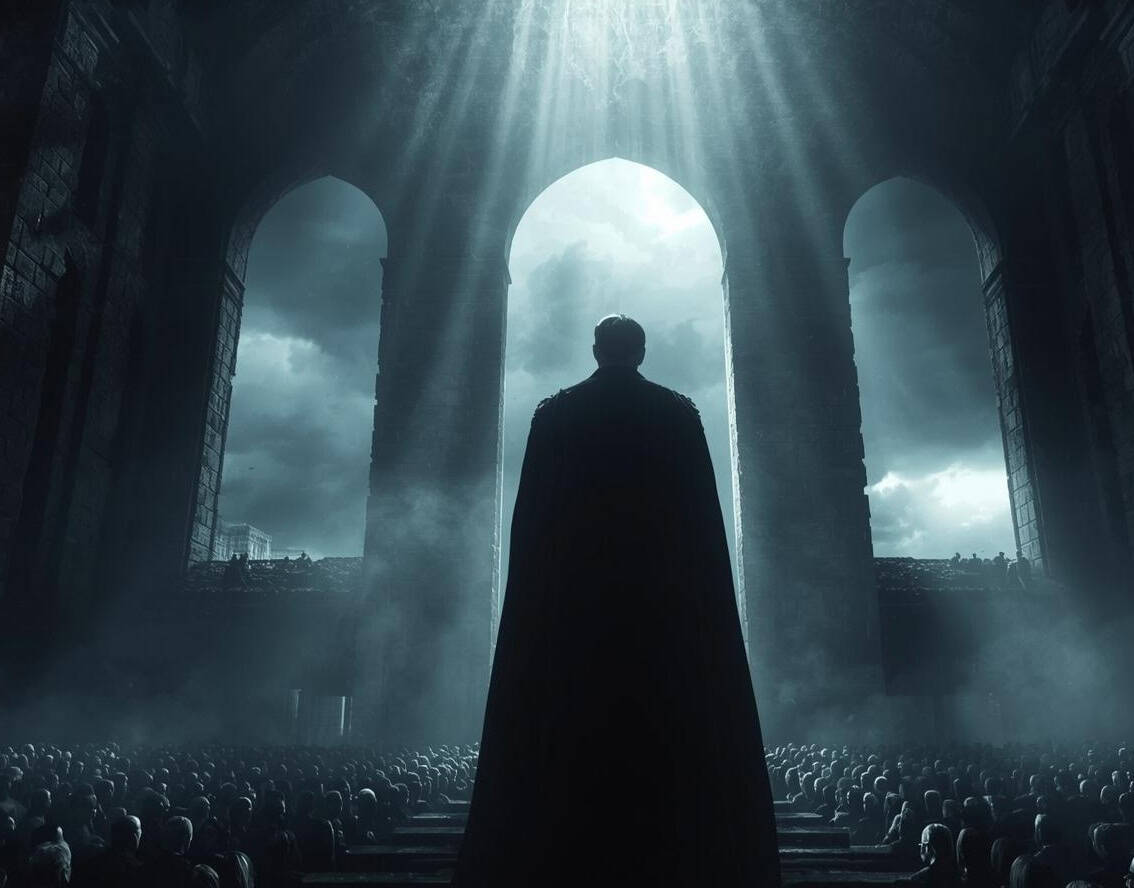
Selling Your Soul often appears in stories where someone desperately wants power, wealth, beauty, revenge, or forbidden knowledge.
The offer usually sounds simple at first. A spirit or dark being promises to solve every problem instantly.
In return, the person gives up something deeply important, often their soul, freedom, or future. This reflects a very old human fear.
People have always worried that gaining too much power too quickly must come with a hidden cost.
These stories remind listeners that shortcuts can become dangerous when desire grows stronger than wisdom or self-control.
In fantasy stories, this idea becomes even darker because the bargain often feels tempting at the exact moment someone feels hopeless, desperate, or emotionally broken.
Many legends also describe the deal beginning with small choices that slowly become impossible to escape later.
2. The Soul Was Seen as a Person’s True Essence

In many ancient cultures, the soul was believed to be the deepest and most valuable part of a human being.
It was not only connected to life after death, but also to identity, morality, memory, and spiritual purpose.
Because of this, losing the soul represented something far more terrifying than physical death. It meant losing the very core of who someone truly was.
That is why stories about soul bargains feel so emotionally powerful. They are not simply about magic. They are about slowly becoming disconnected from humanity itself.
Many legends describe characters gaining riches or supernatural abilities while becoming colder, emptier, and emotionally lost as time passes.
Some stories even portray loved ones noticing the change before the character realizes what is happening internally.
3. Demons and Spirits Represent Temptation in Human Form
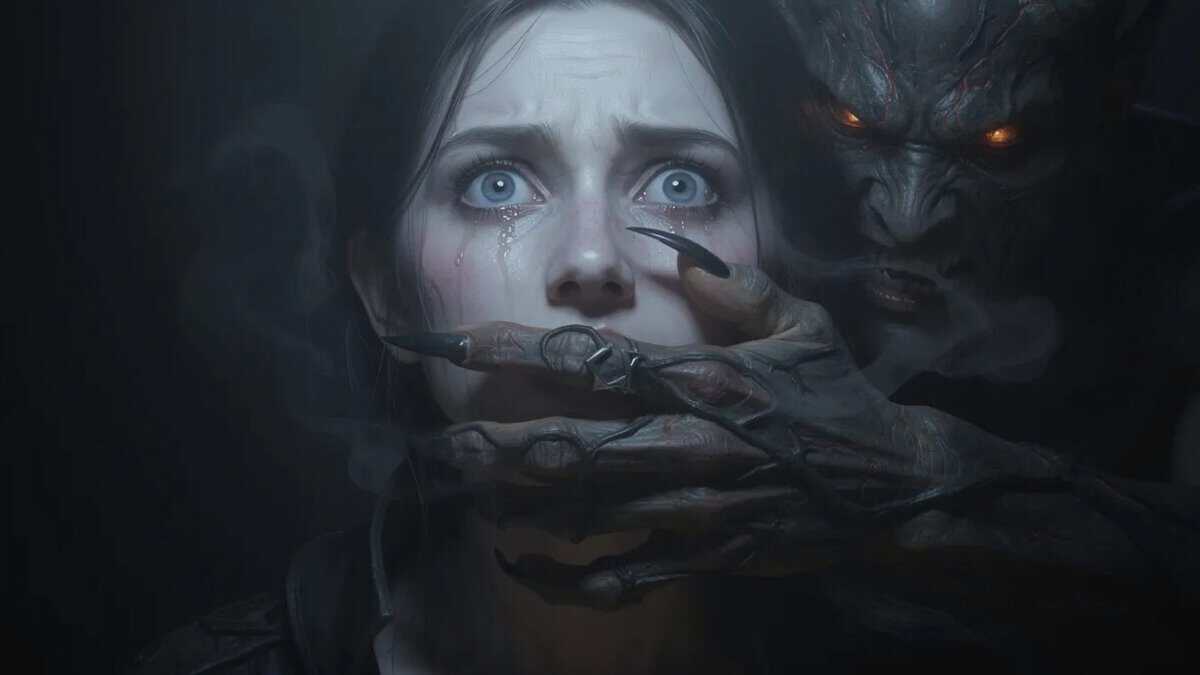
Many cultures created supernatural figures who offered impossible deals to humans.
The Devil became one of the most famous examples in Christian tradition, but similar figures appear in countless myths around the world.
These beings often understand exactly what a person secretly wants most. Power. Love. Revenge. Fame. Knowledge. Youth.
This makes the stories feel personal and frightening because the danger does not begin with force. It begins with temptation.
The supernatural figure usually appears calm, intelligent, and persuasive, almost like a reflection of hidden human desires that slowly grow stronger over time.
This makes the encounter feel unsettling because the threat often sounds comforting rather than openly dangerous at first.
4. These Stories Warn About Greed and Obsession

Many soul bargain stories work like moral lessons hidden inside dark fantasy. The character usually begins with understandable desires.
They want success, safety, love, or respect. But over time, the hunger for more becomes endless.
This reflects a fear found in many cultures. Once people begin sacrificing their values for personal gain, it can become difficult to stop.
The supernatural deal becomes symbolic of obsession itself. The more the character receives, the less satisfied they become.
That is why many of these legends end tragically. The real danger is often not the demon or spirit, but the person’s growing inability to say “enough.”
Many stories suggest that obsession slowly changes how people see themselves, others, and the meaning of happiness entirely.
5. The Idea Still Survives Because It Feels Symbolically True

Even today, people still use the phrase “selling your soul” in everyday conversation.
Most do not mean it literally. Instead, they use it to describe situations where someone sacrifices their morals, peace, or identity for money, fame, or success.
This shows how deeply rooted the idea has become in human imagination.
Selling Your Soul survives because it reflects real emotional fears about temptation, ambition, and losing oneself while chasing desire.
The fantasy element makes the stories dramatic and mysterious, but the emotional warning behind them continues to feel strangely real even in modern life.
This is why these legends continue appearing in books, films, music, and stories shared across generations around the world.

私は生まれたときから、常に神との強いつながりを感じていた。作家として、また指導者として、私の使命は、人々が最も暗い時代に愛と幸福と内なる強さを見つけるのを助けることである。