
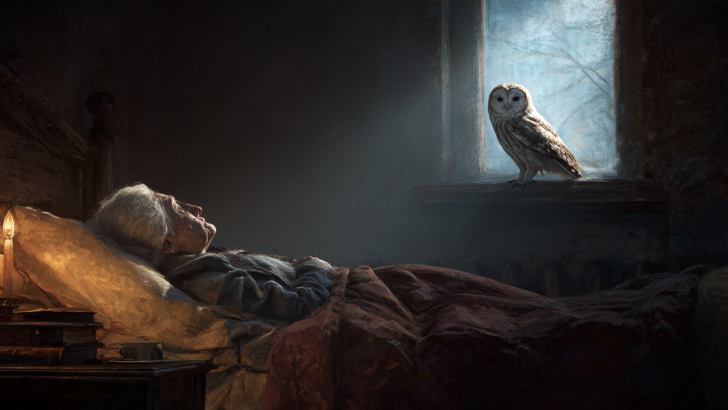
Throughout history, before modern medicine and scientific tools, people would depend on nature to help them understand their world.
Many times, people considered animals messengers, guides, or somehow connected with powers beyond what humans could experience.
Many cultures developed associations between certain animals and death and the afterlife. Some connections were based on personal observations, while others were based on mythology, religious beliefs, or folklore.
No matter if you considered them superstition or symbolic, these belief systems show how observant ancient humans were about animal behavior and the mysteries surrounding life and death.
1. Owls Were Seen As Messengers Of The Unknown
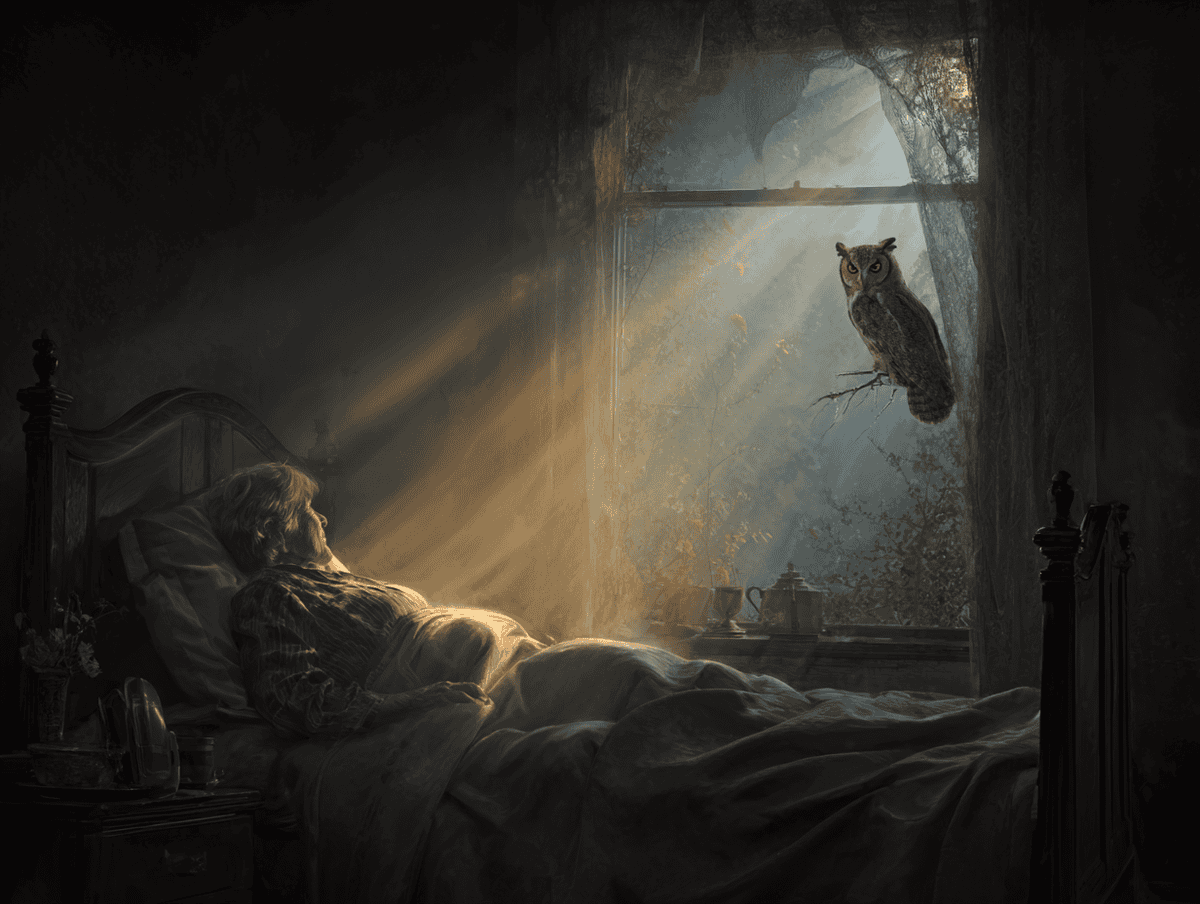
Owls have appeared to be both fascinating and frightening to many ancient cultures. Since they had silent flights and large glowing eyes, they appeared to be very mysterious.
In some traditions, hearing an owl near your house has been considered an omen of death or disaster.
Since owls tend to be nocturnal and fly when most of humankind is sleeping, they became associated with knowledge that is hidden from sight or inaccessible to the view of humans.
2. Ravens Appeared Wherever Death Was Present
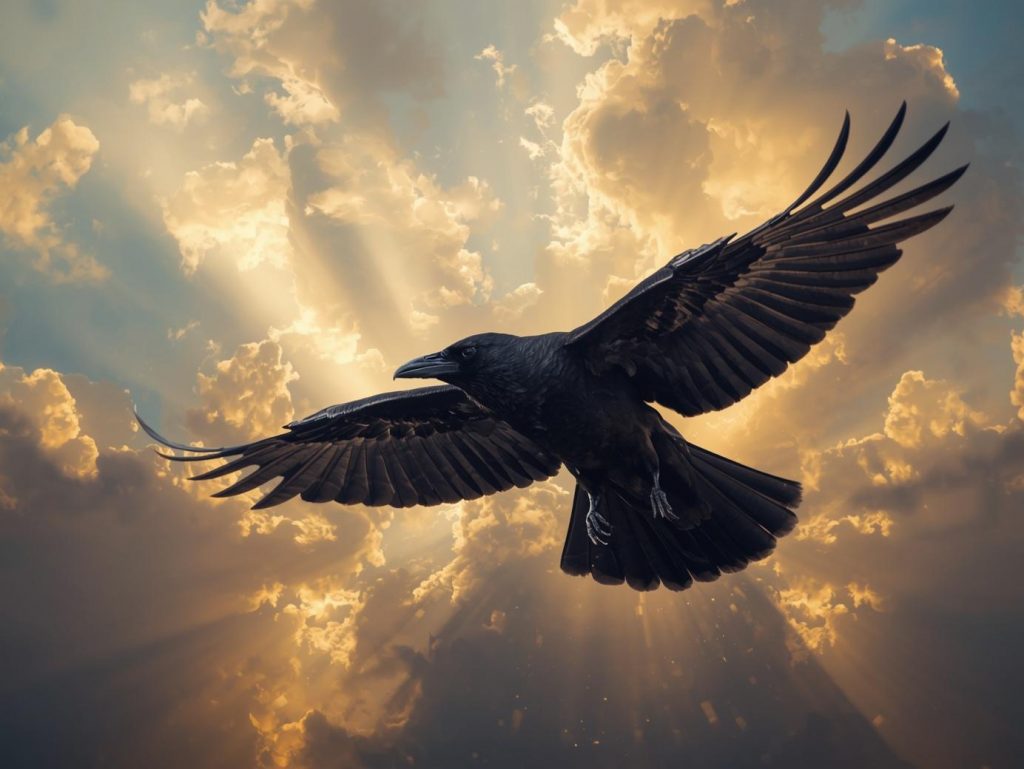
Ravens became associated with death because of their behavior of feeding and gathering at locations of death (such as battlefields, hunting grounds, and other locations).
Based on their behavioral habits, ancient populations believed that ravens possess the ability to sense when humans will die.
Over the course of time, ravens came to symbolize prophetic acts, fate, and transformation; the mystery of the raven was further heightened by its black feathers. Ravens were often depicted in mythology as beings that carried messages from one world to another.
3. Dogs Sometimes Behaved Strangely Around The Sick
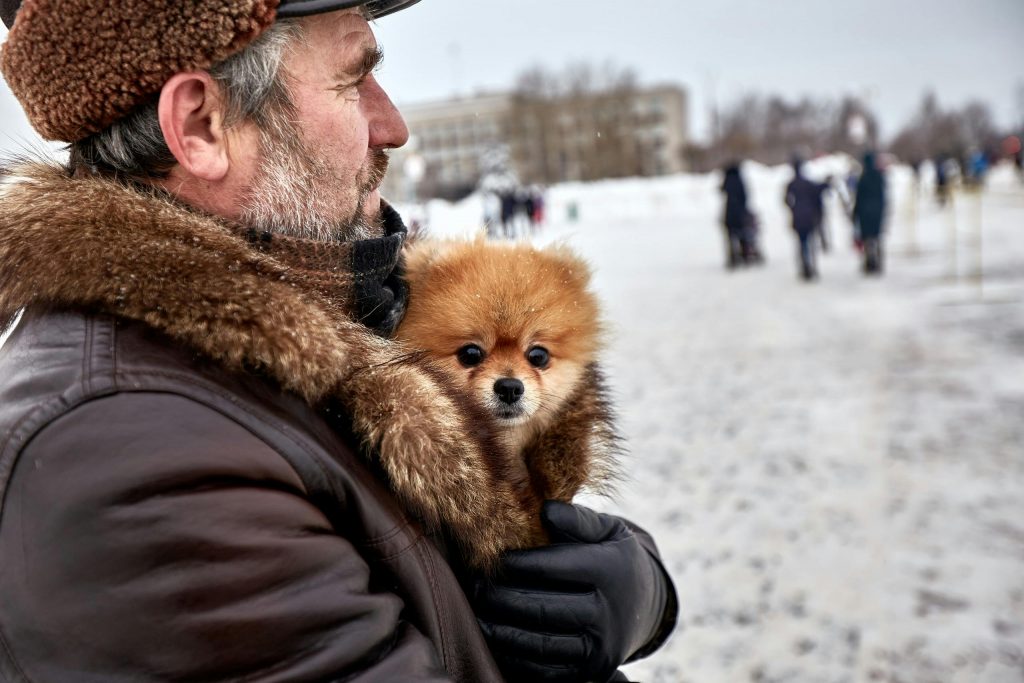
Across the globe throughout history, dogs have been thought to possess the ability to identify when a human is close to death.
Many cultures have described stories of dogs acting protectively toward a specific person or exhibiting greater levels of restlessness or concern around the time a person died.
There is a growing body of evidence to suggest that there are very subtle physical, sensory, and behavioral changes that occur in a person who is dying, and this is likely what dogs are detecting. The loyalty of dogs infused these beliefs with even greater meaning and importance.
4. Crows Became Symbols Of Fate
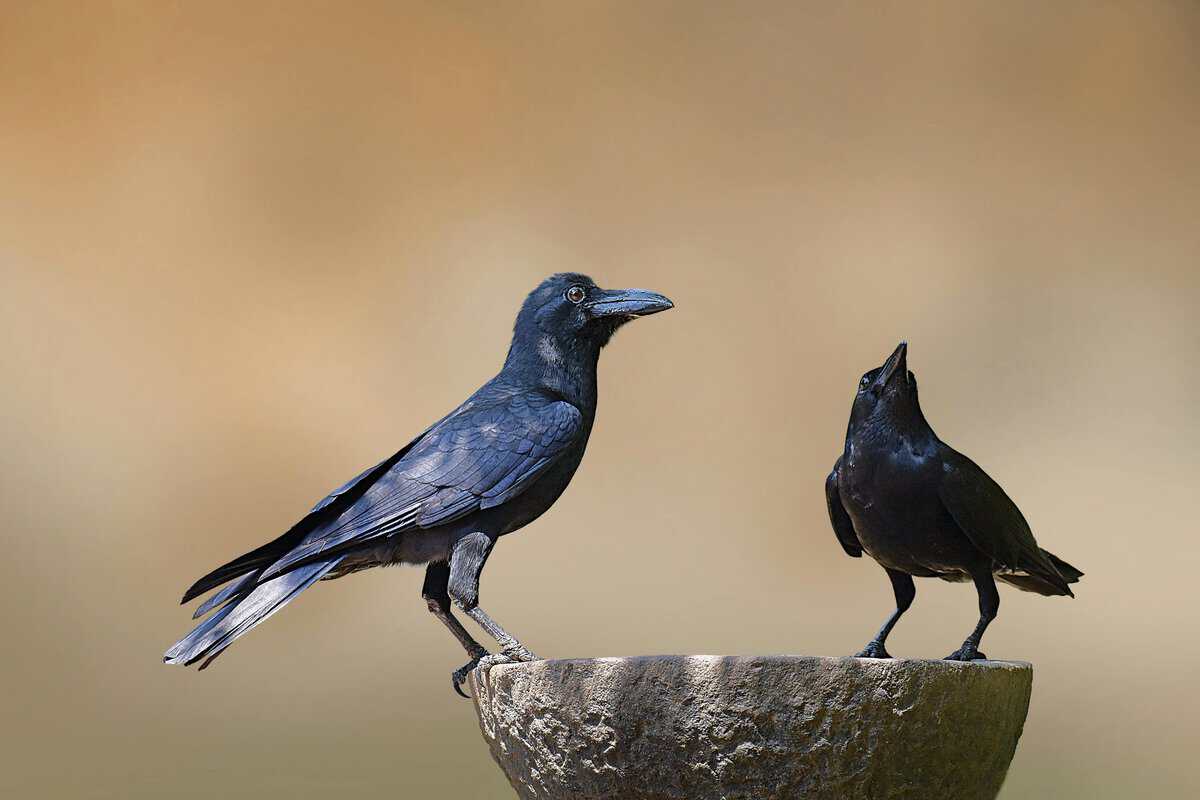
Similar to ravens, many cultures believed that crows had a connection to death.
Since people living in ancient civilizations paid careful attention to where and when a crow was making noise or where crows were flying, it was common for them to have a fear of a crow landing on their house or of many crows gathering in a particular area.
Crows were associated with being perceptive as well as being sensitive to events that were not apparent to humans.
Because of this, and their ability to thrive almost anywhere, people thought that crows had knowledge of things that people didn’t have. Consequently, throughout history, crows have been part of folklore and stories about fate and death.
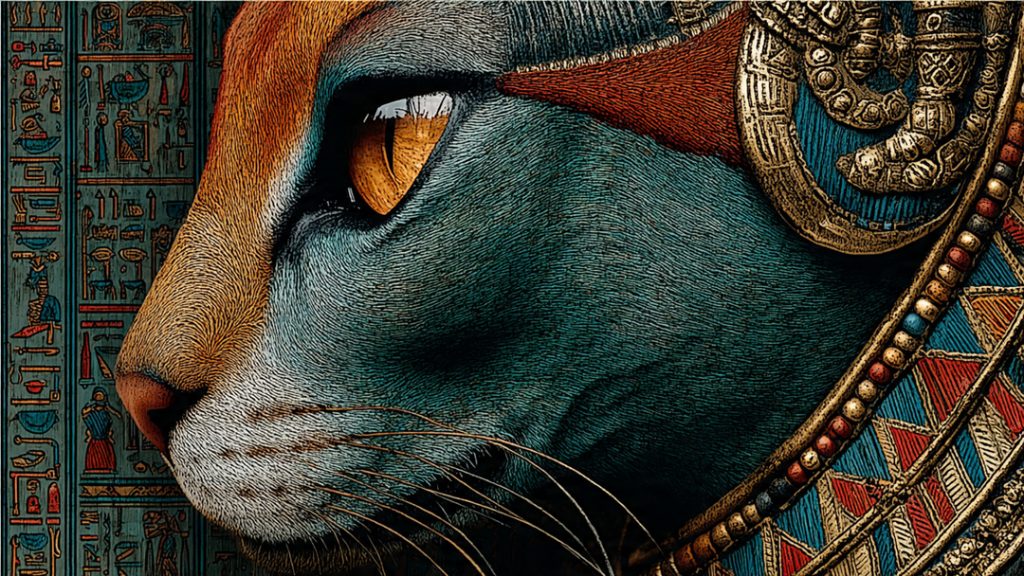
5. Black Cats Inspired Both Fear And Respect
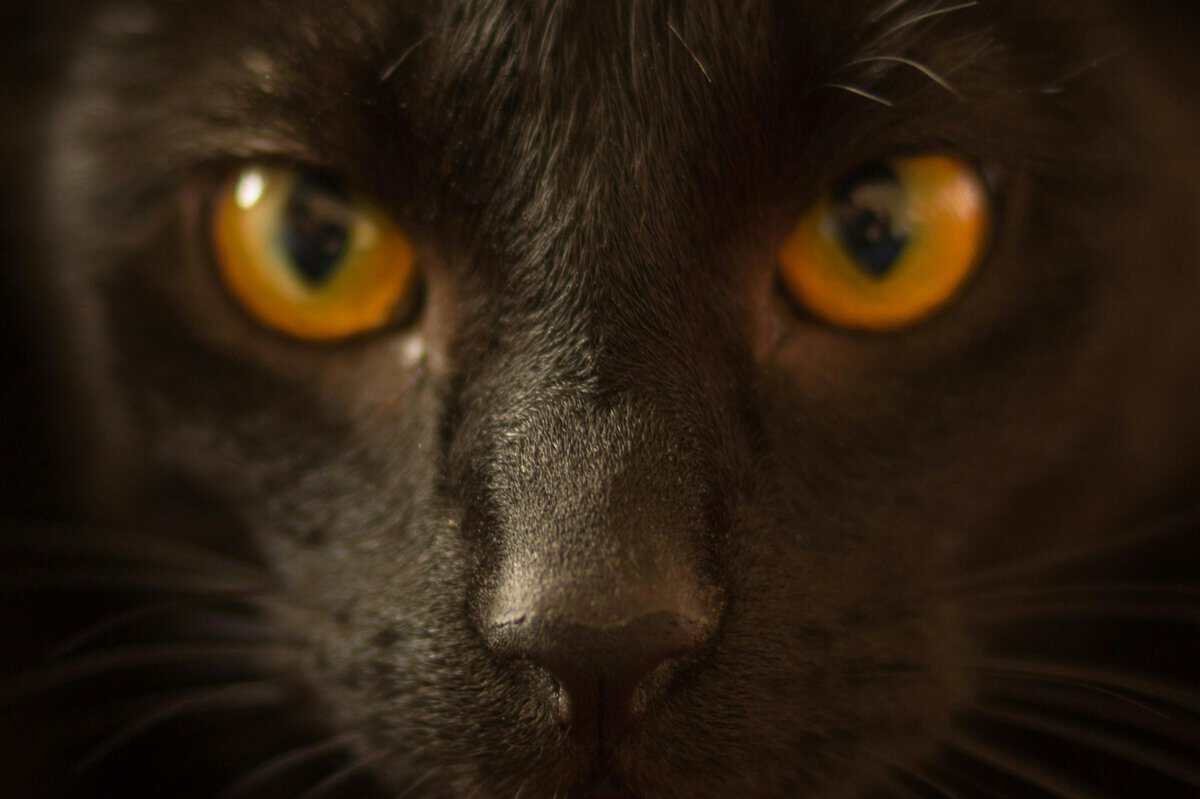
Various civilizations throughout history have given black cats mystical status. The ability of the black cat to move silently has resulted in a belief that they are connected with the supernatural.
In some cultures, this is why the black cat is seen around a sick person as a symbol of bad luck, while in other cultures, the black cat is seen as a protector from evil spirits.
The variable interpretations of the black cat in different cultures create a sense of intrigue. The black cat can be associated with good luck in one area and bad luck in another area.
The black cat’s association with death also often reflects a culture’s overall beliefs about darkness and the unknown.
6. Horses Were Linked To The Journey Beyond
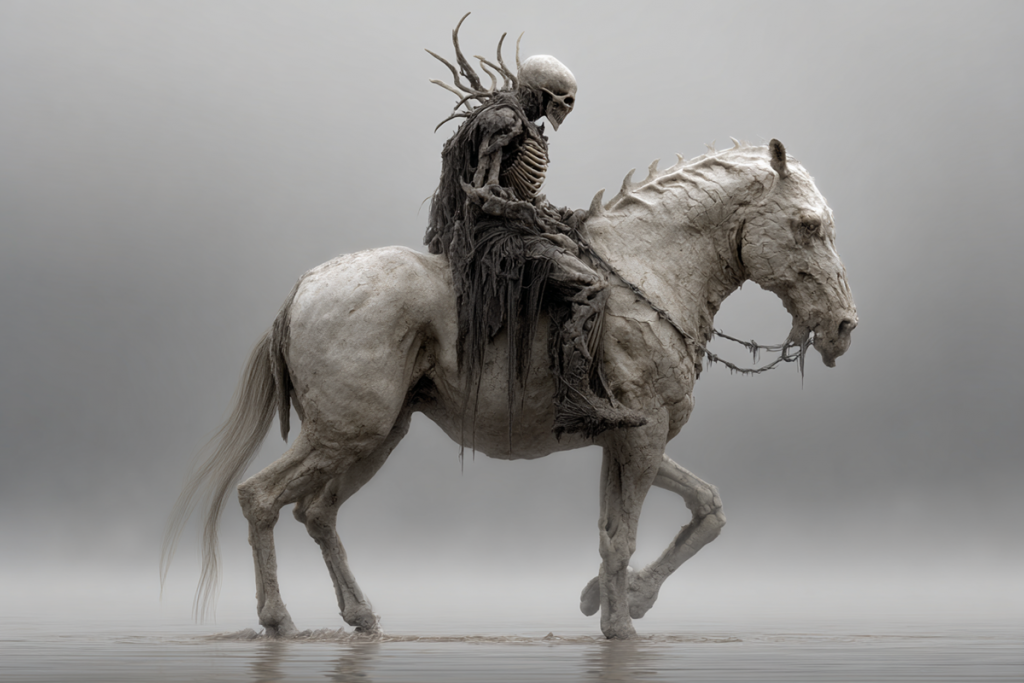
Many myths throughout history have tied horses to death and the afterlife. In some traditions, horses brought souls from one world to another.
Horses can also perceive what is happening in their environment; they can sense how their people feel, the weather, and changes in their environment.
Due to this, many ancient cultures believed horses could sense things that humans could not. Since horses were so commonly used for travel, they became natural symbols for the last journey at the end of life.
7. Moths Appeared In Death Folklore Worldwide
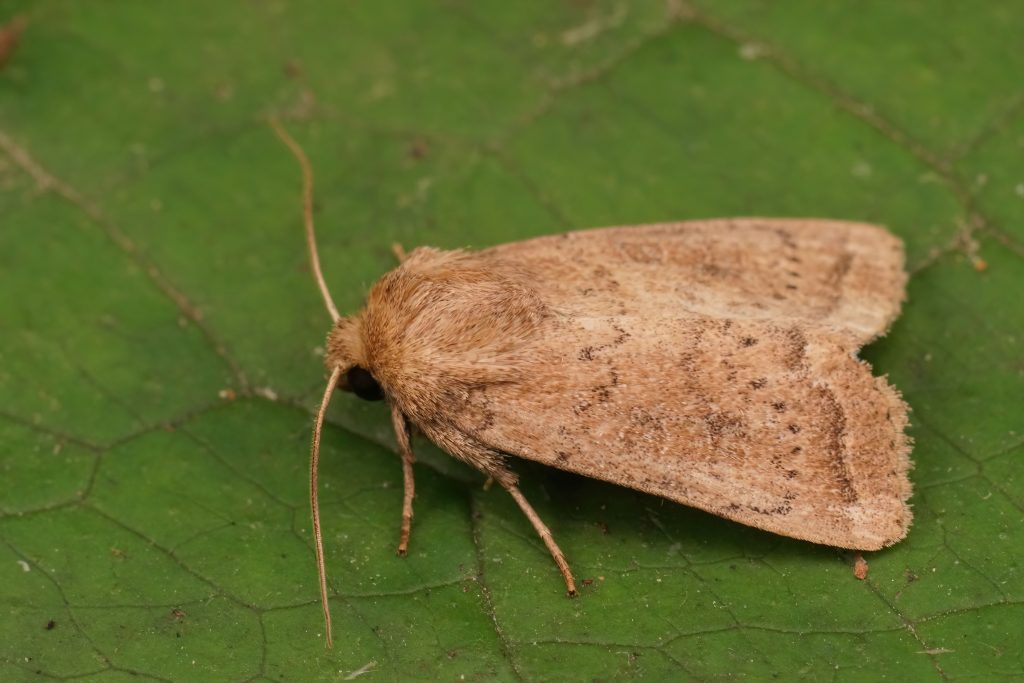
Since moths are active at night and appear to be drawn to light, many cultures have written stories about moths being associated with death.
Some cultures believe that large moths represent messages from the dead or wandering souls. Many superstitions exist about moths suddenly entering a home.
The transformation of the moth added to its symbolism because ancient people believed that the moth’s ability to 変える was a spiritual experience that signified rebirth. Moths are harmless, but they symbolize transformation between varying levels of existence.
8. Vultures Were Associated With The End Of Life
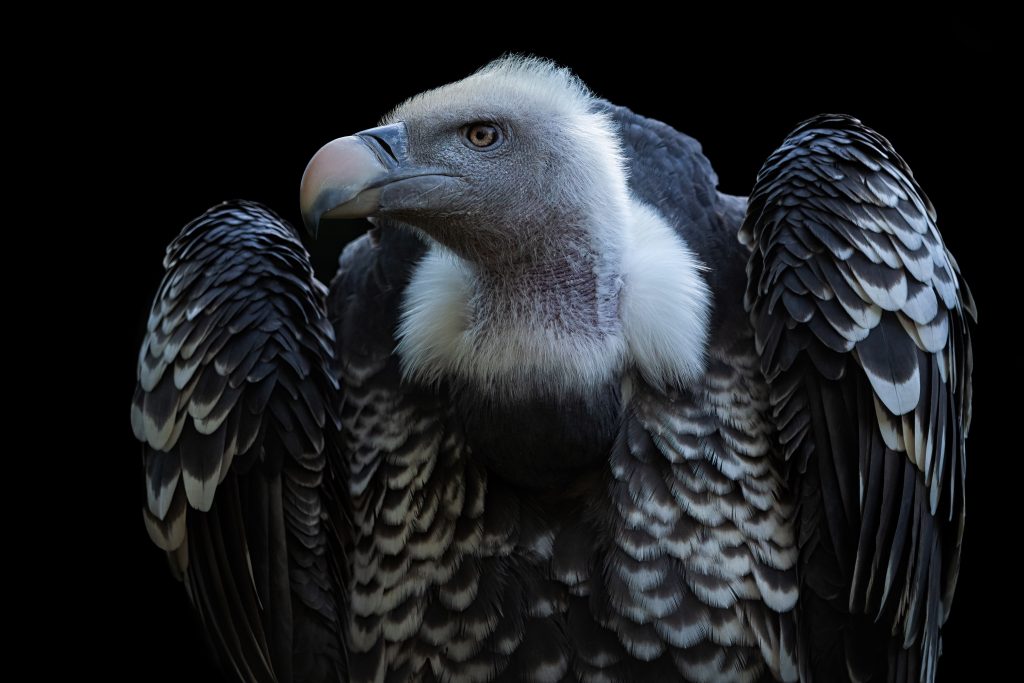
Vultures were commonly seen by ancient civilizations circling where someone had passed away or where the body had decomposed.
The extensive ability of vultures to spot dead animal carcasses miles away may have seemed magical to ancient populations, leading to the prevailing idea that vultures possessed supernatural powers.
Ultimately, vultures took on various symbols in different cultures as a representation of spiritual rebirth and the cycle of life and death.
9. Snakes Symbolized Life And Death Simultaneously
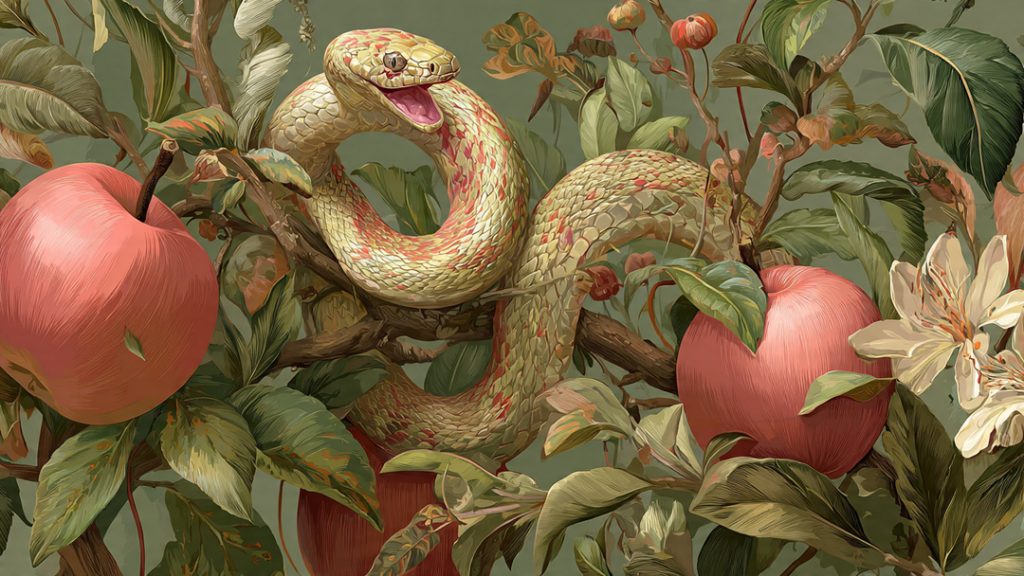
Snakes were almost always a bad omen in many ancient civilizations. The venom associated with the snake was tied to death. However, the snake’s ability to shed its skin makes it associated with renewal and rebirth.
The ability to both disappear and reappear made people believe that snakes can transition between realms of existence. Due to this belief, some people thought that snakes could sense spiritual events long before people could.
As a result, the snake symbolizes transformation and the entire cycle of life and death.
10. Animals Often Notice Things Humans Miss
Animals have proven to be 繊細 to various forms of change in their environment.
Animals also use their senses of smell, sight, sound, and feel to perceive things long before a human does, and many early civilizations did not have the scientific explanations for some occurrences that modern people have.
As a result of their lack of information, when they observed an animal acting strangely before the death of a human, these observations led to many myths and beliefs.
Today, many still report certain animals appearing just before their loved ones pass away. Who knows, there might be some truth to this after all.

Born and raised in Bosnia and Herzegovina. Ever since I was a little girl, my imagination knew no bounds. I remember vividly how I’d scribble down short stories, each page bursting with adventures and characters conjured up from the whimsy of my mind. These stories weren’t just for me; they were my way of connecting with my friends, offering them a slice of my fantasy world during our playtimes. The joy and excitement on their faces as we dived into my fictional realms motivated me to keep writing. This early passion for storytelling naturally evolved into my pursuit of writing, turning a childhood hobby into a fulfilling career.