
Childhood is usually associated with scraped knees, questionable fashion choices imposed by parents, and an unhealthy attachment to sugary cereal. History, however, occasionally produces children who skip the normal developmental milestones and jump straight into becoming infamous.
Some were murderers. Some became rulers whose decisions affected millions. Others were manipulated by adults but nevertheless became symbols of tragedy, violence, or chaos. While it’s important to remember that many of these figures were shaped by circumstances beyond their control, their stories left an undeniable mark on history—and not the cheerful kind.
These are ten children whose names became associated with some of history’s darkest chapters.
1. Jesse Pomeroy
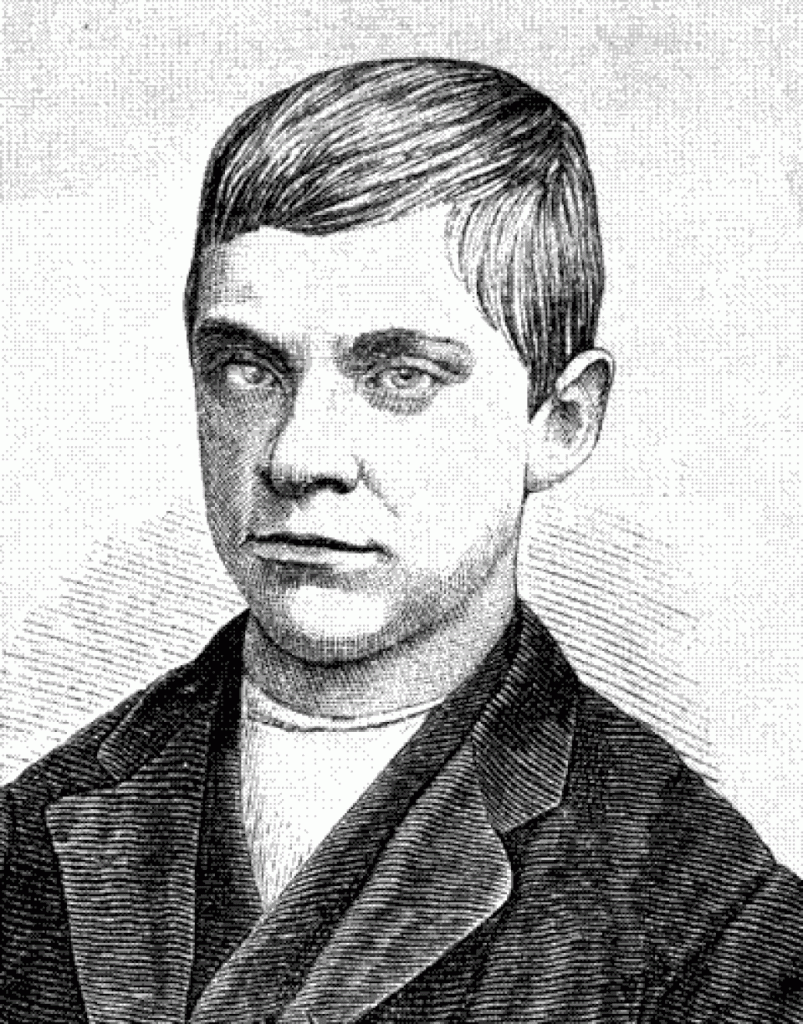
When most children in the 1870s were getting into trouble for skipping chores or stealing apples, Jesse Pomeroy was terrifying the city of Boston.
Born in 1859, Pomeroy began committing violent assaults while still a child himself. He targeted younger boys, luring them away before beating and torturing them. Authorities initially treated him as a troubled youth rather than a serious threat. That turned out to be a catastrophic miscalculation.
At age fourteen, he murdered two children, becoming one of America’s youngest convicted killers. Newspapers dubbed him “The Boy Torturer,” which is not the sort of nickname anyone wants attached to their legacy.
His crimes shocked the nation because they seemed almost impossible to reconcile with his age. Society prefers to believe childhood innocence is universal, and Pomeroy shattered that assumption. He spent most of his life in prison, becoming a grim example of how severe violence can emerge long before adulthood.
History remembers him not for youthful mistakes but for demonstrating that evil does not always wait for adulthood to arrive.
2. Mary Bell

In 1968, England was stunned by the crimes of eleven-year-old Mary Bell.
Bell was convicted of killing two young boys in Newcastle. The case became international news because the perpetrator was barely older than the victims. Public reaction ranged from outrage to disbelief. How could a child commit crimes that seemed so calculated?
The answer turned out to be complicated. Investigations revealed Bell had experienced severe neglect and abuse throughout her early life. While this did not excuse her actions, it provided a disturbing glimpse into the environment that shaped her.
The case sparked debates that continue today about childhood trauma, criminal responsibility, and rehabilitation. Was Bell a monster, a victim, or both? Historians, psychologists, and legal experts still wrestle with the question.
Her story remains one of the most unsettling examples of juvenile crime because it forces society to confront uncomfortable truths about what can happen when a child’s development is profoundly damaged.
3. Nathan Leopold Jr.
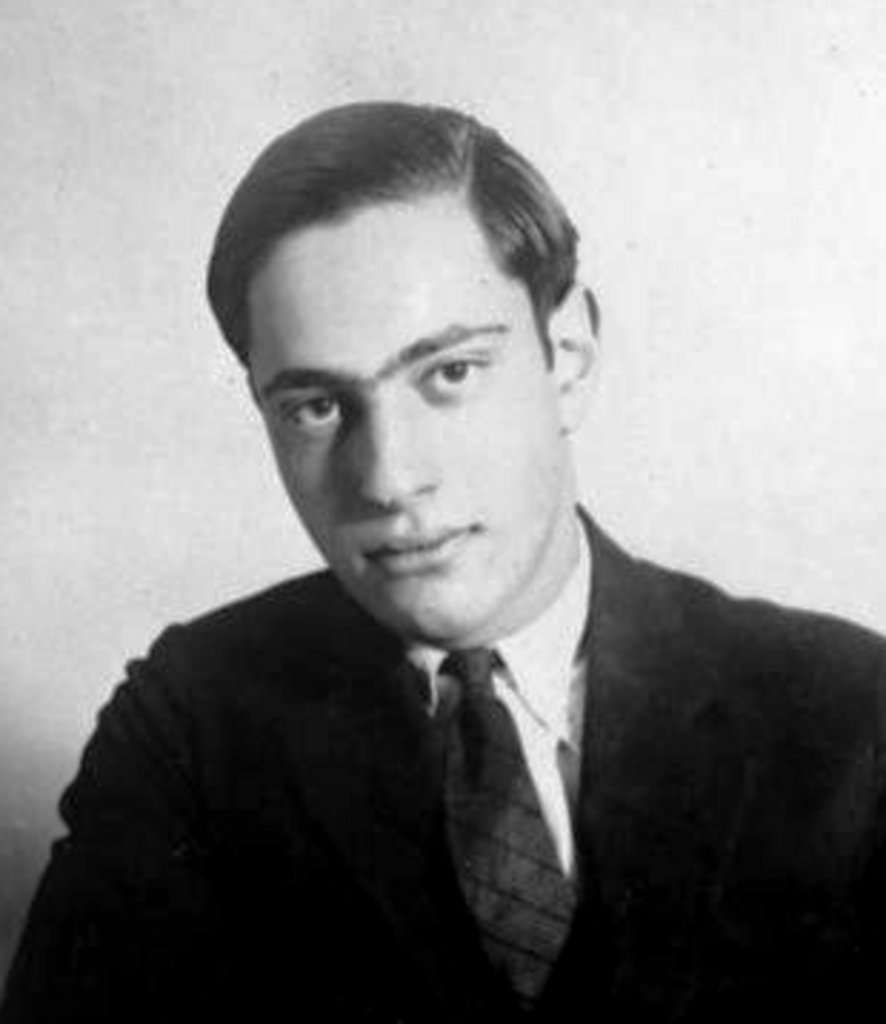
Technically, Nathan Leopold was nineteen during his infamous crime, but his story began with a childhood marked by extraordinary intelligence and an equally extraordinary sense of superiority.
Leopold was a gifted child prodigy. Unfortunately, he eventually formed a partnership with fellow intellectual Richard Loeb that resulted in one of the most notorious murders of the twentieth century.
The pair believed themselves intellectually superior to ordinary people and attempted to commit what they called the “perfect crime.” Their victim was fourteen-year-old Bobby Franks.
The case became a media sensation because it combined wealth, privilege, arrogance, and shocking violence. It also helped shape modern discussions about psychology and criminal behavior.
Leopold’s early brilliance makes the story especially tragic. He had every opportunity to become a celebrated scholar. Instead, he became a cautionary tale proving that intelligence and wisdom are not remotely the same thing.
History is full of gifted children who changed the world for the better. Leopold chose a different path.
4. Jon Venables

The 1993 murder of two-year-old James Bulger remains one of Britain’s most horrifying crimes.
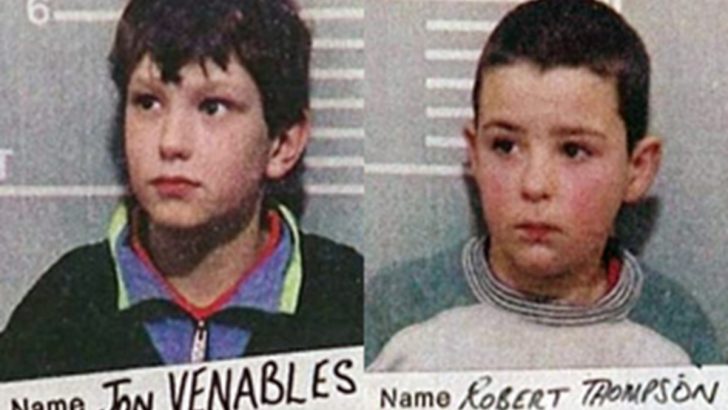
The perpetrators were ten-year-olds Jon Venables and Robert Thompson. The case horrified the public not only because of the victim’s age but because the offenders were children themselves.
Media coverage was intense and emotional. Many people struggled to comprehend how such young boys could commit such a brutal act.
The case transformed public discussions about juvenile justice, child psychology, and criminal rehabilitation. It also sparked debates that continue decades later regarding anonymity, punishment, and the possibility of redemption.
Venables became one of the most infamous child offenders in modern history. His name remains associated with a crime that profoundly affected British society.
The tragedy serves as a reminder that some historical events become cultural scars, influencing legal systems and public attitudes for generations.
5. Robert Thompson
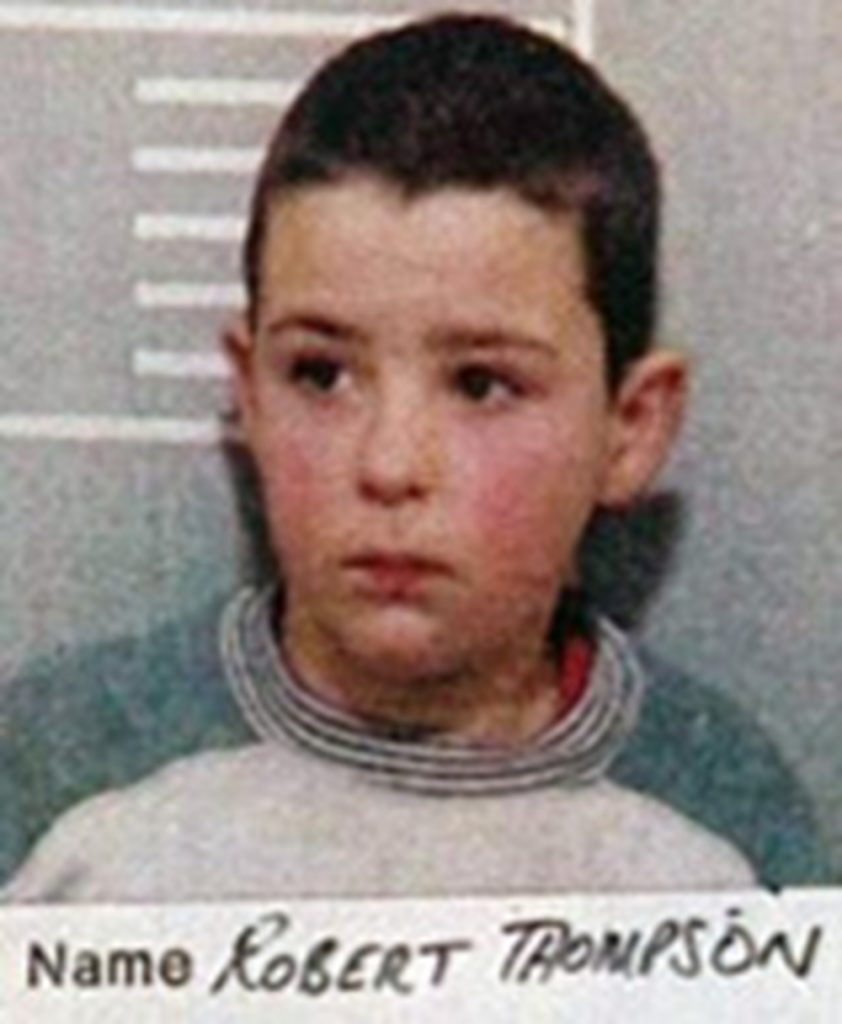
Any discussion of the James Bulger case inevitably includes Robert Thompson.
Like Venables, Thompson was only ten years old when the crime occurred. His background revealed significant family instability, neglect, and hardship, factors frequently cited by experts studying the case.
Yet the circumstances surrounding his upbringing never erased public horror at what happened.
The Bulger case forced society to examine difficult questions. How should children who commit terrible crimes be treated? Can rehabilitation truly work? At what point does accountability outweigh compassion?
Unlike many historical villains, Thompson’s story is not one of power or ambition. It is instead a tragedy involving children on all sides.
His role in the case ensured that his name would remain permanently linked to one of the most disturbing criminal cases of the late twentieth century.
6. Emperor Nero
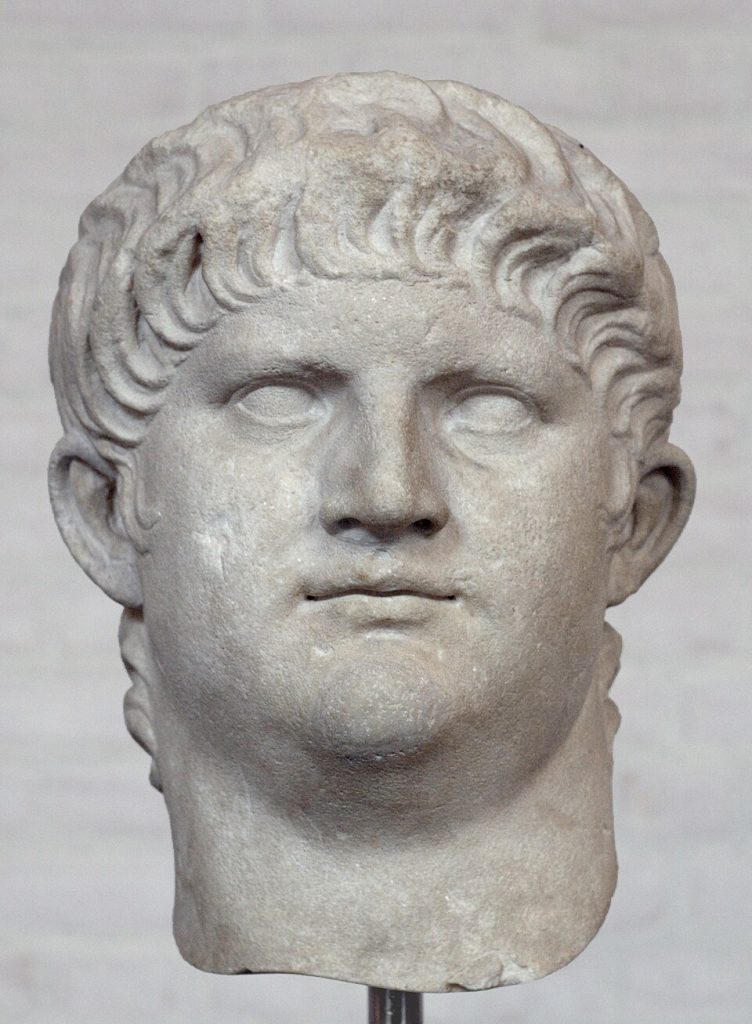
Before he became one of Rome’s most notorious rulers, Nero was a child growing up amid political intrigue that would make modern reality television look refreshingly normal.
Adopted by Emperor Claudius and positioned for power at an early age, Nero learned quickly that Roman politics was not a place for innocence. Family members plotted against one another with alarming enthusiasm.
When Nero eventually became emperor, his reign was marked by executions, persecution, and accusations of tyranny. Ancient sources portray him as vain, cruel, and obsessed with his own image.
Historians continue debating which stories about Nero are accurate and which were exaggerated by political enemies. However, his reputation remains overwhelmingly negative.
The reason he belongs on this list is that his path toward notoriety began in childhood. He was raised in an environment where power mattered more than morality, and the consequences eventually affected an entire empire.
It’s a reminder that some dangerous leaders start learning destructive lessons very young.
7. Gavrilo Princip
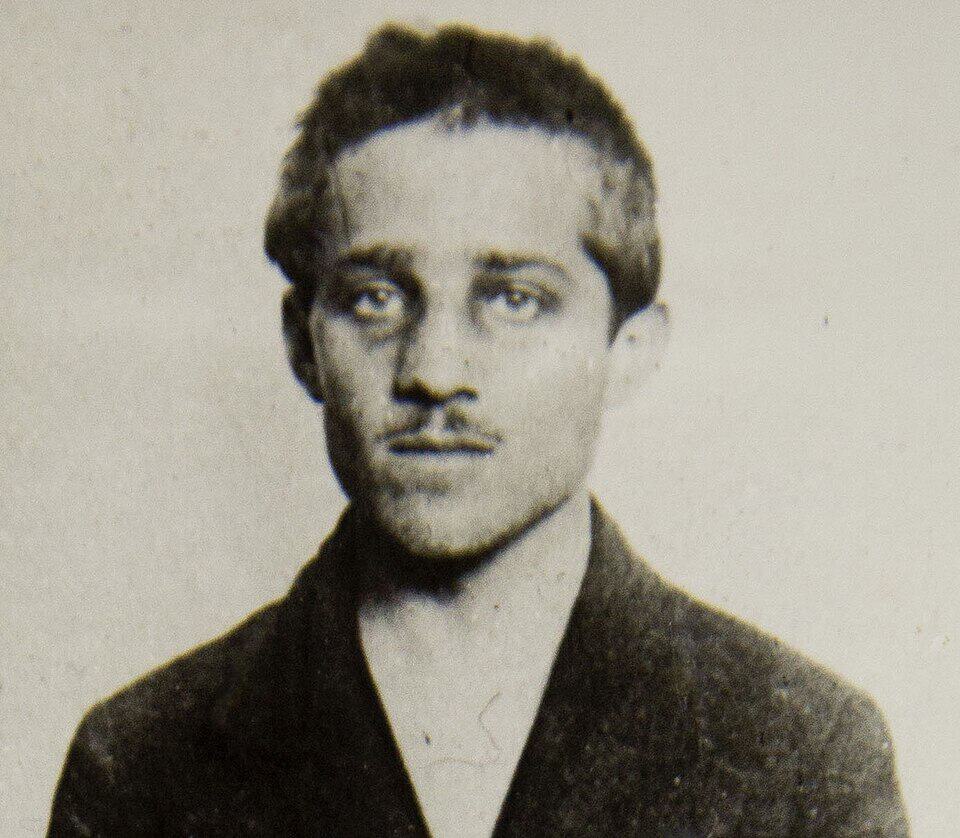
At nineteen, Gavrilo Princip assassinated Archduke Franz Ferdinand, helping trigger a chain of events that led to the outbreak of World War I.
Although not a child at the time of the assassination, Princip’s radicalization began during his teenage years. As a young nationalist living under Austro-Hungarian rule, he became involved with revolutionary movements seeking political change.
The assassination itself was one of history’s most consequential acts. Within weeks, Europe descended into war. Millions would die in the conflict that followed.
Of course, Princip did not single-handedly cause World War I. Europe was already a powder keg of alliances and tensions. Still, his actions provided the spark.
His story demonstrates how youthful idealism can sometimes merge with extremism, producing consequences far beyond what anyone anticipates.
Few teenagers in history have influenced world events so dramatically—or so disastrously.
8. Kim Jong-un

Unlike many figures on this list, Kim Jong-un’s notoriety emerged from the position he inherited rather than crimes committed in youth.
As a child, he grew up within North Korea’s ruling dynasty, surrounded by privilege, secrecy, and political indoctrination. While little is known with certainty about his early years, it is clear that he was raised to view power as both a birthright and a necessity.
After succeeding his father, he became one of the world’s most controversial leaders. His government has been associated with severe human rights concerns, political repression, and military tensions.
What makes his childhood historically significant is how it illustrates the influence of environment. Few children grow up expecting to lead an isolated nuclear state.
The lessons learned in those formative years eventually shaped decisions affecting millions of people, making his upbringing a matter of global historical importance.
9. Elizabeth Báthory
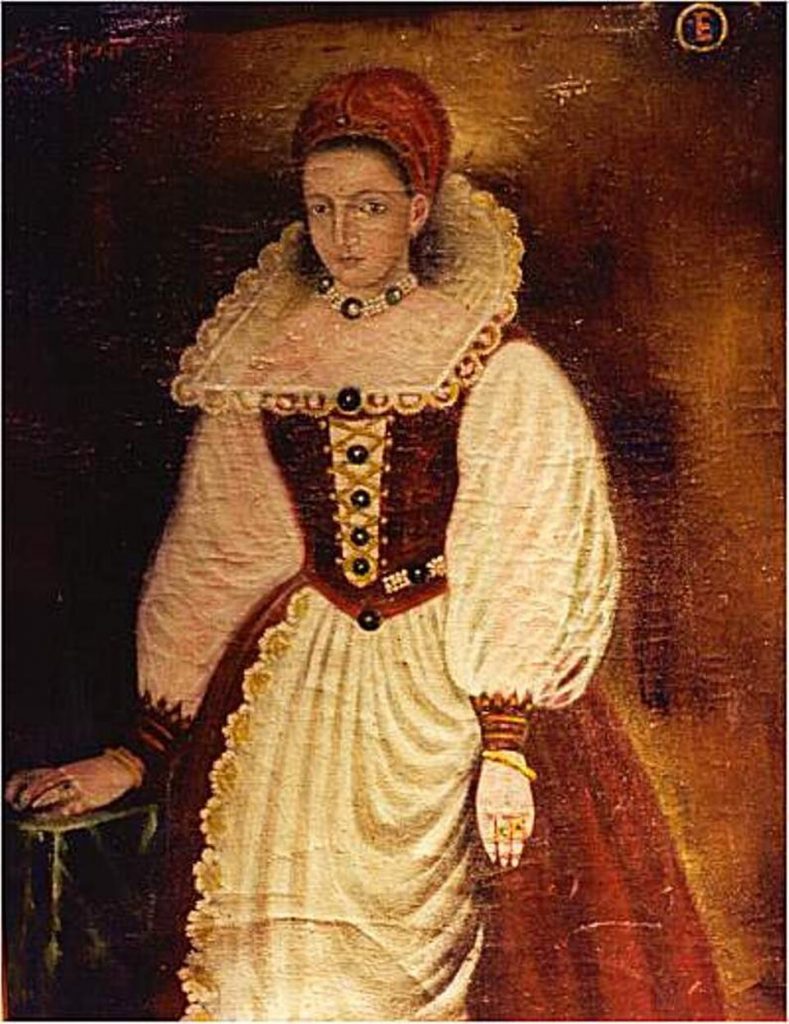
Long before she became the infamous “Blood Countess,” Elizabeth Báthory was a child growing up among the powerful nobility of sixteenth-century Hungary.
As an adult, she was accused of torturing and murdering numerous young women. Some historians believe the charges were exaggerated for political reasons, while others argue she was among history’s most prolific female killers.
Regardless of where the truth lies, her legend became one of Europe’s darkest and most enduring horror stories.
Her childhood is significant because it exposed her to extreme privilege and a culture in which noble status often shielded powerful individuals from accountability.
The combination of wealth, power, and social isolation created conditions that may have contributed to the reputation she later acquired.
Whether villain, scapegoat, or some combination of both, Báthory’s story remains one of history’s most chilling legends.
10. Adolf Hitler
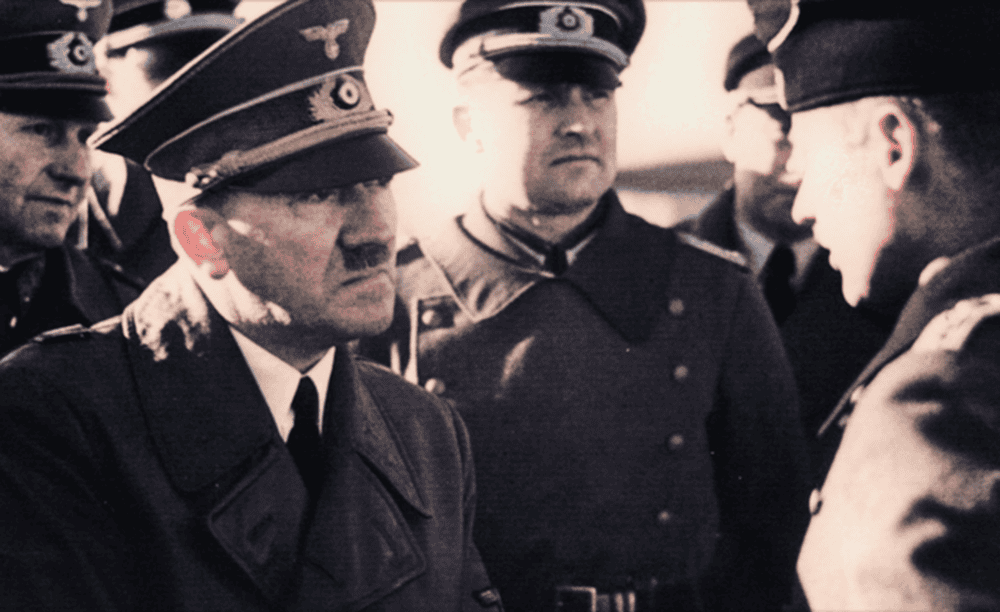
Adolf Hitler’s crimes were committed as an adult, but understanding his childhood helps explain how one of history’s most destructive figures emerged.
Born in Austria in 1889, Hitler experienced a strict upbringing, family conflict, and personal disappointments that influenced his worldview. Historians continue debating which childhood experiences had the greatest impact on his later development.
What is certain is that the boy who once dreamed of becoming an artist eventually became the dictator responsible for World War II and the Holocaust.
His story demonstrates why historians often study childhood carefully. Early experiences do not determine a person’s future, but they can provide important clues about the forces that shape character and belief systems.
No individual left a darker mark on the twentieth century than Hitler. Understanding where that story began remains one of history’s most important—and unsettling—lessons.

Lover of good music, reading, astrology and making memories with friends and spreading positive vibes! 🎶✨I aim to inspire others to find meaning and purpose through a deeper understanding of the universe’s energies.